Mental Wellness
Maintaining mental wellness is crucial for overall holistic health as it directly impacts our emotional, psychological, and physical well-being. When our minds are in a state of balance, it can lead to reduced stress levels, improved relationships, increased productivity, and a greater sense of fulfillment in life.
Mindfulness Practices
- Meditation: Taking time to sit quietly, focus on your breath, and clear your mind can help reduce stress and improve mental clarity.
- Yoga: Practicing yoga combines physical movement with mindfulness, promoting relaxation and reducing anxiety.
- Journaling: Writing down your thoughts and feelings can help you process emotions and gain insight into your mental state.
Connection to Overall Health
How to balance mind, body, and spirit with holistic wellness – Our mental wellness is closely tied to our physical health, with research showing that conditions such as depression and anxiety can impact our immune system, cardiovascular health, and even longevity. By prioritizing mental well-being through mindfulness practices and seeking professional help when needed, we can improve our overall health and quality of life.
Physical Fitness: How To Balance Mind, Body, And Spirit With Holistic Wellness
Regular physical activity is essential for maintaining a balanced mind, body, and spirit. The benefits of physical fitness extend beyond just physical health and can significantly impact mental well-being and spiritual growth.
Types of Exercises for Holistic Well-being
- Cardiovascular exercises like running, cycling, or swimming improve heart health, increase stamina, and release endorphins that boost mood.
- Strength training exercises such as weightlifting or bodyweight exercises help build muscle, improve metabolism, and enhance overall strength and endurance.
- Flexibility and balance exercises like yoga or Pilates promote relaxation, reduce stress, and improve posture and coordination.
Contribution to a Balanced Lifestyle
Regular physical activity not only improves physical health but also has a profound impact on mental and spiritual well-being. It helps reduce symptoms of anxiety and depression, enhances cognitive function, and fosters a sense of connection to oneself and the world around. By incorporating different types of exercises into your routine, you can achieve a holistic approach to wellness that nurtures the mind, body, and spirit.
Healthy Eating
Eating habits play a crucial role in maintaining holistic wellness as it directly impacts our physical, mental, and spiritual well-being. A balanced diet not only provides the necessary nutrients for our bodies but also supports our overall health and vitality.
The Significance of Healthy Eating
Maintaining a healthy diet is essential for nourishing the mind, body, and spirit. It provides the necessary fuel for our bodies to function optimally, supports mental clarity and emotional well-being, and helps in connecting with our spiritual selves.
- Include a variety of fruits, vegetables, whole grains, lean proteins, and healthy fats in your diet to ensure you are getting a wide range of nutrients.
- Stay hydrated by drinking an adequate amount of water throughout the day to support digestion, nutrient absorption, and overall well-being.
- Limit processed foods, sugary drinks, and excessive amounts of caffeine and alcohol, as they can negatively impact your health and energy levels.
- Practice mindful eating by paying attention to your hunger cues, savoring each bite, and being present during meal times to fully enjoy and appreciate your food.
The Impact of Nutrition on Overall Well-being
Nutrition plays a vital role in our overall well-being and preventive care. A well-balanced diet can help reduce the risk of chronic diseases, boost immunity, improve mood and mental health, and enhance our physical performance and energy levels.
Remember, food is not just fuel for the body; it is also nourishment for the mind and spirit.
Preventive Care
Preventive care plays a crucial role in maintaining holistic health by focusing on proactive measures to prevent illnesses and promote overall well-being. By addressing potential health risks before they escalate, individuals can optimize their mind, body, and spirit alignment.
Importance of Preventive Care
- Regular check-ups and screenings can help detect health issues at an early stage, increasing the chances of successful treatment.
- Preventive care empowers individuals to take control of their health and make informed decisions about their lifestyle choices.
- It reduces the burden on the healthcare system by preventing the progression of diseases that could have been avoided through early intervention.
Examples of Preventive Care Practices
- Annual physical exams to monitor overall health and identify any potential concerns.
- Maintaining a balanced diet rich in nutrients to support immune function and prevent chronic diseases.
- Regular exercise to maintain physical fitness and reduce the risk of heart disease, obesity, and other health issues.
- Regular mental health check-ins with a therapist or counselor to manage stress and prevent mental health conditions.
Early Detection and Screenings
- Screenings such as mammograms, colonoscopies, and blood tests can detect cancer and other diseases in their early stages when treatment is most effective.
- Early detection of conditions like high blood pressure and diabetes through routine screenings can prevent complications and improve overall health outcomes.
- Regular eye exams, dental check-ups, and skin screenings can help identify potential issues before they progress, ensuring timely intervention.
Balanced Diet
To achieve holistic wellness, a balanced diet plays a crucial role in nourishing the mind, body, and spirit. A balanced diet consists of consuming a variety of nutrients in appropriate proportions to support overall health and well-being.
Incorporating a Variety of Nutrients
A balanced diet includes a combination of macronutrients (carbohydrates, proteins, and fats) and micronutrients (vitamins and minerals) essential for the body’s functions. Incorporating a variety of fruits, vegetables, whole grains, lean proteins, and healthy fats ensures that you receive a wide range of nutrients to support your overall health.
- Include a rainbow of fruits and vegetables in your daily meals to benefit from different vitamins, minerals, and antioxidants.
- Incorporate lean proteins such as poultry, fish, beans, and nuts to support muscle growth and repair.
- Choose whole grains like quinoa, brown rice, and oats for sustained energy and fiber intake.
- Opt for healthy fats from sources like avocados, nuts, seeds, and olive oil to support brain health and reduce inflammation.
Aim for a colorful plate filled with a variety of nutrient-dense foods to ensure you are getting the essential nutrients your body needs to function optimally.
Relationship Between Balanced Diet and Mental Clarity, How to balance mind, body, and spirit with holistic wellness
The food we eat directly impacts our cognitive function, mood, and mental clarity. A balanced diet rich in nutrients supports brain health and can improve focus, memory, and overall mental well-being.
- Omega-3 fatty acids found in fatty fish like salmon and walnuts are essential for brain health and can enhance cognitive function.
- Eating antioxidant-rich foods such as berries, leafy greens, and dark chocolate can help protect brain cells from oxidative stress and improve mental clarity.
- Consuming complex carbohydrates from whole grains provides a steady source of energy for the brain, promoting concentration and alertness.
Regular Exercise
Regular exercise plays a crucial role in achieving holistic wellness by benefiting the mind, body, and spirit. It helps improve mental clarity, physical strength, and emotional well-being, creating a harmonious balance essential for overall health.
Benefits of Regular Exercise
- Enhances mood and reduces stress: Exercise triggers the release of endorphins, which are known as “feel-good” hormones, promoting a sense of well-being and reducing feelings of anxiety and depression.
- Boosts physical health: Regular physical activity strengthens the cardiovascular system, improves circulation, and enhances overall fitness levels, reducing the risk of heart disease, diabetes, and obesity.
- Increases energy levels: Engaging in exercise regularly can boost energy levels, combat fatigue, and improve sleep quality, leading to increased productivity and vitality throughout the day.
- Promotes better sleep: Physical activity can help regulate sleep patterns and promote restful sleep, enhancing cognitive function and overall health.
Creating a Consistent Exercise Routine
- Set realistic goals: Start with achievable targets and gradually increase the intensity and duration of your workouts to maintain consistency.
- Find activities you enjoy: Choose exercises that you find enjoyable and engaging to stay motivated and committed to your fitness routine.
- Schedule workouts: Block out dedicated time in your daily or weekly schedule for exercise to ensure it becomes a regular part of your routine.
- Include variety: Incorporate a mix of cardio, strength training, flexibility, and balance exercises to work different muscle groups and prevent boredom.
- Listen to your body: Pay attention to how your body responds to exercise and adjust your routine accordingly to avoid burnout or injury.
Role of Physical Activity in Disease Prevention
- Reduces the risk of chronic diseases: Regular exercise has been shown to lower the risk of developing conditions such as heart disease, type 2 diabetes, and certain types of cancer.
- Improves immune function: Physical activity strengthens the immune system, making the body more resilient to infections and illnesses.
- Aids in weight management: Exercise helps maintain a healthy weight and reduce body fat, lowering the risk of obesity-related diseases.
- Enhances overall longevity: Studies have shown that individuals who engage in regular physical activity tend to live longer and enjoy a higher quality of life in their later years.
Mental Health
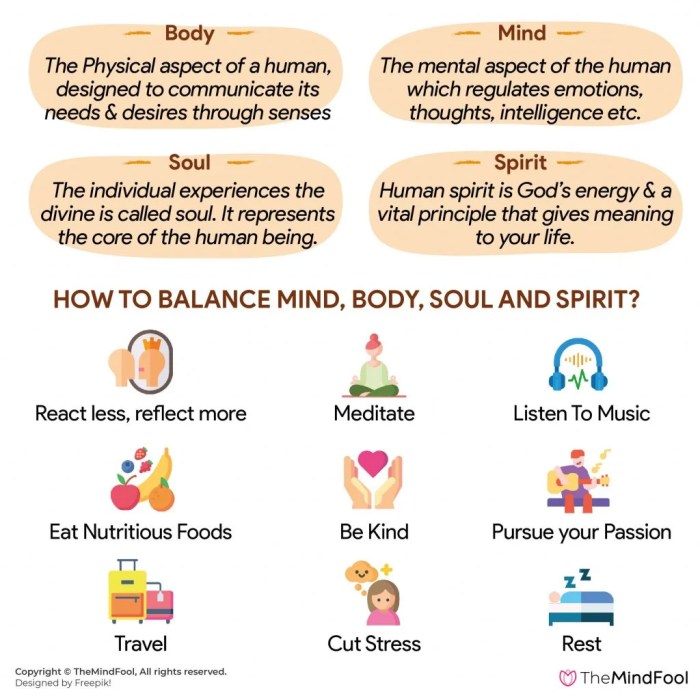
Maintaining positive mental health is essential for overall holistic wellness. It involves more than just the absence of mental illness; it encompasses emotional, psychological, and social well-being. Mental health is dynamic and can change over time based on various factors such as stress, lifestyle, relationships, and genetics.
Difference Between Mental Health and Mental Wellness
Mental health focuses on the absence of mental illnesses, while mental wellness emphasizes the presence of positive mental states. Mental wellness encompasses self-care, stress management, emotional regulation, resilience, and the ability to cope with life’s challenges. It involves actively taking steps to enhance mental well-being, rather than just treating mental illnesses.
Strategies for Maintaining Positive Mental Health
- Practice mindfulness and meditation to reduce stress and improve focus.
- Engage in regular physical activity to boost mood and energy levels.
- Cultivate strong social connections and seek support when needed.
- Set realistic goals and prioritize self-care activities.
- Avoid negative self-talk and practice positive affirmations.
Impact of Mental Health on Holistic Wellness
Mental health significantly influences overall holistic wellness. Poor mental health can lead to physical health issues, relationship problems, decreased productivity, and overall decreased quality of life. On the other hand, positive mental health can enhance resilience, improve decision-making, and promote a sense of fulfillment and well-being in all aspects of life.
Holistic Wellness
Holistic wellness encompasses a comprehensive approach to health and well-being that considers the interconnectedness of mind, body, and spirit. It involves addressing the whole person, rather than just focusing on individual symptoms or issues.
Examples of Holistic Approaches
- Acupuncture: A traditional Chinese medicine practice that involves inserting thin needles into specific points on the body to restore the flow of energy.
- Yoga: Combines physical postures, breathing techniques, and meditation to promote balance and harmony in the mind, body, and spirit.
- Meditation: A practice that involves focusing the mind and cultivating awareness to reduce stress, improve concentration, and promote emotional well-being.
- Aromatherapy: The use of essential oils extracted from plants to enhance physical and psychological well-being through inhalation or topical application.
Interconnectedness of Mind, Body, and Spirit
Holistic wellness recognizes that the mind, body, and spirit are interconnected and influence each other. For example, stress and emotional turmoil can manifest as physical symptoms, while physical health issues can impact mental and emotional well-being. By addressing all aspects of a person’s health and well-being, holistic approaches aim to achieve balance and harmony in the mind, body, and spirit.
Chronic Diseases
Holistic wellness plays a crucial role in preventing chronic diseases by addressing the root causes of health issues rather than just treating symptoms. By focusing on the interconnectedness of the mind, body, and spirit, individuals can adopt lifestyle changes that promote overall well-being and reduce the risk of chronic conditions.
Preventing Chronic Diseases
- Engaging in regular physical activity can help maintain a healthy weight and reduce the risk of obesity, a common risk factor for chronic diseases such as diabetes and heart disease.
- Practicing stress-reducing techniques like mindfulness meditation and yoga can lower inflammation levels in the body, which is linked to the development of chronic conditions.
- Eating a balanced diet rich in fruits, vegetables, whole grains, and lean proteins can provide essential nutrients that support the immune system and overall health, reducing the risk of chronic diseases.
Managing Chronic Conditions Holistically
- Integrating alternative therapies such as acupuncture, chiropractic care, or herbal medicine alongside conventional treatments can help manage chronic conditions and improve overall well-being.
- Embracing a holistic approach to healthcare involves addressing mental health alongside physical symptoms, promoting a more comprehensive healing process for individuals living with chronic diseases.
- Creating a support network of healthcare providers, therapists, and holistic practitioners can offer a well-rounded approach to managing chronic conditions and improving quality of life.
Lifestyle Factors and Chronic Diseases
- Smoking, excessive alcohol consumption, poor diet choices, and sedentary lifestyles are common lifestyle factors that contribute to the development of chronic diseases such as cancer, heart disease, and respiratory conditions.
- Environmental factors like pollution, exposure to toxins, and lack of access to healthcare can also play a role in the prevalence of chronic diseases in certain populations.
- Educating individuals on the importance of lifestyle modifications and environmental awareness can empower them to make healthier choices and reduce their risk of developing chronic conditions.
Immunity Boosters
Immunity boosters play a vital role in maintaining overall health by strengthening the body’s defense system against infections and diseases. A robust immune system is essential for achieving holistic wellness as it helps protect against various health issues and promotes general well-being.
Natural Immunity-Boosting Foods and Supplements
- Citrus fruits: Oranges, lemons, and grapefruits are rich in Vitamin C, which is known to boost the immune system.
- Garlic: Contains allicin, a compound with immune-boosting properties that can help fight off infections.
- Ginger: Known for its anti-inflammatory and antioxidant properties, ginger can help enhance immunity.
- Turmeric: Contains curcumin, which has potent anti-inflammatory and antioxidant effects that support immune function.
- Probiotics: Healthy bacteria found in foods like yogurt and kefir can improve gut health, which is crucial for a strong immune system.
Importance of a Strong Immune System for Holistic Wellness
A strong immune system contributes significantly to holistic wellness by protecting the body from harmful pathogens, reducing the risk of infections, and promoting overall health and vitality. When the immune system is functioning optimally, it can help maintain a balance between the mind, body, and spirit, leading to a state of well-being and harmony.
Essential FAQs
How can I start implementing holistic wellness practices in my daily life?
You can start by incorporating mindfulness exercises, regular physical activity, and a balanced diet rich in nutrients to promote holistic well-being.
Is there a specific time of day that is best for practicing mindfulness?
While it varies for individuals, many find that practicing mindfulness in the morning or before bed helps set a positive tone for the day or promotes relaxation for better sleep.
What are some natural immunity boosters that I can include in my diet?
Foods like citrus fruits, garlic, ginger, and turmeric are known for their immune-boosting properties and can be easily incorporated into your meals.
How does mental health play a role in achieving holistic wellness?
Maintaining positive mental health through stress management, self-care practices, and seeking support when needed is crucial for achieving a balanced mind, body, and spirit.