How to Incorporate Fruits and Vegetables in a Balanced Diet

How to incorporate fruits and vegetables in a balanced diet

How to incorporate fruits and vegetables in a balanced diet is a question many of us grapple with. It’s not just about eating healthy; it’s about feeling energized, boosting your immune system, and potentially lowering your risk of chronic diseases.

The key is to make these nutrient-rich foods a regular part of your meals and snacks, and it’s easier than you might think.

This guide will walk you through the process, offering tips on how to seamlessly integrate fruits and vegetables into your daily routine. We’ll explore strategies for overcoming common challenges, including time constraints and budget limitations. You’ll discover creative ways to incorporate these essential foods into your breakfast, lunch, and dinner, along with healthy snack options that satisfy your cravings.

The Importance of Fruits and Vegetables

How to incorporate fruits and vegetables in a balanced diet

Fruits and vegetables are essential components of a balanced diet. They are packed with nutrients that are vital for maintaining good health and preventing chronic diseases. Incorporating a variety of fruits and vegetables into your daily meals is crucial for overall well-being.

Nutritional Value of Fruits and Vegetables

Fruits and vegetables are rich sources of essential vitamins, minerals, antioxidants, and fiber. They provide a wide range of nutrients that our bodies need to function properly.

  • Vitamins:Fruits and vegetables are excellent sources of vitamins, including vitamin C, vitamin A, folate, and vitamin K. These vitamins play crucial roles in immune function, vision, cell growth and development, and blood clotting.
  • Minerals:Fruits and vegetables are also rich in minerals such as potassium, magnesium, calcium, and iron. These minerals are essential for maintaining healthy bones, regulating blood pressure, and supporting muscle function.
  • Antioxidants:Fruits and vegetables contain antioxidants, which protect our cells from damage caused by free radicals. Free radicals can contribute to aging and chronic diseases. Antioxidants help neutralize these harmful molecules.
  • Fiber:Fruits and vegetables are good sources of dietary fiber, which is essential for digestive health. Fiber helps regulate bowel movements, lowers cholesterol levels, and promotes feelings of fullness.

Health Benefits of Fruits and Vegetables

Consuming a diet rich in fruits and vegetables has numerous health benefits, including:

  • Reduced risk of chronic diseases:Studies have shown that a diet high in fruits and vegetables is associated with a lower risk of developing chronic diseases such as heart disease, stroke, type 2 diabetes, and some types of cancer.
  • Improved heart health:Fruits and vegetables are low in saturated fat and cholesterol, and they are rich in potassium, which helps regulate blood pressure. These factors contribute to improved heart health.
  • Weight management:Fruits and vegetables are naturally low in calories and high in fiber, which helps promote feelings of fullness and can aid in weight management.
  • Enhanced immune function:The vitamins and antioxidants in fruits and vegetables support a healthy immune system, helping the body fight off infections and diseases.
  • Improved digestion:The fiber in fruits and vegetables promotes regular bowel movements and helps prevent constipation.
  • Improved skin health:Some fruits and vegetables contain antioxidants that can protect the skin from damage caused by the sun and pollution.

Prevention and Management of Chronic Diseases

Fruits and vegetables play a vital role in preventing and managing chronic diseases.

  • Heart disease:A diet rich in fruits and vegetables can help lower blood pressure, reduce cholesterol levels, and improve blood flow, all of which contribute to a healthy heart.
  • Stroke:Fruits and vegetables contain antioxidants that can protect blood vessels from damage, reducing the risk of stroke.
  • Type 2 diabetes:Fruits and vegetables are low in calories and high in fiber, which can help regulate blood sugar levels and prevent the development of type 2 diabetes.
  • Cancer:Some studies have shown that a diet high in fruits and vegetables may reduce the risk of certain types of cancer, such as colorectal, breast, and lung cancer.

Incorporating Fruits and Vegetables into Meals: How To Incorporate Fruits And Vegetables In A Balanced Diet

Fruits and vegetables are essential for a healthy diet. They are packed with vitamins, minerals, and fiber, which are all crucial for maintaining good health. To make sure you are getting enough fruits and vegetables, it is important to incorporate them into every meal.

Incorporating Fruits and Vegetables into Breakfast

Start your day with a healthy and delicious breakfast that includes fruits and vegetables. There are many creative ways to do this.

  • Add sliced bananas, strawberries, or blueberries to your oatmeal or yogurt.
  • Make a smoothie with spinach, kale, or other leafy greens, along with your favorite fruits.
  • Try an omelet or frittata with chopped bell peppers, onions, and mushrooms.
  • Enjoy a whole-wheat toast with avocado and a sprinkle of red pepper flakes.

Incorporating Fruits and Vegetables into Lunch

Lunch is a great opportunity to get a good dose of fruits and vegetables.

  • Pack a salad with a variety of leafy greens, colorful vegetables, and a light dressing.
  • Make a sandwich on whole-wheat bread with sliced tomatoes, cucumbers, and sprouts.
  • Enjoy a bowl of lentil soup with a side of whole-wheat bread and a fruit salad.
  • Prepare a wrap with hummus, roasted vegetables, and your favorite greens.

Incorporating Fruits and Vegetables into Dinner

Dinner is a great time to experiment with different fruits and vegetables.

  • Roast a whole chicken with root vegetables like carrots, potatoes, and onions.
  • Prepare a stir-fry with a variety of vegetables, tofu, or chicken.
  • Make a vegetarian chili with beans, corn, and other vegetables.
  • Enjoy a pasta dish with a tomato-based sauce and plenty of fresh herbs.

Sample Weekly Meal Plan

Here is a sample weekly meal plan that includes a variety of fruits and vegetables:

Day Breakfast Lunch Dinner
Monday Oatmeal with blueberries and sliced bananas Tuna salad sandwich on whole-wheat bread with lettuce and tomato Chicken stir-fry with broccoli, carrots, and bell peppers
Tuesday Spinach and berry smoothie Lentil soup with whole-wheat bread and a fruit salad Vegetarian chili with beans, corn, and other vegetables
Wednesday Omelet with bell peppers, onions, and mushrooms Salad with leafy greens, tomatoes, cucumbers, and a light dressing Salmon with roasted asparagus and sweet potatoes
Thursday Whole-wheat toast with avocado and red pepper flakes Hummus wrap with roasted vegetables and greens Pasta with tomato sauce and fresh herbs
Friday Yogurt with sliced strawberries and a sprinkle of granola Chicken Caesar salad with romaine lettuce, parmesan cheese, and croutons Pizza with vegetables and a whole-wheat crust
Saturday Fruit salad with yogurt and granola Leftover pizza Grilled chicken with a side of steamed broccoli and quinoa
Sunday Pancakes with fresh berries and a drizzle of maple syrup Leftover chicken with quinoa and broccoli Soup and salad

Easy and Creative Recipes

Here are some easy and creative recipes that feature fruits and vegetables as key ingredients:

  • Fruit Salsa: Combine chopped mango, pineapple, and strawberries with lime juice and a touch of chili powder for a refreshing and flavorful salsa.
  • Vegetable Fritters: Grate zucchini, carrots, and sweet potatoes, then combine with flour, eggs, and spices to make delicious and healthy fritters.
  • Rainbow Veggie Skewers: Thread colorful vegetables like bell peppers, zucchini, cherry tomatoes, and onions onto skewers for a visually appealing and nutritious side dish.
  • Fruit and Yogurt Parfaits: Layer yogurt, granola, and your favorite fruits in a glass for a quick and easy breakfast or snack.
  • Roasted Vegetable Soup: Roast a variety of vegetables like carrots, onions, celery, and potatoes, then blend them into a creamy and flavorful soup.

Making Healthy Choices

Choosing the right fruits and vegetables can make a significant difference in your overall health and well-being. While all fruits and vegetables are beneficial, some stand out for their unique nutritional profiles. Understanding the nutritional differences between various fruits and vegetables empowers you to make informed choices for a balanced diet.

Comparing Nutritional Profiles, How to incorporate fruits and vegetables in a balanced diet

Different fruits and vegetables offer a wide range of vitamins, minerals, and antioxidants. Understanding these variations allows you to create a diverse and balanced diet.

  • Vitamin C:Citrus fruits like oranges, grapefruits, and lemons are excellent sources of vitamin C, a powerful antioxidant that supports immune function and collagen production. Berries, such as strawberries, blueberries, and raspberries, are also rich in vitamin C, contributing to overall health and well-being.

  • Potassium:Bananas, avocados, and sweet potatoes are rich in potassium, an essential mineral that helps regulate blood pressure and supports muscle function. Leafy green vegetables, such as spinach and kale, also provide a significant amount of potassium.
  • Fiber:Fruits and vegetables are excellent sources of dietary fiber, which promotes digestive health, helps regulate blood sugar levels, and contributes to feelings of fullness. Apples, pears, broccoli, and Brussels sprouts are particularly high in fiber.
  • Antioxidants:Many fruits and vegetables contain antioxidants, which protect cells from damage caused by free radicals. Berries, especially blueberries and strawberries, are known for their high antioxidant content, along with leafy green vegetables like spinach and kale.

Choosing Fresh, Seasonal Produce

Fresh, seasonal produce offers the most nutritional value and flavor.

  • Peak Nutrition:When fruits and vegetables are in season, they are at their peak of freshness and nutritional value. This means they have the highest concentration of vitamins, minerals, and antioxidants.
  • Flavor Enhancement:Seasonal produce tastes better because it is grown in its natural environment and harvested at its peak ripeness.
  • Environmental Sustainability:Buying local, seasonal produce reduces transportation distances and carbon footprint, promoting sustainable practices.

Frozen and Canned Fruits and Vegetables

Frozen and canned fruits and vegetables offer convenient and accessible options for incorporating these nutrients into your diet.

  • Convenience:Frozen and canned fruits and vegetables are readily available, offering a convenient option for busy individuals or when fresh produce is not in season.
  • Nutritional Value:While some nutrients may be lost during processing, frozen and canned fruits and vegetables still retain significant nutritional value, particularly vitamins and minerals.
  • Drawbacks:Frozen and canned fruits and vegetables may contain added sugars, salt, or preservatives. It’s important to read labels carefully and choose options with minimal added ingredients.

Overcoming Barriers

It’s understandable that incorporating more fruits and vegetables into your diet can feel challenging. Time constraints, budget limitations, and lack of variety are common hurdles. However, with some practical strategies, you can overcome these obstacles and make healthy eating a sustainable habit.

Addressing Time Constraints

Time is a precious resource, and fitting in grocery shopping, meal prep, and cooking can seem daunting. However, there are ways to streamline the process:

  • Plan Ahead:Dedicate a few minutes each week to plan your meals and create a grocery list. This will help you avoid impulsive purchases and ensure you have the ingredients you need.
  • Batch Cook:Prepare large batches of fruits and vegetables that can be used in various dishes throughout the week. For example, roast a pan of vegetables or chop a large batch of fruits for smoothies.
  • Make it Easy:Keep pre-washed and pre-cut fruits and vegetables readily available in your fridge. This can be a time-saver when you’re short on time.

Managing Budget Limitations

While fresh produce can be expensive, there are cost-effective ways to enjoy fruits and vegetables:

  • Seasonal Choices:Buy fruits and vegetables that are in season. They are typically cheaper and more flavorful.
  • Frozen Options:Frozen fruits and vegetables are often more affordable and have a longer shelf life. They are just as nutritious as fresh options.
  • Shop Smart:Look for sales and discounts at your local grocery store. Consider buying in bulk if you have the space to store them.

Expanding Variety

Sticking to the same fruits and vegetables can lead to boredom and make it harder to maintain a healthy diet. Here are some tips for adding variety:

  • Explore New Produce:Visit farmers’ markets or specialty grocery stores to discover new fruits and vegetables. Try incorporating them into your favorite recipes or experimenting with new dishes.
  • Get Creative:There are countless ways to prepare fruits and vegetables. Try grilling, roasting, sautéing, or adding them to smoothies, salads, or stir-fries.
  • Seek Inspiration:Look for healthy recipes online or in cookbooks. Many websites and resources offer delicious and creative ways to incorporate fruits and vegetables into your meals.

Gradually Increasing Fruit and Vegetable Consumption

Making significant dietary changes overnight can be overwhelming. Here’s a step-by-step guide to gradually increase your fruit and vegetable intake:

  1. Start Small:Begin by adding one extra serving of fruits or vegetables to your daily diet. For example, have a piece of fruit for breakfast or add a cup of vegetables to your lunch.
  2. Focus on Variety:Aim to consume a variety of colors and types of fruits and vegetables. Each color group offers unique nutrients and antioxidants.
  3. Track Your Progress:Keep a food diary or use a tracking app to monitor your fruit and vegetable intake. This can help you identify areas for improvement and celebrate your progress.
  4. Make It a Habit:Once you’ve established a pattern of incorporating more fruits and vegetables, make it a permanent part of your lifestyle.

Beyond the Plate
How to incorporate fruits and vegetables in a balanced diet

Fruits and vegetables are not just for meals; they can be incorporated into snacks and desserts too. They also play a vital role in maintaining overall health and well-being.

Incorporating Fruits and Vegetables into Snacks and Desserts

Fruits and vegetables can be enjoyed as healthy snacks or incorporated into desserts. This can be done in various ways:

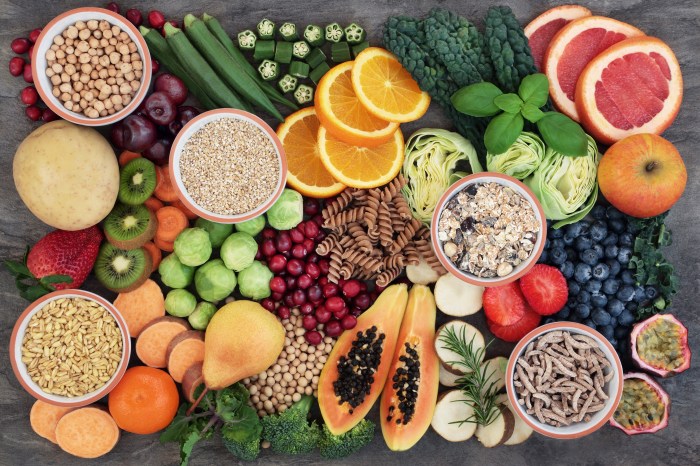
  • Fruit Salad:Combine different fruits like berries, melon, and citrus fruits for a refreshing and nutritious snack.
  • Vegetable Sticks:Cut vegetables like carrots, celery, and cucumbers into sticks and serve with hummus or guacamole.
  • Smoothies:Blend fruits and vegetables with yogurt, milk, or water for a quick and easy snack or meal replacement.
  • Fruit-Based Desserts:Use fruits like apples, pears, or bananas as a base for baked desserts like pies, crisps, or muffins.
  • Vegetable-Based Desserts:Incorporate vegetables like zucchini, carrots, or beets into cakes, brownies, or cookies for added nutrients and flavor.

Preparing and Storing Fruits and Vegetables

Proper preparation and storage are essential for maintaining the freshness and nutritional value of fruits and vegetables.

  • Washing:Wash fruits and vegetables thoroughly under running water before consuming or preparing them.
  • Storing:Store fruits and vegetables in the refrigerator or a cool, dry place. Some fruits, like bananas, ripen better at room temperature.
  • Freezing:Freeze fruits and vegetables to preserve them for longer periods. Blanching vegetables before freezing helps retain their texture and nutrients.

Physical Activity and Lifestyle Factors

Physical activity is crucial for maintaining overall health and well-being.

  • Regular Exercise:Aim for at least 150 minutes of moderate-intensity aerobic activity or 75 minutes of vigorous-intensity aerobic activity per week.
  • Strength Training:Include strength training exercises at least twice a week to build muscle mass and improve bone density.
  • Sleep:Aim for 7-8 hours of quality sleep per night. Sleep is essential for physical and mental recovery.
  • Stress Management:Practice stress management techniques like yoga, meditation, or deep breathing exercises.

Related Concepts

A balanced diet, rich in fruits and vegetables, is not just about fueling your body; it’s a foundation for overall well-being, encompassing physical fitness, disease prevention, and mental health.

Physical Fitness and Balanced Diet

A balanced diet provides the necessary nutrients to support physical activity. Fruits and vegetables are packed with vitamins, minerals, and fiber, which contribute to energy production, muscle recovery, and overall physical performance. For example, iron from leafy greens is essential for red blood cell production, which carries oxygen to muscles.

Disease Prevention and Balanced Diet

A diet abundant in fruits and vegetables is a cornerstone of disease prevention. These foods are rich in antioxidants, which combat free radicals that damage cells and contribute to chronic diseases. For instance, studies have shown that a diet high in fruits and vegetables is linked to a lower risk of heart disease, stroke, type 2 diabetes, and certain cancers.

Preventive Care and Regular Checkups

While a balanced diet is crucial, it’s equally important to engage in preventive care. Regular checkups with healthcare professionals help detect health issues early, allowing for timely intervention and improving treatment outcomes. For instance, routine blood tests can monitor cholesterol levels, indicating the risk of heart disease, while mammograms can detect breast cancer in its early stages.

Mental Health and Balanced Diet

The connection between diet and mental health is increasingly recognized. Fruits and vegetables contain nutrients that support brain function and mood regulation. For instance, omega-3 fatty acids found in fatty fish, walnuts, and flaxseeds are known to improve cognitive function and reduce the risk of depression.

Final Wrap-Up

By incorporating fruits and vegetables into your diet, you’re taking a proactive step towards a healthier, more vibrant life. Remember, it’s not about perfection but about progress. Start with small changes and gradually increase your intake. Experiment with new recipes, explore seasonal produce, and most importantly, enjoy the delicious and nourishing benefits of a balanced diet.

Detailed FAQs

What are some easy ways to add fruits and vegetables to my breakfast?

Start your day with a smoothie packed with fruits and leafy greens. You can also add sliced fruit to your oatmeal or yogurt, or enjoy a breakfast bowl with chopped vegetables and a poached egg.

How can I make vegetables more appealing to my kids?

Get creative with presentation! Cut vegetables into fun shapes, serve them with dips like hummus or guacamole, or incorporate them into dishes like pasta or pizza.

Is it better to eat fresh, frozen, or canned fruits and vegetables?

Fresh produce is ideal, but frozen and canned options can be just as nutritious. Choose low-sodium canned options and opt for frozen fruits and vegetables without added sugars.

What are some tips for making healthy snack choices?

Keep a bowl of fresh fruit on hand, pack vegetable sticks with hummus, or enjoy a handful of nuts and seeds. These snacks provide essential nutrients and keep you feeling satisfied between meals.


Boost Immunity: Best Foods for Healthy Eating

Best foods for healthy eating to boost immune system

Best foods for healthy eating to boost immune system – Boost Immunity: Best Foods for Healthy Eating – Our immune system is our body’s natural defense against illness, and a strong immune system is crucial for maintaining overall health and well-being. A balanced diet plays a pivotal role in supporting a robust immune response, ensuring our bodies are equipped to fight off infections and diseases.

By incorporating a variety of nutrient-rich foods into our daily meals, we can provide our bodies with the essential building blocks they need to function optimally. This article will explore the key foods and dietary strategies that can help strengthen our immune system and promote a healthy lifestyle.

The Importance of a Balanced Diet for Immunity

Your immune system is your body’s defense against infections and diseases. A healthy immune system is crucial for protecting you from various illnesses. While many factors contribute to a strong immune system, one of the most important is a balanced diet.

The Connection Between Diet and Immunity

A balanced diet provides your body with the essential nutrients it needs to function optimally, including those that support your immune system. These nutrients include vitamins, minerals, and antioxidants, which play crucial roles in various immune processes.

Nutrient Deficiencies and Weakened Immunity

When your body lacks essential nutrients, your immune system can become compromised. This can make you more susceptible to infections and diseases. For example, a deficiency in vitamin C can impair the production of white blood cells, which are essential for fighting infections.

Similarly, a lack of zinc can hinder the function of immune cells and make it difficult for your body to respond effectively to pathogens.

Foods for a Balanced Diet and Optimal Immune Function

Here are some examples of foods that contribute to a balanced diet and support a strong immune system:

  • Fruits and vegetables:Rich in vitamins, minerals, and antioxidants, these foods provide essential nutrients that support immune function. Examples include citrus fruits (oranges, grapefruits), berries (strawberries, blueberries), leafy greens (spinach, kale), and bell peppers.
  • Whole grains:Provide fiber, which supports a healthy gut microbiome, which is essential for a robust immune system. Examples include brown rice, quinoa, oats, and whole-wheat bread.
  • Lean protein:Important for building and repairing tissues, including those involved in immune responses. Examples include poultry, fish, beans, lentils, and tofu.
  • Healthy fats:Provide essential fatty acids that are crucial for immune cell function. Examples include olive oil, avocados, nuts, and seeds.
  • Probiotics:These live bacteria are beneficial for gut health and immune function. Examples include yogurt, kefir, sauerkraut, and kimchi.

Essential Nutrients for Immune Boosting

A strong immune system relies on a variety of nutrients to function optimally. These essential building blocks support the development and activity of immune cells, ensuring your body can effectively fight off infections and maintain overall health.

Vitamins

Vitamins are organic compounds that are essential for various bodily functions, including immune responses.

  • Vitamin C: This potent antioxidant helps boost the production of white blood cells, which are crucial for fighting infections. It also aids in the production of collagen, a protein that supports the integrity of tissues and blood vessels.
    • Food Sources: Citrus fruits (oranges, lemons, grapefruits), berries (strawberries, blueberries), kiwi, bell peppers, broccoli, spinach.

  • Vitamin D: This vitamin plays a vital role in regulating immune responses and reducing inflammation. It also supports the production of antimicrobial peptides, which help fight infections.
    • Food Sources: Fatty fish (salmon, tuna, mackerel), egg yolks, fortified milk and yogurt, mushrooms.

  • Vitamin E: Another powerful antioxidant, Vitamin E helps protect cells from damage caused by free radicals, which can weaken the immune system. It also supports the function of natural killer cells, which are important for eliminating infected or cancerous cells.
    • Food Sources: Nuts (almonds, hazelnuts, peanuts), seeds (sunflower seeds, pumpkin seeds), vegetable oils (olive oil, sunflower oil), leafy green vegetables (spinach, kale).

  • Vitamin A: This vitamin is essential for maintaining healthy mucous membranes, which act as a barrier against infections. It also supports the production of white blood cells and helps regulate immune responses.
    • Food Sources: Sweet potatoes, carrots, spinach, kale, liver, dairy products.

  • Vitamin B6: This vitamin is involved in the production of antibodies, which are proteins that help fight infections. It also supports the development and function of immune cells.
    • Food Sources: Chicken, fish, potatoes, bananas, chickpeas, spinach.
  • Vitamin B9 (Folate): Folate is crucial for DNA synthesis and cell division, processes that are essential for immune cell development and function.
    • Food Sources: Leafy green vegetables (spinach, kale), legumes (beans, lentils), fortified cereals, citrus fruits.
  • Vitamin B12: This vitamin is essential for the production of red blood cells, which carry oxygen throughout the body. It also plays a role in immune cell function and the production of myelin, a protective sheath around nerve fibers.
    • Food Sources: Meat, poultry, fish, eggs, dairy products, fortified cereals.

Minerals

Minerals are inorganic elements that are essential for a wide range of bodily functions, including immune responses.

  • Zinc: This mineral plays a crucial role in immune cell development and function. It also supports the production of white blood cells and helps regulate inflammation.
    • Food Sources: Oysters, red meat, poultry, beans, nuts, seeds, whole grains.
  • Selenium: Selenium is a powerful antioxidant that helps protect cells from damage caused by free radicals. It also supports the function of the immune system by promoting the production of antibodies.
    • Food Sources: Brazil nuts, tuna, salmon, eggs, whole grains, sunflower seeds.

  • Iron: Iron is essential for the production of red blood cells, which carry oxygen to the immune cells. It also plays a role in the production of white blood cells.
    • Food Sources: Red meat, poultry, fish, beans, lentils, spinach, fortified cereals.

  • Copper: Copper is involved in the production of white blood cells and helps regulate immune responses. It also plays a role in the production of collagen, which supports the integrity of tissues and blood vessels.
    • Food Sources: Shellfish, liver, nuts, seeds, whole grains, legumes.

  • Magnesium: Magnesium is essential for over 300 enzymatic reactions in the body, including those involved in immune function. It also helps regulate inflammation and supports the production of white blood cells.
    • Food Sources: Dark leafy green vegetables (spinach, kale), almonds, avocado, black beans, dark chocolate.

Superfoods for Immune Support

Superfoods are nutrient-rich foods that offer significant health benefits. They are packed with antioxidants, vitamins, minerals, and other beneficial compounds that can help strengthen your immune system and protect your body from disease.

Fruits and Vegetables

Fruits and vegetables are essential for a healthy immune system. They are rich in vitamins, minerals, and antioxidants that help fight off infections and inflammation.

  • Citrus fruits(oranges, grapefruits, lemons, limes): Citrus fruits are excellent sources of vitamin C, a powerful antioxidant that helps boost the immune system. Vitamin C helps the body produce white blood cells, which are essential for fighting off infections.
  • Berries(strawberries, blueberries, raspberries, blackberries): Berries are packed with antioxidants, including vitamin C and anthocyanins, which help protect cells from damage caused by free radicals. They also have anti-inflammatory properties that can help reduce the risk of chronic diseases.
  • Broccoli: Broccoli is a cruciferous vegetable that is rich in vitamin C, vitamin A, and sulforaphane, a compound that has been shown to have anti-cancer and immune-boosting properties.
  • Garlic: Garlic contains allicin, a compound that has been shown to have antimicrobial and antiviral properties. It also helps boost the immune system by increasing the production of white blood cells.
  • Ginger: Ginger has anti-inflammatory properties that can help reduce inflammation and boost the immune system. It also has antiviral and antibacterial properties that can help fight off infections.
  • Spinach: Spinach is a good source of vitamin C, vitamin A, and folate, all of which are essential for a healthy immune system.

Nuts and Seeds

Nuts and seeds are excellent sources of healthy fats, protein, and fiber. They also contain essential vitamins and minerals that support a healthy immune system.

  • Almonds: Almonds are rich in vitamin E, a powerful antioxidant that helps protect cells from damage caused by free radicals. They also contain zinc, which is essential for immune function.
  • Walnuts: Walnuts are a good source of omega-3 fatty acids, which have anti-inflammatory properties that can help reduce the risk of chronic diseases. They also contain melatonin, a hormone that helps regulate sleep and may have immune-boosting properties.
  • Sunflower seeds: Sunflower seeds are a good source of vitamin E, selenium, and magnesium, all of which are essential for immune function.
  • Pumpkin seeds: Pumpkin seeds are rich in zinc, which is essential for immune function. They also contain magnesium, which helps regulate blood sugar levels and may have anti-inflammatory properties.

Other Superfoods

In addition to fruits, vegetables, nuts, and seeds, there are other superfoods that can help boost your immune system.

  • Yogurt: Yogurt is a good source of probiotics, which are live bacteria that can help improve gut health. A healthy gut microbiome is essential for a strong immune system.
  • Green tea: Green tea contains catechins, a type of antioxidant that has been shown to have anti-inflammatory and immune-boosting properties.
  • Turmeric: Turmeric contains curcumin, a compound that has been shown to have anti-inflammatory and antioxidant properties. It may also help boost the immune system by reducing inflammation and protecting cells from damage.
  • Echinacea: Echinacea is an herb that has been traditionally used to boost the immune system. It is thought to work by stimulating the production of white blood cells.
  • Elderberry: Elderberry is a fruit that has been shown to have antiviral properties. It may also help reduce the duration of colds and flu.

Foods to Avoid for Optimal Immunity

While focusing on nutrient-rich foods is crucial for a robust immune system, it’s equally important to be mindful of certain foods that can negatively impact immune function. These foods can suppress immune responses, increase inflammation, or contribute to an imbalance in gut bacteria, all of which can compromise your body’s ability to fight off infections.

Foods High in Added Sugar

Excessive sugar consumption can significantly weaken your immune system. Sugar, particularly refined sugar, has been shown to suppress the activity of immune cells, making it harder for your body to fight off infections.

“Sugar is a potent immune suppressant,” says Dr. David Perlmutter, a renowned neurologist and author. “It can impair the function of white blood cells, which are essential for fighting off infections.”

In addition, high sugar intake can lead to chronic inflammation, a state that can weaken your immune system and make you more susceptible to illness.

Processed Foods

Processed foods are often high in unhealthy fats, added sugars, and sodium, all of which can negatively impact immune function. These foods are typically low in essential nutrients and can contribute to inflammation and oxidative stress, both of which can weaken the immune system.

Foods High in Saturated and Trans Fats

Saturated and trans fats, found in red meat, butter, and processed foods, can increase inflammation and oxidative stress, both of which can suppress immune function.

“Consuming excessive amounts of saturated and trans fats can increase the risk of chronic diseases like heart disease and diabetes, both of which can further compromise the immune system,” explains Dr. William Li, a physician and researcher.

These fats can also interfere with the production of antibodies, which are crucial for fighting off infections.

Alcohol

Excessive alcohol consumption can significantly impair immune function. Alcohol can suppress the activity of immune cells, making it harder for your body to fight off infections. It can also damage the gut lining, which is essential for maintaining a healthy immune system.

Foods with High Histamine Levels

Histamine is a chemical that plays a role in allergic reactions and inflammation. While some histamine is necessary for immune function, high levels can contribute to inflammation and allergy symptoms, potentially weakening the immune system. Foods high in histamine include:

  • Aged cheeses
  • Fermented foods like sauerkraut and kimchi
  • Smoked and cured meats
  • Wine and beer
  • Tuna and mackerel

Hydration and Immune Health

Water is essential for life, and it plays a crucial role in maintaining a healthy immune system. Adequate hydration is vital for various bodily functions, including immune responses.

Importance of Hydration for Immune Function

Water is the primary component of blood, which carries immune cells throughout the body. These cells, such as lymphocytes and macrophages, are responsible for fighting off infections and diseases. When you are properly hydrated, your immune cells can effectively circulate and perform their duties.

Furthermore, hydration is crucial for the production of lymph, a fluid that carries immune cells and waste products. Lymph helps to remove toxins and pathogens from the body, contributing to overall immune health.

Dehydration and Immune System Compromise

Dehydration can significantly compromise your immune system, making you more susceptible to infections. When you are dehydrated, your blood volume decreases, leading to a reduction in the number of immune cells circulating in your body. This can impair the immune system’s ability to respond effectively to infections.

Dehydration also affects the production of lymph, reducing its ability to remove toxins and pathogens. Moreover, dehydration can increase inflammation, making the body more vulnerable to infections.

Staying Properly Hydrated Throughout the Day, Best foods for healthy eating to boost immune system

It is essential to stay hydrated throughout the day to maintain optimal immune function. Here’s a guide on how to achieve adequate hydration:

  • Drink Water Regularly:Aim to drink water consistently throughout the day, even when you are not thirsty. A good guideline is to drink eight glasses of water per day.
  • Carry a Water Bottle:Keep a reusable water bottle with you at all times and refill it regularly.
  • Eat Water-Rich Foods:Include fruits and vegetables such as watermelon, cucumber, and spinach in your diet. These foods are naturally hydrating and provide essential nutrients.
  • Limit Sugary Drinks:Avoid sugary drinks like soda and juice, as they can dehydrate you.
  • Listen to Your Body:Pay attention to your thirst signals and drink water accordingly.

Lifestyle Factors that Influence Immunity

Best foods for healthy eating to boost immune system

Your lifestyle choices play a significant role in maintaining a strong immune system. While a balanced diet is crucial, factors like sleep, stress, and exercise also have a profound impact on your body’s ability to fight off infections.

Sleep and Immune Function

Getting enough sleep is essential for a healthy immune system. During sleep, your body produces proteins called cytokines that help regulate inflammation and fight infection. Sleep deprivation, on the other hand, can suppress your immune response, making you more susceptible to illness.

  • Aim for 7-8 hours of quality sleep each night.Establish a regular sleep schedule, create a relaxing bedtime routine, and optimize your sleep environment for a restful night’s sleep.
  • Avoid caffeine and alcohol before bed.These substances can interfere with your sleep cycle.
  • Expose yourself to sunlight during the day.This helps regulate your body’s natural sleep-wake cycle.

Stress and Immune Function

Chronic stress can weaken your immune system. When you’re stressed, your body releases hormones like cortisol, which can suppress immune cells and make you more vulnerable to infections.

  • Practice stress-reducing techniques like yoga, meditation, or deep breathing exercises.These activities can help calm your mind and body.
  • Engage in activities you enjoy.Hobbies, spending time with loved ones, or pursuing your passions can help reduce stress levels.
  • Seek professional help if you’re struggling to manage stress.A therapist can provide you with coping strategies and support.

Exercise and Immune Function

Regular exercise has numerous benefits for your immune system. It helps improve blood circulation, boost your immune cells, and reduce inflammation. However, excessive exercise can suppress your immune system, so it’s important to find a balance.

  • Aim for at least 30 minutes of moderate-intensity exercise most days of the week.This could include brisk walking, jogging, swimming, or cycling.
  • Listen to your body and avoid overtraining.If you’re feeling unwell, take a break from exercise.
  • Warm up before exercising and cool down afterward.This helps prevent injuries and promotes recovery.

Food Preparation Techniques for Immune Boosting

The way you prepare your food can significantly impact its nutrient content and, in turn, your immune health. Different cooking methods can alter the composition of vitamins, minerals, and antioxidants, affecting their bioavailability and effectiveness in boosting your immune system.

Understanding the nuances of food preparation can empower you to make informed choices that maximize the immune-boosting potential of your meals.

Cooking Methods and Nutrient Retention

Various cooking methods influence the nutritional value of food.

  • Steaming: This method gently cooks food using the steam from boiling water, preserving vitamins, minerals, and antioxidants. It’s a particularly good choice for delicate vegetables like broccoli and spinach.
  • Boiling: While boiling can be a quick and efficient cooking method, it can lead to some nutrient loss, especially water-soluble vitamins like vitamin C and B vitamins.
  • Sautéing: This method uses a small amount of oil over high heat, allowing for quick cooking while preserving some nutrients. However, prolonged sautéing can lead to nutrient loss.
  • Roasting: Roasting food in an oven at a moderate temperature helps retain nutrients, especially fat-soluble vitamins like vitamin A and E.
  • Microwaving: Microwaving can be a convenient way to cook food, but it can lead to nutrient loss, especially in vegetables.

Practical Tips for Nutrient-Rich Cooking

  • Use minimal water: When boiling vegetables, use a minimal amount of water to reduce nutrient loss.
  • Cook vegetables quickly: Avoid overcooking vegetables, as it can degrade their nutrients.
  • Steam or stir-fry: These methods are generally considered more nutrient-preserving than boiling or frying.
  • Use a pressure cooker: Pressure cookers can cook food quickly and efficiently while retaining nutrients.
  • Avoid adding too much salt: Excessive salt intake can negatively impact immune function.
  • Minimize oil use: While some oil is necessary for cooking, using minimal amounts can help reduce the intake of unhealthy fats.

Holistic Wellness and Immune Function

Your immune system is a complex network that safeguards your body against infections and diseases. While proper nutrition plays a crucial role in immune health, a holistic approach that encompasses mental, emotional, and environmental factors can significantly enhance its effectiveness.

The Interplay Between Holistic Wellness and Immunity

Holistic wellness recognizes the interconnectedness of your physical, mental, and emotional well-being. This interconnectedness extends to your immune system, as research suggests that a healthy mind and spirit can contribute to a robust immune response. When you prioritize holistic wellness, you create an environment that fosters optimal immune function.

Mental Health and Immune Function

Chronic stress, anxiety, and depression can have a detrimental impact on your immune system. When you’re stressed, your body releases hormones like cortisol, which can suppress immune cell activity, making you more susceptible to infections.

Emotional Well-being and Immune Health

Positive emotions like happiness, gratitude, and optimism have been linked to a stronger immune system. Conversely, negative emotions like anger, sadness, and fear can weaken your immune defenses.

Environmental Factors and Immunity

Your environment plays a crucial role in your overall health and immunity. Factors like air quality, exposure to toxins, and sleep quality can significantly influence your immune function.

Incorporating Holistic Practices for Immune Support

Here are some recommendations for incorporating holistic practices into your daily life to enhance your immune health:

  • Mindfulness and Meditation:Practicing mindfulness and meditation can help manage stress, reduce anxiety, and promote emotional well-being, all of which contribute to a stronger immune system.
  • Yoga and Exercise:Regular physical activity, such as yoga or moderate-intensity exercise, can boost your immune function by improving circulation, reducing stress, and promoting sleep.
  • Adequate Sleep:Aim for 7-8 hours of quality sleep each night. During sleep, your body repairs and rejuvenates itself, including your immune system.
  • Spending Time in Nature:Spending time outdoors in nature has been shown to reduce stress, improve mood, and boost your immune system.
  • Social Connections:Strong social connections provide emotional support and reduce stress, which can enhance your immune function.

Common Myths and Misconceptions about Immunity

While everyone is eager to strengthen their immune system, many common myths and misconceptions can lead to misguided choices. It’s essential to rely on credible scientific evidence and expert advice to make informed decisions about your health.

Debunking Common Myths

Let’s dispel some common myths about immunity:

  • Myth:Eating a single “magic” food can boost your immunity. Fact:A balanced diet rich in various fruits, vegetables, and whole grains provides the essential nutrients your immune system needs. There’s no single food that can magically boost immunity.
  • Myth:Taking high doses of vitamins and supplements can significantly strengthen your immune system. Fact:While some vitamins and minerals are essential for immune function, excessive intake can have adverse effects. It’s crucial to consult with a healthcare professional to determine the appropriate dosage for your needs.

  • Myth:Sugar weakens your immune system. Fact:While excessive sugar consumption can contribute to chronic inflammation, which may impact immune function, it’s not a direct cause of immune weakness. A balanced diet with moderate sugar intake is key.
  • Myth:Cold weather weakens your immune system. Fact:Cold weather doesn’t directly weaken your immune system. It’s the increased exposure to viruses and bacteria during the winter months that contributes to a higher risk of illness.
  • Myth:Antibiotics can boost your immune system. Fact:Antibiotics are designed to fight bacterial infections, not to strengthen your immune system. Overuse of antibiotics can lead to antibiotic resistance.

The Importance of Credible Sources

It’s crucial to rely on credible sources of information about immunity. Reputable sources include:

  • Scientific Journals:Publications like the Journal of Immunology and the American Journal of Clinical Nutrition provide peer-reviewed research on immune function.
  • Government Health Organizations:Agencies like the Centers for Disease Control and Prevention (CDC) and the World Health Organization (WHO) offer reliable health information.
  • Professional Medical Associations:Organizations like the American Academy of Pediatrics and the American Medical Association provide evidence-based guidelines for health.
  • Registered Dietitians and Nutritionists:These professionals can provide personalized dietary advice based on your needs.

Building a Sustainable Immune-Boosting Diet

Adopting a sustainable immune-boosting diet doesn’t mean drastic changes overnight. It’s about gradual, enjoyable shifts that support your long-term health and well-being. This approach focuses on incorporating nutrient-rich foods into your daily meals, creating a balanced and flavorful eating pattern that you can maintain for the long haul.

Creating a Personalized Diet Plan

A sustainable diet plan is one that aligns with your individual preferences, lifestyle, and cultural background.

  • Start with a Food Diary:Keep track of what you eat for a week, noting portion sizes and meal timings. This provides a realistic picture of your current eating habits, making it easier to identify areas for improvement.
  • Gradual Changes:Instead of overhauling your diet drastically, start with small, achievable goals. For instance, replace sugary drinks with water or add a serving of fruit to your breakfast.
  • Focus on Variety:Include a wide range of fruits, vegetables, whole grains, lean proteins, and healthy fats in your diet. This ensures you’re getting a diverse array of nutrients essential for immune function.
  • Mindful Eating:Pay attention to your hunger and fullness cues. Eating slowly and savoring each bite can enhance your enjoyment of food and prevent overeating.
  • Plan Ahead:Prepare meals and snacks in advance to avoid reaching for unhealthy options when you’re short on time.

Incorporating Immune-Boosting Foods

Here are some practical tips for seamlessly integrating immune-boosting foods into your daily meals:

  • Add a Colorful Rainbow:Aim for a variety of fruits and vegetables in different colors. Each hue offers unique antioxidants and nutrients.
  • Boost Your Breakfast:Start your day with a bowl of oatmeal topped with berries and nuts, or a smoothie packed with spinach, banana, and Greek yogurt.
  • Snack Smart:Opt for nutrient-dense snacks like almonds, grapes, or a handful of baby carrots.
  • Spice It Up:Incorporate spices like ginger, garlic, turmeric, and cinnamon, known for their anti-inflammatory and immune-boosting properties.
  • Experiment with Herbs:Add fresh herbs like basil, parsley, and oregano to salads, soups, and stir-fries.

Healthy Immune-Boosting Recipes

Here are some delicious and easy recipes that highlight immune-boosting ingredients:

  • Ginger-Garlic Stir-Fry:Combine chopped ginger, garlic, broccoli, carrots, and your favorite protein (chicken, tofu, or shrimp) in a wok with a splash of soy sauce and sesame oil.
  • Turmeric Golden Milk:Blend warm milk with turmeric, cinnamon, and a touch of honey. This soothing drink can help reduce inflammation and boost immunity.
  • Berry-Spinach Smoothie:Combine frozen berries, spinach, banana, and a splash of almond milk for a nutrient-packed breakfast or snack.
  • Salmon with Roasted Vegetables:Bake salmon with a medley of colorful vegetables like bell peppers, zucchini, and onions.
  • Chicken Soup with Immune-Boosting Herbs:Make a classic chicken soup with added ginger, garlic, and turmeric for a comforting and immune-boosting meal.

Ultimate Conclusion: Best Foods For Healthy Eating To Boost Immune System

In conclusion, a balanced diet rich in immune-boosting foods is essential for maintaining a strong immune system. By incorporating a variety of fruits, vegetables, whole grains, lean proteins, and healthy fats into our daily meals, we can provide our bodies with the nutrients they need to fight off infections and diseases.

Additionally, staying hydrated, managing stress, getting enough sleep, and engaging in regular exercise can further enhance immune function. Remember, a healthy lifestyle is a holistic approach that encompasses both nutrition and other crucial aspects of well-being.

Frequently Asked Questions

What are some easy ways to incorporate immune-boosting foods into my daily meals?

You can easily add immune-boosting foods to your diet by:

– Starting your day with a smoothie containing fruits like berries and leafy greens.

– Adding a handful of nuts and seeds to your yogurt or oatmeal.

– Including a colorful salad with various vegetables at lunch.

– Opting for lean protein sources like fish, chicken, or beans for dinner.

Are there any specific foods I should avoid to boost my immune system?

While there’s no single food that directly weakens your immune system, limiting processed foods, sugary drinks, and excessive amounts of saturated and trans fats can contribute to a healthier overall diet and support your immune function.

How much water should I drink daily for optimal immune health?

Aim for 8 glasses of water per day, but individual needs may vary depending on factors like activity level and climate. Listen to your body and drink when you feel thirsty.

Role of nutrition in managing chronic diseases: A Key to Health

Role of nutrition in managing chronic diseases

Role of Nutrition in Managing Chronic Diseases

Nutrition plays a crucial role in managing chronic diseases by influencing various aspects of our health. The connection between nutrition and chronic diseases is evident, as poor dietary choices can exacerbate symptoms and lead to the progression of certain conditions.

Examples of Chronic Diseases Managed Through Nutrition

  • Diabetes: Proper management of carbohydrate intake and monitoring blood sugar levels can help control diabetes.
  • Heart Disease: A diet low in saturated fats and high in fruits, vegetables, and whole grains can reduce the risk of heart disease.
  • Hypertension: Limiting sodium intake and consuming foods rich in potassium can help manage hypertension.

Impact of a Balanced Diet on Preventing and Managing Chronic Conditions

A balanced diet, rich in nutrients such as vitamins, minerals, antioxidants, and fiber, can help prevent the onset of chronic diseases and manage existing conditions. By providing the body with essential nutrients, a balanced diet supports overall health and strengthens the immune system, reducing the risk of complications associated with chronic diseases.

Specific Nutrients for Managing Symptoms of Chronic Diseases

  • Omega-3 Fatty Acids: Found in fatty fish, flaxseeds, and walnuts, omega-3 fatty acids have anti-inflammatory properties that can help reduce inflammation in conditions like arthritis.
  • Vitamin D: Essential for bone health, vitamin D can also play a role in managing symptoms of autoimmune diseases like multiple sclerosis.
  • Fiber: Found in fruits, vegetables, and whole grains, fiber can aid in digestion and help regulate blood sugar levels in conditions like diabetes.

Mental Wellness

Role of nutrition in managing chronic diseases
Proper nutrition plays a crucial role in maintaining mental well-being. The food we eat can significantly impact our mood, cognitive function, and overall mental health.

Nutrition and Mental Health

A balanced diet rich in nutrients like vitamins, minerals, and antioxidants is essential for supporting brain function and mental well-being. Certain foods have been found to have a positive impact on mental health due to their nutrient content.

  • Fatty Fish: Fish like salmon, mackerel, and sardines are high in omega-3 fatty acids, which are important for brain health and can help reduce symptoms of depression and anxiety.
  • Leafy Greens: Vegetables like spinach, kale, and broccoli are rich in vitamins and minerals that support cognitive function and may help reduce the risk of mental health disorders.
  • Nuts and Seeds: Almonds, walnuts, chia seeds, and flaxseeds are good sources of healthy fats, vitamins, and minerals that can benefit brain health and improve mood.

Omega-3 Fatty Acids and Mental Well-Being

Omega-3 fatty acids are essential fats that play a key role in brain function and mental health. These fats are found in high amounts in fatty fish, flaxseeds, chia seeds, and walnuts. Research suggests that omega-3 fatty acids may help reduce symptoms of depression, anxiety, and other mental health conditions by supporting neurotransmitter function and reducing inflammation in the brain.

Physical Fitness

Proper nutrition is essential for achieving and maintaining physical fitness. The food we consume provides the energy and nutrients needed to support our physical activities and overall health.

Role of Nutrition in Physical Fitness

Nutrition plays a crucial role in physical fitness by providing the necessary fuel for exercise and supporting muscle growth and recovery. A well-balanced diet consisting of carbohydrates, proteins, fats, vitamins, and minerals is essential for optimal performance.

  • Carbohydrates: Carbohydrates are the body’s primary source of energy, especially during high-intensity exercise. Including complex carbohydrates like whole grains, fruits, and vegetables in your diet can help sustain energy levels during workouts.
  • Proteins: Proteins are important for muscle repair and growth. Foods rich in lean protein such as chicken, fish, tofu, and legumes can help maintain muscle mass and support recovery after exercise.
  • Fats: Healthy fats are necessary for overall health and can provide sustained energy during endurance activities. Incorporating sources of unsaturated fats like nuts, seeds, and avocado can benefit physical performance.
  • Vitamins and Minerals: Essential vitamins and minerals play a key role in various bodily functions, including metabolism and muscle function. Consuming a variety of fruits, vegetables, and whole grains can help meet these nutrient needs.

Hydration and Nutrition for Physical Fitness

Hydration is closely linked to nutrition when it comes to physical fitness. Proper hydration is essential for regulating body temperature, transporting nutrients, and maintaining performance during exercise. It is important to drink an adequate amount of water before, during, and after physical activity to prevent dehydration and optimize performance.

Remember, fueling your body with the right nutrients and staying properly hydrated are key components of achieving and sustaining physical fitness.

Healthy Eating

Maintaining a healthy diet is crucial for overall well-being and managing chronic diseases. A balanced and nutritious diet can provide essential nutrients to support the body’s functions and help prevent various health conditions.

Components of a Healthy Diet

  • Include a variety of fruits and vegetables to ensure intake of essential vitamins, minerals, and antioxidants.
  • Incorporate whole grains like brown rice, quinoa, and whole wheat bread for fiber, energy, and nutrients.
  • Choose lean protein sources such as poultry, fish, beans, and nuts to support muscle growth and repair.
  • Incorporate healthy fats like avocados, olive oil, and nuts for heart health and brain function.
  • Avoid processed foods high in added sugars, salt, and unhealthy fats to reduce the risk of chronic diseases.

Benefits of Whole Foods

Whole foods, which are minimally processed and close to their natural state, offer numerous benefits:

  • Higher nutrient content compared to processed foods, providing essential vitamins, minerals, and antioxidants.
  • Fiber content in whole foods supports digestion, promotes satiety, and helps regulate blood sugar levels.
  • Lower risk of chronic diseases such as heart disease, diabetes, and certain cancers due to the absence of harmful additives.
  • Improved overall health and well-being, including better energy levels, mood, and cognitive function.

Tips for Maintaining a Balanced Diet

  • Plan your meals ahead of time to ensure a variety of nutrients and prevent impulsive unhealthy choices.
  • Practice portion control to avoid overeating and maintain a healthy weight.
  • Stay hydrated by drinking an adequate amount of water throughout the day.
  • List down your weekly grocery items and stick to your list to avoid unnecessary purchases.

Meal Planning for Healthy Eating, Role of nutrition in managing chronic diseases

Meal planning can help you make healthier choices and save time and money. Consider the following tips:

  • Choose recipes that include a balance of protein, carbohydrates, and fats for a well-rounded meal.
  • Prepare meals in advance and portion them out to avoid relying on convenience foods or takeout.
  • Include a variety of colors in your meals by incorporating different fruits and vegetables for a wide range of nutrients.
  • Experiment with new ingredients and recipes to keep your meals exciting and prevent boredom with your diet.

Preventive Care

Proper nutrition plays a crucial role in preventive care against chronic diseases. By making healthy food choices and maintaining a balanced diet, individuals can significantly reduce their risk of developing various health conditions.

Role of Antioxidants

Antioxidants are essential compounds that help protect the body against illnesses by neutralizing harmful free radicals. These free radicals can cause oxidative stress, leading to cell damage and increasing the risk of chronic diseases such as cancer and heart disease. Consuming foods rich in antioxidants can help combat these effects and support overall health.

  • Berries: Blueberries, strawberries, and raspberries are excellent sources of antioxidants such as vitamin C and flavonoids.
  • Leafy Greens: Spinach, kale, and Swiss chard are packed with antioxidants like vitamins A, C, and K.
  • Nuts and Seeds: Almonds, walnuts, and chia seeds contain antioxidants like vitamin E and selenium.

Immunity-Boosting Foods

A strong immune system is vital for preventing infections and diseases. Certain foods can help boost immunity and support preventive care by providing essential nutrients and vitamins that enhance immune function.

  • Citrus Fruits: Oranges, lemons, and grapefruits are rich in vitamin C, which is known to strengthen the immune system.
  • Garlic: Garlic contains allicin, a compound with immune-boosting properties that can help fight off infections.
  • Yogurt: Probiotics found in yogurt support gut health, which is closely linked to immune function.

Impact of Dietary Habits

Maintaining healthy dietary habits can play a significant role in preventing the onset of certain conditions such as obesity, diabetes, and cardiovascular diseases. By avoiding processed foods high in sugar, salt, and unhealthy fats, individuals can lower their risk of developing these chronic conditions.

Balanced Diet

A balanced diet refers to consuming the right amount of nutrients that your body needs to function properly. This includes a mix of carbohydrates, proteins, fats, vitamins, and minerals in the right proportions.

Importance of Consuming a Variety of Nutrients

Consuming a variety of nutrients is crucial for maintaining overall health and well-being. Each nutrient plays a unique role in the body, and deficiencies can lead to various health problems. For example, vitamin C is essential for a healthy immune system, while calcium is crucial for strong bones and teeth. By including a variety of nutrients in your diet, you can ensure that your body gets everything it needs to function optimally.

  • Include a colorful array of fruits and vegetables in your meals to get a wide range of vitamins and minerals.
  • Incorporate lean proteins such as chicken, fish, and legumes to meet your protein requirements.
  • Choose whole grains like brown rice, quinoa, and whole-wheat bread for fiber and essential nutrients.
  • Don’t forget healthy fats like avocados, nuts, and olive oil to support brain health and hormone production.

Remember, a balanced diet is not about restricting yourself, but rather about making informed choices that benefit your overall health.

Impact of a Balanced Diet on Health and Well-being

Consuming a balanced diet has numerous benefits for your health and well-being. It can help prevent chronic diseases such as heart disease, diabetes, and obesity. Additionally, a balanced diet can improve your energy levels, mood, and cognitive function. By fueling your body with the right nutrients, you can enhance your quality of life and reduce the risk of developing health issues in the future.

Regular Exercise

Regular exercise is a crucial component of a healthy lifestyle, and when combined with proper nutrition, it can optimize overall health and well-being. Nutrition plays a key role in supporting physical activity by providing the necessary fuel and nutrients for the body to perform at its best.

Role of Nutrition in Exercise

Proper nutrition is essential to complement regular exercise routines as it provides the energy needed to sustain physical activity and enhances performance. Before engaging in any workout, it is important to fuel the body with the right nutrients to ensure optimal performance and prevent fatigue.

  • Carbohydrates: Consuming complex carbohydrates like whole grains, fruits, and vegetables before a workout can provide a sustained source of energy.
  • Proteins: Including lean proteins such as chicken, fish, or legumes can help build and repair muscles during exercise.
  • Hydration: Staying hydrated by drinking water before and during exercise is crucial for maintaining performance and preventing dehydration.

Pre- and Post-Workout Nutrition

Pre-workout nutrition helps prepare the body for physical activity by providing the necessary energy and nutrients. Post-workout nutrition is equally important as it helps replenish glycogen stores, repair muscle tissue, and enhance recovery.

  • Pre-Workout: Consuming a balanced meal or snack with carbohydrates and proteins 1-2 hours before exercise can help optimize performance.
  • Post-Workout: Refueling with a combination of carbohydrates and proteins within 30 minutes to 1 hour after exercise can aid in muscle recovery and replenish energy stores.

Foods for Different Types of Exercises

The type of exercise can influence the nutritional needs of the body. Different activities may require specific nutrients to support performance and recovery.

  • Endurance Exercise: Consuming foods rich in carbohydrates like oatmeal, bananas, and whole grain bread can provide sustained energy for endurance activities.
  • Strength Training: Including protein-rich foods such as Greek yogurt, eggs, and lean meats can support muscle growth and repair after strength training workouts.
  • Flexibility and Balance: Hydration is key for exercises focused on flexibility and balance, along with incorporating nutrient-dense foods like nuts, seeds, and leafy greens for overall health.

Importance of Nutrient Replenishment

Replenishing nutrients post-exercise is essential for recovery, muscle repair, and overall well-being. Consuming a combination of carbohydrates, proteins, and fluids after a workout can help the body recover faster and prepare for the next physical activity.

Regular exercise, combined with proper nutrition, is a powerful duo that can improve physical fitness, mental wellness, and overall health. By understanding the role of nutrition in supporting exercise routines, individuals can optimize their performance and achieve their health goals more effectively.

Mental Health

Proper nutrition plays a crucial role in maintaining good mental health. The food we eat can directly impact our mood, cognition, and overall mental well-being. In this section, we will explore the connection between nutrition and mental health disorders, the role of specific nutrients in supporting mental health conditions, dietary patterns that promote mental well-being, and the fascinating gut-brain connection.

Nutrition and Mental Health Disorders

Research has shown that certain nutrients can have a significant impact on mental health disorders such as depression, anxiety, and schizophrenia. For example, omega-3 fatty acids found in fish oil have been linked to reduced symptoms of depression and improved brain function. Similarly, vitamin D deficiency has been associated with an increased risk of mood disorders.

Specific Nutrients for Mental Health

– Omega-3 fatty acids: Found in fatty fish, flaxseeds, and walnuts, these essential fats are crucial for brain health and can help alleviate symptoms of depression.
– Magnesium: Found in nuts, seeds, and leafy greens, magnesium plays a role in neurotransmitter function and can help reduce anxiety.
– Vitamin B12: Found in animal products, vitamin B12 is important for mood regulation and can help prevent mood disorders.

Dietary Patterns for Mental Well-being

Adopting a Mediterranean diet rich in fruits, vegetables, whole grains, nuts, and healthy fats has been associated with a lower risk of depression and anxiety. This diet provides essential nutrients and antioxidants that support brain health and promote overall well-being.

Gut-Brain Connection

The gut-brain connection refers to the bidirectional communication between the gut and the brain, highlighting the impact of gut health on mental health. A healthy gut microbiome is essential for the production of neurotransmitters like serotonin, which plays a key role in regulating mood and behavior. Consuming probiotic-rich foods like yogurt and fermented vegetables can support gut health and positively influence mental well-being.

Holistic Wellness

Role of nutrition in managing chronic diseases
Nutrition plays a crucial role in achieving holistic wellness by addressing the interconnectedness of physical, mental, and emotional well-being through diet. A holistic approach to nutrition considers not only the nutritional content of food but also how it impacts all aspects of health and wellness.

Benefits of Holistic Nutrition

  • Supports overall well-being: Consuming a variety of nutrient-dense foods can help maintain a healthy weight, boost energy levels, and improve mood.
  • Enhances mental clarity: Certain nutrients, such as omega-3 fatty acids and antioxidants, have been linked to improved cognitive function and reduced risk of mental health disorders.
  • Promotes emotional balance: Balanced meals can stabilize blood sugar levels, which in turn can help regulate mood and reduce stress levels.

Tips for Adopting a Holistic Approach

  • Eat whole foods: Focus on consuming whole, unprocessed foods like fruits, vegetables, whole grains, and lean proteins to maximize nutrient intake.
  • Stay hydrated: Drinking an adequate amount of water is essential for digestion, nutrient absorption, and overall well-being.
  • Practice mindful eating: Pay attention to hunger and fullness cues, savoring each bite, and eating without distractions to foster a healthy relationship with food.

Examples of Holistic Practices

  • Meal planning: Preparing balanced meals ahead of time ensures that you have nutritious options readily available, reducing the likelihood of unhealthy choices.
  • Mind-body exercises: Engaging in activities like yoga or tai chi can promote relaxation, reduce stress, and enhance overall well-being.
  • Herbal remedies: Incorporating herbs and spices known for their medicinal properties, such as turmeric or ginger, can provide additional health benefits.

Immunity Boosters

Role of nutrition in managing chronic diseases – Proper nutrition plays a crucial role in boosting the immune system and improving overall health. By incorporating certain vitamins, minerals, and antioxidants into your diet, you can strengthen your body’s defense mechanisms and ward off illnesses.

Role of Vitamins and Minerals

Vitamins and minerals are essential for supporting a healthy immune system. Vitamin C, for example, is known for its immune-boosting properties and can be found in citrus fruits, strawberries, and bell peppers. Zinc is another important mineral that helps regulate immune function and can be obtained from foods like lean meat, poultry, and legumes.

Immune-Boosting Foods

  • Citrus fruits: Oranges, grapefruits, and lemons are rich in vitamin C.
  • Leafy greens: Spinach, kale, and Swiss chard provide vitamins and antioxidants.
  • Yogurt: Probiotics in yogurt can help support gut health, which is linked to immune function.
  • Garlic: Contains compounds that have been shown to boost the immune system.

Importance of a Well-Rounded Diet

Consuming a variety of nutrient-rich foods is essential for maintaining a strong immune system. A well-rounded diet that includes fruits, vegetables, whole grains, lean proteins, and healthy fats can provide the necessary nutrients to support immune function and overall wellness.

FAQ Section

How does nutrition affect chronic diseases?

Nutrition plays a vital role in managing chronic diseases by providing essential nutrients that support the body’s functions and help in reducing symptoms and complications.

Can chronic diseases be completely cured through nutrition?

While nutrition can significantly improve the management of chronic diseases, complete cure may not always be possible. However, a healthy diet can play a crucial role in enhancing overall health and quality of life.

What are some common dietary choices that can help in managing chronic conditions?

Including more fruits, vegetables, whole grains, lean proteins, and healthy fats in your diet can aid in managing chronic diseases by providing essential nutrients and supporting overall health.

How can nutrition help in preventing chronic diseases?

Nutrition can act as a preventive measure against chronic diseases by boosting immunity, reducing inflammation, and providing antioxidants that protect the body from illnesses.

How to maintain holistic wellness during travel: Tips for Mental Wellness, Physical Fitness, Healthy Eating, and more

How to maintain holistic wellness during travel

Mental Wellness

Traveling can be a wonderful experience, but it can also be stressful and overwhelming at times. It is essential to prioritize your mental wellness during travel to ensure a positive and enjoyable trip.

Importance of Mental Wellness During Travel

Maintaining good mental health while traveling is crucial for overall well-being. Being in unfamiliar surroundings, dealing with language barriers, jet lag, and the stress of navigating new places can take a toll on your mental state. Neglecting your mental wellness can impact your physical health and enjoyment of the trip.

Tips for Maintaining a Positive Mindset

  • Practice mindfulness and stay present in the moment to fully experience your surroundings.
  • Engage in activities that bring you joy, such as exploring local culture, trying new foods, or immersing yourself in nature.
  • Stay connected with loved ones through video calls or messages to combat feelings of loneliness.
  • Set realistic expectations for your trip and be flexible when things don’t go as planned.

Strategies for Managing Stress and Anxiety

  • Include relaxation techniques in your daily routine, such as deep breathing exercises or yoga.
  • Plan ahead and organize your itinerary to reduce last-minute stressors.
  • Take breaks when needed and listen to your body’s signals for rest.
  • Seek support from travel companions or local resources if you feel overwhelmed or anxious.

Physical Fitness

Staying physically active while traveling is crucial for maintaining overall health and well-being. It not only helps in managing stress and boosting mood but also contributes to better sleep quality and increased energy levels during your trip.

Simple Exercises on the Road

  • Bodyweight exercises like squats, lunges, push-ups, and planks can be done in your hotel room or a nearby park.
  • Take a brisk walk or jog around the neighborhood or explore the city on foot to get some cardio in.
  • Stretching exercises like yoga poses or simple stretches can help improve flexibility and reduce muscle stiffness from long hours of sitting.

Incorporating Movement into Daily Travel Routines

How to maintain holistic wellness during travel – Make use of any opportunities to move your body throughout the day, such as taking the stairs instead of the elevator, walking to nearby attractions instead of taking transportation, or doing a quick workout in the morning to kickstart your day.

Healthy Eating

Eating nutritious meals while traveling can have numerous benefits for your overall well-being. Not only does it provide your body with the necessary nutrients to function properly, but it can also help maintain your energy levels, improve your mood, and support your immune system, which is especially important while on the go.

Benefits of Eating Nutritious Meals While Traveling

  • Provide essential vitamins and minerals for optimal health.
  • Boost energy levels to keep you active and alert throughout the day.
  • Support a healthy immune system to prevent illness while traveling.
  • Improve digestion and prevent discomfort or bloating.

Tips for Making Healthy Food Choices When Dining Out

  • Look for dishes that are grilled, steamed, or baked instead of fried.
  • Choose lean protein sources like chicken, fish, or tofu.
  • Opt for whole grains like brown rice, quinoa, or whole wheat bread.
  • Include plenty of fruits and vegetables in your meals for added nutrients and fiber.
  • Avoid sugary drinks and opt for water, herbal tea, or fresh juices instead.
  • Practice portion control to avoid overeating, especially with large restaurant servings.

Sample Meal Plan for Maintaining a Balanced Diet on the Go

Meal Food Choices
Breakfast Whole grain toast with avocado and poached eggs, a side of fresh fruit
Lunch Grilled chicken salad with mixed greens, cherry tomatoes, cucumbers, and balsamic vinaigrette
Snack Greek yogurt with honey and almonds
Dinner Grilled salmon with quinoa and roasted vegetables
Snack Vegetable sticks with hummus

Preventive Care

Traveling can expose individuals to various health risks, making preventive care essential to avoid any health issues during the trip. By taking proactive measures, travelers can ensure a safe and enjoyable experience while exploring new destinations.

Common Preventive Measures

  • Stay up to date on vaccinations: Before traveling, it is crucial to check if any specific vaccinations are required for your destination to prevent illnesses.
  • Practice good hygiene: Wash your hands frequently, especially before meals, to avoid picking up germs that can cause infections.
  • Pack a travel health kit: Include essential items such as medications, first aid supplies, insect repellent, and sunscreen to address any minor health concerns.
  • Stay hydrated: Drink plenty of water throughout your journey to prevent dehydration, especially in hot climates or during long flights.

Accessing Healthcare Services Abroad

  • Research healthcare options: Before your trip, familiarize yourself with the local healthcare facilities and services available in the area you will be visiting.
  • Consider travel insurance: Invest in travel insurance that covers medical emergencies to ensure you have access to quality healthcare without financial strain.
  • Seek recommendations: In case of illness or injury while abroad, ask locals or hotel staff for recommendations on reputable doctors or clinics for necessary medical attention.
  • Carry important documents: Keep a copy of your medical records, insurance information, and emergency contacts handy in case of unexpected health issues during your travels.

Balanced Diet

Maintaining a balanced diet is crucial for travelers to ensure optimal health and well-being on the go. A balanced diet consists of a variety of nutrient-dense foods that provide essential vitamins, minerals, and macronutrients to support overall wellness.

Nutrient-Rich Foods for Travelers

When planning meals while traveling, consider incorporating the following nutrient-rich foods into your diet:

  • Leafy green vegetables like spinach and kale, rich in vitamins A, C, and K.
  • Lean proteins such as chicken, fish, tofu, or legumes to support muscle health and energy levels.
  • Whole grains like quinoa, brown rice, and oats for sustained energy and fiber.
  • Healthy fats from sources like avocado, nuts, and olive oil to support brain function and heart health.
  • Fruits like berries, citrus fruits, and apples for a dose of antioxidants and vitamins.

Meal Planning for Variety

To ensure a well-rounded diet, aim to include foods from all food groups in your meals while traveling. Here are some tips for planning balanced meals:

  1. Start with a source of lean protein, such as grilled chicken or tofu.
  2. Add a serving of whole grains like quinoa or whole wheat bread.
  3. Incorporate plenty of colorful vegetables for vitamins and minerals.
  4. Include a serving of healthy fats like avocado or nuts.
  5. Don’t forget to enjoy fruits as a sweet and nutritious snack or dessert.

Regular Exercise

Regular exercise plays a crucial role in maintaining holistic wellness during travel. Not only does it help in managing stress and improving mood, but it also contributes to overall physical fitness and health. Finding ways to incorporate workouts into a busy travel itinerary is essential to ensure that you prioritize your well-being even when on the go.

Benefits of Regular Exercise

  • Improves cardiovascular health and stamina
  • Boosts metabolism and aids in weight management
  • Enhances muscle strength and flexibility
  • Reduces the risk of chronic diseases such as heart disease and diabetes
  • Promotes better sleep and overall mental well-being

Suggestions for Fitting Workouts into Travel Itinerary

  • Opt for bodyweight exercises that can be done anywhere, such as squats, lunges, and push-ups
  • Utilize hotel gyms or outdoor spaces for quick workouts
  • Take advantage of fitness classes or guided sessions offered at your travel destination
  • Incorporate physical activities into your sightseeing plans, like walking tours or hiking
  • Make use of fitness apps or online workouts for guidance and motivation

Types of Exercise for Holistic Wellness

Regular exercise comes in various forms, each offering unique benefits to different aspects of holistic wellness:

  • Aerobic Exercise: Improves cardiovascular health and endurance, helping in stress management and enhancing mood.
  • Strength Training: Builds muscle strength, improves metabolism, and supports overall physical fitness.
  • Flexibility and Mobility Work: Enhances joint health, reduces the risk of injury, and promotes relaxation and stress relief.
  • Mind-Body Practices: such as yoga and Pilates combine physical movement with mental focus, promoting mindfulness and overall well-being.

Mental Health

How to maintain holistic wellness during travel
Maintaining good mental health is crucial for overall well-being, especially when traveling. The stress and unpredictability of travel can take a toll on mental health, impacting your enjoyment of the trip. Here are some strategies to promote mental health while on the road:

Stay Connected

Traveling can sometimes make you feel isolated or disconnected from your support system. Make an effort to stay in touch with loved ones through phone calls, video chats, or social media. Sharing your experiences and feelings with someone you trust can help alleviate feelings of loneliness.

Practice Mindfulness

Take time to practice mindfulness and be present in the moment. Engage in activities that help you relax and clear your mind, such as meditation, deep breathing exercises, or yoga. Being mindful can reduce stress and anxiety, allowing you to fully enjoy your travel experiences.

Get Sufficient Rest

Traveling can disrupt your sleep schedule, leading to fatigue and irritability. Prioritize getting enough rest each night to recharge both your body and mind. Create a bedtime routine and try to maintain consistent sleep patterns, even while on the road.

Seek Support if Needed

If you find yourself struggling with your mental health during travel, don’t hesitate to seek support. Reach out to local mental health resources, such as therapists or counselors, or utilize online platforms for virtual support. Your well-being is important, so don’t hesitate to ask for help if you need it.

Holistic Wellness

Holistic wellness in the context of travel involves taking care of not just physical health, but also mental, emotional, and spiritual well-being while on the go. It means addressing all aspects of health to achieve overall well-being during your journeys.

Practices for Achieving Holistic Wellness, How to maintain holistic wellness during travel

  • Stay mindful and present: Practice mindfulness techniques such as deep breathing or meditation to stay grounded and reduce stress while traveling.
  • Connect with nature: Spend time outdoors, whether it’s a hike in the mountains or a walk on the beach, to rejuvenate your mind and body.
  • Stay hydrated and nourished: Pack healthy snacks, drink plenty of water, and opt for nutritious meals to fuel your body and keep your energy levels up.
  • Get enough rest: Prioritize sleep and rest to allow your body to recover from the demands of travel and to maintain optimal health.
  • Engage in physical activity: Incorporate movement into your travel routine, whether it’s a yoga session in your hotel room or a morning jog in a new city.

Chronic Diseases

Travelers with chronic diseases face unique challenges when it comes to managing their conditions during trips. It is essential for individuals with chronic health conditions to take proactive steps to ensure they can access necessary medications and treatments while traveling. Planning ahead is key to maintaining control over their health and well-being during their journey.

Managing Chronic Diseases While Traveling

  • Ensure an ample supply of medications: Before embarking on a trip, individuals with chronic diseases should consult with their healthcare provider to ensure they have an adequate amount of their medications for the duration of their travel.
  • Carry necessary documentation: Travelers with chronic conditions should carry copies of their medical records, prescriptions, and a list of their medications to facilitate access to healthcare services in case of emergencies.
  • Research healthcare facilities: Prior to traveling, individuals should research healthcare facilities at their destination to identify nearby hospitals, clinics, or pharmacies that can provide necessary medical care.
  • Stay hydrated and rested: Proper hydration and rest are essential for managing chronic diseases while traveling. Travelers should prioritize self-care and listen to their bodies to prevent exacerbation of their conditions.

Immunity Boosters

Maintaining a strong immune system is crucial for travelers to stay healthy and enjoy their journey to the fullest. By incorporating immunity boosters into your routine, you can help protect your body from illnesses and infections while on the road.

Nutrition for Immune Health

Proper nutrition plays a key role in boosting immunity. Ensure your diet includes a variety of fruits, vegetables, whole grains, and lean proteins to provide essential vitamins and minerals that support your immune system.

Exercise and Immunity

Regular exercise not only keeps your body fit but also helps strengthen your immune system. Engaging in physical activity can improve circulation and promote the production of immune-boosting cells, reducing your risk of getting sick during travel.

Sleep and Immune Function

Adequate sleep is vital for immune health. Lack of sleep can weaken your body’s defenses and make you more susceptible to infections. Prioritize quality rest to allow your immune system to recharge and protect you while you explore new destinations.

Natural Remedies for Immune Support

In addition to a healthy diet, exercise, and sleep, consider incorporating natural remedies like echinacea, elderberry, garlic, and probiotics to further support your immune system during travel. These supplements can provide an extra layer of protection against common travel-related illnesses.

Key Questions Answered: How To Maintain Holistic Wellness During Travel

How can I maintain a positive mindset during travel?

Engage in activities you enjoy, practice mindfulness, and take breaks when needed to recharge.

What are some examples of simple exercises to do while traveling?

Bodyweight exercises like squats and lunges, yoga poses, and walking or jogging in local areas.

How do I make healthy food choices when dining out?

Opt for grilled or steamed dishes, choose salads or vegetable-based meals, and watch portion sizes.

What practices can help achieve holistic wellness on a journey?

Include meditation or yoga in your routine, prioritize sleep, stay hydrated, and take moments for self-reflection.

How to balance mind, body, and spirit with holistic wellness: Achieving Total Wellness

How to balance mind, body, and spirit with holistic wellness

Mental Wellness

Maintaining mental wellness is crucial for overall holistic health as it directly impacts our emotional, psychological, and physical well-being. When our minds are in a state of balance, it can lead to reduced stress levels, improved relationships, increased productivity, and a greater sense of fulfillment in life.

Mindfulness Practices

  • Meditation: Taking time to sit quietly, focus on your breath, and clear your mind can help reduce stress and improve mental clarity.
  • Yoga: Practicing yoga combines physical movement with mindfulness, promoting relaxation and reducing anxiety.
  • Journaling: Writing down your thoughts and feelings can help you process emotions and gain insight into your mental state.

Connection to Overall Health

How to balance mind, body, and spirit with holistic wellness – Our mental wellness is closely tied to our physical health, with research showing that conditions such as depression and anxiety can impact our immune system, cardiovascular health, and even longevity. By prioritizing mental well-being through mindfulness practices and seeking professional help when needed, we can improve our overall health and quality of life.

Physical Fitness: How To Balance Mind, Body, And Spirit With Holistic Wellness

Regular physical activity is essential for maintaining a balanced mind, body, and spirit. The benefits of physical fitness extend beyond just physical health and can significantly impact mental well-being and spiritual growth.

Types of Exercises for Holistic Well-being

  • Cardiovascular exercises like running, cycling, or swimming improve heart health, increase stamina, and release endorphins that boost mood.
  • Strength training exercises such as weightlifting or bodyweight exercises help build muscle, improve metabolism, and enhance overall strength and endurance.
  • Flexibility and balance exercises like yoga or Pilates promote relaxation, reduce stress, and improve posture and coordination.

Contribution to a Balanced Lifestyle

Regular physical activity not only improves physical health but also has a profound impact on mental and spiritual well-being. It helps reduce symptoms of anxiety and depression, enhances cognitive function, and fosters a sense of connection to oneself and the world around. By incorporating different types of exercises into your routine, you can achieve a holistic approach to wellness that nurtures the mind, body, and spirit.

Healthy Eating

Eating habits play a crucial role in maintaining holistic wellness as it directly impacts our physical, mental, and spiritual well-being. A balanced diet not only provides the necessary nutrients for our bodies but also supports our overall health and vitality.

The Significance of Healthy Eating

Maintaining a healthy diet is essential for nourishing the mind, body, and spirit. It provides the necessary fuel for our bodies to function optimally, supports mental clarity and emotional well-being, and helps in connecting with our spiritual selves.

  • Include a variety of fruits, vegetables, whole grains, lean proteins, and healthy fats in your diet to ensure you are getting a wide range of nutrients.
  • Stay hydrated by drinking an adequate amount of water throughout the day to support digestion, nutrient absorption, and overall well-being.
  • Limit processed foods, sugary drinks, and excessive amounts of caffeine and alcohol, as they can negatively impact your health and energy levels.
  • Practice mindful eating by paying attention to your hunger cues, savoring each bite, and being present during meal times to fully enjoy and appreciate your food.

The Impact of Nutrition on Overall Well-being

Nutrition plays a vital role in our overall well-being and preventive care. A well-balanced diet can help reduce the risk of chronic diseases, boost immunity, improve mood and mental health, and enhance our physical performance and energy levels.

Remember, food is not just fuel for the body; it is also nourishment for the mind and spirit.

Preventive Care

Preventive care plays a crucial role in maintaining holistic health by focusing on proactive measures to prevent illnesses and promote overall well-being. By addressing potential health risks before they escalate, individuals can optimize their mind, body, and spirit alignment.

Importance of Preventive Care

  • Regular check-ups and screenings can help detect health issues at an early stage, increasing the chances of successful treatment.
  • Preventive care empowers individuals to take control of their health and make informed decisions about their lifestyle choices.
  • It reduces the burden on the healthcare system by preventing the progression of diseases that could have been avoided through early intervention.

Examples of Preventive Care Practices

  • Annual physical exams to monitor overall health and identify any potential concerns.
  • Maintaining a balanced diet rich in nutrients to support immune function and prevent chronic diseases.
  • Regular exercise to maintain physical fitness and reduce the risk of heart disease, obesity, and other health issues.
  • Regular mental health check-ins with a therapist or counselor to manage stress and prevent mental health conditions.

Early Detection and Screenings

  • Screenings such as mammograms, colonoscopies, and blood tests can detect cancer and other diseases in their early stages when treatment is most effective.
  • Early detection of conditions like high blood pressure and diabetes through routine screenings can prevent complications and improve overall health outcomes.
  • Regular eye exams, dental check-ups, and skin screenings can help identify potential issues before they progress, ensuring timely intervention.

Balanced Diet

To achieve holistic wellness, a balanced diet plays a crucial role in nourishing the mind, body, and spirit. A balanced diet consists of consuming a variety of nutrients in appropriate proportions to support overall health and well-being.

Incorporating a Variety of Nutrients

A balanced diet includes a combination of macronutrients (carbohydrates, proteins, and fats) and micronutrients (vitamins and minerals) essential for the body’s functions. Incorporating a variety of fruits, vegetables, whole grains, lean proteins, and healthy fats ensures that you receive a wide range of nutrients to support your overall health.

  • Include a rainbow of fruits and vegetables in your daily meals to benefit from different vitamins, minerals, and antioxidants.
  • Incorporate lean proteins such as poultry, fish, beans, and nuts to support muscle growth and repair.
  • Choose whole grains like quinoa, brown rice, and oats for sustained energy and fiber intake.
  • Opt for healthy fats from sources like avocados, nuts, seeds, and olive oil to support brain health and reduce inflammation.

Aim for a colorful plate filled with a variety of nutrient-dense foods to ensure you are getting the essential nutrients your body needs to function optimally.

Relationship Between Balanced Diet and Mental Clarity, How to balance mind, body, and spirit with holistic wellness

The food we eat directly impacts our cognitive function, mood, and mental clarity. A balanced diet rich in nutrients supports brain health and can improve focus, memory, and overall mental well-being.

  • Omega-3 fatty acids found in fatty fish like salmon and walnuts are essential for brain health and can enhance cognitive function.
  • Eating antioxidant-rich foods such as berries, leafy greens, and dark chocolate can help protect brain cells from oxidative stress and improve mental clarity.
  • Consuming complex carbohydrates from whole grains provides a steady source of energy for the brain, promoting concentration and alertness.

Regular Exercise

Regular exercise plays a crucial role in achieving holistic wellness by benefiting the mind, body, and spirit. It helps improve mental clarity, physical strength, and emotional well-being, creating a harmonious balance essential for overall health.

Benefits of Regular Exercise

  • Enhances mood and reduces stress: Exercise triggers the release of endorphins, which are known as “feel-good” hormones, promoting a sense of well-being and reducing feelings of anxiety and depression.
  • Boosts physical health: Regular physical activity strengthens the cardiovascular system, improves circulation, and enhances overall fitness levels, reducing the risk of heart disease, diabetes, and obesity.
  • Increases energy levels: Engaging in exercise regularly can boost energy levels, combat fatigue, and improve sleep quality, leading to increased productivity and vitality throughout the day.
  • Promotes better sleep: Physical activity can help regulate sleep patterns and promote restful sleep, enhancing cognitive function and overall health.

Creating a Consistent Exercise Routine

  • Set realistic goals: Start with achievable targets and gradually increase the intensity and duration of your workouts to maintain consistency.
  • Find activities you enjoy: Choose exercises that you find enjoyable and engaging to stay motivated and committed to your fitness routine.
  • Schedule workouts: Block out dedicated time in your daily or weekly schedule for exercise to ensure it becomes a regular part of your routine.
  • Include variety: Incorporate a mix of cardio, strength training, flexibility, and balance exercises to work different muscle groups and prevent boredom.
  • Listen to your body: Pay attention to how your body responds to exercise and adjust your routine accordingly to avoid burnout or injury.

Role of Physical Activity in Disease Prevention

  • Reduces the risk of chronic diseases: Regular exercise has been shown to lower the risk of developing conditions such as heart disease, type 2 diabetes, and certain types of cancer.
  • Improves immune function: Physical activity strengthens the immune system, making the body more resilient to infections and illnesses.
  • Aids in weight management: Exercise helps maintain a healthy weight and reduce body fat, lowering the risk of obesity-related diseases.
  • Enhances overall longevity: Studies have shown that individuals who engage in regular physical activity tend to live longer and enjoy a higher quality of life in their later years.

Mental Health

How to balance mind, body, and spirit with holistic wellness
Maintaining positive mental health is essential for overall holistic wellness. It involves more than just the absence of mental illness; it encompasses emotional, psychological, and social well-being. Mental health is dynamic and can change over time based on various factors such as stress, lifestyle, relationships, and genetics.

Difference Between Mental Health and Mental Wellness

Mental health focuses on the absence of mental illnesses, while mental wellness emphasizes the presence of positive mental states. Mental wellness encompasses self-care, stress management, emotional regulation, resilience, and the ability to cope with life’s challenges. It involves actively taking steps to enhance mental well-being, rather than just treating mental illnesses.

Strategies for Maintaining Positive Mental Health

  • Practice mindfulness and meditation to reduce stress and improve focus.
  • Engage in regular physical activity to boost mood and energy levels.
  • Cultivate strong social connections and seek support when needed.
  • Set realistic goals and prioritize self-care activities.
  • Avoid negative self-talk and practice positive affirmations.

Impact of Mental Health on Holistic Wellness

Mental health significantly influences overall holistic wellness. Poor mental health can lead to physical health issues, relationship problems, decreased productivity, and overall decreased quality of life. On the other hand, positive mental health can enhance resilience, improve decision-making, and promote a sense of fulfillment and well-being in all aspects of life.

Holistic Wellness

Holistic wellness encompasses a comprehensive approach to health and well-being that considers the interconnectedness of mind, body, and spirit. It involves addressing the whole person, rather than just focusing on individual symptoms or issues.

Examples of Holistic Approaches

  • Acupuncture: A traditional Chinese medicine practice that involves inserting thin needles into specific points on the body to restore the flow of energy.
  • Yoga: Combines physical postures, breathing techniques, and meditation to promote balance and harmony in the mind, body, and spirit.
  • Meditation: A practice that involves focusing the mind and cultivating awareness to reduce stress, improve concentration, and promote emotional well-being.
  • Aromatherapy: The use of essential oils extracted from plants to enhance physical and psychological well-being through inhalation or topical application.

Interconnectedness of Mind, Body, and Spirit

Holistic wellness recognizes that the mind, body, and spirit are interconnected and influence each other. For example, stress and emotional turmoil can manifest as physical symptoms, while physical health issues can impact mental and emotional well-being. By addressing all aspects of a person’s health and well-being, holistic approaches aim to achieve balance and harmony in the mind, body, and spirit.

Chronic Diseases

Holistic wellness plays a crucial role in preventing chronic diseases by addressing the root causes of health issues rather than just treating symptoms. By focusing on the interconnectedness of the mind, body, and spirit, individuals can adopt lifestyle changes that promote overall well-being and reduce the risk of chronic conditions.

Preventing Chronic Diseases

  • Engaging in regular physical activity can help maintain a healthy weight and reduce the risk of obesity, a common risk factor for chronic diseases such as diabetes and heart disease.
  • Practicing stress-reducing techniques like mindfulness meditation and yoga can lower inflammation levels in the body, which is linked to the development of chronic conditions.
  • Eating a balanced diet rich in fruits, vegetables, whole grains, and lean proteins can provide essential nutrients that support the immune system and overall health, reducing the risk of chronic diseases.

Managing Chronic Conditions Holistically

  • Integrating alternative therapies such as acupuncture, chiropractic care, or herbal medicine alongside conventional treatments can help manage chronic conditions and improve overall well-being.
  • Embracing a holistic approach to healthcare involves addressing mental health alongside physical symptoms, promoting a more comprehensive healing process for individuals living with chronic diseases.
  • Creating a support network of healthcare providers, therapists, and holistic practitioners can offer a well-rounded approach to managing chronic conditions and improving quality of life.

Lifestyle Factors and Chronic Diseases

  • Smoking, excessive alcohol consumption, poor diet choices, and sedentary lifestyles are common lifestyle factors that contribute to the development of chronic diseases such as cancer, heart disease, and respiratory conditions.
  • Environmental factors like pollution, exposure to toxins, and lack of access to healthcare can also play a role in the prevalence of chronic diseases in certain populations.
  • Educating individuals on the importance of lifestyle modifications and environmental awareness can empower them to make healthier choices and reduce their risk of developing chronic conditions.

Immunity Boosters

Immunity boosters play a vital role in maintaining overall health by strengthening the body’s defense system against infections and diseases. A robust immune system is essential for achieving holistic wellness as it helps protect against various health issues and promotes general well-being.

Natural Immunity-Boosting Foods and Supplements

  • Citrus fruits: Oranges, lemons, and grapefruits are rich in Vitamin C, which is known to boost the immune system.
  • Garlic: Contains allicin, a compound with immune-boosting properties that can help fight off infections.
  • Ginger: Known for its anti-inflammatory and antioxidant properties, ginger can help enhance immunity.
  • Turmeric: Contains curcumin, which has potent anti-inflammatory and antioxidant effects that support immune function.
  • Probiotics: Healthy bacteria found in foods like yogurt and kefir can improve gut health, which is crucial for a strong immune system.

Importance of a Strong Immune System for Holistic Wellness

A strong immune system contributes significantly to holistic wellness by protecting the body from harmful pathogens, reducing the risk of infections, and promoting overall health and vitality. When the immune system is functioning optimally, it can help maintain a balance between the mind, body, and spirit, leading to a state of well-being and harmony.

Essential FAQs

How can I start implementing holistic wellness practices in my daily life?

You can start by incorporating mindfulness exercises, regular physical activity, and a balanced diet rich in nutrients to promote holistic well-being.

Is there a specific time of day that is best for practicing mindfulness?

While it varies for individuals, many find that practicing mindfulness in the morning or before bed helps set a positive tone for the day or promotes relaxation for better sleep.

What are some natural immunity boosters that I can include in my diet?

Foods like citrus fruits, garlic, ginger, and turmeric are known for their immune-boosting properties and can be easily incorporated into your meals.

How does mental health play a role in achieving holistic wellness?

Maintaining positive mental health through stress management, self-care practices, and seeking support when needed is crucial for achieving a balanced mind, body, and spirit.

Balanced diet recipes for busy schedules – Quick and easy meal ideas for a healthy lifestyle

Balanced diet recipes for busy schedules

Balanced Diet Recipes for Busy Schedules

Balanced diet recipes for busy schedules – When juggling a hectic schedule, it can be challenging to maintain a balanced diet. However, with some quick and easy recipes that incorporate a variety of food groups, meal prepping tips, and healthy snack suggestions, you can stay on track even when you’re short on time.

Quick and Easy Recipes

  • Quinoa Salad with Chickpeas, Cherry Tomatoes, and Cucumbers
  • Sheet Pan Chicken Fajitas with Bell Peppers and Onions
  • Vegetable Stir-Fry with Tofu and Brown Rice

Meal Prepping Tips

Meal prepping can save you time during the week and ensure you have healthy options readily available. Consider these tips:

  1. Set aside time on the weekend to plan and prepare your meals for the week.
  2. Use batch cooking to make large quantities of dishes that can be easily reheated.
  3. Invest in quality storage containers to keep your prepped meals fresh.

Healthy Snack Suggestions

Snacking can help keep your energy levels up throughout the day. Opt for these nutritious options:

  • Greek yogurt with berries and a sprinkle of granola
  • Raw veggies with hummus or guacamole
  • Almonds or mixed nuts for a satisfying crunch

Mental Wellness

Balanced diet recipes for busy schedules
Eating a balanced diet not only affects our physical health but also plays a crucial role in our mental well-being. The foods we consume can impact our mood, cognitive function, and overall mental health. It’s essential to understand how certain foods can either support or hinder our mental well-being.

Impact of Foods on Mood and Cognitive Function

Certain foods can have a direct impact on our mood and cognitive function. For example, foods rich in omega-3 fatty acids, such as salmon and walnuts, have been linked to improved mood and cognitive function. On the other hand, consuming excessive processed foods high in sugar and unhealthy fats can lead to mood swings, fatigue, and decreased cognitive performance.

  • Include foods rich in antioxidants like berries, dark leafy greens, and colorful vegetables to support brain health and reduce inflammation, which is linked to depression and cognitive decline.
  • Incorporate whole grains, lean proteins, and healthy fats like avocados and olive oil to provide a steady source of energy for the brain and support neurotransmitter function.
  • Avoid or limit consumption of sugary beverages, refined grains, and foods high in saturated fats, as they can negatively impact mood stability and cognitive abilities.

Mindfulness Practices for Enhancing Mental Well-Being

In addition to a balanced diet, incorporating mindfulness practices can further enhance mental well-being. Mindfulness involves being fully present and aware of your thoughts, feelings, and surroundings without judgment.

  • Practice deep breathing exercises or meditation to reduce stress and improve focus and concentration.
  • Engage in regular physical activity to boost mood, reduce anxiety, and enhance cognitive function through increased blood flow to the brain.
  • Take time for self-care activities like journaling, spending time in nature, or practicing gratitude to promote a positive mindset and emotional well-being.

Physical Fitness

Regular exercise is a crucial component of a healthy lifestyle when combined with a balanced diet. It not only helps in maintaining a healthy weight but also improves overall physical and mental well-being.

Workouts for Busy Lifestyles, Balanced diet recipes for busy schedules

  • HIIT (High-Intensity Interval Training): Short, intense workouts that can be completed in a short amount of time, making them perfect for busy schedules.
  • Bodyweight Exercises: No equipment needed, making it easy to fit in a quick workout at home or while traveling.
  • Yoga: Helps improve flexibility, strength, and mental focus, and can be done in a short amount of time.
  • Walking or Running: Simple yet effective cardiovascular exercises that can be easily incorporated into daily routines.

Benefits of Staying Active

Regular physical activity offers numerous benefits for overall health, including:

  • Improved cardiovascular health and reduced risk of chronic diseases.
  • Enhanced mood and mental well-being through the release of endorphins.
  • Increased strength, flexibility, and endurance, leading to better physical performance in daily activities.
  • Weight management and improved metabolism, contributing to a healthy body composition.

Healthy Eating

Balanced diet recipes for busy schedules

When it comes to maintaining a healthy diet, one of the key factors to consider is the quality of the food you consume. This includes choosing whole foods over processed foods, controlling your portion sizes, and practicing mindful eating habits.

Benefits of Whole Foods vs Processed Foods

Whole foods, such as fruits, vegetables, whole grains, and lean proteins, are packed with essential nutrients like vitamins, minerals, and antioxidants. On the other hand, processed foods often contain high levels of added sugars, unhealthy fats, and preservatives. By opting for whole foods, you fuel your body with the necessary nutrients it needs to function optimally and maintain overall health.

Significance of Portion Control

  • Avoid oversized portions to prevent overeating and unnecessary calorie intake.
  • Use smaller plates to trick your mind into thinking you are consuming more food.
  • Listen to your body’s hunger cues and stop eating when you feel satisfied, not overly full.

Tips for Mindful Eating Habits

  • Eat slowly and savor each bite to appreciate the flavors and textures of your food.
  • Avoid distractions like watching TV or using electronic devices while eating to focus on your meal.
  • Chew your food thoroughly to aid digestion and promote feelings of fullness.

Preventive Care

Maintaining a balanced diet is not only crucial for physical fitness and mental wellness but also plays a significant role in disease prevention. By providing essential nutrients and antioxidants, a balanced diet strengthens the immune system, reducing the risk of chronic illnesses such as heart disease, diabetes, and certain types of cancer.

Screenings and Check-ups

Regular health screenings and check-ups are essential for early detection and prevention of various health conditions. These may include blood pressure checks, cholesterol tests, mammograms, colonoscopies, and other screenings based on age, gender, and family history. By staying proactive about our health, we can identify potential issues early on and take necessary steps to address them.

Vaccinations

Vaccinations are a crucial aspect of preventive care, helping to protect individuals from infectious diseases. By getting vaccinated according to recommended schedules, we not only safeguard our own health but also contribute to community immunity. Vaccines have played a significant role in eradicating diseases such as polio and reducing the prevalence of others like measles and influenza.

Mental Health

Maintaining good mental health is crucial for overall well-being. In addition to seeking professional help when needed, making positive changes in our diet and lifestyle can also have a significant impact on our mental well-being.

Managing Stress Through Diet and Lifestyle Changes

  • Avoiding or reducing caffeine and alcohol intake can help in managing stress levels.
  • Including foods rich in omega-3 fatty acids, such as salmon and walnuts, can help reduce anxiety and improve mood.
  • Practicing mindfulness techniques like meditation and yoga can help in reducing stress and promoting relaxation.

Impact of Sleep on Mental Health

Sleep plays a vital role in maintaining good mental health. Lack of sleep can lead to increased stress, anxiety, and mood disturbances. It is important to prioritize getting an adequate amount of quality sleep each night.

Seeking Professional Help

If you are experiencing persistent mental health issues, it is essential to seek help from a mental health professional. They can provide you with the necessary support and guidance to improve your mental well-being.

Holistic Wellness: Balanced Diet Recipes For Busy Schedules

Holistic wellness is the approach of maintaining overall well-being by taking care of the mind, body, and spirit. It involves looking at the individual as a whole and addressing various aspects of life to achieve balance and harmony.

Practices for Holistic Well-Being

  • Meditation: Practicing meditation helps calm the mind, reduce stress, and improve focus. It promotes mental clarity and emotional well-being.
  • Yoga: Engaging in regular yoga sessions can enhance flexibility, strength, and balance. It also promotes relaxation, reduces anxiety, and boosts overall physical health.
  • Healthy Eating: Consuming a balanced diet rich in nutrients is essential for holistic wellness. It nourishes the body, supports mental clarity, and enhances overall vitality.
  • Regular Exercise: Physical activity not only improves physical health but also contributes to mental well-being. It releases endorphins that uplift mood and reduce stress.

Importance of Work-Life Balance

Striking a balance between work and personal life is crucial for overall wellness. Overworking can lead to burnout, stress, and negatively impact mental and physical health. It is essential to prioritize self-care, set boundaries, and take time for relaxation and leisure activities to maintain a healthy work-life balance.

Chronic Diseases

A balanced diet plays a crucial role in managing chronic conditions such as diabetes and heart disease. By incorporating nutrient-rich foods and maintaining a healthy eating pattern, individuals can better control their blood sugar levels, cholesterol, and overall health.

Balanced Diet for Diabetes and Heart Disease

  • Focus on whole grains, fruits, vegetables, lean proteins, and healthy fats to stabilize blood glucose levels and reduce the risk of heart complications.
  • Avoid processed foods, sugary beverages, and excessive salt intake to prevent spikes in blood sugar and blood pressure.
  • Include foods rich in fiber, such as legumes, nuts, and seeds, to improve digestion and lower cholesterol levels.
  • Stay hydrated and limit alcohol consumption to support kidney function and overall cardiovascular health.

Lifestyle Changes for Preventing Chronic Diseases

  • Engage in regular physical activity, such as walking, jogging, or strength training, to maintain a healthy weight and improve insulin sensitivity.
  • Manage stress through relaxation techniques, mindfulness practices, or hobbies to reduce the impact of cortisol on blood sugar levels and heart health.
  • Get regular check-ups and screenings to monitor blood glucose, cholesterol, and blood pressure levels for early detection and intervention.
  • Aim for adequate sleep and prioritize a consistent sleep schedule to support hormone balance and overall well-being.

Success Stories of Managing Chronic Conditions

“Through a combination of dietary changes and regular exercise, I was able to reverse my diabetes diagnosis and improve my heart health significantly.” – John Doe

“By following a balanced diet and staying active, I have successfully managed my heart disease and now enjoy a better quality of life.” – Jane Smith

Immunity Boosters

Proper nutrition plays a crucial role in strengthening our immune system and defending our bodies against illnesses and infections. By consuming foods rich in essential vitamins and antioxidants, we can boost our immunity and enhance our overall health.

Foods to Boost Immunity

  • Citrus fruits such as oranges, lemons, and grapefruits are high in Vitamin C, which can help increase the production of white blood cells and antibodies.
  • Berries like strawberries, blueberries, and raspberries are packed with antioxidants that protect cells from damage and reduce inflammation.
  • Leafy greens such as spinach, kale, and Swiss chard are rich in vitamins A, C, and E, as well as antioxidants that support immune function.
  • Nuts and seeds like almonds, walnuts, and sunflower seeds provide healthy fats and zinc, which are essential for a strong immune system.

Lifestyle Habits for a Healthy Immune System

  • Get an adequate amount of sleep each night to allow your body to rest and recover, as lack of sleep can weaken the immune system.
  • Engage in regular physical activity to boost circulation and promote the production of immune-boosting cells.
  • Manage stress through relaxation techniques like meditation, deep breathing, or yoga, as chronic stress can suppress immune function.
  • Stay hydrated by drinking plenty of water throughout the day to help flush out toxins and support immune health.

Quick FAQs

Can I prepare these recipes in advance for the week?

Absolutely! Meal prepping is a key component of these recipes, allowing you to save time during busy weekdays.

Are the ingredients for these recipes easy to find?

Yes, the recipes focus on simple and readily available ingredients to make meal preparation hassle-free.

How can I ensure these recipes provide a balanced diet?

These recipes incorporate a variety of food groups to ensure you’re getting the nutrients you need for a well-rounded diet.

How to read food labels for healthier choices – Make Informed Decisions

How to read food labels for healthier choices

Understanding Food Labels

How to read food labels for healthier choices

How to read food labels for healthier choices – Reading food labels is essential for making healthier choices as it provides vital information about the nutritional content of the food we consume.

Key Information on Food Labels

  • Serving Size: The serving size indicates the amount of food the nutrition facts are based on. It helps in understanding portion control.
  • Calories: The number of calories per serving gives an idea of how much energy the food provides.
  • Nutrients: Food labels list important nutrients such as fats, carbohydrates, proteins, vitamins, and minerals present in the product.

Interpreting Percentages like Daily Value (%DV)

Percentage Daily Value (%DV) on food labels shows how much of a specific nutrient one serving of food contributes to your daily diet based on a 2,000-calorie diet.

For example, if a food has 10% DV of sodium, it means that one serving provides 10% of the sodium you should consume in a day.

Ingredients List Analysis

When it comes to making healthier food choices, understanding the ingredients list is crucial. It provides valuable information about what you are putting into your body and can help you avoid hidden sugars, unhealthy fats, and additives.

Recognizing Hidden Sugars, Unhealthy Fats, and Additives

Many processed foods contain hidden sugars under various names such as high fructose corn syrup, dextrose, or sucrose. Look out for these ingredients and opt for products with lower sugar content. Similarly, unhealthy fats like trans fats or saturated fats can have detrimental effects on your health. Choose products with healthier fats like monounsaturated or polyunsaturated fats instead. Additionally, watch out for additives like artificial colors, flavors, and preservatives that can have negative impacts on your well-being.

Common Misleading Terms on Labels

  • Natural: The term “natural” on food labels can be misleading as it does not necessarily mean that the product is healthy or free from artificial ingredients. Always check the actual ingredients list to determine the true nature of the product.
  • Low-Fat: Foods labeled as “low-fat” may still contain high amounts of sugar or unhealthy additives to compensate for the lack of fat. Be sure to check the overall nutritional profile of the product before making a decision based solely on this claim.
  • Whole Grain: While products labeled as “whole grain” may seem healthier, some may still contain refined grains or added sugars. Look for products with whole grains listed as the first ingredient to ensure you are getting the full nutritional benefits.

Nutrient Breakdown: How To Read Food Labels For Healthier Choices

When looking at food labels for healthier choices, it’s important to pay attention to the nutrient breakdown. This includes essential nutrients like fiber, vitamins, and minerals that are crucial for overall health and well-being.

Comparing different products based on their nutrient content per serving can help you make more informed decisions about what you’re putting into your body. Understanding how to balance nutrients like carbohydrates, proteins, and fats is key to maintaining a healthy diet.

Essential Nutrients to Look For

When reading food labels, keep an eye out for these essential nutrients:

  • Fiber: Important for digestive health and helps you feel full longer.
  • Vitamins: Look for sources of Vitamin A, C, D, E, and K, as well as B vitamins like B6 and B12.
  • Minerals: Check for calcium, iron, potassium, and magnesium content.

Comparing Nutrient Content

When comparing different products, consider the nutrient content per serving to make the best choice. For example, opt for products with higher fiber and vitamin content and lower added sugars and sodium.

Balancing Nutrients for a Healthier Diet

Balance is key when it comes to nutrients in your diet. Aim to include a variety of foods that provide a good mix of carbohydrates, proteins, and fats. Remember that moderation and portion control are also important factors in maintaining a balanced diet.

Allergen Awareness

Food labels play a crucial role in helping individuals with food sensitivities or allergies navigate their choices safely. Understanding how to identify allergens, avoid cross-contamination risks, and interpret precautionary labels can make a significant difference in maintaining a healthy diet.

Identifying Allergens

  • Check the ingredient list for common allergens such as peanuts, tree nuts, milk, eggs, soy, wheat, fish, and shellfish.
  • Look for allergen warnings placed in bold or highlighted on the packaging to alert consumers of potential allergens present in the product.
  • Be aware of hidden allergens like gluten, which can be present in additives or flavorings under different names.

Avoiding Cross-Contamination

  • Choose products that are certified as allergen-free or produced in dedicated facilities to reduce the risk of cross-contamination.
  • Read labels carefully for information on shared equipment or facilities with allergens to make informed decisions.
  • Opt for single-ingredient foods or whole foods to minimize the chances of exposure to allergens during processing.

Precautionary Allergen Labels

  • Pay attention to precautionary allergen labels like “may contain” or “processed in a facility that also handles” to assess potential cross-contamination risks.
  • Consider the severity of your allergy and consult with a healthcare provider to determine the level of risk associated with consuming products with precautionary labels.
  • When in doubt, reach out to the manufacturer for clarification on the presence of allergens and the measures taken to prevent cross-contamination.

Health Claims Decoding

How to read food labels for healthier choices

Understanding the health claims on food labels is crucial for making informed choices about the products we consume. Let’s delve into the common health claims, regulations, and how to distinguish between genuine claims and marketing strategies.

Common Health Claims

Food labels often feature various health claims designed to attract consumers. Here are some common ones:

  • “Low Sodium”: Indicates that the product contains a reduced amount of sodium, which can be beneficial for those monitoring their salt intake.
  • “Organic”: Signifies that the product has been produced without synthetic pesticides, fertilizers, or genetically modified organisms.
  • “Heart-Healthy”: Implies that the food is beneficial for heart health, usually due to its low saturated fat content.

Regulations on Health Claims

Health claims on food packaging are regulated by authorities to prevent misleading information. The regulations ensure that claims are accurate and backed by scientific evidence.

It’s essential for companies to meet specific criteria before including health claims on their products.

Differentiating Genuine Claims from Marketing Tactics

With the rise of marketing tactics in the food industry, it can be challenging to separate genuine health claims from mere advertising strategies. Here’s how you can differentiate:

  1. Look for specific details: Genuine health claims provide concrete information about the benefits of the product.
  2. Check for certifications: Products with legitimate health claims often carry certifications from recognized organizations.
  3. Be wary of exaggerated claims: If a health claim sounds too good to be true, it might be a marketing tactic rather than a genuine benefit.

Portion Control and Serving Sizes

Understanding portion sizes is crucial for managing calorie intake and maintaining a healthy diet. By being mindful of how much you eat, you can prevent overeating and ensure you are consuming the right amount of nutrients your body needs.

Importance of Portion Control

It is essential to adjust portion sizes based on your individual dietary needs. Factors such as age, gender, activity level, and weight goals influence how much you should be eating. Consulting with a healthcare professional or a nutritionist can help you determine the appropriate portion sizes for your specific needs.

Tips for Portion Control

  • Use your hand as a guide: Your palm can represent a protein portion, your fist can indicate a carbohydrate serving, your thumb can measure fats/oils, and your cupped hand can estimate snacks.
  • Divide your plate: Fill half of your plate with vegetables, one-quarter with lean protein, and one-quarter with whole grains.
  • Avoid eating straight from the container: Instead, portion out your food on a plate to prevent mindless overeating.
  • Read food labels for serving sizes: While visually estimating portions is helpful, it’s also important to check the serving sizes on labels to ensure you are consuming the right amount.

Label Reading for Specific Health Goals

When it comes to reading food labels for specific health goals, it’s essential to pay attention to certain key details that can help you make informed choices. Whether you’re aiming for weight loss, muscle gain, improved energy levels, or have specific dietary requirements, understanding how to interpret food labels can be a game-changer in achieving your health goals.

Weight Loss

  • Focus on the serving size and total calories per serving to manage your calorie intake effectively.
  • Look for foods with lower amounts of added sugars, saturated fats, and sodium to support weight loss efforts.
  • Pay attention to the fiber content as high-fiber foods can help you feel full for longer periods.

Muscle Gain

  • Check the protein content per serving as protein is essential for muscle growth and repair.
  • Opt for foods with healthy fats like omega-3 fatty acids to support overall muscle health.
  • Aim for carbohydrate-rich foods to fuel your workouts and replenish glycogen stores post-exercise.

Improved Energy Levels

  • Look for foods high in complex carbohydrates to provide sustained energy throughout the day.
  • Choose foods with vitamins and minerals like B vitamins and iron to support energy metabolism.
  • Avoid foods high in added sugars that can cause energy crashes and fluctuations.

Specific Dietary Requirements, How to read food labels for healthier choices

  • For vegan diets, check for animal-derived ingredients and opt for plant-based alternatives.
  • For gluten-free diets, look for products labeled as gluten-free and avoid ingredients like wheat, barley, and rye.
  • Individuals with diabetes should focus on monitoring total carbohydrates and added sugars to manage blood sugar levels effectively.
  • Those with hypertension should prioritize foods low in sodium and saturated fats to support heart health.

Question & Answer Hub

How can I identify hidden sugars in food products?

To identify hidden sugars, look for ingredients like high fructose corn syrup, maltose, dextrose, sucrose, and fruit juice concentrates on the label.

What are some common allergens to watch out for on food labels?

Common allergens include peanuts, tree nuts, soy, dairy, eggs, fish, shellfish, wheat, and gluten.

How do I adjust portion sizes according to my dietary needs?

Adjust portion sizes based on your daily calorie requirements and nutritional needs. Consult a dietitian for personalized guidance.

How to reduce sugar intake for healthier eating

How to reduce sugar intake for healthier eating

Importance of Reducing Sugar Intake

Reducing sugar intake is crucial for overall health as it can have a significant impact on various aspects of our well-being. Excessive sugar consumption has been linked to a range of health issues and can lead to serious complications if not managed properly.

Negative Effects of Excessive Sugar Consumption, How to reduce sugar intake for healthier eating

  • Weight Gain: High sugar intake is associated with weight gain and obesity, increasing the risk of chronic conditions such as diabetes and heart disease.
  • Increased Risk of Type 2 Diabetes: Consuming too much sugar can lead to insulin resistance, a key factor in the development of type 2 diabetes.
  • Dental Problems: Sugary foods and drinks can contribute to tooth decay and cavities, affecting oral health.
  • Heart Health: High sugar intake has been linked to an increased risk of heart disease and other cardiovascular issues.

Research has shown that a diet high in added sugars can have detrimental effects on metabolic health and overall well-being.

Link Between High Sugar Intake and Health Issues

  • A study published in the journal Circulation found that individuals who consumed more than 25% of their daily calories from added sugars were more than three times as likely to die of heart disease compared to those with lower sugar intake.
  • Another study published in JAMA Internal Medicine linked high sugar intake to an increased risk of developing certain types of cancer.
  • Data from the World Health Organization (WHO) indicates that sugar consumption is a major contributor to the global rise in obesity and related health conditions.

Understanding Hidden Sugars

How to reduce sugar intake for healthier eating – When trying to reduce sugar intake, it’s essential to be aware of hidden sugars in everyday foods. These sugars can often go unnoticed but can significantly contribute to your overall sugar consumption.

Common Sources of Hidden Sugars

  • Condiments: Ketchup, barbecue sauce, and salad dressings can contain high amounts of hidden sugars.
  • Flavored yogurt: Fruit-flavored yogurts often have added sugars to enhance taste.
  • Granola bars: Many granola bars marketed as healthy snacks can actually be loaded with hidden sugars.

Examples of Food Products with High Hidden Sugar Content

  • Soda: A single can of soda can contain up to 40 grams of sugar, mostly in the form of high-fructose corn syrup.
  • Canned fruits: Canned fruits are often packed in sugary syrup, increasing their sugar content.
  • Instant oatmeal: Flavored instant oatmeal packets can contain added sugars to make them more palatable.

Reading Food Labels to Identify Hidden Sugars

When reading food labels, look out for terms like “corn syrup,” “fructose,” “sucrose,” “maltose,” or any word ending in “-ose,” as these indicate the presence of sugars. Also, check the ingredient list for any form of sugar listed, as it may be a hidden source of added sugars.

Strategies for Lowering Sugar Consumption

Reducing sugar intake is essential for maintaining a healthy diet and overall well-being. Here are some practical strategies to help you lower your sugar consumption gradually.

Sugar Substitutes and Their Impact on Health

Using sugar substitutes can be a way to satisfy your sweet cravings without the negative effects of sugar. However, it is crucial to be mindful of the impact these substitutes can have on your health. Some artificial sweeteners may have side effects or disrupt your body’s natural processes. Opt for natural sweeteners like stevia or honey in moderation.

Mindful Eating and Portion Control

Practicing mindful eating and portion control can greatly help in cutting down on sugar consumption. Pay attention to your hunger cues and avoid mindless snacking. Be mindful of portion sizes and try to avoid oversized servings, especially when it comes to sugary treats. By being aware of what and how much you are eating, you can make better choices and reduce your sugar intake effectively.

Healthy Sugar Alternatives

Natural sweeteners can be a great alternative to refined sugar, providing sweetness without the negative effects of processed sugars. They can add flavor to your dishes and drinks while also offering some health benefits.

1. Raw Honey

  • Raw honey is a natural sweetener rich in antioxidants and has anti-inflammatory properties.
  • Use raw honey in tea, oatmeal, yogurt, or as a sweetener in baking recipes.

2. Maple Syrup

  • Maple syrup is a natural sweetener that contains essential minerals like manganese and zinc.
  • Drizzle maple syrup on pancakes, waffles, or use it in salad dressings and marinades.

3. Stevia

  • Stevia is a plant-based sweetener that is much sweeter than sugar, so only a small amount is needed.
  • Use stevia in beverages, smoothies, or baked goods for a low-calorie alternative.

4. Coconut Sugar

  • Coconut sugar is derived from the sap of coconut palm trees and contains some nutrients like iron and zinc.
  • Substitute coconut sugar for white sugar in recipes for a slightly caramel-like flavor.

By using these natural sweeteners, you can reduce your sugar intake while still satisfying your sweet tooth.

Effects of Reduced Sugar Intake on Physical Fitness

How to reduce sugar intake for healthier eating
Reducing sugar intake can have a significant impact on physical fitness and overall health. By cutting down on sugar consumption, individuals may experience improvements in energy levels, physical performance, weight management, and body composition.

Improved Energy Levels and Physical Performance

  • When sugar intake is reduced, the body can better regulate blood sugar levels, leading to more consistent energy levels throughout the day.
  • Lowering sugar consumption can also reduce inflammation in the body, which may improve recovery time after exercise and enhance overall physical performance.
  • Individuals who consume less sugar may find that they have increased stamina and endurance during workouts.

Impact on Weight Management and Body Composition

  • High sugar intake is often linked to weight gain and increased body fat percentage.
  • By cutting back on sugar, individuals may experience weight loss or better weight management, leading to improvements in body composition.
  • Reducing sugar intake can help prevent the development of conditions like obesity and metabolic syndrome, which can negatively impact physical fitness.

Success Stories and Testimonials

  • Many individuals who have reduced their sugar intake have reported feeling more energized, seeing improvements in their physical performance, and achieving their fitness goals more effectively.
  • Some people have shared testimonials about losing weight, gaining muscle mass, and improving their overall fitness levels after implementing a lower sugar diet.
  • Success stories of individuals who have experienced positive changes in their physical fitness after cutting down on sugar serve as motivation for others to make similar changes in their diets.

Mental Wellness and Sugar Consumption: How To Reduce Sugar Intake For Healthier Eating

Reducing sugar intake not only benefits physical health but also plays a significant role in mental wellness. The connection between sugar consumption and mental health conditions like anxiety and depression has been widely studied.

Impact on Mood and Cognitive Function

  • High sugar intake has been linked to increased symptoms of anxiety and depression. Excessive sugar consumption can lead to fluctuations in blood sugar levels, affecting mood stability.
  • Reducing sugar intake can positively impact mood and cognitive function. Stable blood sugar levels contribute to improved mental clarity, focus, and overall emotional well-being.

Mindfulness Techniques for Mental Wellness

  • Practicing mindfulness can help manage stress levels during the process of reducing sugar consumption. Techniques like deep breathing, meditation, and yoga can promote relaxation and reduce anxiety.
  • Engaging in regular physical activity and maintaining a balanced diet rich in whole foods can further support mental wellness while lowering sugar intake.

Frequently Asked Questions

How can I effectively reduce my sugar intake?

To reduce sugar intake, start by identifying hidden sugars in foods, gradually cutting back on sugary treats, and opting for natural sweeteners.

Are artificial sweeteners a good alternative to sugar?

While artificial sweeteners can be used in moderation, it’s best to choose natural alternatives like honey or maple syrup for a healthier option.

Can reducing sugar intake help with weight management?

Absolutely! Lowering sugar consumption can aid in weight management by reducing empty calories and regulating blood sugar levels.