Obesity and Chronic Diseases: A Complex Connection

The connection between obesity and chronic diseases like heart disease

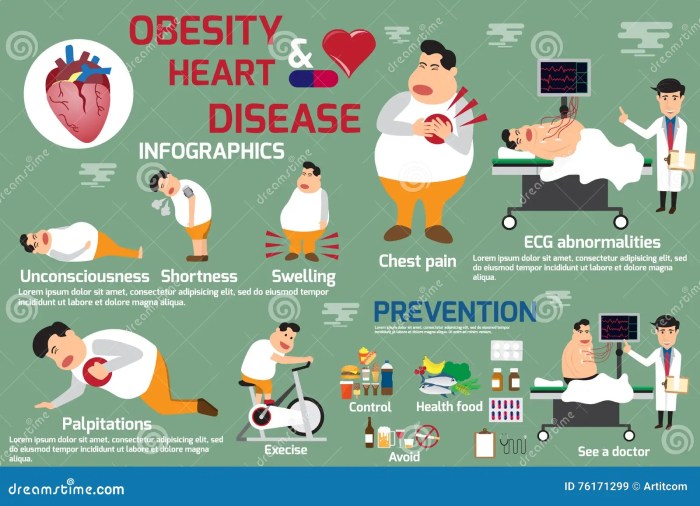
The connection between obesity and chronic diseases like heart disease is a pressing health concern worldwide. Obesity, characterized by excessive body fat, is a significant risk factor for a range of chronic conditions, including heart disease, type 2 diabetes, stroke, and certain cancers.

This complex relationship stems from the physiological changes that occur in the body due to excess weight, leading to inflammation, insulin resistance, and hormonal imbalances. These disruptions, in turn, increase the susceptibility to developing chronic diseases.

Understanding this connection is crucial for individuals, healthcare professionals, and policymakers alike. By recognizing the link between obesity and chronic diseases, we can implement effective prevention strategies, promote healthy lifestyles, and improve overall health outcomes.

The Prevalence of Obesity and Chronic Diseases

Obesity is a significant global health concern, and its prevalence is alarmingly increasing. This rise in obesity is directly linked to an increase in chronic diseases, placing a heavy burden on healthcare systems worldwide.

The Global Prevalence of Obesity

Obesity is a complex issue with multifaceted causes. It is characterized by an excessive accumulation of body fat, leading to various health complications. The World Health Organization (WHO) defines obesity as a body mass index (BMI) of 30 or higher.

The global prevalence of obesity has been steadily rising in recent decades. In 2016, over 1.9 billion adults aged 18 years and older were overweight, and over 650 million were obese. This translates to 39% of adults globally being overweight and 13% being obese.

“Obesity is a major risk factor for noncommunicable diseases such as heart disease, stroke, type 2 diabetes, and certain types of cancer.”

World Health Organization

The Impact of Obesity on Healthcare Systems

The rise in obesity has a significant impact on healthcare systems worldwide. Obese individuals are more likely to develop chronic diseases, requiring more frequent medical attention, hospitalizations, and medications. This increased healthcare utilization leads to higher healthcare costs, placing a strain on already stretched healthcare resources.

The economic burden of obesity is substantial. The WHO estimates that the global economic cost of obesity-related diseases was US$ 2.0 trillion in 2010. This figure is projected to rise significantly in the coming years.

Examples of Countries with High Obesity Rates

Several countries have high obesity rates, accompanied by a high prevalence of chronic diseases. For instance:

  • The United States:The US has one of the highest obesity rates in the world, with over 40% of adults being obese. This high obesity rate is associated with a high prevalence of chronic diseases such as heart disease, stroke, type 2 diabetes, and certain types of cancer.

  • Mexico:Mexico has experienced a rapid rise in obesity rates in recent years. Over 70% of adults in Mexico are overweight or obese, leading to a high prevalence of chronic diseases. This has placed a significant burden on the Mexican healthcare system.

  • China:China has witnessed a rapid increase in obesity rates in recent decades, particularly in urban areas. The rise in obesity has been linked to changes in diet and lifestyle, with more people adopting Westernized diets and sedentary lifestyles.

Mechanisms Linking Obesity to Chronic Diseases: The Connection Between Obesity And Chronic Diseases Like Heart Disease

The connection between obesity and chronic diseases like heart disease

Obesity, a state of excessive body fat accumulation, is a major public health concern worldwide. It is not merely an aesthetic issue but a significant risk factor for a range of chronic diseases. This section delves into the intricate mechanisms that link obesity to chronic diseases, highlighting the pivotal roles of inflammation, insulin resistance, and hormonal imbalances.

Inflammation

Chronic low-grade inflammation, a persistent state of immune activation, is a hallmark of obesity. Excess body fat, particularly visceral fat surrounding internal organs, triggers the release of pro-inflammatory cytokines, such as tumor necrosis factor-alpha (TNF-α) and interleukin-6 (IL-6). These cytokines contribute to systemic inflammation, which can damage tissues and organs, ultimately increasing the risk of chronic diseases.

Inflammation is a complex biological process involving the immune system’s response to injury or infection. While acute inflammation is a necessary and beneficial response, chronic inflammation, which persists over long periods, can have detrimental effects on the body.

Insulin Resistance

Insulin resistance, a condition where cells fail to respond properly to insulin, is another critical link between obesity and chronic diseases. Excess body fat impairs insulin signaling, leading to elevated blood sugar levels. This can eventually progress to type 2 diabetes, a chronic condition characterized by hyperglycemia.

Insulin resistance also contributes to the development of other chronic diseases, such as cardiovascular disease and non-alcoholic fatty liver disease.

Hormonal Imbalances, The connection between obesity and chronic diseases like heart disease

Obesity disrupts the delicate balance of various hormones, further contributing to chronic disease development. Excess adipose tissue produces hormones like leptin and adiponectin, which regulate appetite and energy expenditure. However, in obesity, leptin resistance occurs, where the body becomes less sensitive to its appetite-suppressing effects.

This can lead to excessive food intake and weight gain. Moreover, obesity is associated with reduced adiponectin levels, a hormone that plays a protective role against insulin resistance and inflammation.

Leptin is a hormone produced by fat cells that acts on the hypothalamus in the brain to regulate appetite and energy expenditure. When leptin levels are high, it signals to the brain that the body has enough energy stores, suppressing appetite. Conversely, when leptin levels are low, it signals the brain that the body needs more energy, increasing appetite.

Excess Body Fat and Disrupted Bodily Systems

Excess body fat can disrupt various bodily systems, increasing the risk of chronic diseases. For instance, the increased workload on the heart due to obesity can lead to hypertension and heart disease. Obesity also puts stress on joints, increasing the risk of osteoarthritis.

Furthermore, the accumulation of fat in the liver can lead to non-alcoholic fatty liver disease, which can progress to cirrhosis and liver failure.

Holistic Wellness and Chronic Disease Prevention

The concept of holistic wellness emphasizes the interconnectedness of physical, mental, and emotional well-being. It recognizes that these aspects are not isolated but rather influence and impact each other, contributing to overall health and well-being. This approach focuses on promoting balance and harmony within these dimensions, aiming to prevent chronic diseases and enhance overall health.

The Interconnectedness of Physical, Mental, and Emotional Well-being

A holistic perspective emphasizes the interconnected nature of physical, mental, and emotional well-being. This interconnectedness means that changes in one area can influence the others. For instance, chronic stress can lead to physical health problems like high blood pressure and weakened immune systems.

Conversely, regular exercise can boost mood and improve mental clarity.

Holistic Approaches to Health and Wellness

Holistic approaches to health and wellness emphasize a multi-dimensional perspective, incorporating various practices and strategies to promote overall well-being. These approaches aim to address the underlying causes of health issues rather than solely focusing on symptoms. Examples of holistic approaches include:

  • Mindfulness and Meditation:These practices help reduce stress, improve focus, and enhance emotional regulation. Regular meditation has been shown to lower blood pressure, improve sleep quality, and reduce inflammation.
  • Yoga and Tai Chi:These mind-body practices combine physical movement with breathwork and mindfulness, promoting flexibility, balance, and stress reduction. They can also improve cardiovascular health and reduce the risk of falls.
  • Nutrition:A balanced and nutritious diet is essential for overall health. Consuming a variety of fruits, vegetables, whole grains, and lean protein can provide the necessary nutrients for optimal functioning.
  • Sleep:Adequate sleep is crucial for physical and mental health. Getting enough sleep allows the body to repair and rejuvenate, improving immune function, mood, and cognitive performance.
  • Social Connection:Strong social connections are vital for well-being. Spending time with loved ones, engaging in social activities, and maintaining meaningful relationships can provide support, reduce stress, and enhance overall happiness.

Last Word

The impact of obesity on chronic diseases is undeniable. By adopting a holistic approach to health and wellness, individuals can take proactive steps to prevent obesity and mitigate their risk of developing these debilitating conditions. This includes maintaining a healthy weight through balanced nutrition and regular physical activity, managing stress effectively, and seeking early detection and preventive care.

Through collective efforts, we can work towards a future where obesity-related chronic diseases are less prevalent, leading to healthier lives for all.

Essential FAQs

What are some common lifestyle changes that can help prevent obesity?

Adopting a balanced diet rich in fruits, vegetables, and whole grains, engaging in regular physical activity, and managing stress levels are key lifestyle modifications that can help prevent obesity.

Is there a specific type of exercise that is most effective for weight loss?

A combination of aerobic exercise (like brisk walking, jogging, or swimming) and strength training is recommended for optimal weight loss and overall health.

Can obesity be reversed?

While losing weight can be challenging, it is possible to reverse obesity through sustained lifestyle changes and medical guidance. Weight loss can lead to significant improvements in health outcomes and reduce the risk of chronic diseases.

Are there any medications that can help with weight loss?

Yes, there are medications available that can aid in weight loss, but they are typically prescribed in conjunction with lifestyle changes and under the supervision of a healthcare professional.

Best Preventive Care Practices to Avoid Chronic Diseases

Best preventive care practices to avoid chronic diseases

Best preventive care practices to avoid chronic diseases are essential for a long and healthy life. Chronic diseases, such as heart disease, diabetes, and cancer, are major health concerns worldwide, but they can often be prevented or delayed with proactive lifestyle choices.

This guide will delve into a comprehensive range of preventive care practices, exploring the importance of regular exercise, a balanced diet, and routine checkups. We will also discuss the crucial role of mental health and sleep in overall well-being and disease prevention.

By understanding and adopting these practices, individuals can empower themselves to take control of their health and significantly reduce their risk of developing chronic diseases.

The Importance of Sleep

Best preventive care practices to avoid chronic diseases

Sleep is an essential part of a healthy lifestyle and plays a vital role in overall health and disease prevention. When you sleep, your body repairs and rejuvenates itself, allowing you to function at your best during the day.

Recommended Sleep Duration

The amount of sleep you need varies depending on your age.

  • Newborns (0-3 months):14-17 hours
  • Infants (4-11 months):12-15 hours
  • Toddlers (1-2 years):11-14 hours
  • Preschoolers (3-5 years):10-13 hours
  • School-aged children (6-13 years):9-11 hours
  • Teenagers (14-17 years):8-10 hours
  • Young adults (18-25 years):7-9 hours
  • Adults (26-64 years):7-9 hours
  • Older adults (65+ years):7-8 hours

Tips for Improving Sleep Quality

Getting enough sleep is crucial for maintaining good health, but many people struggle to get a good night’s rest. Here are some tips to improve your sleep quality:

  • Establish a Regular Sleep Schedule:Go to bed and wake up around the same time each day, even on weekends, to regulate your body’s natural sleep-wake cycle.
  • Create a Relaxing Bedtime Routine:Wind down an hour or two before bed by engaging in calming activities such as taking a warm bath, reading a book, or listening to soothing music.
  • Make Your Bedroom Sleep-Friendly:Ensure your bedroom is dark, quiet, and cool. Invest in blackout curtains, a white noise machine, or earplugs to minimize distractions.
  • Avoid Caffeine and Alcohol Before Bed:Caffeine and alcohol can interfere with sleep. Limit your intake in the hours leading up to bedtime.
  • Get Regular Exercise:Physical activity can promote better sleep, but avoid exercising too close to bedtime.
  • Limit Screen Time Before Bed:The blue light emitted from electronic devices can suppress melatonin production, a hormone that regulates sleep. Avoid using screens for at least an hour before bed.

Immunity Boosters: Best Preventive Care Practices To Avoid Chronic Diseases

A robust immune system is your body’s first line of defense against infections and diseases, including chronic conditions. When your immune system is strong, it can effectively identify and eliminate harmful pathogens, such as viruses, bacteria, and parasites, before they can cause illness.

The Importance of a Healthy Lifestyle

Maintaining a healthy lifestyle is crucial for supporting your immune system. By adopting these practices, you can strengthen your body’s natural defenses and reduce your risk of developing chronic diseases.

  • Eat a Balanced Diet:Consuming a variety of nutrient-rich foods provides your body with the essential vitamins, minerals, and antioxidants it needs to function optimally. Focus on fruits, vegetables, whole grains, lean proteins, and healthy fats.
  • Regular Exercise:Physical activity helps to improve circulation, boost the immune system, and reduce stress levels. Aim for at least 30 minutes of moderate-intensity exercise most days of the week.
  • Adequate Sleep:Getting enough sleep is essential for immune function. During sleep, your body produces cytokines, which are proteins that help regulate inflammation and immune responses. Aim for 7-8 hours of quality sleep each night.
  • Manage Stress:Chronic stress can weaken the immune system. Find healthy ways to manage stress, such as exercise, meditation, yoga, or spending time in nature.
  • Stay Hydrated:Water is essential for many bodily functions, including immune system health. Aim to drink plenty of water throughout the day.
  • Avoid Smoking and Excessive Alcohol Consumption:Smoking and excessive alcohol consumption can damage the immune system and increase the risk of chronic diseases.

Holistic Wellness

Holistic wellness goes beyond simply treating symptoms and instead focuses on the interconnectedness of your physical, mental, emotional, and spiritual well-being. By addressing all aspects of your health, you can create a harmonious balance that contributes to disease prevention and overall well-being.

The Impact of Holistic Wellness on Overall Health, Best preventive care practices to avoid chronic diseases

Holistic wellness emphasizes a holistic approach to health, recognizing that each aspect of well-being influences the others. By addressing physical, mental, emotional, and spiritual health, you can create a strong foundation for overall wellness and reduce the risk of chronic diseases.

Physical Health

Physical health is an essential component of holistic wellness. Engaging in regular physical activity, maintaining a healthy weight, and consuming a balanced diet can strengthen your body’s defenses against disease.

Mental Health

Mental health plays a crucial role in overall well-being. Stress, anxiety, and depression can weaken the immune system and increase the risk of chronic diseases. Practicing mindfulness, engaging in hobbies, and seeking professional support when needed can help maintain mental health.

Emotional Health

Emotional health involves managing your emotions and maintaining positive relationships. Cultivating healthy coping mechanisms for stress, practicing gratitude, and nurturing social connections can improve emotional well-being and contribute to disease prevention.

Spiritual Health

Spiritual health encompasses finding meaning and purpose in life. Engaging in activities that connect you to a higher power, practicing meditation, or spending time in nature can foster a sense of purpose and contribute to overall wellness.

Tips for Adopting a Holistic Approach to Health and Wellness

  • Mindful Eating:Pay attention to your food choices and savor each bite. Avoid distractions while eating and choose nutrient-rich foods that nourish your body.
  • Regular Exercise:Engage in at least 30 minutes of moderate-intensity exercise most days of the week. Find activities you enjoy to make it sustainable.
  • Stress Management:Practice relaxation techniques such as yoga, meditation, or deep breathing exercises to manage stress levels.
  • Quality Sleep:Aim for 7-9 hours of quality sleep each night. Create a relaxing bedtime routine and ensure a comfortable sleep environment.
  • Social Connection:Nurture meaningful relationships with family, friends, and community members. Strong social connections can provide support and enhance well-being.
  • Purposeful Living:Find activities that give you a sense of purpose and fulfillment. This could involve volunteering, pursuing hobbies, or engaging in meaningful work.

Conclusive Thoughts

By incorporating these preventive care practices into your daily life, you can significantly reduce your risk of developing chronic diseases and enjoy a healthier, more fulfilling life. Remember, it’s never too late to start taking proactive steps towards better health.

Embrace a holistic approach, prioritize preventive care, and empower yourself to live a longer, healthier, and happier life.

FAQ Compilation

What are some common chronic diseases?

Common chronic diseases include heart disease, stroke, diabetes, cancer, arthritis, and chronic lung diseases.

How often should I get a physical checkup?

The frequency of physical checkups varies depending on age, health history, and risk factors. It’s generally recommended to have an annual checkup with your primary care physician.

What are some tips for managing stress?

Stress management techniques include mindfulness, meditation, yoga, deep breathing exercises, and spending time in nature.

What are some good sources of protein?

Good sources of protein include lean meats, poultry, fish, beans, lentils, tofu, and eggs.

Chronic disease management programs and resources: Enhancing Healthcare

Chronic disease management programs and resources

Chronic Disease Management Programs and Resources

Chronic disease management programs and resources
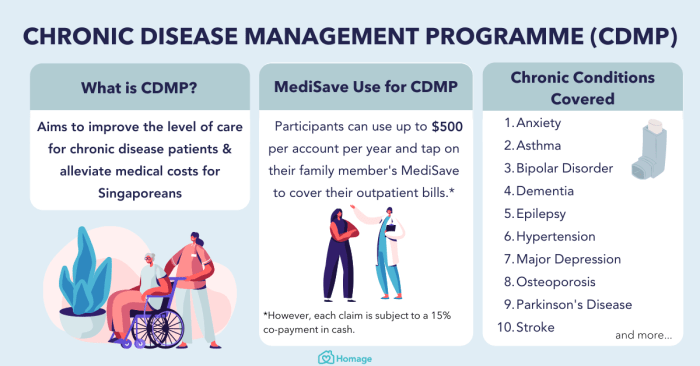
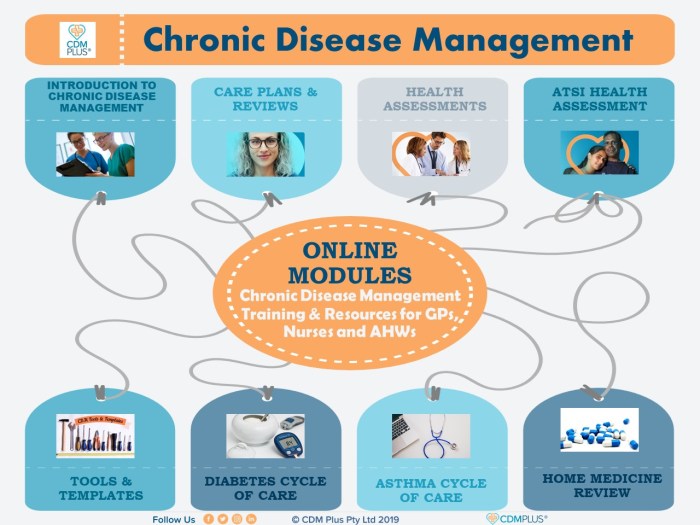
Chronic disease management programs play a crucial role in healthcare by providing comprehensive care and support to individuals dealing with long-term health conditions. These programs aim to improve the quality of life for patients, reduce healthcare costs, and prevent complications associated with chronic diseases.

Importance of Chronic Disease Management Programs

Chronic disease management programs offer structured care plans that help patients manage their conditions effectively. They provide education, counseling, and monitoring to ensure that patients adhere to treatment plans and make healthy lifestyle choices. By promoting self-management and regular follow-ups, these programs help prevent disease progression and reduce hospitalizations.

  • Regular monitoring of vital signs and symptoms
  • Dietary and exercise recommendations
  • Mental health support and counseling
  • Medication management and adherence

Role of Technology in Enhancing Chronic Disease Management Programs

Technology plays a vital role in improving the efficiency and effectiveness of chronic disease management programs. From telemedicine and remote monitoring devices to health apps and wearable gadgets, technology enables healthcare providers to track patient data in real-time, communicate with patients more effectively, and provide timely interventions.

  • Telemedicine for virtual consultations and follow-ups
  • Remote monitoring devices for tracking patient progress
  • Health apps for medication reminders and health tracking
  • Wearable gadgets for continuous monitoring of vital signs

Mental Wellness

The connection between mental wellness and chronic disease management is crucial as mental health plays a significant role in overall well-being. Managing chronic conditions can often lead to stress, anxiety, and depression, impacting both physical and mental health.

Strategies for Improving Mental Wellness

  • Practice mindfulness and meditation to reduce stress levels and promote relaxation.
  • Engage in regular physical activity to boost mood and reduce symptoms of depression.
  • Seek support from friends, family, or a therapist to address emotional challenges and develop coping mechanisms.
  • Ensure an adequate amount of sleep to improve mental clarity and emotional resilience.

Impact of Stress on Chronic Conditions and Ways to Address It

Stress can exacerbate symptoms of chronic diseases such as heart disease, diabetes, and autoimmune disorders. It can lead to inflammation, weakened immune function, and poor disease management. To address stress in the context of chronic conditions:

  1. Implement stress-reducing techniques like deep breathing exercises or progressive muscle relaxation.
  2. Establish a healthy work-life balance to prevent burnout and overwhelming stress levels.
  3. Participate in activities that bring joy and relaxation, such as hobbies, spending time in nature, or listening to music.

Physical Fitness

Regular exercise plays a crucial role in managing chronic diseases by improving overall health and quality of life. It helps in controlling weight, reducing the risk of heart disease, and improving blood circulation.

Benefits of Physical Fitness in Disease Management

  • Strengthens muscles and improves flexibility, reducing the risk of falls and injuries.
  • Boosts mood and mental well-being through the release of endorphins, reducing stress and anxiety.
  • Improves cardiovascular health by lowering blood pressure and cholesterol levels.

Fitness Programs for Individuals with Chronic Conditions

  • Cardiac Rehabilitation Programs:

    Tailored for individuals with heart conditions to improve heart health through supervised exercise and education.

  • Arthritis Exercise Programs:

    Focus on low-impact activities to reduce joint pain and stiffness while increasing mobility.

  • Pulmonary Rehabilitation Programs:

    Help individuals with lung conditions improve breathing and endurance through exercise and breathing techniques.

Contribution of Physical Fitness to Overall Well-Being

  • Enhances immune function, reducing the risk of infections and illnesses.
  • Increases energy levels and stamina, promoting independence and productivity in daily activities.
  • Improves sleep quality, aiding in better rest and recovery for the body.

Healthy Eating

Chronic disease management programs and resources – Proper nutrition plays a crucial role in managing chronic diseases and maintaining overall health. A balanced diet can help individuals with chronic conditions better manage their symptoms and improve their quality of life.

Tips for Creating a Balanced Diet

  • Aim for variety in your diet by including fruits, vegetables, whole grains, lean proteins, and healthy fats.
  • Avoid processed foods, sugary drinks, and excessive salt intake.
  • Stay hydrated by drinking an adequate amount of water throughout the day.
  • Monitor portion sizes to ensure you are not overeating.

Importance of Meal Planning and Healthy Eating Habits

Meal planning can help individuals with chronic diseases stay on track with their dietary goals and ensure they are getting the nutrients they need. Establishing healthy eating habits, such as mindful eating and avoiding emotional eating, can also contribute to better management of chronic conditions.

Preventive Care

Preventive care plays a crucial role in managing chronic diseases by focusing on measures aimed at preventing the onset of complications associated with these conditions.

Importance of Preventive Measures

  • Regular physical activity: Engaging in regular exercise can help improve overall health and reduce the risk of complications from chronic diseases such as heart disease and diabetes.
  • Healthy diet: Consuming a balanced diet rich in fruits, vegetables, whole grains, and lean proteins can help control blood sugar levels and manage conditions like hypertension.
  • Smoking cessation: Quitting smoking can significantly reduce the risk of developing complications from chronic respiratory conditions like COPD.

Role of Regular Screenings and Check-ups

Regular screenings and check-ups are essential components of preventive care for chronic diseases as they help in early detection of any changes or abnormalities in the body. These screenings can include blood tests, imaging studies, and physical examinations to monitor the progression of the disease and adjust treatment plans accordingly.

Balanced Diet

Maintaining a balanced diet is crucial for individuals with chronic diseases as it plays a significant role in managing their condition and overall health. A balanced diet consists of a variety of nutrients in appropriate proportions to support optimal functioning of the body and combat the effects of the disease.

Components of a Balanced Diet

  • Proteins: Essential for tissue repair and immune function. Sources include lean meats, poultry, fish, eggs, dairy, legumes, and nuts.
  • Carbohydrates: Provide energy and fiber for digestion. Opt for whole grains, fruits, vegetables, and legumes.
  • Fats: Important for hormone production and absorption of fat-soluble vitamins. Include healthy fats from avocados, nuts, seeds, and olive oil.
  • Vitamins and Minerals: Support various bodily functions. Consume a variety of fruits, vegetables, whole grains, and lean proteins to get a range of nutrients.
  • Water: Hydration is key for overall health. Drink an adequate amount of water throughout the day.

Meal Ideas and Recipes

Promoting a balanced diet can be achieved through meal planning and preparation. Here are some meal ideas and recipes that can support disease management:

  • Grilled salmon with quinoa and roasted vegetables
  • Vegetable stir-fry with tofu and brown rice
  • Greek yogurt parfait with fresh fruits and nuts
  • Chicken and vegetable kebabs with whole wheat pita

Impact of Dietary Choices

“You are what you eat.”

The food choices we make have a direct impact on our health and well-being, especially for individuals with chronic diseases. A balanced diet can help manage symptoms, improve energy levels, and enhance overall quality of life. On the other hand, poor dietary choices can exacerbate symptoms, lead to complications, and hinder disease management efforts.

Regular Exercise: Chronic Disease Management Programs And Resources

Regular exercise plays a crucial role in managing chronic diseases by improving overall health and well-being. It can help reduce symptoms, prevent complications, and enhance quality of life for individuals with chronic conditions.

Examples of Exercises for Different Chronic Conditions

  • For individuals with cardiovascular diseases, low-impact exercises like walking, swimming, or cycling can help improve heart health without putting too much strain on the heart.
  • For those with diabetes, a combination of aerobic exercises (such as brisk walking) and strength training can help manage blood sugar levels and improve insulin sensitivity.
  • Individuals with arthritis can benefit from activities like tai chi, yoga, or water aerobics, which can help improve flexibility, strength, and joint function.
  • For individuals with respiratory conditions like asthma, breathing exercises, and activities that focus on improving lung capacity, such as swimming or gentle yoga, can be beneficial.

Benefits of Regular Physical Activity for Chronic Disease Management

Regular physical activity can significantly improve the quality of life for individuals managing chronic diseases. It helps in:

  • Managing weight and reducing the risk of obesity-related complications.
  • Improving cardiovascular health and reducing the risk of heart disease and stroke.
  • Enhancing mood and reducing symptoms of anxiety and depression.
  • Increasing energy levels and improving overall physical function.
  • Strengthening muscles and joints, reducing the risk of falls and injuries.

Mental Health

Mental health plays a crucial role in the management of chronic diseases, as it directly impacts a person’s overall well-being and quality of life. Dealing with the emotional challenges of living with a chronic condition can be overwhelming, but there are coping mechanisms that can help individuals navigate through these difficulties.

Coping Mechanisms for Emotional Impact, Chronic disease management programs and resources

  • Seeking support from friends, family, or a therapist to talk about feelings and emotions related to the chronic condition.
  • Engaging in relaxation techniques such as deep breathing, meditation, or yoga to reduce stress and anxiety.
  • Practicing mindfulness and staying present in the moment to manage negative thoughts and emotions.
  • Participating in support groups or online communities to connect with others facing similar challenges and share experiences.

Importance of Mental Health Support

Having access to mental health support is essential for individuals managing chronic diseases as it can significantly impact their overall wellness and disease management. It helps in reducing stress, anxiety, and depression, which are common emotional responses to living with a chronic condition. By addressing mental health needs, individuals can improve their coping mechanisms, adherence to treatment plans, and overall quality of life.

Holistic Wellness

Chronic disease management programs and resources
Holistic wellness is a comprehensive approach to health that considers the individual as a whole, incorporating physical, mental, emotional, and spiritual well-being. In the context of chronic disease management, holistic wellness focuses on addressing all aspects of a person’s health to improve overall quality of life and better manage chronic conditions.

Holistic Approaches for Disease Management

Holistic approaches for managing chronic diseases involve integrating physical, mental, and emotional well-being strategies to address the root causes of the condition and promote overall health. Some holistic approaches include:

  • Incorporating mindfulness practices such as meditation and yoga to reduce stress and improve mental well-being.
  • Engaging in regular physical activity to improve physical health and overall fitness levels.
  • Adopting a balanced and nutritious diet to support the body’s immune system and overall health.
  • Prioritizing preventive care measures such as regular health screenings and check-ups to monitor the progression of chronic conditions.

Benefits of Adopting a Holistic Wellness Approach

By adopting a holistic wellness approach in managing chronic conditions, individuals can experience several benefits, including:

  • Improved overall quality of life by addressing all aspects of health and well-being.
  • Better management of chronic conditions by targeting both the symptoms and underlying causes.
  • Enhanced emotional well-being and stress management, leading to a more positive outlook on life.
  • Increased resilience and coping mechanisms to deal with the challenges of living with a chronic disease.

Immunity Boosters

Maintaining a strong immune system is crucial in managing chronic diseases as it helps the body fight off infections and reduce inflammation, which can worsen existing conditions.

Nutrition

  • Eating a diet rich in fruits, vegetables, whole grains, and lean proteins can provide essential vitamins and minerals that support immune function.
  • Include foods high in antioxidants like berries, nuts, and seeds to help reduce oxidative stress and boost immunity.
  • Probiotics found in yogurt, kefir, and fermented foods can promote a healthy gut microbiome, which plays a key role in immune response.

Lifestyle

  • Getting an adequate amount of sleep each night is crucial for immune function and overall health.
  • Regular exercise can help improve circulation and immune cell activity, reducing the risk of chronic diseases.
  • Managing stress through techniques like meditation, yoga, or deep breathing can lower inflammation and support immune function.

Supplements

  • Vitamin C and zinc supplements can help boost immune function and reduce the duration of illnesses.
  • Elderberry extract has been shown to have antiviral properties and may help prevent respiratory infections.
  • Echinacea supplements may enhance immune response and reduce the severity of cold symptoms.

Role in Chronic Disease Management

Maintaining a strong immune system is essential for individuals with chronic conditions as it can help prevent complications and improve overall outcomes. By incorporating immunity boosters through nutrition, lifestyle changes, and supplements, individuals can better manage their chronic diseases and enhance their quality of life.

Quick FAQs

How do chronic disease management programs impact healthcare?

Chronic disease management programs improve healthcare outcomes by providing resources and strategies tailored to individuals with long-term conditions.

What role does technology play in enhancing chronic disease management programs?

Technology enhances chronic disease management programs by offering tools for monitoring, tracking, and communicating health information effectively.

How can mental wellness influence chronic disease management?

Mental wellness plays a key role in managing chronic diseases as it affects overall well-being and can impact treatment adherence and outcomes.

Why is preventive care important in the context of chronic diseases?

Preventive care helps reduce the risk of complications from chronic conditions by focusing on early detection and intervention strategies.

What are some examples of immunity boosters for managing chronic diseases?

Immunity boosters can include foods rich in vitamins and antioxidants, regular exercise, stress management techniques, and appropriate supplements.

How to create a personalized fitness plan: Tips and Strategies

How to create a personalized fitness plan

Mental Wellness: How To Create A Personalized Fitness Plan

Maintaining mental wellness is crucial when creating a personalized fitness plan. Our mental state greatly impacts our physical well-being, and neglecting mental health can hinder progress in our fitness journey.

Impact on Physical Fitness

  • Stress and anxiety can lead to muscle tension, poor sleep quality, and decreased motivation to exercise.
  • Depression may result in lack of energy, decreased physical activity, and poor dietary choices.
  • Enhanced mental well-being can lead to better focus during workouts, increased endurance, and overall improved performance.

Strategies for Improving Mental Wellness

  • Practice mindfulness and meditation to reduce stress and anxiety levels.
  • Engage in activities you enjoy, such as dancing, hiking, or yoga, to boost mood and overall mental health.
  • Seek professional help if needed, such as therapy or counseling, to address any underlying mental health issues.
  • Ensure you are getting enough quality sleep, as sleep deprivation can negatively impact mental well-being.

Physical Fitness

How to create a personalized fitness plan – When creating a personalized fitness plan, it is essential to consider various components that contribute to overall physical well-being.

Components of a Personalized Fitness Plan

A personalized fitness plan typically includes a combination of cardiovascular exercise, strength training, flexibility work, and rest days for recovery.

  • Cardiovascular Exercise: This type of exercise helps improve heart health, increase endurance, and burn calories. Options include running, cycling, swimming, or aerobic classes.
  • Strength Training: Building muscle strength is crucial for overall fitness. Incorporate exercises like weightlifting, bodyweight exercises, or resistance band workouts.
  • Flexibility Work: Stretching exercises help improve flexibility, reduce the risk of injury, and enhance overall mobility. Include activities like yoga or Pilates in your routine.
  • Rest Days: Allow your body time to recover and repair after intense workouts. Rest days are essential for preventing burnout and injuries.

Tips for Setting Achievable Fitness Goals

Setting realistic and achievable fitness goals is key to staying motivated and seeing progress in your fitness journey.

  • Set Specific Goals: Clearly define what you want to achieve, whether it’s running a certain distance, lifting a specific weight, or improving flexibility.
  • Make Goals Measurable: Set quantifiable targets to track your progress and celebrate milestones along the way.
  • Set Realistic Timelines: Give yourself enough time to reach your goals without putting undue pressure on yourself. Slow and steady progress is sustainable.
  • Stay Consistent: Establish a regular workout routine and stick to it. Consistency is key to seeing long-term results.

Role of Strength Training, Cardio, and Flexibility in a Fitness Plan

A well-rounded fitness plan incorporates a balance of strength training, cardio, and flexibility exercises to promote overall health and fitness.

  • Strength Training: Builds muscle mass, increases metabolism, improves bone density, and enhances overall strength and endurance.
  • Cardio: Boosts cardiovascular health, burns calories, improves endurance, and supports weight management goals.
  • Flexibility: Enhances range of motion, reduces muscle tightness, improves posture, and helps prevent injuries during physical activities.

Healthy Eating

Eating a nutritious diet plays a crucial role in achieving fitness goals. The link between nutrition and fitness is undeniable, as the food we consume provides the energy and nutrients needed for physical activity, muscle recovery, and overall well-being.

Foods that Support Fitness Goals

  • Lean proteins such as chicken, turkey, fish, tofu, and legumes help build and repair muscles.
  • Complex carbohydrates like whole grains, fruits, and vegetables provide sustained energy for workouts.
  • Healthy fats from sources like avocados, nuts, seeds, and olive oil are essential for hormone production and overall health.
  • Foods rich in vitamins and minerals, such as leafy greens, berries, and citrus fruits, support immune function and recovery.

Meal Planning Strategies for a Balanced Diet

  • Plan meals ahead of time to ensure a variety of nutrients and prevent unhealthy choices.
  • Include a mix of protein, carbohydrates, and fats in each meal to support energy levels and muscle recovery.
  • Focus on whole, minimally processed foods to maximize nutrient intake and minimize empty calories.
  • Consider portion sizes to avoid overeating and maintain a healthy weight.

Preventive Care

How to create a personalized fitness plan
Preventive care is crucial in maintaining overall health, especially when following a personalized fitness plan. By taking proactive measures, you can prevent injuries, setbacks, and health issues that may hinder your progress. Regular health check-ups also play a significant role in ensuring that you are on the right track towards your fitness goals.

Avoiding Injuries During Exercise

  • Always warm up before starting any workout to prepare your muscles and joints.
  • Use proper form and technique during exercises to prevent strains and injuries.
  • Gradually increase the intensity of your workouts to avoid overexertion.
  • Listen to your body and rest when needed to prevent overtraining and potential injuries.

Regular Health Check-ups

Regular health check-ups are essential for monitoring your overall health and fitness progress. These check-ups can help identify any underlying issues that may impact your exercise routine and allow for timely interventions if needed. Make sure to schedule annual physical exams, blood tests, and other screenings recommended by your healthcare provider to stay on top of your health.

Balanced Diet

Having a balanced diet is crucial for achieving optimal fitness and wellness. A balanced diet provides the necessary nutrients and energy to support physical activities, mental well-being, and overall health.

Examples of Balanced Meal Plans

Here are examples of balanced meal plans for different fitness goals:

  • For weight loss: A meal plan consisting of lean protein sources, whole grains, fruits, vegetables, and healthy fats. Example: Grilled chicken breast with quinoa and roasted vegetables.
  • For muscle building: A meal plan with adequate protein intake, complex carbohydrates, and essential fats. Example: Salmon with sweet potato and steamed broccoli.
  • For endurance training: A meal plan rich in carbohydrates for sustained energy levels, along with lean proteins and colorful fruits and vegetables. Example: Whole wheat pasta with marinara sauce and a side of mixed berries.

Impact of Hydration on Health and Fitness

Hydration plays a crucial role in overall health and fitness. Staying hydrated helps regulate body temperature, transport nutrients, and flush out toxins. Dehydration can lead to decreased performance, fatigue, and muscle cramps.

It is recommended to drink at least 8-10 cups of water per day, but individual needs may vary depending on activity level, climate, and body composition. In addition to water, you can also hydrate with herbal teas, fruits, and vegetables with high water content.

Regular Exercise

Regular exercise is crucial for maintaining both physical and mental health. Not only does it help in improving cardiovascular health, increasing muscle strength, and boosting overall fitness levels, but it also plays a significant role in reducing stress, anxiety, and depression. Incorporating regular exercise into your routine can lead to a happier, healthier lifestyle.

Benefits of Regular Exercise

  • Improves cardiovascular health and reduces the risk of heart disease.
  • Increases muscle strength and endurance, leading to better overall fitness.
  • Boosts mood and reduces symptoms of anxiety and depression.
  • Helps in weight management and promotes better sleep quality.

Staying Consistent with Exercise Routines

  • Set specific, achievable goals to stay motivated.
  • Find a workout buddy or join a fitness class for accountability.
  • Schedule workouts at a consistent time each day to establish a routine.
  • Track your progress and celebrate small victories along the way.

Importance of Incorporating Variety in Workouts

  • Prevents boredom and keeps things interesting.
  • Targets different muscle groups for a well-rounded fitness regimen.
  • Reduces the risk of overuse injuries by alternating between activities.
  • Challenges the body in new ways to continue seeing progress.

Mental Health

How to create a personalized fitness plan
Mental health plays a crucial role in influencing physical health and fitness outcomes. The mind and body are interconnected, and when one is not functioning optimally, it can affect the other. Stress, anxiety, and other mental health issues can impact our ability to stay motivated, make healthy choices, and maintain a consistent fitness routine.

Managing Stress Through Exercise

Exercise is not only beneficial for physical health but also for mental well-being. Engaging in physical activity releases endorphins, also known as “feel-good” hormones, which can help reduce stress levels and improve mood. Whether it’s going for a run, practicing yoga, or lifting weights, finding an exercise that you enjoy can be a powerful tool in managing stress.

  • Make time for regular physical activity to help alleviate stress and anxiety.
  • Try incorporating mindfulness practices such as yoga or meditation into your fitness routine to promote relaxation and mental clarity.
  • Find a workout buddy or join group fitness classes to stay motivated and accountable.
  • Listen to your body and prioritize rest and recovery to avoid burnout.

Connection Between Mindfulness Practices and Fitness

Mindfulness practices, such as meditation and deep breathing exercises, can complement your fitness routine by helping you stay present and focused during workouts. By incorporating mindfulness into your exercise regimen, you can improve your mind-body connection, enhance performance, and reduce the risk of injury.

Practicing mindfulness can help you better cope with challenges and setbacks on your fitness journey, ultimately leading to a more positive and sustainable approach to health and wellness.

Holistic Wellness

Holistic wellness, in the context of a personalized fitness plan, refers to the approach of considering the integration of mind, body, and soul in achieving overall well-being. It goes beyond just physical fitness and encompasses mental, emotional, and spiritual aspects to achieve a balanced and healthy lifestyle.

Integrating Mind, Body, and Soul

When creating a personalized fitness plan that focuses on holistic wellness, it is essential to address not only physical exercise and healthy eating but also mental and emotional well-being. By incorporating practices such as mindfulness, meditation, and stress management techniques, individuals can nurture their mind, body, and soul simultaneously.

Holistic Approaches to Fitness

1. Engage in activities that promote mental well-being, such as yoga, tai chi, or Pilates, which not only improve physical strength but also reduce stress and enhance mental clarity.

2. Practice self-care rituals that support emotional wellness, like journaling, spending time in nature, or participating in creative activities that bring joy and fulfillment.

3. Focus on building meaningful connections and fostering a supportive community to enhance overall well-being and create a sense of belonging and purpose.

Chronic Diseases

Chronic diseases can have a significant impact on fitness and wellness. These conditions, such as heart disease, diabetes, and arthritis, can make it challenging to maintain a regular exercise routine and a healthy diet. Managing chronic diseases requires a holistic approach that addresses both physical and mental well-being.

Managing Fitness Plans with Chronic Conditions

  • Consult with a healthcare provider: Before starting any fitness plan, it is essential to consult with a healthcare provider to ensure that the chosen activities are safe and appropriate for your condition.
  • Set realistic goals: Establish realistic fitness goals that take into account your limitations and capabilities. It’s important to listen to your body and make adjustments as needed.
  • Focus on low-impact activities: Consider incorporating low-impact exercises such as swimming, yoga, or walking to reduce stress on your joints and muscles.
  • Monitor progress: Keep track of your progress and make note of any changes in symptoms or overall well-being. This can help you adjust your fitness plan accordingly.

Role of Exercise in Managing Chronic Diseases, How to create a personalized fitness plan

  • Improving quality of life: Regular exercise can help manage symptoms of chronic diseases, improve mobility, and enhance overall quality of life.
  • Reducing risk factors: Physical activity can help reduce risk factors associated with chronic conditions, such as high blood pressure, obesity, and high cholesterol.
  • Mental health benefits: Exercise has been shown to have positive effects on mental health, reducing stress, anxiety, and depression commonly associated with chronic diseases.

Immunity Boosters

Regular exercise and a balanced diet play vital roles in boosting immunity. Exercise helps to strengthen the immune system by promoting good circulation, which allows immune cells to move through the body more efficiently. Additionally, exercise can help reduce inflammation and support overall immune function. Proper nutrition is also essential for a healthy immune system, as certain nutrients like Vitamin C, Vitamin D, and Zinc are known to support immune function.

Exercise and Immunity

Regular physical activity has been shown to have a positive impact on the immune system. Exercise can help to flush bacteria out of the lungs and airways, reducing the risk of infections. It also causes changes in antibodies and white blood cells, which are the body’s defense against germs. Aim for at least 150 minutes of moderate-intensity exercise per week to support your immune system.

Nutrition for Immune Support

A well-balanced diet rich in fruits, vegetables, whole grains, lean proteins, and healthy fats can provide the necessary nutrients to support a healthy immune system. Include foods like citrus fruits, almonds, spinach, and yogurt in your diet to boost your intake of immune-boosting nutrients. Additionally, staying hydrated and limiting processed foods and added sugars can also help support immune function.

Lifestyle Habits for Immunity

Incorporating healthy lifestyle habits can further enhance your immune system. Getting an adequate amount of sleep, managing stress levels, and avoiding smoking and excessive alcohol consumption are all important factors in maintaining a strong immune system. Practicing good hygiene, such as washing hands regularly and avoiding close contact with sick individuals, can also help prevent the spread of infections and support overall immunity.

Query Resolution

How can mental wellness impact physical fitness?

Mental wellness plays a crucial role in physical fitness by influencing motivation, focus, and overall well-being, which are essential for maintaining a consistent exercise routine.

What are some examples of foods that support fitness goals?

Foods rich in lean protein, complex carbohydrates, healthy fats, and essential vitamins and minerals are beneficial for supporting fitness goals and overall health.

How can one stay consistent with exercise routines?

Setting realistic goals, creating a schedule, finding activities one enjoys, and seeking social support can help individuals stay consistent with their exercise routines.

What is the significance of hydration in overall health and fitness?

Hydration is vital for maintaining bodily functions, supporting energy levels, aiding in digestion, and improving exercise performance, making it essential for overall health and fitness.