Benefits of sunlight and vitamin D for immunity: Enhancing Health Naturally

Benefits of sunlight and vitamin D for immunity

Benefits of Sunlight and Vitamin D for Immunity

Benefits of sunlight and vitamin D for immunity
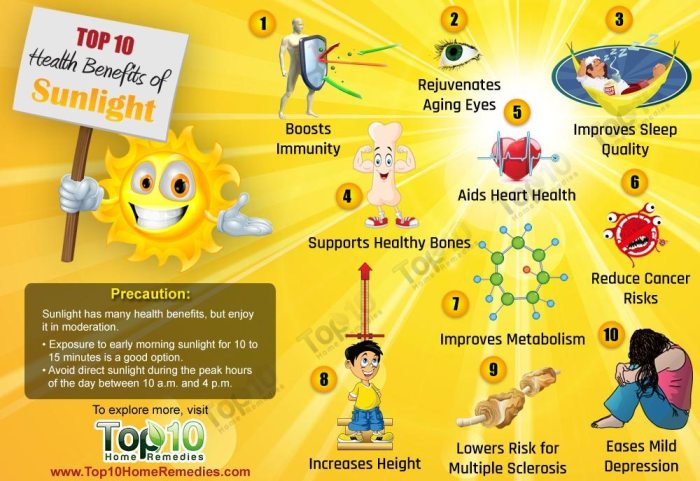
Sunlight exposure plays a crucial role in the body’s ability to produce vitamin D, a key nutrient that supports immune function. Let’s explore how this relationship boosts overall immunity.

How Sunlight Helps Produce Vitamin D

When our skin is exposed to sunlight, it triggers a series of reactions that lead to the production of vitamin D. Specifically, ultraviolet B (UVB) rays penetrate the skin and convert a compound called 7-dehydrocholesterol into vitamin D3, also known as cholecalciferol.

Role of Vitamin D in Supporting Immune Function

Vitamin D plays a vital role in modulating the immune system by enhancing the function of immune cells and reducing inflammation. It helps the body fight off infections and maintain a balanced immune response.

Relationship Between Sunlight, Vitamin D, and Immune System Regulation

Adequate sunlight exposure ensures that our bodies have sufficient levels of vitamin D to support optimal immune function. Without enough vitamin D, our immune system may become compromised, leading to increased susceptibility to infections and other health issues.

Examples of How Sunlight Exposure Boosts Overall Immunity

1. Research has shown that individuals with higher vitamin D levels are less likely to experience respiratory infections.
2. Sunlight exposure has been linked to a lower risk of autoimmune diseases, such as multiple sclerosis and rheumatoid arthritis.
3. Adequate vitamin D levels have been associated with a reduced risk of developing certain types of cancer.

Mental Wellness

Sunlight exposure plays a crucial role in influencing mental health positively. The impact of sunlight on mental wellness is closely tied to the production of vitamin D in the body.

Improvement in Mood and Reduction of Depression Symptoms

  • Vitamin D, obtained from sunlight exposure, has been linked to the regulation of mood and reduction of symptoms associated with depression.
  • Studies have shown that individuals with low levels of vitamin D are more likely to experience symptoms of depression.
  • Increased exposure to natural light can lead to an improvement in overall mood and a reduction in feelings of anxiety and depression.

Connection between Sunlight, Vitamin D, and Mental Well-being

  • Sunlight exposure triggers the production of vitamin D in the skin, which in turn influences the production of serotonin, a neurotransmitter that affects mood regulation.
  • Vitamin D receptors are present in areas of the brain that are involved in the regulation of emotions, highlighting the importance of sunlight in maintaining mental well-being.
  • Adequate levels of vitamin D have been associated with a lower risk of developing mental health disorders such as depression and seasonal affective disorder.

Benefits of Natural Light Exposure for Mental Wellness

  • Natural light exposure during the day helps to regulate the body’s internal clock, promoting better sleep patterns and overall mental health.
  • Spending time outdoors and being exposed to sunlight can increase energy levels and improve cognitive function, contributing to a positive mindset.
  • Individuals who incorporate regular sunlight exposure into their daily routine often report feeling more alert, focused, and emotionally balanced.

Physical Fitness

Sunlight exposure plays a crucial role in enhancing physical fitness levels by supporting various aspects of overall health and well-being.

Role of Vitamin D in Supporting Muscle Function and Strength

Vitamin D is essential for optimal muscle function and strength. It aids in the absorption of calcium, which is vital for muscle contractions and overall muscle performance. Adequate levels of vitamin D can help prevent muscle weakness, fatigue, and improve muscle recovery after exercise.

Outdoor Activities in Sunlight for Improved Physical Performance

Engaging in outdoor activities under sunlight exposure can have a significant impact on physical performance. Activities such as running, cycling, hiking, or playing sports outdoors can help boost endurance, stamina, and overall fitness levels. The combination of physical activity and sunlight exposure can enhance mood, energy levels, and motivation to stay active.

Importance of Sunlight for Overall Physical Health and Fitness

Sunlight is essential for overall physical health and fitness as it stimulates the production of vitamin D in the body. Vitamin D plays a crucial role in maintaining bone health, muscle function, and immune system support, all of which are essential for optimal physical fitness. Regular exposure to sunlight can help improve energy levels, mood, and overall well-being, contributing to better physical performance and fitness levels.

Healthy Eating

Sunlight is a crucial source of vitamin D, which plays a significant role in maintaining overall health and immunity. However, it is essential to complement this natural source of vitamin D with a healthy diet to ensure optimal well-being.

Importance of Vitamin D in a Balanced Diet

Benefits of sunlight and vitamin D for immunity – Vitamin D obtained from sunlight exposure is essential for various bodily functions, including boosting immunity, promoting bone health, and reducing inflammation. Inadequate levels of vitamin D can lead to a weakened immune system, increased risk of infections, and various health issues.

Combining sunlight exposure with a diet rich in vitamin D can help prevent deficiencies and promote overall health. Including foods that are naturally rich in vitamin D can further support the body’s immune system and ensure proper functioning.

Foods Rich in Vitamin D

  • Fatty fish such as salmon, tuna, and mackerel
  • Egg yolks
  • Cheese
  • Mushrooms
  • Fortified foods like dairy products and cereals

By incorporating these vitamin D-rich foods into your daily meals, you can enhance your body’s ability to absorb and utilize vitamin D obtained from sunlight exposure. This synergistic approach can help maintain optimal levels of vitamin D and support overall well-being.

Preventive Care: Benefits Of Sunlight And Vitamin D For Immunity

Benefits of sunlight and vitamin D for immunity

Preventive healthcare plays a crucial role in maintaining overall well-being by reducing the risk of various diseases. Sunlight exposure and adequate levels of vitamin D are key components of preventive care.

Role of Vitamin D in Disease Prevention

Vitamin D is essential for supporting the immune system, which in turn helps reduce the risk of certain diseases. Adequate vitamin D levels have been associated with a lower incidence of conditions such as respiratory infections, cardiovascular diseases, and autoimmune disorders.

Importance of Sunlight Exposure for Overall Health

Sunlight exposure is a natural source of vitamin D production in the body. Incorporating regular sunlight exposure into your routine can help maintain optimal levels of vitamin D, thus supporting your immune system and overall health. It also plays a role in regulating mood and sleep patterns, contributing to mental wellness.

Proactive Approach to Healthcare

By making sunlight exposure a part of your daily routine, you are taking a proactive approach to healthcare. Spending time outdoors, engaging in physical activities under the sun, and ensuring adequate vitamin D intake through diet or supplements can help in disease prevention and overall well-being.

Balanced Diet

Maintaining a balanced diet is crucial for overall health and well-being. Including vitamin D from sunlight in your diet plays a significant role in ensuring optimal nutrition and immunity support.

Sunlight Exposure and Essential Nutrients, Benefits of sunlight and vitamin D for immunity

Sunlight exposure not only provides vitamin D but also complements other essential nutrients necessary for overall health. It helps in the absorption of calcium, which is crucial for bone health, and supports the immune system to fight off infections.

Benefits of Natural Sources of Vitamin D

Incorporating natural sources of vitamin D into your diet offers numerous benefits. Foods like fatty fish, eggs, and fortified dairy products can provide additional sources of vitamin D, contributing to a well-rounded diet that supports immune function and overall health.

Meal Plans for Balanced Diet with Sunlight Exposure

– Breakfast: Include a serving of fortified cereal with milk and a side of scrambled eggs for a vitamin D-rich start to your day.
– Lunch: Opt for grilled salmon paired with leafy greens and a side of yogurt to boost your vitamin D intake and promote a balanced meal.
– Snacks: Choose almonds or cheese as snacks to incorporate vitamin D into your diet between meals.
– Dinner: Enjoy a serving of baked trout with quinoa and steamed broccoli to round out your day with a nutritious, vitamin D-rich meal.

Regular Exercise

Exposure to sunlight can significantly enhance the benefits of regular exercise by providing the body with essential vitamin D. This natural source of vitamin D plays a crucial role in supporting physical activity and exercise performance, contributing to overall well-being.

Role of Vitamin D in Supporting Physical Activity

Vitamin D is essential for maintaining strong bones and muscles, which are vital for physical activity and exercise. It helps in the absorption of calcium, promoting bone health and reducing the risk of fractures during intense workouts. Additionally, vitamin D is known to improve muscle function, strength, and balance, enhancing overall exercise performance.

Importance of Outdoor Workouts for Overall Well-Being

Outdoor workouts offer numerous benefits beyond just physical fitness. Exercising outdoors exposes individuals to natural sunlight, which boosts mood, reduces stress, and improves mental well-being. The fresh air and change of scenery also provide a refreshing environment for workouts, increasing motivation and energy levels.

Examples of Exercise Routines Incorporating Sunlight Exposure

– Morning runs or walks in the park to start the day with sunlight exposure.
– Outdoor yoga or pilates sessions to combine exercise with relaxation and vitamin D absorption.
– Cycling or hiking in nature trails to enjoy the outdoors while staying active.
– High-intensity interval training (HIIT) in a sunny outdoor space for a challenging workout with vitamin D benefits.

Mental Health

Sunlight exposure and vitamin D play a crucial role in mental health maintenance and well-being. Adequate sunlight exposure has been linked to improved mental health and can help alleviate symptoms of anxiety and stress.

Benefits of Sunlight and Vitamin D for Mental Health

  • Increased serotonin levels: Sunlight exposure triggers the release of serotonin, a neurotransmitter that contributes to feelings of happiness and well-being.
  • Reduced risk of depression: Studies have shown that individuals with higher levels of vitamin D are less likely to experience symptoms of depression.
  • Improved sleep quality: Exposure to natural light helps regulate the body’s internal clock, leading to better sleep patterns and overall mental well-being.

Holistic Wellness

Sunlight and vitamin D play a crucial role in promoting holistic wellness by contributing to the interconnectedness of physical, mental, and emotional well-being. A holistic approach to health involves incorporating sunlight exposure to enhance overall wellness.

Benefits of Sunlight and Vitamin D for Holistic Wellness

  • Improved mood and mental health: Sunlight exposure stimulates the production of serotonin, a neurotransmitter that boosts mood and helps reduce symptoms of depression and anxiety.
  • Enhanced immune function: Vitamin D, synthesized in the body through sunlight exposure, supports a healthy immune system by regulating immune cell activity.
  • Reduced risk of chronic diseases: Adequate levels of vitamin D have been linked to a lower risk of conditions such as heart disease, diabetes, and certain types of cancer.
  • Healthy bones and muscles: Vitamin D plays a crucial role in calcium absorption, promoting strong bones and muscles, which are essential for overall physical wellness.
  • Better sleep quality: Exposure to natural light helps regulate the body’s internal clock, promoting better sleep patterns and overall restorative sleep.

Chronic Diseases

Sunlight and vitamin D play a crucial role in reducing the risk of chronic diseases. Adequate exposure to sunlight helps the body produce vitamin D, which is essential for maintaining overall health and preventing various chronic conditions.

Impact of Vitamin D Deficiency

Vitamin D deficiency has been linked to the development of several chronic diseases, including osteoporosis, cardiovascular diseases, autoimmune disorders, and certain types of cancer. Insufficient levels of vitamin D in the body can weaken the immune system and increase the susceptibility to these chronic conditions.

Preventive Effects of Sunlight Exposure

Adequate sunlight exposure is essential for maintaining optimal levels of vitamin D, which in turn helps in combating chronic diseases. Research has shown that regular exposure to sunlight can reduce the risk of conditions like heart disease, diabetes, multiple sclerosis, and certain types of cancer.

Examples of Chronic Diseases Influenced by Sunlight and Vitamin D

– Osteoporosis: Vitamin D is crucial for calcium absorption and bone health, reducing the risk of osteoporosis.
– Cardiovascular Diseases: Vitamin D deficiency has been associated with an increased risk of heart disease and hypertension.
– Autoimmune Disorders: Adequate vitamin D levels can help regulate the immune system and reduce the risk of autoimmune conditions like rheumatoid arthritis.
– Cancer: Research suggests that vitamin D may play a role in preventing certain types of cancer, including breast, colon, and prostate cancer.

Immunity Boosters

Immunity boosters are substances or practices that help enhance the body’s immune response, making it more effective in fighting off infections and illnesses. These boosters play a crucial role in maintaining overall health and well-being.

Sunlight Exposure and Vitamin D

Exposure to sunlight and the production of vitamin D in the skin are natural ways to boost immunity. Vitamin D is essential for the proper functioning of the immune system, as it helps regulate immune responses and reduce inflammation. Sunlight exposure is a primary source of vitamin D, making it a key factor in strengthening immunity.

  • Sunlight exposure stimulates the production of vitamin D in the skin, which plays a vital role in enhancing immune function.
  • Vitamin D helps modulate the immune system by promoting the production of antimicrobial peptides that defend against pathogens.
  • Adequate levels of vitamin D have been linked to a reduced risk of infections and autoimmune diseases.

Other Immunity Boosters

In addition to sunlight exposure and vitamin D, there are other immunity boosters that can complement their benefits:

  • Probiotics: These beneficial bacteria help maintain a healthy gut microbiome, which is crucial for immune function.
  • Antioxidants: Found in fruits and vegetables, antioxidants help protect cells from damage and boost the immune system.
  • Exercise: Regular physical activity can improve immune function and reduce the risk of chronic diseases.
  • Healthy Diet: Consuming a balanced diet rich in nutrients supports overall immunity and health.

Commonly Asked Questions

How does sunlight exposure boost immunity?

Sunlight exposure triggers the production of vitamin D in the body, which plays a crucial role in supporting immune function.

Can vitamin D from sunlight improve mental health?

Yes, vitamin D obtained from sunlight has been linked to improved mood and can help reduce symptoms of depression.

What are the benefits of natural light exposure for physical fitness?

Natural light exposure can enhance physical fitness levels by supporting muscle function and strength, leading to improved performance in outdoor activities.

How does sunlight contribute to preventive healthcare?

Sunlight and vitamin D play a role in reducing the risk of certain diseases through immune system support, making them essential components of preventive care.

What are some examples of chronic diseases influenced by sunlight exposure and vitamin D levels?

Chronic conditions such as osteoporosis, cardiovascular diseases, and certain types of cancer can be influenced by adequate sunlight exposure and vitamin D levels.

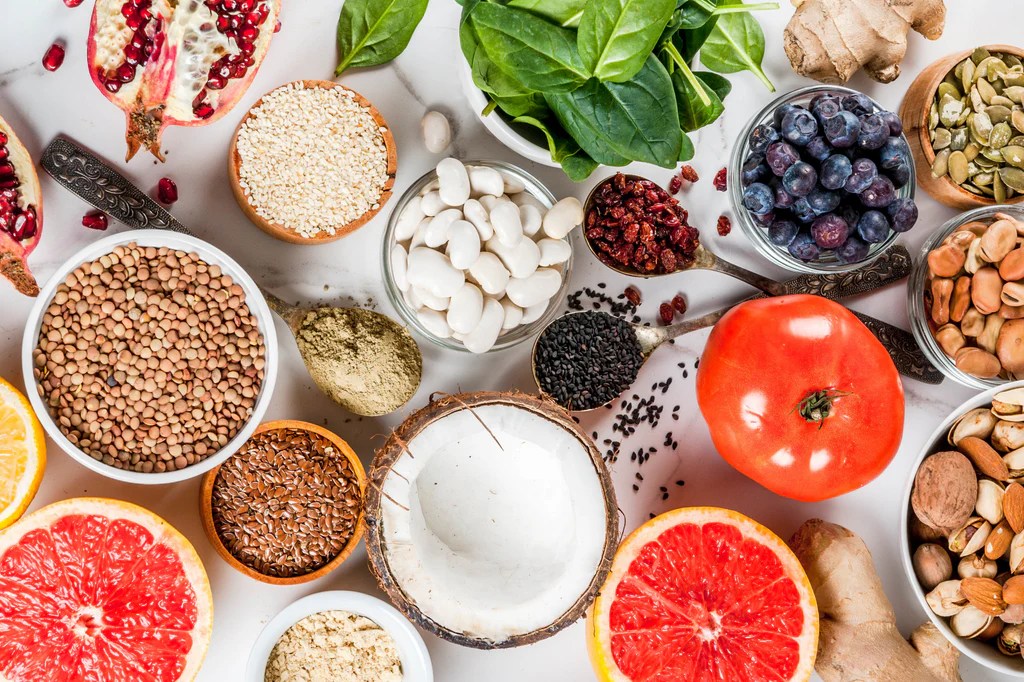
Best herbs and spices for boosting immunity: Enhancing health with natures power

Best herbs and spices for boosting immunity

Best herbs and spices for boosting immunity

Using herbs and spices to boost immunity is a natural and effective way to enhance the body’s defenses against illnesses. These natural ingredients are rich in antioxidants, vitamins, and minerals that can help strengthen the immune system and improve overall health.

Echinacea

Echinacea is a popular herb known for its immune-boosting properties. It has been used for centuries to treat various infections and is believed to stimulate the immune system, helping the body fight off illnesses more effectively.

Ginger

Ginger is not only a flavorful spice but also a potent immune booster. It contains gingerol, a bioactive compound known for its anti-inflammatory and antioxidant effects. Incorporating ginger into your diet can help reduce inflammation and support immune function.

Turmeric

Turmeric is a spice commonly used in cooking and traditional medicine. It contains curcumin, a compound with powerful anti-inflammatory and antioxidant properties. Consuming turmeric can help strengthen the immune system and protect the body against infections.

Garlic

Garlic is a versatile herb known for its immune-boosting benefits. It contains allicin, a sulfur compound that has antimicrobial properties. Regular consumption of garlic can help ward off colds, flu, and other infections.

Cinnamon

Cinnamon is a popular spice with immune-boosting properties. It is rich in antioxidants and has anti-inflammatory effects that can help support the immune system. Adding cinnamon to your meals or drinks can help enhance your body’s defenses against illnesses.

Mental Wellness

Best herbs and spices for boosting immunity
The connection between immunity and mental wellness is crucial, as stress and negative emotions can weaken the immune system. Maintaining a positive mindset and taking care of mental well-being can help boost overall immunity.

Herbs and Spices for Improving Mental Well-being

  • Turmeric: Known for its anti-inflammatory properties, turmeric can help reduce symptoms of depression and anxiety.
  • Lavender: A calming herb that can help reduce stress and promote relaxation, aiding in improving mental well-being.
  • Ashwagandha: An adaptogenic herb that helps the body cope with stress and anxiety, promoting a sense of calmness and overall mental wellness.

Tips for Creating a Holistic Approach to Mental Wellness

  • Incorporate these herbs and spices into your daily meals and beverages to reap their mental health benefits.
  • Practice mindfulness and meditation to help reduce stress levels and promote mental clarity.
  • Stay physically active to boost endorphins and improve overall mood and mental well-being.

Physical Fitness

Best herbs and spices for boosting immunity – When it comes to physical fitness, herbs and spices play a significant role in enhancing performance, aiding in recovery, and supporting overall wellbeing.

Role of Herbs and Spices in Enhancing Physical Fitness

  • Herbs and spices such as turmeric, ginger, and cinnamon have anti-inflammatory properties that can help reduce muscle soreness and improve recovery after workouts.
  • Cayenne pepper and green tea are known to boost metabolism, supporting weight management and energy levels during exercise.
  • Oregano, garlic, and rosemary contain antioxidants that can protect cells from damage caused by intense physical activity.

Impact of a Healthy Immune System on Physical Fitness

  • A strong immune system is crucial for athletes and fitness enthusiasts as it helps prevent illnesses that could hinder training consistency and progress.
  • Reducing inflammation and oxidative stress through the consumption of immune-boosting herbs and spices can contribute to better physical performance and faster recovery.

Recipes Incorporating Herbs and Spices for Pre or Post-Workout Nutrition

  • Golden Milk: Combine turmeric, ginger, cinnamon, and black pepper with coconut milk for a warming pre-workout drink that can help reduce inflammation and support joint health.
  • Protein-Packed Quinoa Salad: Season cooked quinoa with oregano, garlic, and lemon juice, and add roasted vegetables for a nutrient-dense post-workout meal that aids in muscle recovery.
  • Spicy Green Smoothie: Blend kale, pineapple, ginger, and cayenne pepper with coconut water for a refreshing and metabolism-boosting drink to enjoy after a workout.

Healthy Eating: Best Herbs And Spices For Boosting Immunity

Incorporating immune-boosting herbs and spices into a healthy diet is essential for maintaining overall well-being and strengthening the body’s natural defenses. These ingredients not only add flavor to dishes but also provide numerous health benefits that can help support your immune system.

Recipes Featuring Immune-Boosting Herbs and Spices

Here are some examples of recipes that showcase the use of immune-boosting herbs and spices:

  • Immune-Boosting Turmeric Ginger Tea: This soothing tea combines turmeric, ginger, honey, and lemon to create a warm and comforting drink that is packed with immune-boosting properties.
  • Garlic and Herb Roasted Vegetables: Roasting vegetables with a mix of garlic, rosemary, and thyme not only enhances the flavors but also adds a powerful immune-boosting punch to your meal.
  • Herb-Infused Quinoa Salad: Incorporate herbs like parsley, basil, and mint into a refreshing quinoa salad for a nutritious dish that is bursting with flavor and immune-boosting nutrients.

Tips for Balancing Flavors and Nutritional Benefits

When using herbs and spices in cooking, it’s important to balance flavors while maximizing their nutritional benefits. Here are some tips to help you achieve the perfect harmony:

  • Experiment with different combinations of herbs and spices to find the right balance of flavors that complement each other.
  • Use fresh herbs whenever possible for maximum flavor and nutritional content.
  • Consider the health benefits of each herb and spice when planning your meals to ensure you are getting a variety of immune-boosting nutrients.
  • Don’t be afraid to get creative and think outside the box when incorporating herbs and spices into your dishes – the possibilities are endless!

Preventive Care

When it comes to preventive care, incorporating herbs and spices into your daily routine can be incredibly beneficial. These natural ingredients are packed with immune-boosting properties that can help strengthen your body’s defenses against illnesses and diseases.

Role of Herbs and Spices in Preventive Healthcare

Herbs and spices are not only flavorful additions to your meals but also powerful allies in maintaining good health. They contain a wide range of antioxidants, vitamins, and minerals that can support your immune system and overall well-being. By regularly including immune-boosting herbs and spices in your diet, you can proactively protect yourself against common illnesses.

Importance of Including Immune-Boosting Ingredients in Daily Meals, Best herbs and spices for boosting immunity

Creating meals that are rich in immune-boosting herbs and spices is essential for maintaining a strong and resilient immune system. These ingredients can help reduce inflammation, fight off harmful pathogens, and support the body’s natural defense mechanisms. By making a conscious effort to include these powerful ingredients in your daily meals, you can significantly enhance your overall health and well-being.

Creating a Preventative Care Routine with Herbs and Spices

Developing a preventative care routine that incorporates herbs and spices is a proactive approach to safeguarding your health. Start by identifying key herbs and spices known for their immune-boosting properties and find creative ways to incorporate them into your meals. Whether it’s sprinkling turmeric on your morning smoothie or adding fresh garlic to your stir-fry, small changes can make a big difference in supporting your immune system.

Balanced Diet

Maintaining a balanced diet is crucial for supporting immune function as it provides the necessary nutrients and antioxidants to keep the body healthy and resilient. A well-rounded diet ensures that the immune system functions optimally, reducing the risk of infections and illnesses.

Herbs and Spices for a Balanced Diet

Including a variety of herbs and spices in your diet can contribute to a well-rounded and nutritious eating plan. Here are some herbs and spices that can enhance the flavor of your meals while providing immune-boosting benefits:

  • Turmeric: Known for its anti-inflammatory properties, turmeric can help reduce inflammation in the body and support overall immune health.
  • Ginger: Ginger is a powerful antioxidant that can help strengthen the immune system and reduce the risk of infections.
  • Garlic: Garlic is rich in allicin, a compound known for its antimicrobial properties, which can help fight off bacteria and viruses.
  • Cinnamon: Cinnamon is packed with antioxidants that can help protect the body from oxidative stress and support immune function.

Maintaining a Diverse and Balanced Diet

To ensure you maintain a diverse and balanced diet, it’s important to incorporate a wide range of herbs and spices into your meals. Here are some tips on how to do so:

  1. Experiment with new herbs and spices: Try adding different herbs and spices to your dishes to discover new flavors and health benefits.
  2. Include a variety of colors: Incorporate colorful herbs and spices like turmeric, paprika, and parsley to add visual appeal and a range of nutrients to your meals.
  3. Use herbs and spices in different ways: Whether fresh, dried, ground, or whole, there are numerous ways to incorporate herbs and spices into your cooking for added flavor and nutritional value.

Regular Exercise

Regular exercise is an essential component of a healthy lifestyle, contributing to overall well-being and immune system function. When combined with the right herbs and spices, physical activity can have a synergistic effect on boosting immunity and promoting recovery.

Complementing Exercise with Herbs and Spices

Herbs and spices can complement a regular exercise routine by providing antioxidants, anti-inflammatory properties, and essential nutrients that support the immune system. Ingredients like turmeric, ginger, garlic, and cinnamon have been shown to have immune-boosting effects, aiding in the body’s ability to fight off infections and reduce inflammation.

Benefits of Combining Ingredients with Physical Activity

Combining immune-boosting herbs and spices with physical activity can enhance the body’s response to exercise stress and promote faster recovery. The anti-inflammatory properties of certain herbs can help reduce muscle soreness and improve overall performance, while antioxidants protect cells from damage caused by oxidative stress during exercise.

Post-Exercise Meals with Herbs and Spices

  • Turmeric Smoothie: Blend turmeric, ginger, banana, and coconut milk for a refreshing post-workout drink that reduces inflammation.
  • Garlic and Herb Grilled Chicken: Incorporate garlic, rosemary, and thyme in marinades for grilled chicken to support muscle recovery and immune function.
  • Cinnamon Oatmeal: Sprinkle cinnamon on oatmeal with nuts and fruits for a balanced post-exercise meal that aids in blood sugar regulation and immune support.

Mental Health

When it comes to mental health, the impact of herbs and spices cannot be underestimated. These natural ingredients have the potential to positively influence emotional well-being and alleviate stress and anxiety, contributing to overall mental wellness.

Herbs and Spices for Mental Well-being

  • Turmeric: Known for its anti-inflammatory properties, turmeric can help reduce symptoms of depression and anxiety.
  • Ginger: With its calming effects, ginger can help lower stress levels and promote relaxation.
  • Lavender: Often used in aromatherapy, lavender can help reduce anxiety and improve sleep quality.
  • Chamomile: This herb is renowned for its calming properties, making it an excellent choice for reducing stress and promoting relaxation.

Incorporating Herbs and Spices into Daily Meals

  • Add turmeric to soups, stews, and curries for a flavorful boost that supports mental health.
  • Infuse ginger into teas or use it in stir-fries to enjoy its stress-relieving benefits.
  • Sprinkle lavender on desserts or use it in baking to relax and unwind after a long day.
  • Brew chamomile tea or incorporate it into salads for a soothing effect on the mind and body.

Holistic Wellness

When we talk about holistic wellness, we refer to the idea of taking care of our whole being, including mind, body, and spirit. It emphasizes the interconnectedness of all aspects of our health and well-being.

One crucial aspect of holistic wellness is its connection to immunity. By nourishing our bodies with the right nutrients, herbs, and spices, we can strengthen our immune system and protect ourselves from various illnesses and diseases.

Herbs and Spices for Overall Well-being

Adding certain herbs and spices to our diet can promote overall well-being and support our immune system. Some examples include:

  • Turmeric: Known for its anti-inflammatory properties, turmeric can help reduce inflammation in the body and boost immunity.
  • Ginger: Ginger is a powerful antioxidant that can help fight off infections and support digestive health.
  • Garlic: Garlic is well-known for its immune-boosting properties and its ability to combat colds and flu.

Creating a Holistic Wellness Routine

Creating a holistic wellness routine that includes immune-boosting herbs and spices can be beneficial for overall health. Here are some tips to help you get started:

  1. Start your day with a warm cup of water and lemon to aid digestion and boost your immune system.
  2. Incorporate herbs and spices like turmeric, ginger, and garlic into your meals to enhance their flavor and health benefits.
  3. Practice mindfulness and stress-reducing activities like yoga or meditation to support mental well-being, which in turn can strengthen immunity.

Chronic Diseases

Herbs and spices have been recognized for their potential role in reducing the risk of chronic diseases due to their powerful anti-inflammatory properties and antioxidant content. Incorporating these ingredients into your daily diet can play a significant role in supporting overall health and potentially preventing the onset of chronic conditions.

Herbs and Spices with Anti-Inflammatory Properties

Anti-inflammatory herbs and spices can help reduce inflammation in the body, which is often linked to the development of chronic diseases. Some examples of herbs and spices known for their anti-inflammatory properties include:

  • Turmeric: Contains curcumin, a potent anti-inflammatory compound that may help reduce inflammation and oxidative stress.
  • Ginger: Known for its anti-inflammatory and antioxidant properties, ginger can help combat inflammation in the body.
  • Cinnamon: Has anti-inflammatory effects and may help lower inflammation levels, which is beneficial for overall health.
  • Garlic: Contains allicin, a compound with anti-inflammatory properties that may help reduce the risk of chronic diseases.

Incorporating Herbs and Spices for Overall Health

By including these herbs and spices in your cooking and meal preparation, you can not only enhance the flavor of your dishes but also boost their nutritional value. The anti-inflammatory and antioxidant properties of these ingredients can help support your immune system, reduce inflammation, and potentially lower the risk of chronic diseases such as heart disease, diabetes, and certain types of cancer.

Immunity Boosters

Maintaining a strong immune system is crucial for overall health and well-being. A robust immune system helps protect the body against harmful pathogens, reduces the risk of infections, and promotes faster recovery from illnesses.

List of Powerful Immunity Boosters

  • Turmeric: Known for its anti-inflammatory and antioxidant properties, turmeric can help boost immunity and reduce the risk of chronic diseases.
  • Ginger: Ginger has immune-boosting properties and can help combat inflammation in the body.
  • Garlic: Garlic is rich in allicin, a compound that helps enhance the immune system and fight off infections.
  • Elderberry: Elderberry is packed with antioxidants and vitamins that can help strengthen the immune system.
  • Oregano: Oregano contains compounds that have antimicrobial and immune-boosting properties.

Tips for Incorporating Immunity Boosters into Daily Meals

Adding these immunity-boosting herbs and spices to your daily meals can help support your immune system:

  1. Include turmeric in soups, stews, or curries for a flavorful boost.
  2. Add fresh ginger to smoothies, stir-fries, or teas for a spicy kick.
  3. Use garlic in salad dressings, marinades, or roasted vegetables for added flavor and immune support.
  4. Enjoy elderberry syrup or tea as a delicious way to incorporate this immune-boosting ingredient into your diet.
  5. Sprinkle oregano on pizzas, pasta dishes, or roasted veggies for a savory touch and immune-boosting benefits.

FAQ Explained

Can herbs and spices really boost immunity?

Yes, certain herbs and spices like ginger and echinacea have properties that can enhance your immune system.

How can I incorporate these herbs and spices into my diet?

You can add them to soups, smoothies, salads, or even steep them in tea for a flavorful immune boost.

Are there any side effects of consuming these herbs and spices?

While generally safe, some individuals may experience allergies or interactions with certain medications, so it’s best to consult a healthcare provider.

How to boost immunity with superfoods: Enhancing Health Naturally

How to boost immunity with superfoods

Mental Wellness

Maintaining mental wellness is crucial for boosting immunity as the mind and body are interconnected. When we are stressed or anxious, our immune system can weaken, making us more susceptible to illnesses. On the other hand, a positive mindset and reduced stress levels can enhance our body’s ability to fight off infections and diseases.

Stress-Reducing Activities

Engaging in activities that help reduce stress can significantly boost immunity. Some examples include:

  • Practicing mindfulness and meditation
  • Exercising regularly
  • Spending time in nature
  • Connecting with loved ones
  • Pursuing hobbies and interests

Impact of Positive Thinking

Positive thinking plays a vital role in improving overall immunity. When we maintain a positive outlook, our body releases feel-good hormones like endorphins, which can strengthen our immune response. By focusing on gratitude, optimism, and resilience, we can create a positive environment within our bodies that supports a strong immune system.

Physical Fitness

Regular physical activity plays a crucial role in boosting immunity by promoting overall health and strengthening the body’s defense mechanisms. Engaging in exercise helps improve blood circulation, reduce inflammation, and enhance the function of immune cells, thus making the body more resilient to infections and diseases.

Effective Exercises for Immune Function

  • Cardiovascular Exercise: Activities like running, cycling, or swimming can help increase blood flow, improve heart health, and boost the immune system.
  • Strength Training: Lifting weights or bodyweight exercises can enhance muscle mass, metabolism, and immune function.
  • Yoga: Practicing yoga can reduce stress levels, improve flexibility, and support the immune system through relaxation and mindfulness.
  • Aerobic Workouts: High-intensity interval training (HIIT) or aerobic classes can stimulate the production of white blood cells and enhance immune response.

Importance of Maintaining an Active Lifestyle for Immunity

Regular physical activity not only strengthens the immune system but also helps in maintaining a healthy weight, reducing the risk of chronic diseases, and improving mental well-being. By incorporating exercise into your daily routine, you can boost your immunity, increase energy levels, and enhance overall quality of life.

Healthy Eating

How to boost immunity with superfoods – Eating a nutritious diet plays a crucial role in supporting a strong immune system. The foods we consume provide essential vitamins, minerals, and antioxidants that help our bodies fight off infections and diseases.

Superfoods for Boosting Immunity

Here are some superfoods known for their immune-boosting properties:

  • 1. Citrus fruits: Rich in vitamin C, which helps increase the production of white blood cells.
  • 2. Berries: Packed with antioxidants that protect cells from damage and inflammation.
  • 3. Leafy greens: Spinach, kale, and other greens provide vitamins A, C, and E, as well as antioxidants.
  • 4. Garlic: Contains immune-boosting compounds that help fight infections.
  • 5. Yogurt: Probiotics in yogurt support a healthy gut, which is essential for a strong immune system.

Immunity-Boosting Meal Ideas

Here are some recipe ideas to incorporate these superfoods into your meals:

  1. Spinach and berry smoothie: Blend spinach, mixed berries, yogurt, and a splash of orange juice for a nutrient-packed breakfast.
  2. Garlic and herb roasted chicken: Marinate chicken breasts with garlic, herbs, and lemon before baking for a flavorful and immune-boosting main dish.
  3. Kale and citrus salad: Toss kale, orange segments, and almonds with a lemon vinaigrette for a refreshing and nutritious side salad.

Preventive Care

How to boost immunity with superfoods
Preventive care plays a crucial role in enhancing immunity by focusing on maintaining overall health and well-being. By taking proactive measures to prevent illnesses and diseases, we can strengthen our immune system and reduce the risk of infections.

Tips for Preventive Health Measures

  • Avoid smoking and limit alcohol consumption to support a healthy immune system.
  • Engage in regular exercise to boost immunity and promote overall well-being.
  • Eat a balanced diet rich in fruits, vegetables, whole grains, and lean proteins to provide essential nutrients for immune function.
  • Get an adequate amount of sleep to allow your body to rest and recharge, supporting immune health.
  • Practice good hygiene by washing hands regularly and avoiding contact with sick individuals to prevent the spread of infections.

Importance of Regular Check-Ups

Regular check-ups with healthcare providers are essential for maintaining optimal health and immunity. These visits allow for early detection of any underlying health issues, ensuring timely intervention and treatment. By monitoring key health indicators such as blood pressure, cholesterol levels, and vaccinations, individuals can proactively manage their health and reduce the risk of immune-related illnesses.

Balanced Diet

How to boost immunity with superfoods
Maintaining a balanced diet is crucial for optimal immunity as it provides the necessary nutrients to support our body’s defense system. A well-balanced diet includes a variety of foods that offer a range of essential nutrients to keep our immune system functioning at its best.

Components of a Well-Balanced Diet

A well-balanced diet consists of a variety of food groups, including fruits, vegetables, whole grains, lean proteins, and healthy fats. Each of these food groups plays a vital role in providing essential nutrients that support immune function.

  • Fruits and Vegetables: Rich in vitamins, minerals, and antioxidants that help boost immunity. Aim for a colorful variety to ensure you get a wide range of nutrients.
  • Whole Grains: Provide fiber, B vitamins, and antioxidants that support overall health and immune function. Choose whole grains like brown rice, quinoa, and whole wheat bread.
  • Lean Proteins: Essential for building and repairing tissues, proteins also play a role in immune function. Opt for lean sources like poultry, fish, beans, and nuts.
  • Healthy Fats: Include sources of healthy fats like avocados, nuts, seeds, and olive oil to support immune health and reduce inflammation.

Essential Nutrients for Immune Function

To support immune function, it’s important to ensure you’re getting an adequate intake of essential nutrients. Some key nutrients that play a role in immune health include:

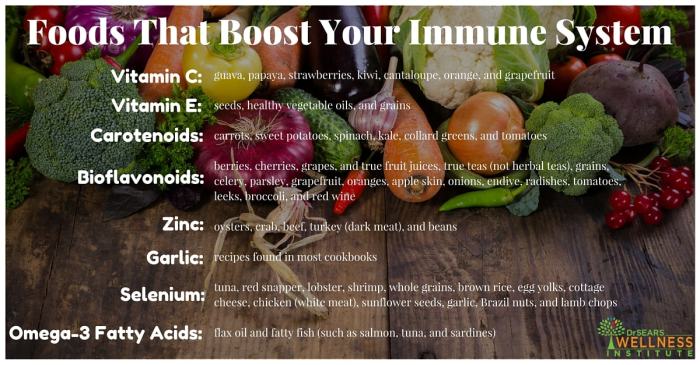
  • Vitamin C: Known for its immune-boosting properties, vitamin C is essential for the growth and repair of tissues in the body.
  • Vitamin D: Helps regulate the immune system and reduce inflammation. Sunlight is a natural source of vitamin D, but it can also be found in fatty fish and fortified foods.
  • Zinc: Supports the immune system by helping with cell growth and healing. Sources of zinc include meat, shellfish, legumes, seeds, and nuts.
  • Probiotics: Healthy bacteria that support gut health, which is closely linked to immune function. Yogurt, kefir, and fermented foods are good sources of probiotics.

Importance of Variety in Food Choices

Including a variety of foods in your diet is essential for ensuring you get a wide range of nutrients that support immune function. Different foods provide different nutrients, so incorporating a variety of fruits, vegetables, whole grains, and lean proteins into your meals can help you cover all your nutritional bases and support overall health and immunity.

Regular Exercise

Regular exercise plays a crucial role in boosting immune health by improving circulation, reducing inflammation, and supporting overall wellness. It can also help reduce stress levels, which in turn can have a positive impact on the immune system.

Types of Exercises for Immunity

  • Cardiovascular exercises: Activities like running, cycling, or swimming can help increase heart rate and improve circulation, which aids in the distribution of immune cells throughout the body.
  • Strength training: Building muscle mass through weightlifting or bodyweight exercises can enhance immune function by promoting the production of antibodies.
  • Yoga and Pilates: These mind-body exercises focus on breathing techniques and flexibility, which can reduce stress and inflammation, ultimately supporting immune health.

Frequency and Duration

Regular exercise for immune support is recommended at least 3-5 times per week, with each session lasting around 30-60 minutes. It’s important to find a balance that works for your schedule and fitness level to maintain consistency and maximize the benefits for your immune system.

Mental Health

Maintaining good mental health is crucial for overall well-being, including immune system function. Stress, anxiety, and other mental health issues can weaken the immune system, making individuals more susceptible to illnesses. It is essential to address mental health to boost immunity effectively.

Impact on Immune System

Chronic stress and anxiety can lead to the release of stress hormones like cortisol, which, when elevated for prolonged periods, can suppress the immune system. This makes the body more vulnerable to infections and diseases.

Coping Mechanisms

  • Practice mindfulness and meditation to reduce stress levels and promote relaxation.
  • Engage in regular physical exercise to release endorphins and improve mood.
  • Seek social support and maintain strong connections with friends and family.
  • Consider therapy or counseling to address underlying issues causing stress and anxiety.

Importance of Self-Care

Self-care practices are essential for mental health and immunity. Taking time for yourself, practicing hobbies, and engaging in activities that bring joy and relaxation can significantly impact mental well-being.

Holistic Wellness

Holistic wellness focuses on the interconnectedness of various aspects of health, including physical, mental, emotional, and spiritual well-being, to achieve overall balance and harmony in the body.

Examples of Holistic Approaches

  • Practicing mindfulness and meditation to reduce stress levels, which can weaken the immune system.
  • Eating a balanced diet rich in nutrients and antioxidants to support immune function and overall health.
  • Incorporating regular exercise into your routine to boost circulation and strengthen the body’s defense mechanisms.
  • Engaging in activities that promote emotional well-being, such as spending time in nature or connecting with loved ones.

Interconnectedness of Wellness for Immune Function

Physical fitness, mental health, healthy eating, and preventive care are all essential components of holistic wellness that contribute to a strong immune system. When these aspects are in balance, the body is better equipped to ward off infections and diseases. For example, regular exercise not only improves cardiovascular health but also enhances the immune response by increasing the production of antibodies and white blood cells. Similarly, a diet high in fruits, vegetables, and whole grains provides essential vitamins and minerals that support immune function.

Chronic Diseases

Chronic diseases can significantly weaken the immune system, making individuals more vulnerable to infections and illnesses. Conditions such as diabetes, heart disease, and autoimmune disorders can create a state of chronic inflammation in the body, which can compromise the immune response over time.

Preventive Strategies for Managing Chronic Conditions and Boosting Immunity, How to boost immunity with superfoods

  • Follow a balanced diet rich in fruits, vegetables, whole grains, and lean proteins to support overall health and immune function.
  • Engage in regular exercise to help manage weight, reduce inflammation, and improve cardiovascular health.
  • Avoid smoking and excessive alcohol consumption, as these habits can further weaken the immune system and exacerbate chronic conditions.
  • Manage stress through relaxation techniques, mindfulness, and adequate sleep to reduce the impact of chronic diseases on immune function.

Importance of Holistic Care for Individuals with Chronic Diseases

Holistic care involves addressing the physical, emotional, and mental aspects of health to provide comprehensive support for individuals with chronic diseases. This approach can help manage symptoms, improve quality of life, and enhance overall well-being by considering the interconnected nature of health and addressing underlying factors contributing to chronic conditions.

Immunity Boosters: How To Boost Immunity With Superfoods

Boosting your immunity is essential for maintaining overall health and wellness. Incorporating natural immunity boosters into your daily routine can help support your immune system and keep you feeling your best.

Natural Immunity Boosters

There are several natural immunity boosters that you can incorporate into your diet to help support your immune system:

  • Garlic: Known for its antimicrobial properties, garlic can help fight off infections and boost immunity.
  • Ginger: Rich in antioxidants, ginger can help reduce inflammation and support immune function.
  • Turmeric: Contains curcumin, a compound with powerful anti-inflammatory and antioxidant properties that can help boost immunity.
  • Vitamin C: Found in citrus fruits, bell peppers, and leafy greens, vitamin C is essential for immune function.
  • Zinc: Helps regulate immune function and can be found in foods like beans, nuts, seeds, and whole grains.

It’s important to consume a variety of these natural immunity boosters to ensure you’re getting a wide range of nutrients to support your immune system.

Incorporating Immunity Boosters

To maximize the benefits of immunity boosters, try incorporating them into your daily routine in the following ways:

  1. Add garlic and ginger to stir-fries, soups, and sauces for added flavor and immune-boosting benefits.
  2. Squeeze fresh lemon or lime juice over salads or vegetables to increase your vitamin C intake.
  3. Add turmeric to curries, smoothies, or even a warm cup of turmeric tea for its immune-boosting properties.
  4. Include zinc-rich foods like beans, nuts, and seeds as snacks or in your meals to support immune function.

FAQ Guide

Can superfoods alone boost immunity effectively?

While superfoods play a crucial role in enhancing immunity, a holistic approach including other factors like exercise and mental wellness is essential for overall well-being.

Are there any specific superfoods that are exceptionally good for immunity?

Superfoods like spinach, berries, turmeric, and garlic are known for their immune-boosting properties due to their rich nutrient content.

How often should one consume superfoods to see a noticeable improvement in immunity?

Consistency is key when incorporating superfoods into your diet. Aim for a balanced intake throughout the week to experience the benefits over time.

Role of nutrition in managing chronic diseases: A Key to Health

Role of nutrition in managing chronic diseases

Role of Nutrition in Managing Chronic Diseases

Nutrition plays a crucial role in managing chronic diseases by influencing various aspects of our health. The connection between nutrition and chronic diseases is evident, as poor dietary choices can exacerbate symptoms and lead to the progression of certain conditions.

Examples of Chronic Diseases Managed Through Nutrition

  • Diabetes: Proper management of carbohydrate intake and monitoring blood sugar levels can help control diabetes.
  • Heart Disease: A diet low in saturated fats and high in fruits, vegetables, and whole grains can reduce the risk of heart disease.
  • Hypertension: Limiting sodium intake and consuming foods rich in potassium can help manage hypertension.

Impact of a Balanced Diet on Preventing and Managing Chronic Conditions

A balanced diet, rich in nutrients such as vitamins, minerals, antioxidants, and fiber, can help prevent the onset of chronic diseases and manage existing conditions. By providing the body with essential nutrients, a balanced diet supports overall health and strengthens the immune system, reducing the risk of complications associated with chronic diseases.

Specific Nutrients for Managing Symptoms of Chronic Diseases

  • Omega-3 Fatty Acids: Found in fatty fish, flaxseeds, and walnuts, omega-3 fatty acids have anti-inflammatory properties that can help reduce inflammation in conditions like arthritis.
  • Vitamin D: Essential for bone health, vitamin D can also play a role in managing symptoms of autoimmune diseases like multiple sclerosis.
  • Fiber: Found in fruits, vegetables, and whole grains, fiber can aid in digestion and help regulate blood sugar levels in conditions like diabetes.

Mental Wellness

Role of nutrition in managing chronic diseases
Proper nutrition plays a crucial role in maintaining mental well-being. The food we eat can significantly impact our mood, cognitive function, and overall mental health.

Nutrition and Mental Health

A balanced diet rich in nutrients like vitamins, minerals, and antioxidants is essential for supporting brain function and mental well-being. Certain foods have been found to have a positive impact on mental health due to their nutrient content.

  • Fatty Fish: Fish like salmon, mackerel, and sardines are high in omega-3 fatty acids, which are important for brain health and can help reduce symptoms of depression and anxiety.
  • Leafy Greens: Vegetables like spinach, kale, and broccoli are rich in vitamins and minerals that support cognitive function and may help reduce the risk of mental health disorders.
  • Nuts and Seeds: Almonds, walnuts, chia seeds, and flaxseeds are good sources of healthy fats, vitamins, and minerals that can benefit brain health and improve mood.

Omega-3 Fatty Acids and Mental Well-Being

Omega-3 fatty acids are essential fats that play a key role in brain function and mental health. These fats are found in high amounts in fatty fish, flaxseeds, chia seeds, and walnuts. Research suggests that omega-3 fatty acids may help reduce symptoms of depression, anxiety, and other mental health conditions by supporting neurotransmitter function and reducing inflammation in the brain.

Physical Fitness

Proper nutrition is essential for achieving and maintaining physical fitness. The food we consume provides the energy and nutrients needed to support our physical activities and overall health.

Role of Nutrition in Physical Fitness

Nutrition plays a crucial role in physical fitness by providing the necessary fuel for exercise and supporting muscle growth and recovery. A well-balanced diet consisting of carbohydrates, proteins, fats, vitamins, and minerals is essential for optimal performance.

  • Carbohydrates: Carbohydrates are the body’s primary source of energy, especially during high-intensity exercise. Including complex carbohydrates like whole grains, fruits, and vegetables in your diet can help sustain energy levels during workouts.
  • Proteins: Proteins are important for muscle repair and growth. Foods rich in lean protein such as chicken, fish, tofu, and legumes can help maintain muscle mass and support recovery after exercise.
  • Fats: Healthy fats are necessary for overall health and can provide sustained energy during endurance activities. Incorporating sources of unsaturated fats like nuts, seeds, and avocado can benefit physical performance.
  • Vitamins and Minerals: Essential vitamins and minerals play a key role in various bodily functions, including metabolism and muscle function. Consuming a variety of fruits, vegetables, and whole grains can help meet these nutrient needs.

Hydration and Nutrition for Physical Fitness

Hydration is closely linked to nutrition when it comes to physical fitness. Proper hydration is essential for regulating body temperature, transporting nutrients, and maintaining performance during exercise. It is important to drink an adequate amount of water before, during, and after physical activity to prevent dehydration and optimize performance.

Remember, fueling your body with the right nutrients and staying properly hydrated are key components of achieving and sustaining physical fitness.

Healthy Eating

Maintaining a healthy diet is crucial for overall well-being and managing chronic diseases. A balanced and nutritious diet can provide essential nutrients to support the body’s functions and help prevent various health conditions.

Components of a Healthy Diet

  • Include a variety of fruits and vegetables to ensure intake of essential vitamins, minerals, and antioxidants.
  • Incorporate whole grains like brown rice, quinoa, and whole wheat bread for fiber, energy, and nutrients.
  • Choose lean protein sources such as poultry, fish, beans, and nuts to support muscle growth and repair.
  • Incorporate healthy fats like avocados, olive oil, and nuts for heart health and brain function.
  • Avoid processed foods high in added sugars, salt, and unhealthy fats to reduce the risk of chronic diseases.

Benefits of Whole Foods

Whole foods, which are minimally processed and close to their natural state, offer numerous benefits:

  • Higher nutrient content compared to processed foods, providing essential vitamins, minerals, and antioxidants.
  • Fiber content in whole foods supports digestion, promotes satiety, and helps regulate blood sugar levels.
  • Lower risk of chronic diseases such as heart disease, diabetes, and certain cancers due to the absence of harmful additives.
  • Improved overall health and well-being, including better energy levels, mood, and cognitive function.

Tips for Maintaining a Balanced Diet

  • Plan your meals ahead of time to ensure a variety of nutrients and prevent impulsive unhealthy choices.
  • Practice portion control to avoid overeating and maintain a healthy weight.
  • Stay hydrated by drinking an adequate amount of water throughout the day.
  • List down your weekly grocery items and stick to your list to avoid unnecessary purchases.

Meal Planning for Healthy Eating, Role of nutrition in managing chronic diseases

Meal planning can help you make healthier choices and save time and money. Consider the following tips:

  • Choose recipes that include a balance of protein, carbohydrates, and fats for a well-rounded meal.
  • Prepare meals in advance and portion them out to avoid relying on convenience foods or takeout.
  • Include a variety of colors in your meals by incorporating different fruits and vegetables for a wide range of nutrients.
  • Experiment with new ingredients and recipes to keep your meals exciting and prevent boredom with your diet.

Preventive Care

Proper nutrition plays a crucial role in preventive care against chronic diseases. By making healthy food choices and maintaining a balanced diet, individuals can significantly reduce their risk of developing various health conditions.

Role of Antioxidants

Antioxidants are essential compounds that help protect the body against illnesses by neutralizing harmful free radicals. These free radicals can cause oxidative stress, leading to cell damage and increasing the risk of chronic diseases such as cancer and heart disease. Consuming foods rich in antioxidants can help combat these effects and support overall health.

  • Berries: Blueberries, strawberries, and raspberries are excellent sources of antioxidants such as vitamin C and flavonoids.
  • Leafy Greens: Spinach, kale, and Swiss chard are packed with antioxidants like vitamins A, C, and K.
  • Nuts and Seeds: Almonds, walnuts, and chia seeds contain antioxidants like vitamin E and selenium.

Immunity-Boosting Foods

A strong immune system is vital for preventing infections and diseases. Certain foods can help boost immunity and support preventive care by providing essential nutrients and vitamins that enhance immune function.

  • Citrus Fruits: Oranges, lemons, and grapefruits are rich in vitamin C, which is known to strengthen the immune system.
  • Garlic: Garlic contains allicin, a compound with immune-boosting properties that can help fight off infections.
  • Yogurt: Probiotics found in yogurt support gut health, which is closely linked to immune function.

Impact of Dietary Habits

Maintaining healthy dietary habits can play a significant role in preventing the onset of certain conditions such as obesity, diabetes, and cardiovascular diseases. By avoiding processed foods high in sugar, salt, and unhealthy fats, individuals can lower their risk of developing these chronic conditions.

Balanced Diet

A balanced diet refers to consuming the right amount of nutrients that your body needs to function properly. This includes a mix of carbohydrates, proteins, fats, vitamins, and minerals in the right proportions.

Importance of Consuming a Variety of Nutrients

Consuming a variety of nutrients is crucial for maintaining overall health and well-being. Each nutrient plays a unique role in the body, and deficiencies can lead to various health problems. For example, vitamin C is essential for a healthy immune system, while calcium is crucial for strong bones and teeth. By including a variety of nutrients in your diet, you can ensure that your body gets everything it needs to function optimally.

  • Include a colorful array of fruits and vegetables in your meals to get a wide range of vitamins and minerals.
  • Incorporate lean proteins such as chicken, fish, and legumes to meet your protein requirements.
  • Choose whole grains like brown rice, quinoa, and whole-wheat bread for fiber and essential nutrients.
  • Don’t forget healthy fats like avocados, nuts, and olive oil to support brain health and hormone production.

Remember, a balanced diet is not about restricting yourself, but rather about making informed choices that benefit your overall health.

Impact of a Balanced Diet on Health and Well-being

Consuming a balanced diet has numerous benefits for your health and well-being. It can help prevent chronic diseases such as heart disease, diabetes, and obesity. Additionally, a balanced diet can improve your energy levels, mood, and cognitive function. By fueling your body with the right nutrients, you can enhance your quality of life and reduce the risk of developing health issues in the future.

Regular Exercise

Regular exercise is a crucial component of a healthy lifestyle, and when combined with proper nutrition, it can optimize overall health and well-being. Nutrition plays a key role in supporting physical activity by providing the necessary fuel and nutrients for the body to perform at its best.

Role of Nutrition in Exercise

Proper nutrition is essential to complement regular exercise routines as it provides the energy needed to sustain physical activity and enhances performance. Before engaging in any workout, it is important to fuel the body with the right nutrients to ensure optimal performance and prevent fatigue.

  • Carbohydrates: Consuming complex carbohydrates like whole grains, fruits, and vegetables before a workout can provide a sustained source of energy.
  • Proteins: Including lean proteins such as chicken, fish, or legumes can help build and repair muscles during exercise.
  • Hydration: Staying hydrated by drinking water before and during exercise is crucial for maintaining performance and preventing dehydration.

Pre- and Post-Workout Nutrition

Pre-workout nutrition helps prepare the body for physical activity by providing the necessary energy and nutrients. Post-workout nutrition is equally important as it helps replenish glycogen stores, repair muscle tissue, and enhance recovery.

  • Pre-Workout: Consuming a balanced meal or snack with carbohydrates and proteins 1-2 hours before exercise can help optimize performance.
  • Post-Workout: Refueling with a combination of carbohydrates and proteins within 30 minutes to 1 hour after exercise can aid in muscle recovery and replenish energy stores.

Foods for Different Types of Exercises

The type of exercise can influence the nutritional needs of the body. Different activities may require specific nutrients to support performance and recovery.

  • Endurance Exercise: Consuming foods rich in carbohydrates like oatmeal, bananas, and whole grain bread can provide sustained energy for endurance activities.
  • Strength Training: Including protein-rich foods such as Greek yogurt, eggs, and lean meats can support muscle growth and repair after strength training workouts.
  • Flexibility and Balance: Hydration is key for exercises focused on flexibility and balance, along with incorporating nutrient-dense foods like nuts, seeds, and leafy greens for overall health.

Importance of Nutrient Replenishment

Replenishing nutrients post-exercise is essential for recovery, muscle repair, and overall well-being. Consuming a combination of carbohydrates, proteins, and fluids after a workout can help the body recover faster and prepare for the next physical activity.

Regular exercise, combined with proper nutrition, is a powerful duo that can improve physical fitness, mental wellness, and overall health. By understanding the role of nutrition in supporting exercise routines, individuals can optimize their performance and achieve their health goals more effectively.

Mental Health

Proper nutrition plays a crucial role in maintaining good mental health. The food we eat can directly impact our mood, cognition, and overall mental well-being. In this section, we will explore the connection between nutrition and mental health disorders, the role of specific nutrients in supporting mental health conditions, dietary patterns that promote mental well-being, and the fascinating gut-brain connection.

Nutrition and Mental Health Disorders

Research has shown that certain nutrients can have a significant impact on mental health disorders such as depression, anxiety, and schizophrenia. For example, omega-3 fatty acids found in fish oil have been linked to reduced symptoms of depression and improved brain function. Similarly, vitamin D deficiency has been associated with an increased risk of mood disorders.

Specific Nutrients for Mental Health

– Omega-3 fatty acids: Found in fatty fish, flaxseeds, and walnuts, these essential fats are crucial for brain health and can help alleviate symptoms of depression.
– Magnesium: Found in nuts, seeds, and leafy greens, magnesium plays a role in neurotransmitter function and can help reduce anxiety.
– Vitamin B12: Found in animal products, vitamin B12 is important for mood regulation and can help prevent mood disorders.

Dietary Patterns for Mental Well-being

Adopting a Mediterranean diet rich in fruits, vegetables, whole grains, nuts, and healthy fats has been associated with a lower risk of depression and anxiety. This diet provides essential nutrients and antioxidants that support brain health and promote overall well-being.

Gut-Brain Connection

The gut-brain connection refers to the bidirectional communication between the gut and the brain, highlighting the impact of gut health on mental health. A healthy gut microbiome is essential for the production of neurotransmitters like serotonin, which plays a key role in regulating mood and behavior. Consuming probiotic-rich foods like yogurt and fermented vegetables can support gut health and positively influence mental well-being.

Holistic Wellness

Role of nutrition in managing chronic diseases
Nutrition plays a crucial role in achieving holistic wellness by addressing the interconnectedness of physical, mental, and emotional well-being through diet. A holistic approach to nutrition considers not only the nutritional content of food but also how it impacts all aspects of health and wellness.

Benefits of Holistic Nutrition

  • Supports overall well-being: Consuming a variety of nutrient-dense foods can help maintain a healthy weight, boost energy levels, and improve mood.
  • Enhances mental clarity: Certain nutrients, such as omega-3 fatty acids and antioxidants, have been linked to improved cognitive function and reduced risk of mental health disorders.
  • Promotes emotional balance: Balanced meals can stabilize blood sugar levels, which in turn can help regulate mood and reduce stress levels.

Tips for Adopting a Holistic Approach

  • Eat whole foods: Focus on consuming whole, unprocessed foods like fruits, vegetables, whole grains, and lean proteins to maximize nutrient intake.
  • Stay hydrated: Drinking an adequate amount of water is essential for digestion, nutrient absorption, and overall well-being.
  • Practice mindful eating: Pay attention to hunger and fullness cues, savoring each bite, and eating without distractions to foster a healthy relationship with food.

Examples of Holistic Practices

  • Meal planning: Preparing balanced meals ahead of time ensures that you have nutritious options readily available, reducing the likelihood of unhealthy choices.
  • Mind-body exercises: Engaging in activities like yoga or tai chi can promote relaxation, reduce stress, and enhance overall well-being.
  • Herbal remedies: Incorporating herbs and spices known for their medicinal properties, such as turmeric or ginger, can provide additional health benefits.

Immunity Boosters

Role of nutrition in managing chronic diseases – Proper nutrition plays a crucial role in boosting the immune system and improving overall health. By incorporating certain vitamins, minerals, and antioxidants into your diet, you can strengthen your body’s defense mechanisms and ward off illnesses.

Role of Vitamins and Minerals

Vitamins and minerals are essential for supporting a healthy immune system. Vitamin C, for example, is known for its immune-boosting properties and can be found in citrus fruits, strawberries, and bell peppers. Zinc is another important mineral that helps regulate immune function and can be obtained from foods like lean meat, poultry, and legumes.

Immune-Boosting Foods

  • Citrus fruits: Oranges, grapefruits, and lemons are rich in vitamin C.
  • Leafy greens: Spinach, kale, and Swiss chard provide vitamins and antioxidants.
  • Yogurt: Probiotics in yogurt can help support gut health, which is linked to immune function.
  • Garlic: Contains compounds that have been shown to boost the immune system.

Importance of a Well-Rounded Diet

Consuming a variety of nutrient-rich foods is essential for maintaining a strong immune system. A well-rounded diet that includes fruits, vegetables, whole grains, lean proteins, and healthy fats can provide the necessary nutrients to support immune function and overall wellness.

FAQ Section

How does nutrition affect chronic diseases?

Nutrition plays a vital role in managing chronic diseases by providing essential nutrients that support the body’s functions and help in reducing symptoms and complications.

Can chronic diseases be completely cured through nutrition?

While nutrition can significantly improve the management of chronic diseases, complete cure may not always be possible. However, a healthy diet can play a crucial role in enhancing overall health and quality of life.

What are some common dietary choices that can help in managing chronic conditions?

Including more fruits, vegetables, whole grains, lean proteins, and healthy fats in your diet can aid in managing chronic diseases by providing essential nutrients and supporting overall health.

How can nutrition help in preventing chronic diseases?

Nutrition can act as a preventive measure against chronic diseases by boosting immunity, reducing inflammation, and providing antioxidants that protect the body from illnesses.

Chronic disease management programs and resources: Enhancing Healthcare

Chronic disease management programs and resources

Chronic Disease Management Programs and Resources

Chronic disease management programs and resources
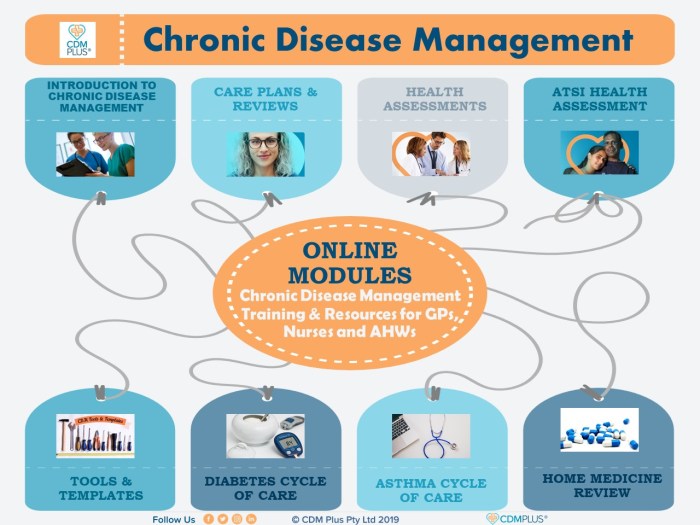
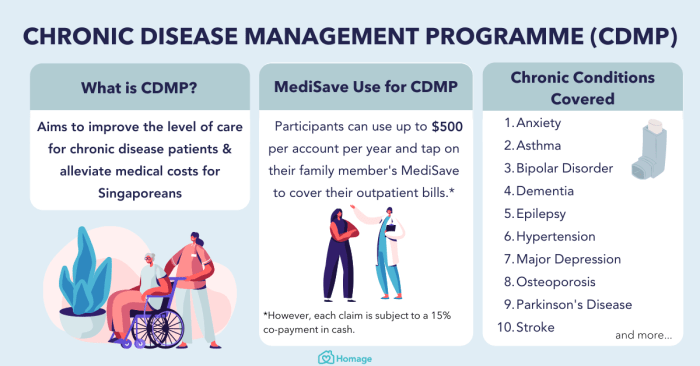
Chronic disease management programs play a crucial role in healthcare by providing comprehensive care and support to individuals dealing with long-term health conditions. These programs aim to improve the quality of life for patients, reduce healthcare costs, and prevent complications associated with chronic diseases.

Importance of Chronic Disease Management Programs

Chronic disease management programs offer structured care plans that help patients manage their conditions effectively. They provide education, counseling, and monitoring to ensure that patients adhere to treatment plans and make healthy lifestyle choices. By promoting self-management and regular follow-ups, these programs help prevent disease progression and reduce hospitalizations.

  • Regular monitoring of vital signs and symptoms
  • Dietary and exercise recommendations
  • Mental health support and counseling
  • Medication management and adherence

Role of Technology in Enhancing Chronic Disease Management Programs

Technology plays a vital role in improving the efficiency and effectiveness of chronic disease management programs. From telemedicine and remote monitoring devices to health apps and wearable gadgets, technology enables healthcare providers to track patient data in real-time, communicate with patients more effectively, and provide timely interventions.

  • Telemedicine for virtual consultations and follow-ups
  • Remote monitoring devices for tracking patient progress
  • Health apps for medication reminders and health tracking
  • Wearable gadgets for continuous monitoring of vital signs

Mental Wellness

The connection between mental wellness and chronic disease management is crucial as mental health plays a significant role in overall well-being. Managing chronic conditions can often lead to stress, anxiety, and depression, impacting both physical and mental health.

Strategies for Improving Mental Wellness

  • Practice mindfulness and meditation to reduce stress levels and promote relaxation.
  • Engage in regular physical activity to boost mood and reduce symptoms of depression.
  • Seek support from friends, family, or a therapist to address emotional challenges and develop coping mechanisms.
  • Ensure an adequate amount of sleep to improve mental clarity and emotional resilience.

Impact of Stress on Chronic Conditions and Ways to Address It

Stress can exacerbate symptoms of chronic diseases such as heart disease, diabetes, and autoimmune disorders. It can lead to inflammation, weakened immune function, and poor disease management. To address stress in the context of chronic conditions:

  1. Implement stress-reducing techniques like deep breathing exercises or progressive muscle relaxation.
  2. Establish a healthy work-life balance to prevent burnout and overwhelming stress levels.
  3. Participate in activities that bring joy and relaxation, such as hobbies, spending time in nature, or listening to music.

Physical Fitness

Regular exercise plays a crucial role in managing chronic diseases by improving overall health and quality of life. It helps in controlling weight, reducing the risk of heart disease, and improving blood circulation.

Benefits of Physical Fitness in Disease Management

  • Strengthens muscles and improves flexibility, reducing the risk of falls and injuries.
  • Boosts mood and mental well-being through the release of endorphins, reducing stress and anxiety.
  • Improves cardiovascular health by lowering blood pressure and cholesterol levels.

Fitness Programs for Individuals with Chronic Conditions

  • Cardiac Rehabilitation Programs:

    Tailored for individuals with heart conditions to improve heart health through supervised exercise and education.

  • Arthritis Exercise Programs:

    Focus on low-impact activities to reduce joint pain and stiffness while increasing mobility.

  • Pulmonary Rehabilitation Programs:

    Help individuals with lung conditions improve breathing and endurance through exercise and breathing techniques.

Contribution of Physical Fitness to Overall Well-Being

  • Enhances immune function, reducing the risk of infections and illnesses.
  • Increases energy levels and stamina, promoting independence and productivity in daily activities.
  • Improves sleep quality, aiding in better rest and recovery for the body.

Healthy Eating

Chronic disease management programs and resources – Proper nutrition plays a crucial role in managing chronic diseases and maintaining overall health. A balanced diet can help individuals with chronic conditions better manage their symptoms and improve their quality of life.

Tips for Creating a Balanced Diet

  • Aim for variety in your diet by including fruits, vegetables, whole grains, lean proteins, and healthy fats.
  • Avoid processed foods, sugary drinks, and excessive salt intake.
  • Stay hydrated by drinking an adequate amount of water throughout the day.
  • Monitor portion sizes to ensure you are not overeating.

Importance of Meal Planning and Healthy Eating Habits

Meal planning can help individuals with chronic diseases stay on track with their dietary goals and ensure they are getting the nutrients they need. Establishing healthy eating habits, such as mindful eating and avoiding emotional eating, can also contribute to better management of chronic conditions.

Preventive Care

Preventive care plays a crucial role in managing chronic diseases by focusing on measures aimed at preventing the onset of complications associated with these conditions.

Importance of Preventive Measures

  • Regular physical activity: Engaging in regular exercise can help improve overall health and reduce the risk of complications from chronic diseases such as heart disease and diabetes.
  • Healthy diet: Consuming a balanced diet rich in fruits, vegetables, whole grains, and lean proteins can help control blood sugar levels and manage conditions like hypertension.
  • Smoking cessation: Quitting smoking can significantly reduce the risk of developing complications from chronic respiratory conditions like COPD.

Role of Regular Screenings and Check-ups

Regular screenings and check-ups are essential components of preventive care for chronic diseases as they help in early detection of any changes or abnormalities in the body. These screenings can include blood tests, imaging studies, and physical examinations to monitor the progression of the disease and adjust treatment plans accordingly.

Balanced Diet

Maintaining a balanced diet is crucial for individuals with chronic diseases as it plays a significant role in managing their condition and overall health. A balanced diet consists of a variety of nutrients in appropriate proportions to support optimal functioning of the body and combat the effects of the disease.

Components of a Balanced Diet

  • Proteins: Essential for tissue repair and immune function. Sources include lean meats, poultry, fish, eggs, dairy, legumes, and nuts.
  • Carbohydrates: Provide energy and fiber for digestion. Opt for whole grains, fruits, vegetables, and legumes.
  • Fats: Important for hormone production and absorption of fat-soluble vitamins. Include healthy fats from avocados, nuts, seeds, and olive oil.
  • Vitamins and Minerals: Support various bodily functions. Consume a variety of fruits, vegetables, whole grains, and lean proteins to get a range of nutrients.
  • Water: Hydration is key for overall health. Drink an adequate amount of water throughout the day.

Meal Ideas and Recipes

Promoting a balanced diet can be achieved through meal planning and preparation. Here are some meal ideas and recipes that can support disease management:

  • Grilled salmon with quinoa and roasted vegetables
  • Vegetable stir-fry with tofu and brown rice
  • Greek yogurt parfait with fresh fruits and nuts
  • Chicken and vegetable kebabs with whole wheat pita

Impact of Dietary Choices

“You are what you eat.”

The food choices we make have a direct impact on our health and well-being, especially for individuals with chronic diseases. A balanced diet can help manage symptoms, improve energy levels, and enhance overall quality of life. On the other hand, poor dietary choices can exacerbate symptoms, lead to complications, and hinder disease management efforts.

Regular Exercise: Chronic Disease Management Programs And Resources

Regular exercise plays a crucial role in managing chronic diseases by improving overall health and well-being. It can help reduce symptoms, prevent complications, and enhance quality of life for individuals with chronic conditions.

Examples of Exercises for Different Chronic Conditions

  • For individuals with cardiovascular diseases, low-impact exercises like walking, swimming, or cycling can help improve heart health without putting too much strain on the heart.
  • For those with diabetes, a combination of aerobic exercises (such as brisk walking) and strength training can help manage blood sugar levels and improve insulin sensitivity.
  • Individuals with arthritis can benefit from activities like tai chi, yoga, or water aerobics, which can help improve flexibility, strength, and joint function.
  • For individuals with respiratory conditions like asthma, breathing exercises, and activities that focus on improving lung capacity, such as swimming or gentle yoga, can be beneficial.

Benefits of Regular Physical Activity for Chronic Disease Management

Regular physical activity can significantly improve the quality of life for individuals managing chronic diseases. It helps in:

  • Managing weight and reducing the risk of obesity-related complications.
  • Improving cardiovascular health and reducing the risk of heart disease and stroke.
  • Enhancing mood and reducing symptoms of anxiety and depression.
  • Increasing energy levels and improving overall physical function.
  • Strengthening muscles and joints, reducing the risk of falls and injuries.

Mental Health

Mental health plays a crucial role in the management of chronic diseases, as it directly impacts a person’s overall well-being and quality of life. Dealing with the emotional challenges of living with a chronic condition can be overwhelming, but there are coping mechanisms that can help individuals navigate through these difficulties.

Coping Mechanisms for Emotional Impact, Chronic disease management programs and resources

  • Seeking support from friends, family, or a therapist to talk about feelings and emotions related to the chronic condition.
  • Engaging in relaxation techniques such as deep breathing, meditation, or yoga to reduce stress and anxiety.
  • Practicing mindfulness and staying present in the moment to manage negative thoughts and emotions.
  • Participating in support groups or online communities to connect with others facing similar challenges and share experiences.

Importance of Mental Health Support

Having access to mental health support is essential for individuals managing chronic diseases as it can significantly impact their overall wellness and disease management. It helps in reducing stress, anxiety, and depression, which are common emotional responses to living with a chronic condition. By addressing mental health needs, individuals can improve their coping mechanisms, adherence to treatment plans, and overall quality of life.

Holistic Wellness

Chronic disease management programs and resources
Holistic wellness is a comprehensive approach to health that considers the individual as a whole, incorporating physical, mental, emotional, and spiritual well-being. In the context of chronic disease management, holistic wellness focuses on addressing all aspects of a person’s health to improve overall quality of life and better manage chronic conditions.

Holistic Approaches for Disease Management

Holistic approaches for managing chronic diseases involve integrating physical, mental, and emotional well-being strategies to address the root causes of the condition and promote overall health. Some holistic approaches include:

  • Incorporating mindfulness practices such as meditation and yoga to reduce stress and improve mental well-being.
  • Engaging in regular physical activity to improve physical health and overall fitness levels.
  • Adopting a balanced and nutritious diet to support the body’s immune system and overall health.
  • Prioritizing preventive care measures such as regular health screenings and check-ups to monitor the progression of chronic conditions.

Benefits of Adopting a Holistic Wellness Approach

By adopting a holistic wellness approach in managing chronic conditions, individuals can experience several benefits, including:

  • Improved overall quality of life by addressing all aspects of health and well-being.
  • Better management of chronic conditions by targeting both the symptoms and underlying causes.
  • Enhanced emotional well-being and stress management, leading to a more positive outlook on life.
  • Increased resilience and coping mechanisms to deal with the challenges of living with a chronic disease.

Immunity Boosters

Maintaining a strong immune system is crucial in managing chronic diseases as it helps the body fight off infections and reduce inflammation, which can worsen existing conditions.

Nutrition

  • Eating a diet rich in fruits, vegetables, whole grains, and lean proteins can provide essential vitamins and minerals that support immune function.
  • Include foods high in antioxidants like berries, nuts, and seeds to help reduce oxidative stress and boost immunity.
  • Probiotics found in yogurt, kefir, and fermented foods can promote a healthy gut microbiome, which plays a key role in immune response.

Lifestyle

  • Getting an adequate amount of sleep each night is crucial for immune function and overall health.
  • Regular exercise can help improve circulation and immune cell activity, reducing the risk of chronic diseases.
  • Managing stress through techniques like meditation, yoga, or deep breathing can lower inflammation and support immune function.

Supplements

  • Vitamin C and zinc supplements can help boost immune function and reduce the duration of illnesses.
  • Elderberry extract has been shown to have antiviral properties and may help prevent respiratory infections.
  • Echinacea supplements may enhance immune response and reduce the severity of cold symptoms.

Role in Chronic Disease Management

Maintaining a strong immune system is essential for individuals with chronic conditions as it can help prevent complications and improve overall outcomes. By incorporating immunity boosters through nutrition, lifestyle changes, and supplements, individuals can better manage their chronic diseases and enhance their quality of life.

Quick FAQs

How do chronic disease management programs impact healthcare?

Chronic disease management programs improve healthcare outcomes by providing resources and strategies tailored to individuals with long-term conditions.

What role does technology play in enhancing chronic disease management programs?

Technology enhances chronic disease management programs by offering tools for monitoring, tracking, and communicating health information effectively.

How can mental wellness influence chronic disease management?

Mental wellness plays a key role in managing chronic diseases as it affects overall well-being and can impact treatment adherence and outcomes.

Why is preventive care important in the context of chronic diseases?

Preventive care helps reduce the risk of complications from chronic conditions by focusing on early detection and intervention strategies.

What are some examples of immunity boosters for managing chronic diseases?

Immunity boosters can include foods rich in vitamins and antioxidants, regular exercise, stress management techniques, and appropriate supplements.

How to maintain holistic wellness during travel: Tips for Mental Wellness, Physical Fitness, Healthy Eating, and more

How to maintain holistic wellness during travel

Mental Wellness

Traveling can be a wonderful experience, but it can also be stressful and overwhelming at times. It is essential to prioritize your mental wellness during travel to ensure a positive and enjoyable trip.

Importance of Mental Wellness During Travel

Maintaining good mental health while traveling is crucial for overall well-being. Being in unfamiliar surroundings, dealing with language barriers, jet lag, and the stress of navigating new places can take a toll on your mental state. Neglecting your mental wellness can impact your physical health and enjoyment of the trip.

Tips for Maintaining a Positive Mindset

  • Practice mindfulness and stay present in the moment to fully experience your surroundings.
  • Engage in activities that bring you joy, such as exploring local culture, trying new foods, or immersing yourself in nature.
  • Stay connected with loved ones through video calls or messages to combat feelings of loneliness.
  • Set realistic expectations for your trip and be flexible when things don’t go as planned.

Strategies for Managing Stress and Anxiety

  • Include relaxation techniques in your daily routine, such as deep breathing exercises or yoga.
  • Plan ahead and organize your itinerary to reduce last-minute stressors.
  • Take breaks when needed and listen to your body’s signals for rest.
  • Seek support from travel companions or local resources if you feel overwhelmed or anxious.

Physical Fitness

Staying physically active while traveling is crucial for maintaining overall health and well-being. It not only helps in managing stress and boosting mood but also contributes to better sleep quality and increased energy levels during your trip.

Simple Exercises on the Road

  • Bodyweight exercises like squats, lunges, push-ups, and planks can be done in your hotel room or a nearby park.
  • Take a brisk walk or jog around the neighborhood or explore the city on foot to get some cardio in.
  • Stretching exercises like yoga poses or simple stretches can help improve flexibility and reduce muscle stiffness from long hours of sitting.

Incorporating Movement into Daily Travel Routines

How to maintain holistic wellness during travel – Make use of any opportunities to move your body throughout the day, such as taking the stairs instead of the elevator, walking to nearby attractions instead of taking transportation, or doing a quick workout in the morning to kickstart your day.

Healthy Eating

Eating nutritious meals while traveling can have numerous benefits for your overall well-being. Not only does it provide your body with the necessary nutrients to function properly, but it can also help maintain your energy levels, improve your mood, and support your immune system, which is especially important while on the go.

Benefits of Eating Nutritious Meals While Traveling

  • Provide essential vitamins and minerals for optimal health.
  • Boost energy levels to keep you active and alert throughout the day.
  • Support a healthy immune system to prevent illness while traveling.
  • Improve digestion and prevent discomfort or bloating.

Tips for Making Healthy Food Choices When Dining Out

  • Look for dishes that are grilled, steamed, or baked instead of fried.
  • Choose lean protein sources like chicken, fish, or tofu.
  • Opt for whole grains like brown rice, quinoa, or whole wheat bread.
  • Include plenty of fruits and vegetables in your meals for added nutrients and fiber.
  • Avoid sugary drinks and opt for water, herbal tea, or fresh juices instead.
  • Practice portion control to avoid overeating, especially with large restaurant servings.

Sample Meal Plan for Maintaining a Balanced Diet on the Go

Meal Food Choices
Breakfast Whole grain toast with avocado and poached eggs, a side of fresh fruit
Lunch Grilled chicken salad with mixed greens, cherry tomatoes, cucumbers, and balsamic vinaigrette
Snack Greek yogurt with honey and almonds
Dinner Grilled salmon with quinoa and roasted vegetables
Snack Vegetable sticks with hummus

Preventive Care

Traveling can expose individuals to various health risks, making preventive care essential to avoid any health issues during the trip. By taking proactive measures, travelers can ensure a safe and enjoyable experience while exploring new destinations.

Common Preventive Measures

  • Stay up to date on vaccinations: Before traveling, it is crucial to check if any specific vaccinations are required for your destination to prevent illnesses.
  • Practice good hygiene: Wash your hands frequently, especially before meals, to avoid picking up germs that can cause infections.
  • Pack a travel health kit: Include essential items such as medications, first aid supplies, insect repellent, and sunscreen to address any minor health concerns.
  • Stay hydrated: Drink plenty of water throughout your journey to prevent dehydration, especially in hot climates or during long flights.

Accessing Healthcare Services Abroad

  • Research healthcare options: Before your trip, familiarize yourself with the local healthcare facilities and services available in the area you will be visiting.
  • Consider travel insurance: Invest in travel insurance that covers medical emergencies to ensure you have access to quality healthcare without financial strain.
  • Seek recommendations: In case of illness or injury while abroad, ask locals or hotel staff for recommendations on reputable doctors or clinics for necessary medical attention.
  • Carry important documents: Keep a copy of your medical records, insurance information, and emergency contacts handy in case of unexpected health issues during your travels.

Balanced Diet

Maintaining a balanced diet is crucial for travelers to ensure optimal health and well-being on the go. A balanced diet consists of a variety of nutrient-dense foods that provide essential vitamins, minerals, and macronutrients to support overall wellness.

Nutrient-Rich Foods for Travelers

When planning meals while traveling, consider incorporating the following nutrient-rich foods into your diet:

  • Leafy green vegetables like spinach and kale, rich in vitamins A, C, and K.
  • Lean proteins such as chicken, fish, tofu, or legumes to support muscle health and energy levels.
  • Whole grains like quinoa, brown rice, and oats for sustained energy and fiber.
  • Healthy fats from sources like avocado, nuts, and olive oil to support brain function and heart health.
  • Fruits like berries, citrus fruits, and apples for a dose of antioxidants and vitamins.

Meal Planning for Variety

To ensure a well-rounded diet, aim to include foods from all food groups in your meals while traveling. Here are some tips for planning balanced meals:

  1. Start with a source of lean protein, such as grilled chicken or tofu.
  2. Add a serving of whole grains like quinoa or whole wheat bread.
  3. Incorporate plenty of colorful vegetables for vitamins and minerals.
  4. Include a serving of healthy fats like avocado or nuts.
  5. Don’t forget to enjoy fruits as a sweet and nutritious snack or dessert.

Regular Exercise

Regular exercise plays a crucial role in maintaining holistic wellness during travel. Not only does it help in managing stress and improving mood, but it also contributes to overall physical fitness and health. Finding ways to incorporate workouts into a busy travel itinerary is essential to ensure that you prioritize your well-being even when on the go.

Benefits of Regular Exercise

  • Improves cardiovascular health and stamina
  • Boosts metabolism and aids in weight management
  • Enhances muscle strength and flexibility
  • Reduces the risk of chronic diseases such as heart disease and diabetes
  • Promotes better sleep and overall mental well-being

Suggestions for Fitting Workouts into Travel Itinerary

  • Opt for bodyweight exercises that can be done anywhere, such as squats, lunges, and push-ups
  • Utilize hotel gyms or outdoor spaces for quick workouts
  • Take advantage of fitness classes or guided sessions offered at your travel destination
  • Incorporate physical activities into your sightseeing plans, like walking tours or hiking
  • Make use of fitness apps or online workouts for guidance and motivation

Types of Exercise for Holistic Wellness

Regular exercise comes in various forms, each offering unique benefits to different aspects of holistic wellness:

  • Aerobic Exercise: Improves cardiovascular health and endurance, helping in stress management and enhancing mood.
  • Strength Training: Builds muscle strength, improves metabolism, and supports overall physical fitness.
  • Flexibility and Mobility Work: Enhances joint health, reduces the risk of injury, and promotes relaxation and stress relief.
  • Mind-Body Practices: such as yoga and Pilates combine physical movement with mental focus, promoting mindfulness and overall well-being.

Mental Health

How to maintain holistic wellness during travel
Maintaining good mental health is crucial for overall well-being, especially when traveling. The stress and unpredictability of travel can take a toll on mental health, impacting your enjoyment of the trip. Here are some strategies to promote mental health while on the road:

Stay Connected

Traveling can sometimes make you feel isolated or disconnected from your support system. Make an effort to stay in touch with loved ones through phone calls, video chats, or social media. Sharing your experiences and feelings with someone you trust can help alleviate feelings of loneliness.

Practice Mindfulness

Take time to practice mindfulness and be present in the moment. Engage in activities that help you relax and clear your mind, such as meditation, deep breathing exercises, or yoga. Being mindful can reduce stress and anxiety, allowing you to fully enjoy your travel experiences.

Get Sufficient Rest

Traveling can disrupt your sleep schedule, leading to fatigue and irritability. Prioritize getting enough rest each night to recharge both your body and mind. Create a bedtime routine and try to maintain consistent sleep patterns, even while on the road.

Seek Support if Needed

If you find yourself struggling with your mental health during travel, don’t hesitate to seek support. Reach out to local mental health resources, such as therapists or counselors, or utilize online platforms for virtual support. Your well-being is important, so don’t hesitate to ask for help if you need it.

Holistic Wellness

Holistic wellness in the context of travel involves taking care of not just physical health, but also mental, emotional, and spiritual well-being while on the go. It means addressing all aspects of health to achieve overall well-being during your journeys.

Practices for Achieving Holistic Wellness, How to maintain holistic wellness during travel

  • Stay mindful and present: Practice mindfulness techniques such as deep breathing or meditation to stay grounded and reduce stress while traveling.
  • Connect with nature: Spend time outdoors, whether it’s a hike in the mountains or a walk on the beach, to rejuvenate your mind and body.
  • Stay hydrated and nourished: Pack healthy snacks, drink plenty of water, and opt for nutritious meals to fuel your body and keep your energy levels up.
  • Get enough rest: Prioritize sleep and rest to allow your body to recover from the demands of travel and to maintain optimal health.
  • Engage in physical activity: Incorporate movement into your travel routine, whether it’s a yoga session in your hotel room or a morning jog in a new city.

Chronic Diseases

Travelers with chronic diseases face unique challenges when it comes to managing their conditions during trips. It is essential for individuals with chronic health conditions to take proactive steps to ensure they can access necessary medications and treatments while traveling. Planning ahead is key to maintaining control over their health and well-being during their journey.

Managing Chronic Diseases While Traveling

  • Ensure an ample supply of medications: Before embarking on a trip, individuals with chronic diseases should consult with their healthcare provider to ensure they have an adequate amount of their medications for the duration of their travel.
  • Carry necessary documentation: Travelers with chronic conditions should carry copies of their medical records, prescriptions, and a list of their medications to facilitate access to healthcare services in case of emergencies.
  • Research healthcare facilities: Prior to traveling, individuals should research healthcare facilities at their destination to identify nearby hospitals, clinics, or pharmacies that can provide necessary medical care.
  • Stay hydrated and rested: Proper hydration and rest are essential for managing chronic diseases while traveling. Travelers should prioritize self-care and listen to their bodies to prevent exacerbation of their conditions.

Immunity Boosters

Maintaining a strong immune system is crucial for travelers to stay healthy and enjoy their journey to the fullest. By incorporating immunity boosters into your routine, you can help protect your body from illnesses and infections while on the road.

Nutrition for Immune Health

Proper nutrition plays a key role in boosting immunity. Ensure your diet includes a variety of fruits, vegetables, whole grains, and lean proteins to provide essential vitamins and minerals that support your immune system.

Exercise and Immunity

Regular exercise not only keeps your body fit but also helps strengthen your immune system. Engaging in physical activity can improve circulation and promote the production of immune-boosting cells, reducing your risk of getting sick during travel.

Sleep and Immune Function

Adequate sleep is vital for immune health. Lack of sleep can weaken your body’s defenses and make you more susceptible to infections. Prioritize quality rest to allow your immune system to recharge and protect you while you explore new destinations.

Natural Remedies for Immune Support

In addition to a healthy diet, exercise, and sleep, consider incorporating natural remedies like echinacea, elderberry, garlic, and probiotics to further support your immune system during travel. These supplements can provide an extra layer of protection against common travel-related illnesses.

Key Questions Answered: How To Maintain Holistic Wellness During Travel

How can I maintain a positive mindset during travel?

Engage in activities you enjoy, practice mindfulness, and take breaks when needed to recharge.

What are some examples of simple exercises to do while traveling?

Bodyweight exercises like squats and lunges, yoga poses, and walking or jogging in local areas.

How do I make healthy food choices when dining out?

Opt for grilled or steamed dishes, choose salads or vegetable-based meals, and watch portion sizes.

What practices can help achieve holistic wellness on a journey?

Include meditation or yoga in your routine, prioritize sleep, stay hydrated, and take moments for self-reflection.