
How to create a personalized fitness plan: Tips and Strategies

How to create a personalized fitness plan

Mental Wellness: How To Create A Personalized Fitness Plan

Maintaining mental wellness is crucial when creating a personalized fitness plan. Our mental state greatly impacts our physical well-being, and neglecting mental health can hinder progress in our fitness journey.

Impact on Physical Fitness

  • Stress and anxiety can lead to muscle tension, poor sleep quality, and decreased motivation to exercise.
  • Depression may result in lack of energy, decreased physical activity, and poor dietary choices.
  • Enhanced mental well-being can lead to better focus during workouts, increased endurance, and overall improved performance.

Strategies for Improving Mental Wellness

  • Practice mindfulness and meditation to reduce stress and anxiety levels.
  • Engage in activities you enjoy, such as dancing, hiking, or yoga, to boost mood and overall mental health.
  • Seek professional help if needed, such as therapy or counseling, to address any underlying mental health issues.
  • Ensure you are getting enough quality sleep, as sleep deprivation can negatively impact mental well-being.

Physical Fitness

How to create a personalized fitness plan – When creating a personalized fitness plan, it is essential to consider various components that contribute to overall physical well-being.

Components of a Personalized Fitness Plan

A personalized fitness plan typically includes a combination of cardiovascular exercise, strength training, flexibility work, and rest days for recovery.

  • Cardiovascular Exercise: This type of exercise helps improve heart health, increase endurance, and burn calories. Options include running, cycling, swimming, or aerobic classes.
  • Strength Training: Building muscle strength is crucial for overall fitness. Incorporate exercises like weightlifting, bodyweight exercises, or resistance band workouts.
  • Flexibility Work: Stretching exercises help improve flexibility, reduce the risk of injury, and enhance overall mobility. Include activities like yoga or Pilates in your routine.
  • Rest Days: Allow your body time to recover and repair after intense workouts. Rest days are essential for preventing burnout and injuries.

Tips for Setting Achievable Fitness Goals

Setting realistic and achievable fitness goals is key to staying motivated and seeing progress in your fitness journey.

  • Set Specific Goals: Clearly define what you want to achieve, whether it’s running a certain distance, lifting a specific weight, or improving flexibility.
  • Make Goals Measurable: Set quantifiable targets to track your progress and celebrate milestones along the way.
  • Set Realistic Timelines: Give yourself enough time to reach your goals without putting undue pressure on yourself. Slow and steady progress is sustainable.
  • Stay Consistent: Establish a regular workout routine and stick to it. Consistency is key to seeing long-term results.

Role of Strength Training, Cardio, and Flexibility in a Fitness Plan

A well-rounded fitness plan incorporates a balance of strength training, cardio, and flexibility exercises to promote overall health and fitness.

  • Strength Training: Builds muscle mass, increases metabolism, improves bone density, and enhances overall strength and endurance.
  • Cardio: Boosts cardiovascular health, burns calories, improves endurance, and supports weight management goals.
  • Flexibility: Enhances range of motion, reduces muscle tightness, improves posture, and helps prevent injuries during physical activities.

Healthy Eating

Eating a nutritious diet plays a crucial role in achieving fitness goals. The link between nutrition and fitness is undeniable, as the food we consume provides the energy and nutrients needed for physical activity, muscle recovery, and overall well-being.

Foods that Support Fitness Goals

  • Lean proteins such as chicken, turkey, fish, tofu, and legumes help build and repair muscles.
  • Complex carbohydrates like whole grains, fruits, and vegetables provide sustained energy for workouts.
  • Healthy fats from sources like avocados, nuts, seeds, and olive oil are essential for hormone production and overall health.
  • Foods rich in vitamins and minerals, such as leafy greens, berries, and citrus fruits, support immune function and recovery.

Meal Planning Strategies for a Balanced Diet

  • Plan meals ahead of time to ensure a variety of nutrients and prevent unhealthy choices.
  • Include a mix of protein, carbohydrates, and fats in each meal to support energy levels and muscle recovery.
  • Focus on whole, minimally processed foods to maximize nutrient intake and minimize empty calories.
  • Consider portion sizes to avoid overeating and maintain a healthy weight.

Preventive Care
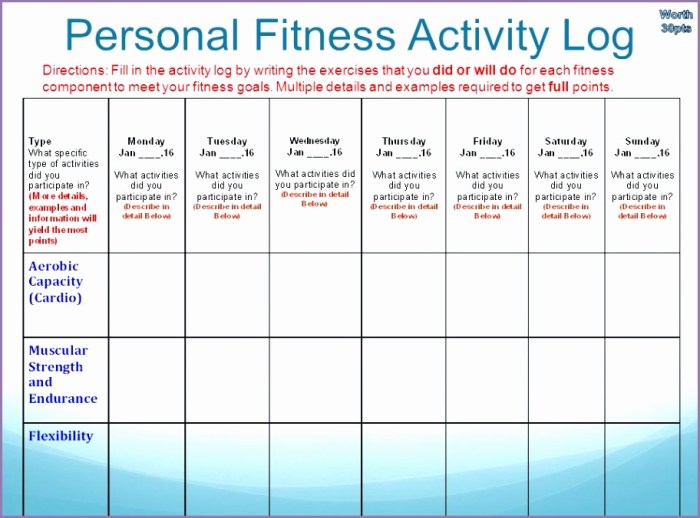
How to create a personalized fitness plan
Preventive care is crucial in maintaining overall health, especially when following a personalized fitness plan. By taking proactive measures, you can prevent injuries, setbacks, and health issues that may hinder your progress. Regular health check-ups also play a significant role in ensuring that you are on the right track towards your fitness goals.

Avoiding Injuries During Exercise

  • Always warm up before starting any workout to prepare your muscles and joints.
  • Use proper form and technique during exercises to prevent strains and injuries.
  • Gradually increase the intensity of your workouts to avoid overexertion.
  • Listen to your body and rest when needed to prevent overtraining and potential injuries.

Regular Health Check-ups

Regular health check-ups are essential for monitoring your overall health and fitness progress. These check-ups can help identify any underlying issues that may impact your exercise routine and allow for timely interventions if needed. Make sure to schedule annual physical exams, blood tests, and other screenings recommended by your healthcare provider to stay on top of your health.

Balanced Diet

Having a balanced diet is crucial for achieving optimal fitness and wellness. A balanced diet provides the necessary nutrients and energy to support physical activities, mental well-being, and overall health.

Examples of Balanced Meal Plans

Here are examples of balanced meal plans for different fitness goals:

  • For weight loss: A meal plan consisting of lean protein sources, whole grains, fruits, vegetables, and healthy fats. Example: Grilled chicken breast with quinoa and roasted vegetables.
  • For muscle building: A meal plan with adequate protein intake, complex carbohydrates, and essential fats. Example: Salmon with sweet potato and steamed broccoli.
  • For endurance training: A meal plan rich in carbohydrates for sustained energy levels, along with lean proteins and colorful fruits and vegetables. Example: Whole wheat pasta with marinara sauce and a side of mixed berries.

Impact of Hydration on Health and Fitness

Hydration plays a crucial role in overall health and fitness. Staying hydrated helps regulate body temperature, transport nutrients, and flush out toxins. Dehydration can lead to decreased performance, fatigue, and muscle cramps.

It is recommended to drink at least 8-10 cups of water per day, but individual needs may vary depending on activity level, climate, and body composition. In addition to water, you can also hydrate with herbal teas, fruits, and vegetables with high water content.

Regular Exercise

Regular exercise is crucial for maintaining both physical and mental health. Not only does it help in improving cardiovascular health, increasing muscle strength, and boosting overall fitness levels, but it also plays a significant role in reducing stress, anxiety, and depression. Incorporating regular exercise into your routine can lead to a happier, healthier lifestyle.

Benefits of Regular Exercise

  • Improves cardiovascular health and reduces the risk of heart disease.
  • Increases muscle strength and endurance, leading to better overall fitness.
  • Boosts mood and reduces symptoms of anxiety and depression.
  • Helps in weight management and promotes better sleep quality.

Staying Consistent with Exercise Routines

  • Set specific, achievable goals to stay motivated.
  • Find a workout buddy or join a fitness class for accountability.
  • Schedule workouts at a consistent time each day to establish a routine.
  • Track your progress and celebrate small victories along the way.

Importance of Incorporating Variety in Workouts

  • Prevents boredom and keeps things interesting.
  • Targets different muscle groups for a well-rounded fitness regimen.
  • Reduces the risk of overuse injuries by alternating between activities.
  • Challenges the body in new ways to continue seeing progress.

Mental Health

How to create a personalized fitness plan
Mental health plays a crucial role in influencing physical health and fitness outcomes. The mind and body are interconnected, and when one is not functioning optimally, it can affect the other. Stress, anxiety, and other mental health issues can impact our ability to stay motivated, make healthy choices, and maintain a consistent fitness routine.

Managing Stress Through Exercise

Exercise is not only beneficial for physical health but also for mental well-being. Engaging in physical activity releases endorphins, also known as “feel-good” hormones, which can help reduce stress levels and improve mood. Whether it’s going for a run, practicing yoga, or lifting weights, finding an exercise that you enjoy can be a powerful tool in managing stress.

  • Make time for regular physical activity to help alleviate stress and anxiety.
  • Try incorporating mindfulness practices such as yoga or meditation into your fitness routine to promote relaxation and mental clarity.
  • Find a workout buddy or join group fitness classes to stay motivated and accountable.
  • Listen to your body and prioritize rest and recovery to avoid burnout.

Connection Between Mindfulness Practices and Fitness

Mindfulness practices, such as meditation and deep breathing exercises, can complement your fitness routine by helping you stay present and focused during workouts. By incorporating mindfulness into your exercise regimen, you can improve your mind-body connection, enhance performance, and reduce the risk of injury.

Practicing mindfulness can help you better cope with challenges and setbacks on your fitness journey, ultimately leading to a more positive and sustainable approach to health and wellness.

Holistic Wellness

Holistic wellness, in the context of a personalized fitness plan, refers to the approach of considering the integration of mind, body, and soul in achieving overall well-being. It goes beyond just physical fitness and encompasses mental, emotional, and spiritual aspects to achieve a balanced and healthy lifestyle.

Integrating Mind, Body, and Soul

When creating a personalized fitness plan that focuses on holistic wellness, it is essential to address not only physical exercise and healthy eating but also mental and emotional well-being. By incorporating practices such as mindfulness, meditation, and stress management techniques, individuals can nurture their mind, body, and soul simultaneously.

Holistic Approaches to Fitness

1. Engage in activities that promote mental well-being, such as yoga, tai chi, or Pilates, which not only improve physical strength but also reduce stress and enhance mental clarity.

2. Practice self-care rituals that support emotional wellness, like journaling, spending time in nature, or participating in creative activities that bring joy and fulfillment.

3. Focus on building meaningful connections and fostering a supportive community to enhance overall well-being and create a sense of belonging and purpose.

Chronic Diseases

Chronic diseases can have a significant impact on fitness and wellness. These conditions, such as heart disease, diabetes, and arthritis, can make it challenging to maintain a regular exercise routine and a healthy diet. Managing chronic diseases requires a holistic approach that addresses both physical and mental well-being.

Managing Fitness Plans with Chronic Conditions

  • Consult with a healthcare provider: Before starting any fitness plan, it is essential to consult with a healthcare provider to ensure that the chosen activities are safe and appropriate for your condition.
  • Set realistic goals: Establish realistic fitness goals that take into account your limitations and capabilities. It’s important to listen to your body and make adjustments as needed.
  • Focus on low-impact activities: Consider incorporating low-impact exercises such as swimming, yoga, or walking to reduce stress on your joints and muscles.
  • Monitor progress: Keep track of your progress and make note of any changes in symptoms or overall well-being. This can help you adjust your fitness plan accordingly.

Role of Exercise in Managing Chronic Diseases, How to create a personalized fitness plan

  • Improving quality of life: Regular exercise can help manage symptoms of chronic diseases, improve mobility, and enhance overall quality of life.
  • Reducing risk factors: Physical activity can help reduce risk factors associated with chronic conditions, such as high blood pressure, obesity, and high cholesterol.
  • Mental health benefits: Exercise has been shown to have positive effects on mental health, reducing stress, anxiety, and depression commonly associated with chronic diseases.

Immunity Boosters

Regular exercise and a balanced diet play vital roles in boosting immunity. Exercise helps to strengthen the immune system by promoting good circulation, which allows immune cells to move through the body more efficiently. Additionally, exercise can help reduce inflammation and support overall immune function. Proper nutrition is also essential for a healthy immune system, as certain nutrients like Vitamin C, Vitamin D, and Zinc are known to support immune function.

Exercise and Immunity

Regular physical activity has been shown to have a positive impact on the immune system. Exercise can help to flush bacteria out of the lungs and airways, reducing the risk of infections. It also causes changes in antibodies and white blood cells, which are the body’s defense against germs. Aim for at least 150 minutes of moderate-intensity exercise per week to support your immune system.

Nutrition for Immune Support

A well-balanced diet rich in fruits, vegetables, whole grains, lean proteins, and healthy fats can provide the necessary nutrients to support a healthy immune system. Include foods like citrus fruits, almonds, spinach, and yogurt in your diet to boost your intake of immune-boosting nutrients. Additionally, staying hydrated and limiting processed foods and added sugars can also help support immune function.

Lifestyle Habits for Immunity

Incorporating healthy lifestyle habits can further enhance your immune system. Getting an adequate amount of sleep, managing stress levels, and avoiding smoking and excessive alcohol consumption are all important factors in maintaining a strong immune system. Practicing good hygiene, such as washing hands regularly and avoiding close contact with sick individuals, can also help prevent the spread of infections and support overall immunity.

Query Resolution

How can mental wellness impact physical fitness?

Mental wellness plays a crucial role in physical fitness by influencing motivation, focus, and overall well-being, which are essential for maintaining a consistent exercise routine.

What are some examples of foods that support fitness goals?

Foods rich in lean protein, complex carbohydrates, healthy fats, and essential vitamins and minerals are beneficial for supporting fitness goals and overall health.

How can one stay consistent with exercise routines?

Setting realistic goals, creating a schedule, finding activities one enjoys, and seeking social support can help individuals stay consistent with their exercise routines.

What is the significance of hydration in overall health and fitness?

Hydration is vital for maintaining bodily functions, supporting energy levels, aiding in digestion, and improving exercise performance, making it essential for overall health and fitness.

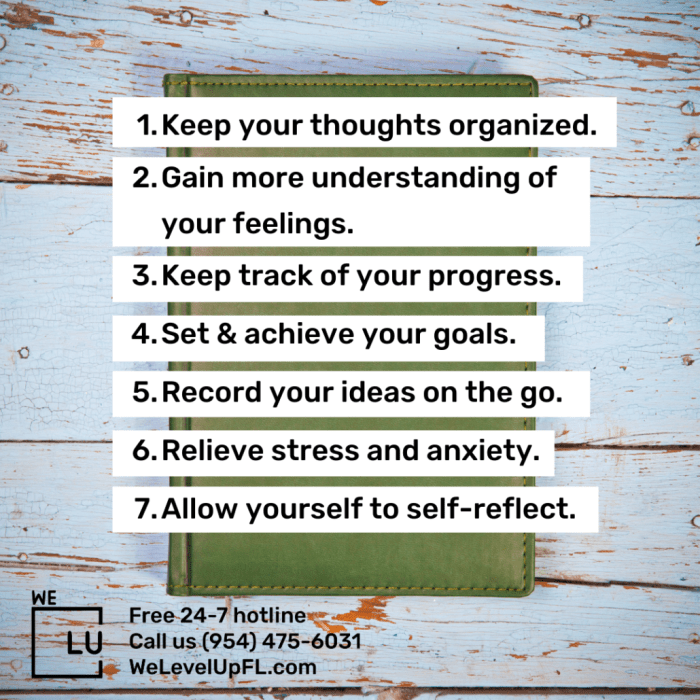
Benefits of journaling for mental wellness: Improving mental health through self-reflection and emotional processing

Benefits of journaling for mental wellness

Benefits of journaling for mental wellness

Journaling is a powerful tool that can significantly improve mental health by providing a safe space for self-expression and reflection. Here are some key benefits of journaling for mental wellness:

Self-Reflection and Emotional Processing

  • Journaling allows individuals to explore their thoughts and feelings in a private and non-judgmental way.
  • Writing about challenging experiences can help individuals process emotions and gain clarity on complex issues.
  • By documenting daily events and reactions, individuals can track patterns and identify triggers for emotional distress.

Reduction of Stress and Anxiety Levels

  • Expressive writing in a journal has been shown to reduce stress by helping individuals release pent-up emotions and frustrations.
  • Regular journaling can provide a sense of control over overwhelming thoughts and worries, leading to decreased anxiety levels.
  • Writing down worries before bedtime can help individuals clear their minds and improve sleep quality.

Enhancement of Mindfulness and Self-Awareness

  • Journaling promotes mindfulness by encouraging individuals to stay present and focused on their thoughts and feelings.
  • Reflecting on past journal entries can help individuals gain insight into their behavior and thought patterns, leading to increased self-awareness.
  • Writing about gratitude and positive experiences can cultivate a more optimistic outlook and improve overall well-being.

Mental Wellness

Benefits of journaling for mental wellness – Mental wellness refers to the state of well-being in which an individual realizes their abilities, copes with the normal stresses of life, works productively, and is able to make a positive contribution to their community. It is a crucial aspect of overall well-being as it impacts how we think, feel, and act on a daily basis.

Connection between Mental Wellness and Emotional Stability

Emotional stability is closely linked to mental wellness, as it involves the ability to manage and regulate our emotions effectively. When we are mentally well, we are better equipped to handle stress, anxiety, and other emotional challenges in a balanced manner, leading to greater emotional stability.

Role of Mental Wellness in Maintaining a Positive Outlook on Life

Maintaining mental wellness plays a vital role in fostering a positive outlook on life. When our mental health is in good condition, we are more likely to approach situations with optimism, resilience, and a sense of hope. This positive mindset can help us navigate life’s ups and downs with greater ease.

Practices like Journaling for Mental Wellness

Journaling is a powerful tool that can contribute significantly to mental wellness. By putting our thoughts, feelings, and experiences on paper, we can gain clarity, process emotions, and identify patterns in our behavior. This self-reflection promotes self-awareness, emotional expression, and stress relief, ultimately enhancing our overall mental well-being.

Physical Fitness

Regular physical activity plays a crucial role in maintaining good mental health. The connection between physical fitness and mental well-being is well-documented, with exercise being linked to improved mood, reduced stress, and better overall mental wellness.

Positive Impact of Regular Exercise

  • Exercise releases endorphins, which are known as “feel-good” hormones that can boost mood and reduce symptoms of anxiety and depression.
  • Physical activity can improve cognitive function and focus, leading to better mental clarity and productivity.
  • Regular exercise promotes better sleep patterns, which are essential for mental rejuvenation and emotional regulation.

Managing Stress and Improving Mood

  • Engaging in physical fitness routines such as yoga, running, or weightlifting can serve as a healthy outlet for stress relief, allowing individuals to release pent-up tension and anxiety.
  • Exercise helps in reducing levels of cortisol, the stress hormone, thereby decreasing feelings of overwhelm and promoting a sense of calmness.
  • Improvement in mood through physical activity is often attributed to the sense of accomplishment and empowerment gained from setting and achieving fitness goals.

Benefits of Incorporating Physical Activity

  • Enhanced self-esteem and self-confidence are common outcomes of regular exercise, leading to a more positive self-perception and body image.
  • Physical fitness routines can provide a sense of structure and routine in daily life, contributing to better time management and overall mental well-being.
  • Improved cardiovascular health and overall physical fitness from regular exercise can boost energy levels and combat feelings of fatigue or lethargy.

Healthy Eating

Benefits of journaling for mental wellness

When it comes to mental health, a balanced diet plays a crucial role in ensuring overall well-being. The food we consume directly impacts our cognitive function, emotional well-being, and overall mental wellness.

Importance of Specific Nutrients

Specific nutrients can significantly support cognitive function and emotional well-being. For example, omega-3 fatty acids found in fatty fish like salmon and walnuts are known to reduce symptoms of depression and anxiety. Additionally, foods rich in antioxidants like berries and dark chocolate can help protect brain cells from damage and improve mood.

Foods to Boost Mood

  • Fatty Fish: Salmon, mackerel, and sardines are rich in omega-3 fatty acids that support brain health and mood regulation.
  • Nuts and Seeds: Almonds, walnuts, flaxseeds, and chia seeds are packed with nutrients like magnesium, zinc, and omega-3s that can improve brain function.
  • Fruits and Vegetables: Berries, oranges, spinach, and kale are high in antioxidants and vitamins that promote brain health and reduce inflammation.

Impact on Mental Well-being

Adopting healthy eating habits not only boosts mood but also has a profound impact on overall mental well-being. A diet rich in whole foods, lean proteins, healthy fats, and complex carbohydrates can enhance brain function, reduce symptoms of anxiety and depression, and improve overall mental clarity and focus.

Preventive Care

Preventive care plays a crucial role in maintaining mental wellness by addressing potential issues before they escalate. By adopting proactive measures, individuals can take charge of their mental health and prevent more serious conditions from developing.

Regular Check-ups and Screenings

Regular check-ups and screenings are essential for the early detection of mental health issues. Just like physical health, mental health also requires routine monitoring to identify any signs of concern before they worsen. Through regular assessments, individuals can receive timely interventions and support to manage their mental well-being effectively.

Managing Stress and Anxiety

  • Engaging in stress-reducing activities such as mindfulness meditation or yoga
  • Practicing relaxation techniques like deep breathing exercises
  • Maintaining a healthy work-life balance to prevent burnout

Preventive Care Measures for Improved Mental Well-being

  • Establishing a regular exercise routine to boost mood and reduce stress
  • Adopting a balanced and nutritious diet to support brain function
  • Prioritizing quality sleep to enhance cognitive function and emotional stability
  • Seeking therapy or counseling as a proactive measure to address underlying issues

Balanced Diet

Eating a balanced diet plays a crucial role in promoting mental wellness by providing the necessary nutrients for optimal brain function and overall well-being. A well-rounded meal plan can have a significant impact on mood, cognition, and mental health.

Essential Nutrients for Mental Wellness

  • Omega-3 fatty acids: Found in fatty fish, flaxseeds, and walnuts, omega-3s are essential for brain health and can help reduce symptoms of depression and anxiety.
  • Vitamin D: Exposure to sunlight and consuming vitamin D-rich foods like fortified dairy products and fatty fish can improve mood and lower the risk of depression.
  • B vitamins: Foods like whole grains, leafy greens, and lean proteins contain B vitamins that support neurotransmitter function and energy production, crucial for mental clarity and focus.
  • Antioxidants: Fruits, vegetables, and nuts rich in antioxidants can protect the brain from oxidative stress, reducing inflammation and promoting cognitive function.

Regular Exercise

Regular exercise plays a crucial role in maintaining good mental health. It has been proven to reduce symptoms of anxiety and depression, improve mood, boost self-esteem, and enhance cognitive function. Incorporating physical activity into your routine can have a significant impact on your overall well-being.

Benefits of Regular Exercise for Mental Wellness

  • Increases the release of endorphins, also known as “feel-good” hormones, which can help reduce stress and improve mood.
  • Improves sleep quality, leading to better rest and overall mental clarity.
  • Boosts self-esteem and confidence through a sense of accomplishment and physical well-being.
  • Enhances cognitive function, including better focus, memory, and overall brain health.

Tips for Incorporating Regular Exercise

  • Start small and gradually increase the intensity and duration of your workouts to avoid burnout.
  • Find activities you enjoy, whether it’s dancing, hiking, yoga, or team sports, to make exercise more enjoyable and sustainable.
  • Set realistic goals and track your progress to stay motivated and accountable.
  • Include a variety of exercises in your routine to target different muscle groups and keep things interesting.

Examples of Exercises for Mental Wellness

  • Cardiovascular exercises like running, cycling, or swimming to boost endorphins and improve overall mood.
  • Strength training exercises using weights or resistance bands to build muscle and increase self-esteem.
  • Yoga or tai chi for a combination of physical activity, mindfulness, and stress relief.
  • Dance classes or group fitness sessions for social interaction and a fun way to stay active.

Mental Health: Benefits Of Journaling For Mental Wellness

Benefits of journaling for mental wellness
Mental health is a crucial component of holistic well-being, encompassing our emotional, psychological, and social well-being. It plays a significant role in how we think, feel, and act in our daily lives, affecting how we handle stress, relate to others, and make choices. Positive mental health is essential for coping with life’s challenges, building resilience, and achieving overall wellness.

Common Mental Health Disorders and Impact, Benefits of journaling for mental wellness

Mental health disorders such as anxiety, depression, bipolar disorder, and schizophrenia can have a profound impact on an individual’s overall wellness. These disorders may affect one’s mood, behavior, and cognitive function, leading to difficulties in daily functioning and relationships. It is crucial to recognize the signs and symptoms of these disorders and seek professional help when needed to manage and treat them effectively.

  • Anxiety disorders: These disorders can cause excessive worry, fear, and panic attacks, impacting one’s ability to function normally in various situations.
  • Depression: Characterized by persistent feelings of sadness, hopelessness, and loss of interest in activities, depression can significantly affect one’s quality of life.
  • Bipolar disorder: Individuals with bipolar disorder experience extreme mood swings, from manic episodes of heightened energy to depressive episodes of low mood, affecting their behavior and relationships.
  • Schizophrenia: A severe mental disorder that can distort one’s thoughts, emotions, and perceptions of reality, leading to challenges in communication and social interactions.

Strategies for Promoting Positive Mental Health

Developing healthy habits and coping mechanisms can help promote positive mental health and well-being. Here are some strategies to enhance mental wellness:

  1. Regular exercise: Physical activity can boost mood, reduce stress, and improve overall mental health.
  2. Healthy eating: A balanced diet rich in nutrients is essential for brain function and emotional well-being.
  3. Stress management: Engaging in relaxation techniques, such as deep breathing exercises or mindfulness meditation, can help reduce stress levels.
  4. Social connections: Building strong relationships and seeking support from friends and family can enhance mental resilience.
  5. Professional help: Seeking therapy or counseling from mental health professionals can provide valuable support and guidance in managing mental health challenges.

Connection Between Mental Health and Quality of Life

Positive mental health is closely linked to an individual’s quality of life, influencing various aspects such as relationships, work productivity, and overall satisfaction. When mental health is prioritized and well-managed, individuals are better equipped to navigate life’s ups and downs, maintain healthy relationships, and achieve personal goals. Investing in mental health care and adopting healthy lifestyle practices can lead to improved overall well-being and a higher quality of life.

Holistic Wellness

Holistic wellness is a concept that focuses on the interconnectedness of various aspects of well-being, including mental, emotional, physical, and spiritual health. It recognizes that each of these dimensions plays a vital role in overall wellness and that they are all interconnected.

Mental Aspect

The mental aspect of holistic wellness involves practices such as journaling, mindfulness, and cognitive-behavioral therapy. These practices help individuals manage stress, anxiety, and other mental health issues, leading to improved overall well-being.

Emotional Aspect

Emotional wellness emphasizes self-awareness, emotional regulation, and healthy relationships. Practices like journaling can help individuals process and express their emotions, leading to greater emotional well-being.

Physical Aspect

Physical wellness includes regular exercise, proper nutrition, and adequate rest. By taking care of our bodies, we can improve our physical health, energy levels, and overall quality of life.

Spiritual Aspect

The spiritual aspect of holistic wellness involves connecting with our inner selves, values, beliefs, and sense of purpose. Practices like meditation, prayer, and journaling can enhance spiritual well-being and provide a sense of peace and fulfillment.

Benefits of Holistic Wellness

  • Promotes overall well-being by addressing multiple dimensions of health.
  • Enhances self-awareness and self-care practices.
  • Improves resilience and coping mechanisms for dealing with life’s challenges.
  • Encourages a balanced and harmonious approach to mental well-being.

Chronic Diseases

Chronic diseases are long-term conditions that often require ongoing management and treatment. These conditions can have a significant impact on mental health, leading to increased stress, anxiety, and depression.

Relationship between Chronic Diseases and Mental Health

Individuals with chronic diseases may experience a decline in mental wellness due to the challenges of managing their physical health. The stress of coping with symptoms, treatments, and lifestyle changes can take a toll on mental well-being.

Managing Chronic Conditions Impact on Mental Wellness

  • Develop a support network: Connecting with others who understand your struggles can provide emotional support and reduce feelings of isolation.
  • Practice self-care: Engage in activities that promote relaxation and stress relief, such as meditation, mindfulness, or hobbies you enjoy.
  • Seek professional help: Therapy or counseling can help you cope with the emotional impact of living with a chronic illness.

Strategies for Prioritizing Mental Well-being

  • Set realistic goals: Break tasks into manageable steps to prevent feeling overwhelmed.
  • Stay informed: Educate yourself about your condition and treatment options to empower yourself in managing your health.
  • Stay connected: Maintain relationships with loved ones and healthcare providers to ensure you have a strong support system in place.

Support Systems and Resources for Individuals with Chronic Diseases

  • Support groups: Joining a support group specific to your condition can provide a sense of community and shared experiences.
  • Mental health services: Accessing mental health professionals who specialize in chronic illness can offer tailored support and guidance.
  • Online resources: Websites and forums dedicated to chronic disease management can provide valuable information and tips for navigating your health journey.

Immunity Boosters

When it comes to mental wellness, one crucial aspect to consider is how it affects our immune system. The connection between mental health and immune function is profound, as our emotional well-being can directly impact our body’s ability to fight off illnesses and infections.

Impact of Stress on Immune System

Chronic stress and mental health issues can significantly weaken the immune system, making us more susceptible to infections and illnesses. High levels of stress hormones can suppress the immune response, leaving us vulnerable to various health issues.

Lifestyle Practices for Immunity and Mental Well-being

  • Regular Exercise: Engaging in physical activity not only boosts our mood but also strengthens our immune system. Exercise helps reduce stress levels and promotes overall well-being.
  • Healthy Eating: A balanced diet rich in fruits, vegetables, whole grains, and lean proteins provides essential nutrients that support both mental health and immune function.
  • Adequate Sleep: Quality sleep is crucial for mental wellness and a strong immune system. Lack of sleep can impair immune function and increase the risk of infections.
  • Stress Management Techniques: Practicing mindfulness, meditation, yoga, or deep breathing exercises can help reduce stress levels and enhance immune function.

Tips for Boosting Immunity through Mental Wellness

  1. Stay Connected: Social support and maintaining relationships can have a positive impact on mental health, which in turn strengthens the immune system.
  2. Manage Stress: Find healthy ways to cope with stress, such as journaling, talking to a therapist, or engaging in hobbies that bring joy and relaxation.
  3. Seek Professional Help: If mental health issues are affecting your well-being, don’t hesitate to seek help from a mental health professional to improve both mental wellness and immune function.

Commonly Asked Questions

Can journaling really help reduce stress and anxiety levels?

Yes, journaling has been shown to be an effective tool in reducing stress and anxiety by providing a healthy outlet for emotions and thoughts.

How can journaling contribute to mindfulness and self-awareness?

Journaling encourages individuals to be present in the moment, observe their thoughts and feelings, and gain insight into their behaviors and patterns, thus enhancing mindfulness and self-awareness.

Is there a specific way to use journaling for self-reflection?

There is no right or wrong way to use journaling for self-reflection. It’s about expressing thoughts and emotions honestly, exploring deeper feelings, and gaining clarity on personal experiences.

Mental wellness practices for positive thinking: Enhancing well-being through positivity

Mental wellness practices for positive thinking

Mental Wellness Practices for Positive Thinking

Mental wellness practices for positive thinking

Mental wellness practices for positive thinking – Positive thinking plays a crucial role in improving mental health and overall well-being. By adopting mental wellness practices that focus on promoting positive thoughts and emotions, individuals can experience a significant boost in their mood, resilience, and overall outlook on life.

Examples of Mental Wellness Activities

  • Practicing gratitude journaling to cultivate a positive mindset and appreciation for the present moment.
  • Engaging in mindfulness meditation to increase self-awareness and reduce negative thought patterns.
  • Participating in regular physical exercise to release endorphins and improve mood.
  • Connecting with nature through activities like hiking or gardening to reduce stress and promote relaxation.

Impact of Positive Thinking on Mental Health

Positive thinking has been linked to improved mental health outcomes, including reduced symptoms of anxiety and depression, enhanced coping mechanisms, and increased overall life satisfaction. By incorporating positive thinking practices into daily routines, individuals can better manage stress, build resilience, and cultivate a more optimistic outlook on life.

Techniques for Incorporating Positive Thinking

  • Challenging negative thoughts and reframing them in a more positive light.
  • Surrounding oneself with positive influences and supportive relationships.
  • Setting realistic goals and focusing on progress rather than perfection.
  • Practicing self-compassion and forgiveness towards oneself and others.

Mental Wellness and Physical Fitness

Mental wellness practices for positive thinking
Regular physical fitness routines play a crucial role in promoting mental wellness. The relationship between physical activity and positive mental health is well-documented, with numerous studies highlighting the benefits of exercise on one’s overall well-being.

Benefits of Physical Activity on Mental Health

Regular exercise has been shown to reduce symptoms of anxiety and depression, improve mood, and enhance cognitive function. Engaging in physical activities releases endorphins, also known as the “feel-good” hormones, which help alleviate stress and boost feelings of happiness and well-being.

  • Running or Jogging: Aerobic exercises like running or jogging can help increase blood flow to the brain, improving cognitive function and promoting positive thinking.
  • Yoga: Practicing yoga not only enhances flexibility and strength but also promotes mindfulness and relaxation, reducing stress and anxiety levels.
  • Strength Training: Lifting weights or bodyweight exercises can boost self-esteem and confidence, leading to a more positive mindset.

Holistic Well-Being through Mental Wellness and Physical Fitness

Combining mental wellness practices such as mindfulness, gratitude journaling, and positive affirmations with regular physical activity can lead to holistic well-being. This integrated approach ensures that both the mind and body are nurtured, resulting in improved overall health and a more positive outlook on life.

Mental Wellness and Healthy Eating

When it comes to mental wellness, the food we eat plays a crucial role in maintaining positive thinking and overall well-being. Our diet directly impacts our mood, energy levels, and cognitive function, making it essential to focus on healthy eating habits for optimal mental health.

Healthy eating habits are closely linked to positive mental health as certain nutrients can help regulate neurotransmitters in the brain, which are responsible for our mood and emotions. By consuming a balanced diet rich in essential vitamins, minerals, and antioxidants, we can support our mental wellness and promote a positive outlook on life.

Foods Beneficial for Promoting Positive Thinking

  • Leafy greens like spinach and kale are rich in folate, which has been linked to improved mood and mental health.
  • Fatty fish such as salmon and mackerel contain omega-3 fatty acids that are essential for brain health and can help reduce symptoms of depression.
  • Berries like blueberries and strawberries are packed with antioxidants that protect the brain from oxidative stress and support cognitive function.
  • Nuts and seeds are great sources of healthy fats, vitamins, and minerals that can enhance brain function and mood.

Role of Nutrition in Supporting Mental Wellness

Nutrition plays a vital role in supporting mental wellness by providing the brain with the necessary nutrients to function optimally. A diet rich in whole foods, lean proteins, healthy fats, and complex carbohydrates can help stabilize blood sugar levels and neurotransmitters, leading to improved mood and mental clarity.

Tips for Maintaining a Balanced Diet to Enhance Positive Thinking

  • Focus on eating a variety of colorful fruits and vegetables to ensure you’re getting a wide range of nutrients.
  • Avoid processed foods high in sugar, artificial additives, and unhealthy fats, as these can negatively impact your mood and mental health.
  • Stay hydrated by drinking plenty of water throughout the day, as dehydration can lead to fatigue and cognitive decline.
  • Plan your meals ahead of time to make healthy choices easier and more convenient, ensuring you have nutritious options readily available.

Mental Wellness and Preventive Care

Preventive care plays a crucial role in maintaining mental wellness by addressing potential issues before they escalate. Early intervention can significantly reduce the risk of developing serious mental health conditions and promote overall well-being. Seeking professional help when needed can provide valuable support and guidance in managing mental well-being effectively.

Importance of Preventive Care

  • Regular mental health check-ups can help identify any early signs of distress or imbalance.
  • Preventive measures can help individuals build resilience and coping strategies for dealing with stress and challenges.
  • Addressing mental health concerns proactively can lead to better long-term outcomes and quality of life.

Benefits of Seeking Professional Help

  • Therapy and counseling can provide tools and techniques to manage emotions and thoughts effectively.
  • Medication prescribed by mental health professionals can help regulate brain chemistry and alleviate symptoms of certain conditions.
  • Support groups and community resources offer a sense of belonging and understanding, reducing feelings of isolation and stigma.

Preventive Measures for Positive Thinking

  • Engage in regular physical activity to boost mood and reduce stress.
  • Practice mindfulness and meditation to cultivate a positive mindset and reduce negative thinking patterns.
  • Maintain a healthy and balanced diet to support brain function and overall well-being.
  • Establish a strong support system of friends, family, or mental health professionals to lean on during challenging times.

Mental Wellness, Chronic Diseases, and Immunity Boosters

Chronic diseases can have a profound impact on mental health and positive thinking. The constant management of symptoms, lifestyle changes, and uncertainty about the future can all contribute to increased stress, anxiety, and depression for individuals living with chronic conditions. This can make it challenging to maintain a positive outlook on life and can affect overall mental wellness.

Immunity Boosters for Mental Wellness

Immunity boosters play a crucial role in supporting mental wellness for individuals with chronic diseases. By strengthening the immune system, these boosters can help reduce the risk of infections and complications that may exacerbate existing health conditions. This, in turn, can alleviate some of the stress and anxiety associated with managing chronic diseases, leading to improved mental well-being.

  • Consuming a balanced diet rich in vitamins, minerals, and antioxidants can help boost immunity and support mental health.
  • Regular physical activity has been shown to enhance immune function and reduce symptoms of anxiety and depression.
  • Getting an adequate amount of quality sleep is essential for immune system health and overall mental well-being.
  • Practicing stress-reducing techniques such as mindfulness, meditation, or yoga can help lower cortisol levels and strengthen the immune response.

Strategies for Managing Mental Health Challenges

Managing mental health challenges associated with chronic diseases requires a comprehensive approach that addresses both the physical and emotional aspects of well-being. It is essential to develop coping strategies and seek support from healthcare professionals, therapists, or support groups to navigate the complexities of living with a chronic condition.

It’s important to prioritize self-care, set realistic goals, and establish a strong support system to maintain mental wellness while managing chronic diseases.

Connection between Immune System and Mental Outlook, Mental wellness practices for positive thinking

A strong immune system is closely linked to a positive mental outlook. When the body’s defense mechanisms are functioning optimally, individuals are better equipped to handle stress, maintain emotional balance, and cope with the challenges of chronic diseases. This relationship underscores the importance of taking care of both physical and mental health to achieve overall well-being.

FAQ Overview

How do mental wellness practices contribute to positive thinking?

Mental wellness practices, such as mindfulness meditation and gratitude journaling, can help individuals reframe negative thoughts and cultivate a more optimistic outlook, enhancing positive thinking.

What role does physical fitness play in promoting positive mental health?

Regular exercise releases endorphins, which are known as ‘feel-good’ hormones, contributing to improved mood and reduced stress levels, thus supporting positive mental health.

How can nutrition impact positive thinking?

A balanced diet rich in nutrients like omega-3 fatty acids, antioxidants, and vitamin B complex can support brain function and emotional well-being, promoting positive thinking.

What are some preventive measures for maintaining mental wellness?

Engaging in stress-reducing activities, seeking therapy when needed, and practicing self-care routines are effective preventive measures that can support positive thinking and mental well-being.

How do chronic diseases affect mental health and positive thinking?

Chronic diseases can lead to increased stress, anxiety, and depression, impacting mental health and positive thinking. It’s essential to manage these conditions effectively to maintain emotional well-being.