Benefits of journaling for mental wellness
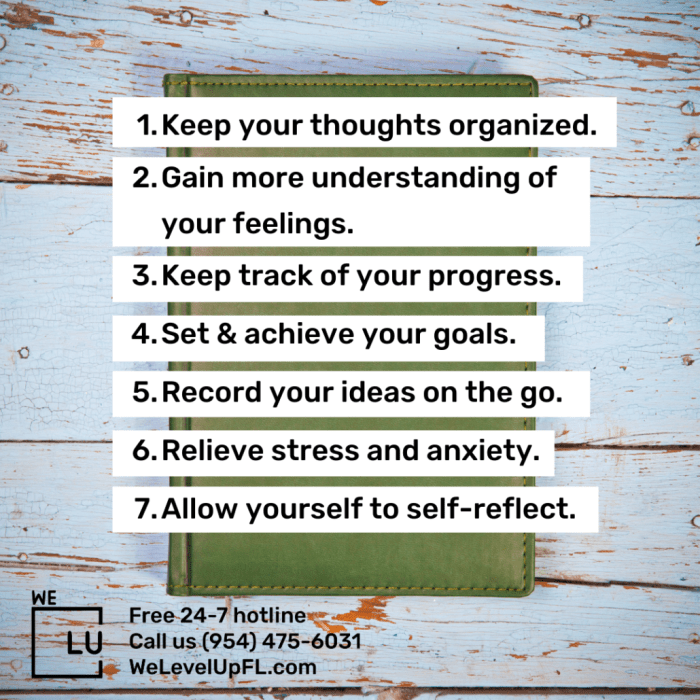
Journaling is a powerful tool that can significantly improve mental health by providing a safe space for self-expression and reflection. Here are some key benefits of journaling for mental wellness:
Self-Reflection and Emotional Processing
- Journaling allows individuals to explore their thoughts and feelings in a private and non-judgmental way.
- Writing about challenging experiences can help individuals process emotions and gain clarity on complex issues.
- By documenting daily events and reactions, individuals can track patterns and identify triggers for emotional distress.
Reduction of Stress and Anxiety Levels
- Expressive writing in a journal has been shown to reduce stress by helping individuals release pent-up emotions and frustrations.
- Regular journaling can provide a sense of control over overwhelming thoughts and worries, leading to decreased anxiety levels.
- Writing down worries before bedtime can help individuals clear their minds and improve sleep quality.
Enhancement of Mindfulness and Self-Awareness
- Journaling promotes mindfulness by encouraging individuals to stay present and focused on their thoughts and feelings.
- Reflecting on past journal entries can help individuals gain insight into their behavior and thought patterns, leading to increased self-awareness.
- Writing about gratitude and positive experiences can cultivate a more optimistic outlook and improve overall well-being.
Mental Wellness
Benefits of journaling for mental wellness – Mental wellness refers to the state of well-being in which an individual realizes their abilities, copes with the normal stresses of life, works productively, and is able to make a positive contribution to their community. It is a crucial aspect of overall well-being as it impacts how we think, feel, and act on a daily basis.
Connection between Mental Wellness and Emotional Stability
Emotional stability is closely linked to mental wellness, as it involves the ability to manage and regulate our emotions effectively. When we are mentally well, we are better equipped to handle stress, anxiety, and other emotional challenges in a balanced manner, leading to greater emotional stability.
Role of Mental Wellness in Maintaining a Positive Outlook on Life
Maintaining mental wellness plays a vital role in fostering a positive outlook on life. When our mental health is in good condition, we are more likely to approach situations with optimism, resilience, and a sense of hope. This positive mindset can help us navigate life’s ups and downs with greater ease.
Practices like Journaling for Mental Wellness
Journaling is a powerful tool that can contribute significantly to mental wellness. By putting our thoughts, feelings, and experiences on paper, we can gain clarity, process emotions, and identify patterns in our behavior. This self-reflection promotes self-awareness, emotional expression, and stress relief, ultimately enhancing our overall mental well-being.
Physical Fitness
Regular physical activity plays a crucial role in maintaining good mental health. The connection between physical fitness and mental well-being is well-documented, with exercise being linked to improved mood, reduced stress, and better overall mental wellness.
Positive Impact of Regular Exercise
- Exercise releases endorphins, which are known as “feel-good” hormones that can boost mood and reduce symptoms of anxiety and depression.
- Physical activity can improve cognitive function and focus, leading to better mental clarity and productivity.
- Regular exercise promotes better sleep patterns, which are essential for mental rejuvenation and emotional regulation.
Managing Stress and Improving Mood
- Engaging in physical fitness routines such as yoga, running, or weightlifting can serve as a healthy outlet for stress relief, allowing individuals to release pent-up tension and anxiety.
- Exercise helps in reducing levels of cortisol, the stress hormone, thereby decreasing feelings of overwhelm and promoting a sense of calmness.
- Improvement in mood through physical activity is often attributed to the sense of accomplishment and empowerment gained from setting and achieving fitness goals.
Benefits of Incorporating Physical Activity
- Enhanced self-esteem and self-confidence are common outcomes of regular exercise, leading to a more positive self-perception and body image.
- Physical fitness routines can provide a sense of structure and routine in daily life, contributing to better time management and overall mental well-being.
- Improved cardiovascular health and overall physical fitness from regular exercise can boost energy levels and combat feelings of fatigue or lethargy.
Healthy Eating
When it comes to mental health, a balanced diet plays a crucial role in ensuring overall well-being. The food we consume directly impacts our cognitive function, emotional well-being, and overall mental wellness.
Importance of Specific Nutrients
Specific nutrients can significantly support cognitive function and emotional well-being. For example, omega-3 fatty acids found in fatty fish like salmon and walnuts are known to reduce symptoms of depression and anxiety. Additionally, foods rich in antioxidants like berries and dark chocolate can help protect brain cells from damage and improve mood.
Foods to Boost Mood
- Fatty Fish: Salmon, mackerel, and sardines are rich in omega-3 fatty acids that support brain health and mood regulation.
- Nuts and Seeds: Almonds, walnuts, flaxseeds, and chia seeds are packed with nutrients like magnesium, zinc, and omega-3s that can improve brain function.
- Fruits and Vegetables: Berries, oranges, spinach, and kale are high in antioxidants and vitamins that promote brain health and reduce inflammation.
Impact on Mental Well-being
Adopting healthy eating habits not only boosts mood but also has a profound impact on overall mental well-being. A diet rich in whole foods, lean proteins, healthy fats, and complex carbohydrates can enhance brain function, reduce symptoms of anxiety and depression, and improve overall mental clarity and focus.
Preventive Care
Preventive care plays a crucial role in maintaining mental wellness by addressing potential issues before they escalate. By adopting proactive measures, individuals can take charge of their mental health and prevent more serious conditions from developing.
Regular Check-ups and Screenings
Regular check-ups and screenings are essential for the early detection of mental health issues. Just like physical health, mental health also requires routine monitoring to identify any signs of concern before they worsen. Through regular assessments, individuals can receive timely interventions and support to manage their mental well-being effectively.
Managing Stress and Anxiety
- Engaging in stress-reducing activities such as mindfulness meditation or yoga
- Practicing relaxation techniques like deep breathing exercises
- Maintaining a healthy work-life balance to prevent burnout
Preventive Care Measures for Improved Mental Well-being
- Establishing a regular exercise routine to boost mood and reduce stress
- Adopting a balanced and nutritious diet to support brain function
- Prioritizing quality sleep to enhance cognitive function and emotional stability
- Seeking therapy or counseling as a proactive measure to address underlying issues
Balanced Diet
Eating a balanced diet plays a crucial role in promoting mental wellness by providing the necessary nutrients for optimal brain function and overall well-being. A well-rounded meal plan can have a significant impact on mood, cognition, and mental health.
Essential Nutrients for Mental Wellness
- Omega-3 fatty acids: Found in fatty fish, flaxseeds, and walnuts, omega-3s are essential for brain health and can help reduce symptoms of depression and anxiety.
- Vitamin D: Exposure to sunlight and consuming vitamin D-rich foods like fortified dairy products and fatty fish can improve mood and lower the risk of depression.
- B vitamins: Foods like whole grains, leafy greens, and lean proteins contain B vitamins that support neurotransmitter function and energy production, crucial for mental clarity and focus.
- Antioxidants: Fruits, vegetables, and nuts rich in antioxidants can protect the brain from oxidative stress, reducing inflammation and promoting cognitive function.
Regular Exercise
Regular exercise plays a crucial role in maintaining good mental health. It has been proven to reduce symptoms of anxiety and depression, improve mood, boost self-esteem, and enhance cognitive function. Incorporating physical activity into your routine can have a significant impact on your overall well-being.
Benefits of Regular Exercise for Mental Wellness
- Increases the release of endorphins, also known as “feel-good” hormones, which can help reduce stress and improve mood.
- Improves sleep quality, leading to better rest and overall mental clarity.
- Boosts self-esteem and confidence through a sense of accomplishment and physical well-being.
- Enhances cognitive function, including better focus, memory, and overall brain health.
Tips for Incorporating Regular Exercise
- Start small and gradually increase the intensity and duration of your workouts to avoid burnout.
- Find activities you enjoy, whether it’s dancing, hiking, yoga, or team sports, to make exercise more enjoyable and sustainable.
- Set realistic goals and track your progress to stay motivated and accountable.
- Include a variety of exercises in your routine to target different muscle groups and keep things interesting.
Examples of Exercises for Mental Wellness
- Cardiovascular exercises like running, cycling, or swimming to boost endorphins and improve overall mood.
- Strength training exercises using weights or resistance bands to build muscle and increase self-esteem.
- Yoga or tai chi for a combination of physical activity, mindfulness, and stress relief.
- Dance classes or group fitness sessions for social interaction and a fun way to stay active.
Mental Health: Benefits Of Journaling For Mental Wellness

Mental health is a crucial component of holistic well-being, encompassing our emotional, psychological, and social well-being. It plays a significant role in how we think, feel, and act in our daily lives, affecting how we handle stress, relate to others, and make choices. Positive mental health is essential for coping with life’s challenges, building resilience, and achieving overall wellness.
Common Mental Health Disorders and Impact, Benefits of journaling for mental wellness
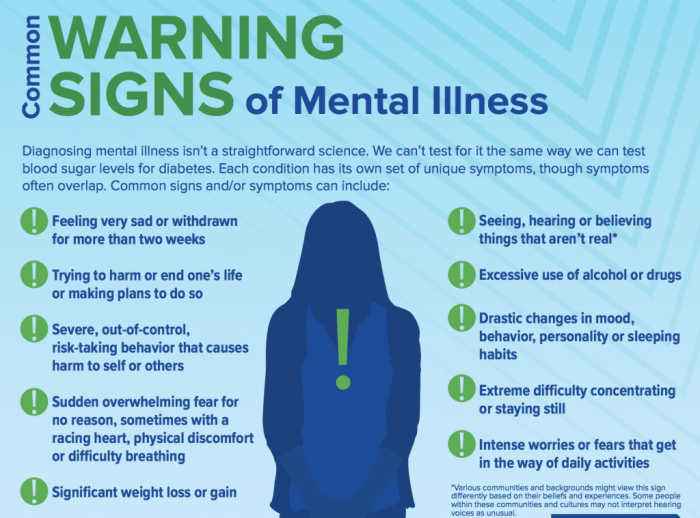
Mental health disorders such as anxiety, depression, bipolar disorder, and schizophrenia can have a profound impact on an individual’s overall wellness. These disorders may affect one’s mood, behavior, and cognitive function, leading to difficulties in daily functioning and relationships. It is crucial to recognize the signs and symptoms of these disorders and seek professional help when needed to manage and treat them effectively.
- Anxiety disorders: These disorders can cause excessive worry, fear, and panic attacks, impacting one’s ability to function normally in various situations.
- Depression: Characterized by persistent feelings of sadness, hopelessness, and loss of interest in activities, depression can significantly affect one’s quality of life.
- Bipolar disorder: Individuals with bipolar disorder experience extreme mood swings, from manic episodes of heightened energy to depressive episodes of low mood, affecting their behavior and relationships.
- Schizophrenia: A severe mental disorder that can distort one’s thoughts, emotions, and perceptions of reality, leading to challenges in communication and social interactions.
Strategies for Promoting Positive Mental Health
Developing healthy habits and coping mechanisms can help promote positive mental health and well-being. Here are some strategies to enhance mental wellness:
- Regular exercise: Physical activity can boost mood, reduce stress, and improve overall mental health.
- Healthy eating: A balanced diet rich in nutrients is essential for brain function and emotional well-being.
- Stress management: Engaging in relaxation techniques, such as deep breathing exercises or mindfulness meditation, can help reduce stress levels.
- Social connections: Building strong relationships and seeking support from friends and family can enhance mental resilience.
- Professional help: Seeking therapy or counseling from mental health professionals can provide valuable support and guidance in managing mental health challenges.
Connection Between Mental Health and Quality of Life
Positive mental health is closely linked to an individual’s quality of life, influencing various aspects such as relationships, work productivity, and overall satisfaction. When mental health is prioritized and well-managed, individuals are better equipped to navigate life’s ups and downs, maintain healthy relationships, and achieve personal goals. Investing in mental health care and adopting healthy lifestyle practices can lead to improved overall well-being and a higher quality of life.
Holistic Wellness
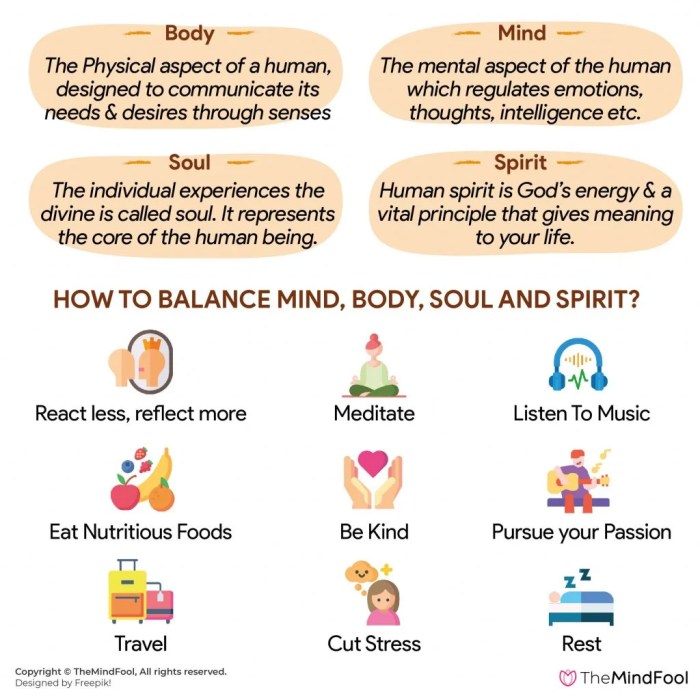
Holistic wellness is a concept that focuses on the interconnectedness of various aspects of well-being, including mental, emotional, physical, and spiritual health. It recognizes that each of these dimensions plays a vital role in overall wellness and that they are all interconnected.
Mental Aspect
The mental aspect of holistic wellness involves practices such as journaling, mindfulness, and cognitive-behavioral therapy. These practices help individuals manage stress, anxiety, and other mental health issues, leading to improved overall well-being.
Emotional Aspect
Emotional wellness emphasizes self-awareness, emotional regulation, and healthy relationships. Practices like journaling can help individuals process and express their emotions, leading to greater emotional well-being.
Physical Aspect
Physical wellness includes regular exercise, proper nutrition, and adequate rest. By taking care of our bodies, we can improve our physical health, energy levels, and overall quality of life.
Spiritual Aspect
The spiritual aspect of holistic wellness involves connecting with our inner selves, values, beliefs, and sense of purpose. Practices like meditation, prayer, and journaling can enhance spiritual well-being and provide a sense of peace and fulfillment.
Benefits of Holistic Wellness
- Promotes overall well-being by addressing multiple dimensions of health.
- Enhances self-awareness and self-care practices.
- Improves resilience and coping mechanisms for dealing with life’s challenges.
- Encourages a balanced and harmonious approach to mental well-being.
Chronic Diseases
Chronic diseases are long-term conditions that often require ongoing management and treatment. These conditions can have a significant impact on mental health, leading to increased stress, anxiety, and depression.
Relationship between Chronic Diseases and Mental Health
Individuals with chronic diseases may experience a decline in mental wellness due to the challenges of managing their physical health. The stress of coping with symptoms, treatments, and lifestyle changes can take a toll on mental well-being.
Managing Chronic Conditions Impact on Mental Wellness
- Develop a support network: Connecting with others who understand your struggles can provide emotional support and reduce feelings of isolation.
- Practice self-care: Engage in activities that promote relaxation and stress relief, such as meditation, mindfulness, or hobbies you enjoy.
- Seek professional help: Therapy or counseling can help you cope with the emotional impact of living with a chronic illness.
Strategies for Prioritizing Mental Well-being
- Set realistic goals: Break tasks into manageable steps to prevent feeling overwhelmed.
- Stay informed: Educate yourself about your condition and treatment options to empower yourself in managing your health.
- Stay connected: Maintain relationships with loved ones and healthcare providers to ensure you have a strong support system in place.
Support Systems and Resources for Individuals with Chronic Diseases
- Support groups: Joining a support group specific to your condition can provide a sense of community and shared experiences.
- Mental health services: Accessing mental health professionals who specialize in chronic illness can offer tailored support and guidance.
- Online resources: Websites and forums dedicated to chronic disease management can provide valuable information and tips for navigating your health journey.
Immunity Boosters
When it comes to mental wellness, one crucial aspect to consider is how it affects our immune system. The connection between mental health and immune function is profound, as our emotional well-being can directly impact our body’s ability to fight off illnesses and infections.
Impact of Stress on Immune System
Chronic stress and mental health issues can significantly weaken the immune system, making us more susceptible to infections and illnesses. High levels of stress hormones can suppress the immune response, leaving us vulnerable to various health issues.
Lifestyle Practices for Immunity and Mental Well-being
- Regular Exercise: Engaging in physical activity not only boosts our mood but also strengthens our immune system. Exercise helps reduce stress levels and promotes overall well-being.
- Healthy Eating: A balanced diet rich in fruits, vegetables, whole grains, and lean proteins provides essential nutrients that support both mental health and immune function.
- Adequate Sleep: Quality sleep is crucial for mental wellness and a strong immune system. Lack of sleep can impair immune function and increase the risk of infections.
- Stress Management Techniques: Practicing mindfulness, meditation, yoga, or deep breathing exercises can help reduce stress levels and enhance immune function.
Tips for Boosting Immunity through Mental Wellness
- Stay Connected: Social support and maintaining relationships can have a positive impact on mental health, which in turn strengthens the immune system.
- Manage Stress: Find healthy ways to cope with stress, such as journaling, talking to a therapist, or engaging in hobbies that bring joy and relaxation.
- Seek Professional Help: If mental health issues are affecting your well-being, don’t hesitate to seek help from a mental health professional to improve both mental wellness and immune function.
Commonly Asked Questions
Can journaling really help reduce stress and anxiety levels?
Yes, journaling has been shown to be an effective tool in reducing stress and anxiety by providing a healthy outlet for emotions and thoughts.
How can journaling contribute to mindfulness and self-awareness?
Journaling encourages individuals to be present in the moment, observe their thoughts and feelings, and gain insight into their behaviors and patterns, thus enhancing mindfulness and self-awareness.
Is there a specific way to use journaling for self-reflection?
There is no right or wrong way to use journaling for self-reflection. It’s about expressing thoughts and emotions honestly, exploring deeper feelings, and gaining clarity on personal experiences.