Mental Wellness
Maintaining mental wellness is crucial for boosting immunity as the mind and body are interconnected. When we are stressed or anxious, our immune system can weaken, making us more susceptible to illnesses. On the other hand, a positive mindset and reduced stress levels can enhance our body’s ability to fight off infections and diseases.
Stress-Reducing Activities
Engaging in activities that help reduce stress can significantly boost immunity. Some examples include:
- Practicing mindfulness and meditation
- Exercising regularly
- Spending time in nature
- Connecting with loved ones
- Pursuing hobbies and interests
Impact of Positive Thinking
Positive thinking plays a vital role in improving overall immunity. When we maintain a positive outlook, our body releases feel-good hormones like endorphins, which can strengthen our immune response. By focusing on gratitude, optimism, and resilience, we can create a positive environment within our bodies that supports a strong immune system.
Physical Fitness
Regular physical activity plays a crucial role in boosting immunity by promoting overall health and strengthening the body’s defense mechanisms. Engaging in exercise helps improve blood circulation, reduce inflammation, and enhance the function of immune cells, thus making the body more resilient to infections and diseases.
Effective Exercises for Immune Function
- Cardiovascular Exercise: Activities like running, cycling, or swimming can help increase blood flow, improve heart health, and boost the immune system.
- Strength Training: Lifting weights or bodyweight exercises can enhance muscle mass, metabolism, and immune function.
- Yoga: Practicing yoga can reduce stress levels, improve flexibility, and support the immune system through relaxation and mindfulness.
- Aerobic Workouts: High-intensity interval training (HIIT) or aerobic classes can stimulate the production of white blood cells and enhance immune response.
Importance of Maintaining an Active Lifestyle for Immunity
Regular physical activity not only strengthens the immune system but also helps in maintaining a healthy weight, reducing the risk of chronic diseases, and improving mental well-being. By incorporating exercise into your daily routine, you can boost your immunity, increase energy levels, and enhance overall quality of life.
Healthy Eating
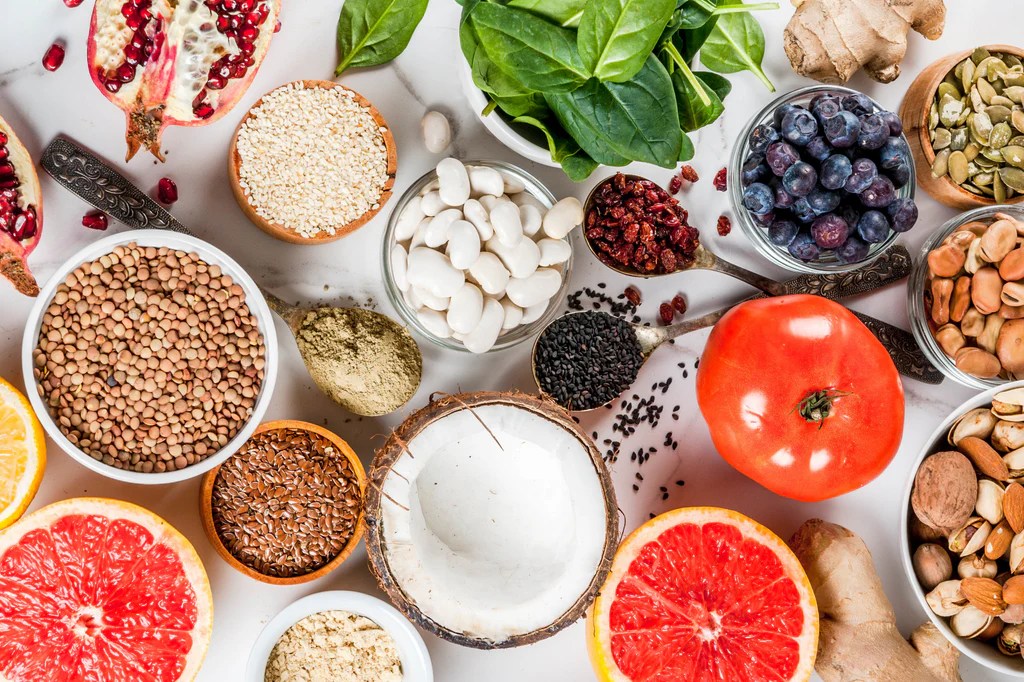
How to boost immunity with superfoods – Eating a nutritious diet plays a crucial role in supporting a strong immune system. The foods we consume provide essential vitamins, minerals, and antioxidants that help our bodies fight off infections and diseases.
Superfoods for Boosting Immunity
Here are some superfoods known for their immune-boosting properties:
- 1. Citrus fruits: Rich in vitamin C, which helps increase the production of white blood cells.
- 2. Berries: Packed with antioxidants that protect cells from damage and inflammation.
- 3. Leafy greens: Spinach, kale, and other greens provide vitamins A, C, and E, as well as antioxidants.
- 4. Garlic: Contains immune-boosting compounds that help fight infections.
- 5. Yogurt: Probiotics in yogurt support a healthy gut, which is essential for a strong immune system.
Immunity-Boosting Meal Ideas
Here are some recipe ideas to incorporate these superfoods into your meals:
- Spinach and berry smoothie: Blend spinach, mixed berries, yogurt, and a splash of orange juice for a nutrient-packed breakfast.
- Garlic and herb roasted chicken: Marinate chicken breasts with garlic, herbs, and lemon before baking for a flavorful and immune-boosting main dish.
- Kale and citrus salad: Toss kale, orange segments, and almonds with a lemon vinaigrette for a refreshing and nutritious side salad.
Preventive Care
Preventive care plays a crucial role in enhancing immunity by focusing on maintaining overall health and well-being. By taking proactive measures to prevent illnesses and diseases, we can strengthen our immune system and reduce the risk of infections.
Tips for Preventive Health Measures
- Avoid smoking and limit alcohol consumption to support a healthy immune system.
- Engage in regular exercise to boost immunity and promote overall well-being.
- Eat a balanced diet rich in fruits, vegetables, whole grains, and lean proteins to provide essential nutrients for immune function.
- Get an adequate amount of sleep to allow your body to rest and recharge, supporting immune health.
- Practice good hygiene by washing hands regularly and avoiding contact with sick individuals to prevent the spread of infections.
Importance of Regular Check-Ups
Regular check-ups with healthcare providers are essential for maintaining optimal health and immunity. These visits allow for early detection of any underlying health issues, ensuring timely intervention and treatment. By monitoring key health indicators such as blood pressure, cholesterol levels, and vaccinations, individuals can proactively manage their health and reduce the risk of immune-related illnesses.
Balanced Diet
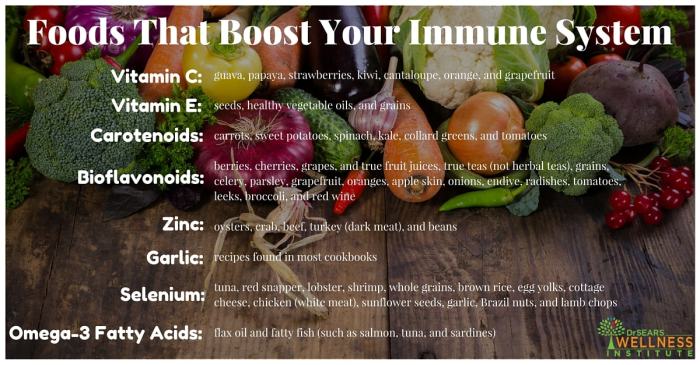
Maintaining a balanced diet is crucial for optimal immunity as it provides the necessary nutrients to support our body’s defense system. A well-balanced diet includes a variety of foods that offer a range of essential nutrients to keep our immune system functioning at its best.
Components of a Well-Balanced Diet
A well-balanced diet consists of a variety of food groups, including fruits, vegetables, whole grains, lean proteins, and healthy fats. Each of these food groups plays a vital role in providing essential nutrients that support immune function.
- Fruits and Vegetables: Rich in vitamins, minerals, and antioxidants that help boost immunity. Aim for a colorful variety to ensure you get a wide range of nutrients.
- Whole Grains: Provide fiber, B vitamins, and antioxidants that support overall health and immune function. Choose whole grains like brown rice, quinoa, and whole wheat bread.
- Lean Proteins: Essential for building and repairing tissues, proteins also play a role in immune function. Opt for lean sources like poultry, fish, beans, and nuts.
- Healthy Fats: Include sources of healthy fats like avocados, nuts, seeds, and olive oil to support immune health and reduce inflammation.
Essential Nutrients for Immune Function
To support immune function, it’s important to ensure you’re getting an adequate intake of essential nutrients. Some key nutrients that play a role in immune health include:
- Vitamin C: Known for its immune-boosting properties, vitamin C is essential for the growth and repair of tissues in the body.
- Vitamin D: Helps regulate the immune system and reduce inflammation. Sunlight is a natural source of vitamin D, but it can also be found in fatty fish and fortified foods.
- Zinc: Supports the immune system by helping with cell growth and healing. Sources of zinc include meat, shellfish, legumes, seeds, and nuts.
- Probiotics: Healthy bacteria that support gut health, which is closely linked to immune function. Yogurt, kefir, and fermented foods are good sources of probiotics.
Importance of Variety in Food Choices
Including a variety of foods in your diet is essential for ensuring you get a wide range of nutrients that support immune function. Different foods provide different nutrients, so incorporating a variety of fruits, vegetables, whole grains, and lean proteins into your meals can help you cover all your nutritional bases and support overall health and immunity.
Regular Exercise
Regular exercise plays a crucial role in boosting immune health by improving circulation, reducing inflammation, and supporting overall wellness. It can also help reduce stress levels, which in turn can have a positive impact on the immune system.
Types of Exercises for Immunity
- Cardiovascular exercises: Activities like running, cycling, or swimming can help increase heart rate and improve circulation, which aids in the distribution of immune cells throughout the body.
- Strength training: Building muscle mass through weightlifting or bodyweight exercises can enhance immune function by promoting the production of antibodies.
- Yoga and Pilates: These mind-body exercises focus on breathing techniques and flexibility, which can reduce stress and inflammation, ultimately supporting immune health.
Frequency and Duration
Regular exercise for immune support is recommended at least 3-5 times per week, with each session lasting around 30-60 minutes. It’s important to find a balance that works for your schedule and fitness level to maintain consistency and maximize the benefits for your immune system.
Mental Health
Maintaining good mental health is crucial for overall well-being, including immune system function. Stress, anxiety, and other mental health issues can weaken the immune system, making individuals more susceptible to illnesses. It is essential to address mental health to boost immunity effectively.
Impact on Immune System
Chronic stress and anxiety can lead to the release of stress hormones like cortisol, which, when elevated for prolonged periods, can suppress the immune system. This makes the body more vulnerable to infections and diseases.
Coping Mechanisms
- Practice mindfulness and meditation to reduce stress levels and promote relaxation.
- Engage in regular physical exercise to release endorphins and improve mood.
- Seek social support and maintain strong connections with friends and family.
- Consider therapy or counseling to address underlying issues causing stress and anxiety.
Importance of Self-Care
Self-care practices are essential for mental health and immunity. Taking time for yourself, practicing hobbies, and engaging in activities that bring joy and relaxation can significantly impact mental well-being.
Holistic Wellness
Holistic wellness focuses on the interconnectedness of various aspects of health, including physical, mental, emotional, and spiritual well-being, to achieve overall balance and harmony in the body.
Examples of Holistic Approaches
- Practicing mindfulness and meditation to reduce stress levels, which can weaken the immune system.
- Eating a balanced diet rich in nutrients and antioxidants to support immune function and overall health.
- Incorporating regular exercise into your routine to boost circulation and strengthen the body’s defense mechanisms.
- Engaging in activities that promote emotional well-being, such as spending time in nature or connecting with loved ones.
Interconnectedness of Wellness for Immune Function
Physical fitness, mental health, healthy eating, and preventive care are all essential components of holistic wellness that contribute to a strong immune system. When these aspects are in balance, the body is better equipped to ward off infections and diseases. For example, regular exercise not only improves cardiovascular health but also enhances the immune response by increasing the production of antibodies and white blood cells. Similarly, a diet high in fruits, vegetables, and whole grains provides essential vitamins and minerals that support immune function.
Chronic Diseases
Chronic diseases can significantly weaken the immune system, making individuals more vulnerable to infections and illnesses. Conditions such as diabetes, heart disease, and autoimmune disorders can create a state of chronic inflammation in the body, which can compromise the immune response over time.
Preventive Strategies for Managing Chronic Conditions and Boosting Immunity, How to boost immunity with superfoods
- Follow a balanced diet rich in fruits, vegetables, whole grains, and lean proteins to support overall health and immune function.
- Engage in regular exercise to help manage weight, reduce inflammation, and improve cardiovascular health.
- Avoid smoking and excessive alcohol consumption, as these habits can further weaken the immune system and exacerbate chronic conditions.
- Manage stress through relaxation techniques, mindfulness, and adequate sleep to reduce the impact of chronic diseases on immune function.
Importance of Holistic Care for Individuals with Chronic Diseases
Holistic care involves addressing the physical, emotional, and mental aspects of health to provide comprehensive support for individuals with chronic diseases. This approach can help manage symptoms, improve quality of life, and enhance overall well-being by considering the interconnected nature of health and addressing underlying factors contributing to chronic conditions.
Immunity Boosters: How To Boost Immunity With Superfoods
Boosting your immunity is essential for maintaining overall health and wellness. Incorporating natural immunity boosters into your daily routine can help support your immune system and keep you feeling your best.
Natural Immunity Boosters
There are several natural immunity boosters that you can incorporate into your diet to help support your immune system:
- Garlic: Known for its antimicrobial properties, garlic can help fight off infections and boost immunity.
- Ginger: Rich in antioxidants, ginger can help reduce inflammation and support immune function.
- Turmeric: Contains curcumin, a compound with powerful anti-inflammatory and antioxidant properties that can help boost immunity.
- Vitamin C: Found in citrus fruits, bell peppers, and leafy greens, vitamin C is essential for immune function.
- Zinc: Helps regulate immune function and can be found in foods like beans, nuts, seeds, and whole grains.
It’s important to consume a variety of these natural immunity boosters to ensure you’re getting a wide range of nutrients to support your immune system.
Incorporating Immunity Boosters
To maximize the benefits of immunity boosters, try incorporating them into your daily routine in the following ways:
- Add garlic and ginger to stir-fries, soups, and sauces for added flavor and immune-boosting benefits.
- Squeeze fresh lemon or lime juice over salads or vegetables to increase your vitamin C intake.
- Add turmeric to curries, smoothies, or even a warm cup of turmeric tea for its immune-boosting properties.
- Include zinc-rich foods like beans, nuts, and seeds as snacks or in your meals to support immune function.
FAQ Guide
Can superfoods alone boost immunity effectively?
While superfoods play a crucial role in enhancing immunity, a holistic approach including other factors like exercise and mental wellness is essential for overall well-being.
Are there any specific superfoods that are exceptionally good for immunity?
Superfoods like spinach, berries, turmeric, and garlic are known for their immune-boosting properties due to their rich nutrient content.
How often should one consume superfoods to see a noticeable improvement in immunity?
Consistency is key when incorporating superfoods into your diet. Aim for a balanced intake throughout the week to experience the benefits over time.