The impact of stress on immunity and how to improve it is a topic that has gained significant attention in recent years. While stress is a natural part of life, chronic stress can have a detrimental effect on our immune system, leaving us more susceptible to infections and diseases.
Understanding the complex interplay between stress and immunity is crucial for maintaining optimal health and well-being.
Stress triggers the release of hormones like cortisol, which can suppress the immune system’s ability to fight off infections. This weakens our natural defenses, making us more vulnerable to a range of health problems. However, there are strategies we can implement to manage stress and bolster our immunity, leading to a healthier and more resilient lifestyle.
The Stress-Immunity Connection
Stress is a common part of life, but did you know it can have a significant impact on your immune system? This intricate relationship between stress and immunity plays a crucial role in your overall health and well-being.
How Chronic Stress Weakens the Immune Response, The impact of stress on immunity and how to improve it
Chronic stress, a persistent state of heightened tension and anxiety, weakens the immune system by disrupting its delicate balance. This disruption occurs through various mechanisms, including the release of stress hormones like cortisol, which have a suppressive effect on immune function.
Stress Hormones Suppress Immune Function
The body’s response to stress involves the release of hormones, primarily cortisol, adrenaline, and norepinephrine. These hormones, while essential for short-term survival, can have detrimental effects on the immune system when chronically elevated.
Cortisol, the primary stress hormone, acts as an immunosuppressant by reducing the production of immune cells and suppressing the activity of lymphocytes, the white blood cells responsible for fighting infections.
Adrenaline and norepinephrine, while less directly involved in immune suppression, contribute to the overall stress response and can indirectly affect immune function.
Immune Cells Affected by Stress
Stress can directly affect specific immune cells, impairing their ability to effectively combat pathogens and maintain immune homeostasis.
- Lymphocytes:These white blood cells are crucial for adaptive immunity, recognizing and targeting specific pathogens. Chronic stress reduces the number and activity of lymphocytes, compromising the body’s ability to mount an effective immune response.
- Natural Killer (NK) Cells:These cells are part of the innate immune system, responsible for killing infected or cancerous cells. Stress can suppress NK cell activity, making the body more vulnerable to infections and cancer development.
- Macrophages:These cells engulf and destroy pathogens, playing a vital role in the immune response. Chronic stress can impair macrophage function, reducing their ability to clear infections and promote tissue repair.
The Impact of Stress on Immunity
Stress, a common aspect of modern life, can have a profound impact on our immune system, leaving us more vulnerable to infections and exacerbating existing health conditions. Understanding the intricate relationship between stress and immunity is crucial for maintaining overall well-being.
Increased Susceptibility to Infections
Chronic stress can significantly weaken the immune system, making individuals more susceptible to various infections. When we experience stress, our bodies release hormones like cortisol, which can suppress the immune response. This suppression affects the production and function of immune cells, such as lymphocytes and macrophages, which are crucial for fighting off pathogens.
Here’s how stress can increase susceptibility to infections:
- Reduced Lymphocyte Activity:Cortisol can decrease the number and activity of lymphocytes, which are responsible for recognizing and attacking foreign invaders. This can lead to a compromised ability to fight off infections.
- Suppressed Macrophage Function:Macrophages are immune cells that engulf and destroy pathogens. Cortisol can impair their function, making it harder for the body to clear infections.
- Increased Inflammation:While inflammation is a natural response to infection, chronic stress can lead to a state of low-grade inflammation, making the body more susceptible to infections and chronic diseases.
Stress and Autoimmune Diseases
Stress can also play a role in the development and exacerbation of autoimmune diseases. In autoimmune diseases, the immune system mistakenly attacks the body’s own tissues. While the exact mechanisms are not fully understood, research suggests that chronic stress can contribute to autoimmune disorders in several ways:
- Altered Immune Regulation:Stress can disrupt the delicate balance of the immune system, leading to an overactive immune response that targets healthy tissues.
- Increased Inflammation:Chronic stress can promote inflammation, which is a key factor in the development and progression of autoimmune diseases.
- Genetic Predisposition:Individuals with a genetic predisposition to autoimmune diseases may be more susceptible to developing these conditions when exposed to chronic stress.
Exacerbation of Existing Health Conditions
Stress can worsen the symptoms and progression of various health conditions, including:
- Cardiovascular Disease:Stress can elevate blood pressure, increase heart rate, and constrict blood vessels, contributing to the development and worsening of cardiovascular diseases.
- Diabetes:Stress can impair glucose regulation, leading to higher blood sugar levels and making diabetes management more challenging.
- Mental Health Conditions:Stress can exacerbate symptoms of anxiety, depression, and other mental health conditions, creating a vicious cycle.
Impact of Stress on Different Aspects of the Immune System
| Aspect of the Immune System | Impact of Stress ||—|—|| Lymphocyte Activity| Decreased number and activity of lymphocytes || Macrophage Function| Impaired macrophage function || Cytokine Production| Altered cytokine production, leading to increased inflammation || Natural Killer Cell Activity| Reduced natural killer cell activity || Antibody Production| Decreased antibody production || Immune Regulation| Disrupted immune regulation, leading to an overactive immune response |
Strategies for Managing Stress
Stress is an inevitable part of life, but chronic stress can have a detrimental impact on your health, including your immune system. Fortunately, there are numerous strategies you can implement to manage stress effectively and protect your well-being.
Effective Stress Management Techniques
Stress management techniques aim to equip individuals with the tools to effectively cope with stressors and promote a sense of well-being. These techniques can help reduce the negative impact of stress on the body and mind, fostering resilience and a more balanced lifestyle.
- Deep Breathing Exercises:Deep breathing exercises, such as diaphragmatic breathing, involve taking slow, deep breaths to calm the nervous system and reduce stress. This technique can be practiced anywhere and anytime, providing a quick and effective way to manage stress levels.
- Progressive Muscle Relaxation:This technique involves systematically tensing and relaxing different muscle groups in the body. By focusing on the physical sensations of tension and relaxation, individuals can learn to release muscle tension and reduce overall stress.
- Mindfulness Meditation:Mindfulness meditation involves focusing on the present moment without judgment. By paying attention to thoughts, feelings, and sensations without getting caught up in them, individuals can develop greater self-awareness and reduce stress.
- Yoga and Tai Chi:These practices combine physical movement with deep breathing and mindfulness, promoting relaxation and reducing stress. Yoga postures can help improve flexibility and reduce muscle tension, while Tai Chi movements can calm the mind and body.
- Journaling:Writing down your thoughts and feelings can be a cathartic experience, helping to process stress and gain a better understanding of your emotions. It can also provide a valuable record of your experiences and coping strategies.
- Spending Time in Nature:Spending time in nature has been shown to have numerous benefits for mental and physical health, including stress reduction. The sounds, sights, and smells of nature can help to calm the mind and promote relaxation.
- Connecting with Others:Social support is crucial for managing stress. Spending time with loved ones, joining social groups, or volunteering can provide a sense of belonging and reduce feelings of isolation.
- Laughter:Laughter is a powerful stress reliever. Watching a funny movie, reading a humorous book, or spending time with friends who make you laugh can help to lift your mood and reduce stress.
- Setting Boundaries:Learning to say no to commitments that overwhelm you is essential for managing stress. Setting boundaries can help you prioritize your time and energy, preventing burnout and maintaining a healthy balance.
Practicing Mindfulness and Meditation
Mindfulness and meditation are powerful tools for managing stress and improving overall well-being. These practices involve focusing on the present moment without judgment, cultivating awareness of thoughts, feelings, and sensations.
- Find a Quiet Space:Choose a quiet and comfortable place where you can sit or lie down undisturbed. This could be your bedroom, a park bench, or any other location that allows you to relax and focus.
- Focus on Your Breath:Begin by focusing on your breath. Notice the rise and fall of your chest or abdomen as you inhale and exhale. Don’t try to control your breath; simply observe it.
- Observe Your Thoughts and Feelings:As you become more aware of your breath, you may notice thoughts and feelings arising. Simply acknowledge them without judgment. If your mind wanders, gently bring it back to your breath.
- Start with Short Sessions:Begin with short meditation sessions, even just 5-10 minutes a day. As you become more comfortable, you can gradually increase the duration of your practice.
- Be Patient and Persistent:Mindfulness and meditation are skills that take time and practice to develop. Be patient with yourself and don’t get discouraged if you find it challenging at first.
Improving Sleep Quality and Promoting Relaxation
Getting enough quality sleep is crucial for managing stress and maintaining a healthy immune system. Adequate sleep allows the body and mind to rest and repair, reducing stress hormones and boosting immune function.
- Establish a Regular Sleep Schedule:Go to bed and wake up around the same time each day, even on weekends, to regulate your body’s natural sleep-wake cycle.
- Create a Relaxing Bedtime Routine:Wind down an hour or two before bed by engaging in calming activities such as taking a warm bath, reading a book, or listening to soothing music.
- Optimize Your Sleep Environment:Ensure your bedroom is dark, quiet, and cool. Use blackout curtains, earplugs, or a white noise machine to minimize distractions.
- Avoid Caffeine and Alcohol Before Bed:Caffeine and alcohol can interfere with sleep quality. Limit your intake of these substances in the evening.
- Get Regular Exercise:Physical activity can improve sleep quality, but avoid exercising too close to bedtime.
- Limit Screen Time Before Bed:The blue light emitted from electronic devices can suppress melatonin production, making it harder to fall asleep. Avoid screen time for at least an hour before bed.
Benefits of Physical Activity and Exercise
Physical activity and exercise are powerful stress relievers and can have a significant impact on your overall well-being. Exercise releases endorphins, which have mood-boosting effects and reduce stress hormones.
- Reduces Stress Hormones:Exercise helps to reduce the levels of stress hormones like cortisol in the body, promoting relaxation and reducing feelings of anxiety.
- Improves Mood and Sleep:Regular exercise can improve mood, reduce symptoms of depression and anxiety, and promote better sleep quality.
- Boosts Immune Function:Exercise can strengthen the immune system by increasing the production of white blood cells, which help fight off infections.
- Enhances Cognitive Function:Exercise can improve cognitive function, memory, and concentration, helping you manage stress more effectively.
- Provides a Sense of Accomplishment:Completing a workout can provide a sense of accomplishment and boost your self-esteem, contributing to a more positive outlook and reduced stress levels.
Lifestyle Factors Influencing Immunity
Your lifestyle choices play a significant role in supporting your immune system’s ability to fight off infections and maintain overall health. A balanced approach that encompasses nutrition, physical activity, and sufficient sleep is crucial for bolstering your body’s natural defenses.
The Importance of a Balanced Diet
A balanced diet provides your body with the essential nutrients it needs to function optimally, including supporting a robust immune system.
- Fruits and vegetables:Rich in vitamins, minerals, and antioxidants, these foods help protect cells from damage and support immune cell function.
- Lean protein:Protein is essential for building and repairing tissues, including immune cells.
- Whole grains:Provide fiber, which supports gut health, and B vitamins, crucial for energy production and immune function.
- Healthy fats:Omega-3 fatty acids found in fatty fish, nuts, and seeds have anti-inflammatory properties and contribute to immune regulation.
The Role of Regular Exercise
Regular physical activity has been shown to enhance immune function by increasing blood circulation, promoting lymphatic drainage, and reducing inflammation.
- Moderate-intensity exercise:Activities like brisk walking, swimming, and cycling for at least 30 minutes most days of the week can boost immune cell activity and reduce the risk of chronic diseases.
- Strength training:Incorporating resistance exercises helps build muscle mass, which is essential for maintaining a healthy immune system.
Benefits of Adequate Sleep
Sleep is a crucial time for the body to repair and regenerate, including immune cells.
- During sleep, the body releases cytokines,which are proteins that help regulate immune responses.
- Adequate sleep also helps to regulate the production of stress hormones,which can suppress immune function.
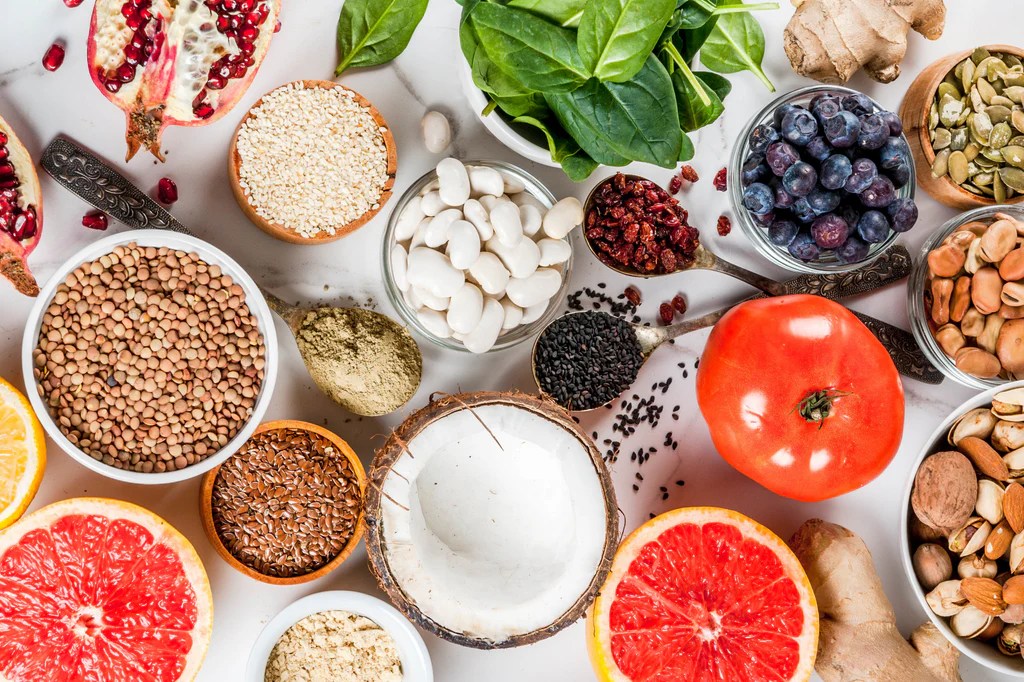
Immune-Boosting Foods
Incorporating these foods into your diet can provide additional support for your immune system:
- Citrus fruits:Rich in vitamin C, a powerful antioxidant that supports immune cell function.
- Garlic:Contains allicin, a compound with antimicrobial properties that can help fight infections.
- Ginger:Has anti-inflammatory properties and can help reduce nausea and cold symptoms.
- Yogurt:Contains probiotics, which are beneficial bacteria that support gut health and immune function.
- Spinach:Rich in vitamin A, vitamin C, and folate, all of which are essential for immune function.
The Importance of Preventive Care: The Impact Of Stress On Immunity And How To Improve It
Preventive care is crucial for maintaining good health and preventing the development of chronic diseases. It involves proactive measures aimed at identifying health risks early and taking steps to minimize their impact. This approach emphasizes the importance of regular medical check-ups, vaccinations, and adopting healthy lifestyle habits.
The Role of Regular Medical Check-Ups and Vaccinations
Regular medical check-ups are essential for monitoring overall health and detecting potential health issues in their early stages. These check-ups allow healthcare professionals to assess your health status, identify any potential risks, and provide personalized recommendations for maintaining optimal well-being.
Vaccinations, on the other hand, are a crucial part of preventive care, as they help protect individuals from contagious diseases by stimulating the immune system to develop immunity.
- Regular medical check-ups can help detect conditions like high blood pressure, high cholesterol, and diabetes early, allowing for timely intervention and reducing the risk of complications.
- Vaccinations significantly reduce the risk of contracting and spreading preventable diseases, such as measles, mumps, rubella, and influenza.
- Preventive care measures, including regular check-ups and vaccinations, can help reduce healthcare costs in the long run by preventing the development of serious health issues.
Early Detection and Treatment of Stress-Related Health Issues
Early detection and treatment are critical for managing stress-related health issues. Stress can have a significant impact on the immune system, increasing the risk of developing various health problems. Identifying and addressing these issues promptly can help prevent the progression of these conditions and improve overall well-being.
- Stress can contribute to the development of mental health conditions such as anxiety and depression. Early intervention through therapy or medication can significantly improve mental health outcomes.
- Stress can also increase the risk of developing cardiovascular disease, autoimmune disorders, and digestive problems. Early detection and treatment can help manage these conditions and reduce the risk of complications.
- By addressing stress-related health issues early, individuals can reduce the likelihood of experiencing chronic pain, fatigue, and other debilitating symptoms.
Preventive Care and Overall Well-being
Preventive care plays a vital role in enhancing overall well-being by promoting healthy habits, reducing the risk of chronic diseases, and improving quality of life. By taking proactive steps to manage health risks, individuals can enjoy a higher level of physical, mental, and emotional well-being.
- Preventive care empowers individuals to take control of their health and make informed decisions about their well-being.
- It helps individuals develop a greater understanding of their health and the importance of maintaining a healthy lifestyle.
- Preventive care can contribute to a longer and healthier lifespan by reducing the risk of developing chronic diseases and improving overall health outcomes.
Benefits of Preventive Health Measures
| Preventive Health Measure | Benefits |
|---|---|
| Regular Medical Check-ups | Early detection of health issues, personalized health recommendations, reduced risk of complications |
| Vaccinations | Protection against contagious diseases, reduced risk of epidemics, improved overall health |
| Healthy Diet | Reduced risk of chronic diseases, improved energy levels, better mental health |
| Regular Exercise | Improved cardiovascular health, reduced risk of obesity, better sleep quality |
| Stress Management Techniques | Reduced anxiety and depression, improved mood, better sleep quality |
Holistic Wellness for Improved Immunity
Holistic wellness goes beyond simply treating symptoms. It emphasizes a comprehensive approach to health, considering the interconnectedness of physical, mental, emotional, and spiritual well-being. By addressing all these aspects, holistic wellness aims to create a state of balance and harmony within the body, which can have a profound impact on immune function.
The Benefits of Mind-Body Practices
Mind-body practices, such as meditation, yoga, and tai chi, have been shown to positively influence the immune system. These practices promote relaxation, reduce stress hormones, and enhance the body’s natural healing mechanisms.
- Meditation has been found to reduce inflammation and improve the activity of immune cells, such as T cells and natural killer cells.
- Yoga, with its focus on breathing, stretching, and mindfulness, can help regulate the nervous system and improve circulation, which are crucial for optimal immune function.
- Tai chi, a gentle form of exercise that combines slow, flowing movements with deep breathing, can enhance balance, flexibility, and overall well-being, contributing to a stronger immune system.
Complementary and Alternative Therapies
Complementary and alternative therapies, often used alongside conventional medicine, can also play a role in supporting immune function. These therapies aim to stimulate the body’s natural healing processes and enhance overall well-being.
- Acupuncture, a traditional Chinese medicine technique involving the insertion of thin needles into specific points on the body, can help regulate the immune system and reduce inflammation.
- Herbal medicine, which uses plants and their extracts for medicinal purposes, offers a range of options for boosting immunity. Some herbs, such as echinacea and ginseng, have been traditionally used to support immune function.
- Nutritional supplements, such as vitamins C, D, and zinc, can provide additional support to the immune system, especially during times of stress or illness.
Achieving Holistic Well-being for Optimal Immunity
A holistic approach to wellness requires a multifaceted strategy that addresses all aspects of well-being.
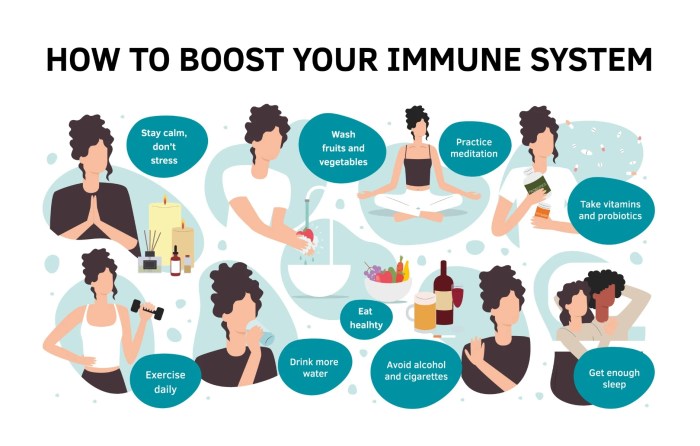
- Mindfulness and Stress Management:Engage in practices such as meditation, deep breathing exercises, and yoga to reduce stress and promote relaxation.
- Balanced Diet:Consume a nutrient-rich diet rich in fruits, vegetables, whole grains, and lean protein. Limit processed foods, sugary drinks, and unhealthy fats.
- Regular Exercise:Engage in moderate-intensity exercise for at least 30 minutes most days of the week. Physical activity helps boost circulation, reduce inflammation, and strengthen the immune system.
- Adequate Sleep:Aim for 7-8 hours of quality sleep each night. Sleep is crucial for immune function and overall health.
- Social Connection:Maintain strong social connections and engage in activities that bring you joy and purpose. Social support can significantly impact mental and emotional well-being, which in turn supports a healthy immune system.
The Role of Mental Health in Immunity
The connection between mental health and physical well-being, including immunity, is increasingly recognized. A healthy mind contributes significantly to a robust immune system, while mental health challenges can compromise immune function.
The Impact of Mental Health Conditions on Immunity
Mental health conditions like anxiety and depression can have a profound impact on the immune system. When the body is under prolonged stress, it releases hormones like cortisol, which can suppress the immune system’s ability to fight off infections.
- Anxiety: Chronic anxiety can lead to increased inflammation, which weakens the immune response. It can also disrupt sleep, further compromising the immune system.
- Depression: Depression is associated with a weakened immune response, making individuals more susceptible to infections. It can also affect the production of white blood cells, which are crucial for fighting off pathogens.
Managing Mental Health to Improve Immune Resilience
Strategies for managing mental health are crucial for strengthening the immune system.
- Therapy: Cognitive-behavioral therapy (CBT) and other forms of therapy can help individuals manage stress, anxiety, and depression, thereby improving immune function.
- Stress Management Techniques: Mindfulness meditation, deep breathing exercises, and yoga can help reduce stress levels and promote relaxation, leading to a stronger immune system.
- Lifestyle Modifications: Getting enough sleep, maintaining a healthy diet, and engaging in regular physical activity can contribute to both mental and physical well-being, strengthening the immune system.
Strategies for Promoting Positive Mental Well-being
Promoting positive mental well-being is essential for a strong immune system.
- Social Connections: Building and maintaining strong social connections can provide support and reduce feelings of loneliness, which can have a negative impact on mental health and immunity.
- Meaningful Activities: Engaging in activities that bring joy, purpose, and a sense of accomplishment can boost mood and improve overall well-being, leading to a stronger immune system.
- Gratitude Practices: Cultivating gratitude can shift focus towards positive aspects of life, promoting a more optimistic outlook and reducing stress, ultimately benefiting the immune system.
Chronic Diseases and Immunity
Chronic diseases, such as diabetes, heart disease, and autoimmune disorders, can significantly compromise the immune system, making individuals more susceptible to infections and other health complications. The impact of these conditions on immune function varies depending on the specific disease and its severity.
Impact of Specific Chronic Conditions on Immune Function
Chronic diseases can disrupt the delicate balance of the immune system in several ways. For instance, diabetes can impair the function of white blood cells, which are essential for fighting infections. Similarly, heart disease can increase inflammation throughout the body, which can suppress immune responses.
Autoimmune diseases, such as rheumatoid arthritis and lupus, involve the immune system attacking healthy tissues, leading to chronic inflammation and weakened immunity.
Examples of Increased Susceptibility to Infections
Individuals with chronic diseases are more likely to experience recurrent infections. For example, people with diabetes are more prone to skin infections, urinary tract infections, and pneumonia. Similarly, those with heart disease may be at increased risk of developing respiratory infections.
The weakened immune system in these individuals makes it difficult to effectively fight off pathogens.
Strategies for Managing Chronic Diseases to Improve Immune Health
Managing chronic diseases effectively is crucial for maintaining a healthy immune system. This involves working closely with healthcare providers to follow recommended treatment plans, which may include medication, lifestyle modifications, and regular monitoring.
- Adhering to prescribed medications:Following medication regimens as directed by a healthcare provider is essential for controlling chronic conditions and minimizing their impact on the immune system.
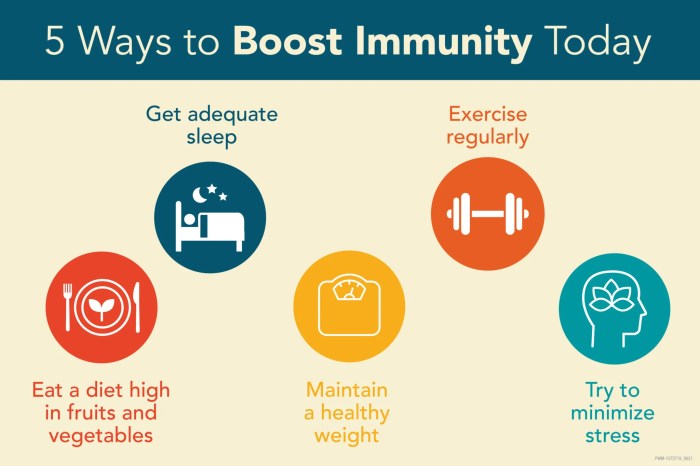
- Adopting healthy lifestyle habits:Maintaining a healthy weight, engaging in regular physical activity, and consuming a balanced diet can significantly improve immune function.
- Managing stress:Stress can suppress the immune system, making it essential to find healthy ways to manage stress, such as meditation, yoga, or spending time in nature.
- Getting adequate sleep:Sleep deprivation can weaken the immune system, making it crucial to prioritize getting enough restful sleep.
- Avoiding smoking and excessive alcohol consumption:These habits can damage the immune system and increase the risk of infections.
Immunity Boosters
Boosting your immune system is crucial for maintaining overall health and well-being. Natural immunity boosters can play a significant role in strengthening your body’s defense mechanisms. These boosters work by various mechanisms, including enhancing immune cell activity, reducing inflammation, and promoting gut health.
Foods
A balanced diet rich in fruits, vegetables, and whole grains provides essential nutrients that support immune function.
- Citrus fruits:Rich in vitamin C, which is a powerful antioxidant that helps boost white blood cell production and immune function.
- Garlic:Contains allicin, a compound that has antimicrobial and antiviral properties, and may enhance immune cell activity.
- Ginger:Known for its anti-inflammatory and immune-boosting properties. It may help reduce inflammation and enhance immune cell function.
- Yogurt:A good source of probiotics, which are beneficial bacteria that promote gut health and support immune function.
- Mushrooms:Certain types of mushrooms, such as reishi and shiitake, have immunomodulatory properties and may enhance immune response.
Supplements
Certain supplements can provide additional support for immune function.
- Vitamin D:Plays a crucial role in immune cell development and function. It is important to maintain adequate vitamin D levels, especially during winter months.
- Zinc:Essential for immune cell development and function. It may help reduce the duration of colds and other infections.
- Elderberry:Has antiviral properties and may help reduce the severity and duration of colds and flu.
- Echinacea:A popular herb that is believed to boost immune function. It may help reduce the duration of colds and other infections.
Herbs
Various herbs have been traditionally used to support immune function.
- Astragalus:An adaptogenic herb that may help reduce inflammation and enhance immune cell activity.
- Turmeric:Contains curcumin, a powerful anti-inflammatory compound that may help boost immune function.
- Oregano:Contains carvacrol, a compound with antimicrobial properties that may help fight infections.
- Garlic:Contains allicin, a compound that has antimicrobial and antiviral properties, and may enhance immune cell activity.
Potential Benefits and Limitations
While natural immunity boosters can be beneficial, it’s important to be aware of their potential limitations.
- Individual variations:The effectiveness of immunity boosters can vary from person to person. What works for one person may not work for another.
- Potential interactions:Some immunity boosters may interact with medications or have adverse effects, especially if taken in high doses.
- Not a substitute for healthy lifestyle:Immunity boosters should not be considered a substitute for a healthy lifestyle, which includes a balanced diet, regular exercise, and adequate sleep.
Effective Immunity Boosters and Dosages
| Immunity Booster | Recommended Dosage |
|---|---|
| Vitamin C | 500-1000 mg per day |
| Vitamin D | 600-800 IU per day |
| Zinc | 15-30 mg per day |
| Elderberry | 500-1000 mg per day |
| Echinacea | 200-400 mg per day |
Final Summary
By understanding the intricate relationship between stress and immunity, we can take proactive steps to manage stress effectively and strengthen our immune defenses. This involves embracing a holistic approach to well-being, incorporating stress management techniques, adopting a healthy lifestyle, and seeking preventive care.
By prioritizing our mental and physical health, we can cultivate a robust immune system that supports a fulfilling and vibrant life.
Commonly Asked Questions
How can I tell if stress is affecting my immunity?
You might notice frequent colds, infections, or a slower recovery time from illness. Other signs include fatigue, difficulty concentrating, and digestive issues.
Are there specific foods that boost immunity?
Yes, foods rich in vitamins C, D, and zinc, like citrus fruits, mushrooms, and nuts, can help strengthen your immune system.
What are some simple stress management techniques?
Deep breathing exercises, mindfulness meditation, and spending time in nature can be effective in reducing stress.