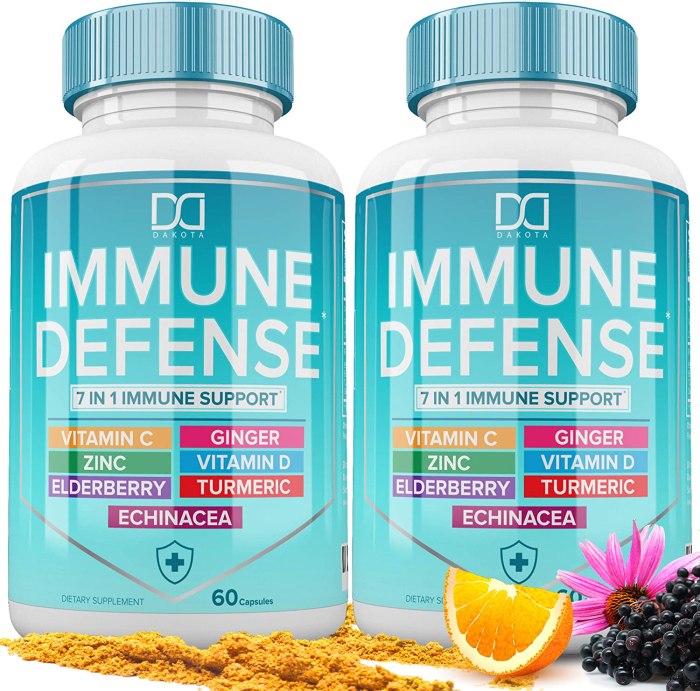
Boost Immunity: Top Supplements for Adults

Top supplements for boosting immunity in adults

Top supplements for boosting immunity in adults sets the stage for this enthralling narrative, offering readers a glimpse into a story that is rich in detail and brimming with originality from the outset. Our immune system is a complex network that protects us from illness.

While a healthy lifestyle is crucial, sometimes an extra boost can be helpful. This guide explores the benefits of popular supplements, their scientific backing, and how to incorporate them safely.

We’ll delve into the science behind these supplements, discussing their mechanisms of action and the evidence supporting their effectiveness. We’ll also address common questions about dosage, potential side effects, and how to choose high-quality products. By understanding the role of these supplements, you can make informed decisions about your health and wellness.

Understanding Immunity

Your immune system is your body’s defense against illness. It’s a complex network of cells, tissues, and organs that work together to protect you from harmful invaders like bacteria, viruses, fungi, and parasites.

How the Immune System Works

The immune system works by identifying and attacking foreign substances, known as antigens. When an antigen enters the body, the immune system triggers a response that involves a series of steps:

  • Recognition:Immune cells, such as macrophages and dendritic cells, recognize the antigen as foreign and engulf it.
  • Activation:The antigen-presenting cells then activate other immune cells, such as T cells and B cells.
  • Attack:T cells directly destroy infected cells, while B cells produce antibodies that bind to antigens and neutralize them.
  • Memory:The immune system remembers the antigen and mounts a faster and more powerful response the next time it encounters it. This is known as immunity.

Types of Immune Cells

There are many different types of immune cells, each with its own specific function. Some of the key players include:

  • Macrophages:These cells engulf and destroy pathogens and cellular debris.
  • Dendritic cells:These cells present antigens to T cells, triggering an immune response.
  • T cells:These cells directly kill infected cells and help regulate the immune response.
  • B cells:These cells produce antibodies that bind to antigens and neutralize them.
  • Natural killer (NK) cells:These cells kill infected cells and tumor cells without the need for prior sensitization.

Factors that Weaken the Immune System, Top supplements for boosting immunity in adults

Several factors can weaken the immune system, making it more susceptible to illness. These include:

  • Age:The immune system naturally weakens with age, making older adults more vulnerable to infections.
  • Stress:Chronic stress can suppress the immune system, making it more difficult to fight off infections.
  • Lack of sleep:Insufficient sleep can impair immune function, making you more susceptible to illness.
  • Poor nutrition:A diet lacking in essential nutrients can weaken the immune system.
  • Chronic diseases:Conditions such as diabetes, HIV/AIDS, and cancer can weaken the immune system.
  • Medications:Certain medications, such as corticosteroids and chemotherapy drugs, can suppress the immune system.

Essential Nutrients for Immune Support

Your immune system is a complex network of cells, tissues, and organs that work together to protect your body from harmful invaders like bacteria, viruses, and fungi. Just like any machine, your immune system needs fuel to function optimally.

This fuel comes in the form of essential nutrients, which play a vital role in supporting immune function.

Vitamins, Minerals, and Antioxidants for a Strong Immune System

Vitamins, minerals, and antioxidants are essential for a strong immune system. They act as building blocks for immune cells, support their development and function, and help protect against damage caused by free radicals.

Key Nutrients that Directly Support Immune Function

  • Vitamin C:This powerful antioxidant helps boost the production of white blood cells, which are the body’s primary defense against infection. It also helps protect cells from damage caused by free radicals.
  • Vitamin D:This vitamin plays a crucial role in regulating immune responses and reducing inflammation. It helps to activate immune cells and enhance their ability to fight off infection.
  • Zinc:This mineral is essential for the development and function of immune cells. It helps to regulate the immune response and protect against infections.
  • Selenium:This mineral is an important component of antioxidant enzymes that protect cells from damage. It also helps to regulate immune responses and reduce inflammation.
  • Probiotics:These beneficial bacteria are found in the gut and play a crucial role in maintaining a healthy immune system. They help to regulate the immune response and protect against infections.

Top Immune-Boosting Nutrients and Their Food Sources

Nutrient Food Sources
Vitamin C Citrus fruits, strawberries, bell peppers, broccoli, kale
Vitamin D Fatty fish (salmon, tuna, mackerel), eggs, fortified milk, sunlight exposure
Zinc Oysters, red meat, poultry, beans, nuts, seeds
Selenium Brazil nuts, tuna, eggs, beef, chicken
Probiotics Yogurt, kefir, sauerkraut, kimchi, miso

Sample Daily Diet Plan Rich in Immune-Boosting Nutrients

  • Breakfast:Oatmeal with berries, nuts, and a sprinkle of chia seeds
  • Lunch:Tuna salad sandwich on whole-wheat bread with a side of broccoli salad
  • Dinner:Grilled salmon with roasted vegetables (sweet potatoes, bell peppers, and onions)
  • Snacks:Greek yogurt with fruit, a handful of almonds, or a glass of orange juice

Top Supplements for Immunity Boosting

While a healthy lifestyle, including a balanced diet and regular exercise, is the foundation for a strong immune system, certain supplements can provide an extra boost. Here are some of the most popular immune-boosting supplements and their scientific backing.

Vitamin C

Vitamin C, also known as ascorbic acid, is a powerful antioxidant that plays a crucial role in immune function. It helps support the production of white blood cells, which are essential for fighting infections.

Scientific Evidence

Studies have shown that vitamin C supplementation can shorten the duration of colds and reduce the severity of symptoms. However, the evidence for its effectiveness in preventing colds is mixed.

Dosage and Side Effects

The recommended daily intake of vitamin C for adults is 75-90 mg. However, higher doses of up to 2,000 mg per day are generally considered safe for most adults. Side effects of high doses of vitamin C are rare but may include gastrointestinal upset, diarrhea, and kidney stones.

Vitamin D

Vitamin D is a fat-soluble vitamin that plays a role in immune regulation. It helps regulate the production of antimicrobial peptides, which are essential for fighting infections.

Scientific Evidence

Studies have shown that vitamin D deficiency is associated with an increased risk of respiratory infections, including colds and flu. Supplementation with vitamin D may help reduce the risk of these infections, particularly in individuals with low levels of vitamin D.

Dosage and Side Effects

The recommended daily intake of vitamin D for adults is 600 IU (international units). However, higher doses of up to 4,000 IU per day are generally considered safe for most adults. Side effects of high doses of vitamin D are rare but may include nausea, vomiting, and constipation.

Zinc

Zinc is a trace mineral that is essential for immune function. It helps support the production of white blood cells and plays a role in wound healing.

Scientific Evidence

Studies have shown that zinc supplementation can shorten the duration of colds and reduce the severity of symptoms. However, the evidence for its effectiveness in preventing colds is mixed.

Dosage and Side Effects

The recommended daily intake of zinc for adults is 11 mg for men and 8 mg for women. However, higher doses of up to 40 mg per day are generally considered safe for most adults. Side effects of high doses of zinc are rare but may include gastrointestinal upset, nausea, and vomiting.

Elderberry

Elderberry is a plant that has been used for centuries in traditional medicine to treat colds and flu. It contains antioxidants and antiviral compounds that may help boost the immune system.

Scientific Evidence

Studies have shown that elderberry extract can shorten the duration of colds and reduce the severity of symptoms. However, the evidence for its effectiveness in preventing colds is mixed.

Dosage and Side Effects

The recommended dosage of elderberry extract for adults is 240-750 mg per day. Side effects of elderberry are rare but may include gastrointestinal upset and nausea.

Choosing High-Quality Supplements

When choosing immune-boosting supplements, it’s important to look for high-quality products that are third-party tested. Look for supplements that are free of artificial colors, flavors, and preservatives.

Integrating Supplements into a Healthy Lifestyle

Supplements should be considered an adjunct to a healthy lifestyle, not a replacement for it. It’s essential to maintain a balanced diet, exercise regularly, and get enough sleep to support a strong immune system.

Lifestyle Factors for Immune Health: Top Supplements For Boosting Immunity In Adults

Beyond supplements, several lifestyle choices can significantly impact your immune system’s strength and resilience. Adopting a healthy lifestyle can be your best defense against infections and illnesses.

Physical Fitness and Immunity

Regular physical activity plays a crucial role in boosting your immune function. Exercise promotes blood circulation, which helps deliver immune cells throughout the body, enabling them to effectively fight off infections. Moreover, exercise can reduce stress levels, which, as we’ll discuss later, can weaken the immune system.

  • Aim for at least 150 minutes of moderate-intensity aerobic activity or 75 minutes of vigorous-intensity aerobic activity per week, according to the American Heart Association.
  • Engage in strength training exercises at least twice a week to build muscle mass and enhance immune function.

Healthy Eating Habits

A balanced diet rich in essential nutrients is vital for maintaining a robust immune system. Consuming a variety of fruits, vegetables, whole grains, and lean proteins provides your body with the necessary vitamins, minerals, and antioxidants to support immune function.

  • Focus on consuming foods rich in vitamin C, vitamin D, zinc, and selenium, which are essential for immune cell development and function.
  • Limit processed foods, sugary drinks, and excessive saturated and trans fats, as these can contribute to inflammation and weaken the immune system.

Stress Management and Immune Function

Chronic stress can have a detrimental effect on your immune system. When you’re stressed, your body releases hormones like cortisol, which can suppress immune cell activity, making you more susceptible to infections. Therefore, managing stress is crucial for maintaining a healthy immune system.

  • Practice relaxation techniques like deep breathing, meditation, or yoga to reduce stress levels.
  • Engage in activities you enjoy, such as spending time in nature, listening to music, or reading, to de-stress and boost your mood.
  • Get enough sleep, as sleep deprivation can exacerbate stress and weaken the immune system.

Sleep and Immunity

Sleep is not merely a time for rest; it’s essential for immune function. During sleep, your body produces cytokines, proteins that help regulate immune responses. Adequate sleep allows your immune system to function optimally and repair itself.

  • Aim for 7-9 hours of quality sleep each night to support a healthy immune system.
  • Establish a regular sleep schedule, create a relaxing bedtime routine, and ensure a dark, quiet, and cool sleeping environment to improve sleep quality.

Preventing Illness and Maintaining Immunity

A robust immune system is your body’s best defense against common illnesses. While there’s no magic bullet to completely eliminate the risk of getting sick, you can significantly reduce your chances by adopting preventive measures. These strategies not only help you avoid illness but also contribute to overall health and well-being.

Importance of Regular Handwashing

Frequent and proper handwashing is one of the simplest yet most effective ways to prevent the spread of germs. Washing your hands thoroughly with soap and water for at least 20 seconds, especially after being in public places, using the restroom, or handling raw food, significantly reduces the risk of transferring germs to your mouth, nose, and eyes.

Benefits of Vaccination

Vaccines are a cornerstone of public health, protecting individuals and communities from potentially serious diseases. They work by exposing your immune system to a weakened or inactive form of a virus or bacteria, triggering an immune response without causing illness.

This allows your body to develop antibodies that can fight off the real pathogen if you encounter it later.

Avoiding Contact with Sick Individuals

When someone is sick, they often shed viruses and bacteria, making it easier for others to get infected. Limiting contact with sick individuals, particularly during the peak of their illness, can help minimize the risk of transmission. This includes staying home when you’re sick and encouraging others to do the same.

Role of Preventive Care

Preventive care plays a vital role in maintaining overall health and immune function. Regular checkups, including annual physical exams, blood tests, and screenings, help identify potential health issues early on, allowing for timely intervention and prevention of complications. A healthy lifestyle, including a balanced diet, regular exercise, and adequate sleep, also contributes to a strong immune system.

Preventive Measures Checklist

  • Wash your hands frequently with soap and water for at least 20 seconds, especially after being in public places, using the restroom, or handling raw food.
  • Get vaccinated against preventable diseases like influenza, measles, mumps, rubella, and tetanus.
  • Avoid close contact with sick individuals.
  • Practice good hygiene, such as covering your mouth and nose when you cough or sneeze.
  • Eat a balanced diet rich in fruits, vegetables, and whole grains.
  • Engage in regular physical activity.
  • Get enough sleep.
  • Manage stress through relaxation techniques like yoga or meditation.
  • Avoid smoking and excessive alcohol consumption.

Holistic Wellness and Immunity

Holistic wellness emphasizes a comprehensive approach to health, considering the interconnectedness of physical, mental, emotional, and spiritual aspects. This philosophy recognizes that optimal immune function is not solely dependent on dietary supplements or medical interventions but is intricately linked to overall well-being.

Emotional Well-being and Stress Reduction

Emotional well-being plays a crucial role in immune health. Chronic stress, anxiety, and depression can weaken the immune system, making individuals more susceptible to infections. Stress hormones, such as cortisol, suppress immune cell activity and impair the body’s ability to fight off pathogens.

Therefore, prioritizing emotional well-being through stress reduction techniques is essential for supporting immune function.

  • Mindfulness Practices:Techniques like meditation, deep breathing exercises, and yoga can help calm the mind, reduce stress hormones, and promote relaxation, which in turn strengthens the immune system. Regular mindfulness practices have been shown to improve immune cell function and reduce inflammation.

  • Cognitive Behavioral Therapy (CBT):This therapy helps individuals identify and challenge negative thought patterns and behaviors associated with stress and anxiety. By learning coping mechanisms and reframing negative thoughts, CBT can effectively manage stress and enhance emotional well-being.
  • Social Support:Building strong social connections and engaging in meaningful relationships can provide emotional support and reduce feelings of loneliness, which can negatively impact immune function. Spending time with loved ones, joining social groups, or volunteering can promote emotional well-being.

Complementary and Alternative Therapies

Complementary and alternative therapies (CAM) can complement conventional medical practices in supporting immune health. These therapies often focus on addressing the root causes of illness and promoting overall well-being.

  • Acupuncture:This traditional Chinese medicine practice involves inserting thin needles into specific points on the body to stimulate energy flow and promote balance. Acupuncture has been shown to modulate immune responses, reduce inflammation, and improve sleep quality, all of which contribute to immune health.

  • Herbal Medicine:Many herbs have been used for centuries to boost immunity. For example, echinacea is known for its antiviral and antibacterial properties, while elderberry has been shown to reduce the duration of colds and flu. It’s crucial to consult with a qualified healthcare professional before using any herbal remedies.

  • Massage Therapy:Regular massage can reduce stress hormones, improve circulation, and boost the immune system. It also promotes relaxation and reduces muscle tension, which can contribute to overall well-being.

Benefits of Holistic Practices

Incorporating holistic practices into a comprehensive approach to immune health offers numerous benefits:

  • Reduced Stress and Anxiety:Stress reduction techniques like mindfulness and yoga can significantly reduce stress levels, promoting a calmer state of mind and a stronger immune system.
  • Improved Sleep Quality:Adequate sleep is essential for immune function. Holistic practices like meditation and acupuncture can enhance sleep quality, allowing the body to repair and rejuvenate.
  • Enhanced Emotional Well-being:Addressing emotional well-being through therapies like CBT and social support can improve mood, reduce anxiety, and strengthen the immune system.
  • Increased Resilience:Holistic practices empower individuals to take control of their health and develop resilience against stressors, promoting overall well-being and a stronger immune system.

Addressing Chronic Diseases and Immunity

Chronic diseases, such as diabetes, heart disease, and cancer, can significantly impact the immune system, making individuals more susceptible to infections and other health complications. Managing these conditions effectively is crucial for maintaining optimal immune function and overall well-being.

The Impact of Chronic Diseases on Immunity

Chronic diseases often weaken the immune system by disrupting its intricate balance and compromising its ability to effectively fight off infections. This can occur due to various factors, including:

  • Inflammation:Chronic diseases are often associated with persistent inflammation, which can impair immune cell function and lead to chronic immune activation.
  • Impaired Immune Cell Function:Chronic diseases can directly affect the production, development, and activity of immune cells, such as T cells, B cells, and macrophages.
  • Nutrient Deficiencies:Chronic diseases can lead to nutrient deficiencies, such as vitamin D and zinc, which are essential for immune function.
  • Medication Side Effects:Medications used to manage chronic diseases can sometimes suppress the immune system, increasing the risk of infections.

Managing Chronic Conditions for Optimal Immune Function

Effective management of chronic diseases is crucial for maintaining a strong immune system. This involves:

  • Working Closely with Healthcare Professionals:Regularly monitoring blood sugar levels, blood pressure, and other relevant indicators is essential for effective management.
  • Adhering to Treatment Plans:Following prescribed medications and treatment plans is crucial for controlling chronic diseases and preventing complications.
  • Making Lifestyle Modifications:Incorporating healthy habits such as regular physical activity, a balanced diet, and stress management techniques can significantly improve immune function.

Tips for Maintaining a Healthy Lifestyle and Managing Chronic Diseases Effectively

  • Regular Exercise:Engaging in at least 150 minutes of moderate-intensity aerobic activity or 75 minutes of vigorous-intensity aerobic activity per week can boost the immune system.
  • Balanced Diet:Consuming a diet rich in fruits, vegetables, whole grains, and lean protein can provide essential nutrients for immune function.
  • Stress Management:Chronic stress can suppress the immune system. Techniques such as yoga, meditation, and deep breathing can help manage stress levels.
  • Adequate Sleep:Getting 7-8 hours of quality sleep each night is essential for immune function.
  • Hydration:Staying adequately hydrated is crucial for overall health and immune function.
  • Avoid Smoking and Excessive Alcohol Consumption:These habits can significantly weaken the immune system.

Resources for Individuals with Chronic Diseases Seeking Support and Information

  • National Institutes of Health (NIH):The NIH provides comprehensive information on chronic diseases, including their impact on the immune system and management strategies.
  • Centers for Disease Control and Prevention (CDC):The CDC offers resources on chronic disease prevention, management, and support services.
  • American Diabetes Association (ADA):The ADA provides information and support for individuals with diabetes, including resources on managing the disease and maintaining a healthy lifestyle.
  • American Heart Association (AHA):The AHA offers resources on heart disease prevention, management, and support services.
  • American Cancer Society (ACS):The ACS provides information on cancer prevention, detection, treatment, and support services.

End of Discussion

Top supplements for boosting immunity in adults

Ultimately, boosting your immune system is a multifaceted approach that combines a healthy lifestyle with targeted supplementation. While supplements can provide an extra layer of support, they are not a substitute for a balanced diet, regular exercise, and adequate sleep.

By understanding the role of supplements and incorporating them wisely, you can empower your body to fight off illness and maintain optimal health.

Commonly Asked Questions

What are the best supplements for boosting immunity in adults?

Popular immune-boosting supplements include Vitamin C, Vitamin D, Zinc, and Elderberry. However, it’s important to consult with a healthcare professional to determine the best supplements for your individual needs.

Can supplements replace a healthy lifestyle?

No, supplements should be considered an addition to a healthy lifestyle, not a replacement. A balanced diet, regular exercise, and adequate sleep are essential for a strong immune system.

Are there any risks associated with taking immune-boosting supplements?

Most supplements are generally safe when taken as directed. However, some individuals may experience side effects, and certain supplements may interact with medications. It’s important to consult with a healthcare professional before taking any new supplements.

Boost Immunity: Best Foods for Healthy Eating

Best foods for healthy eating to boost immune system

Best foods for healthy eating to boost immune system – Boost Immunity: Best Foods for Healthy Eating – Our immune system is our body’s natural defense against illness, and a strong immune system is crucial for maintaining overall health and well-being. A balanced diet plays a pivotal role in supporting a robust immune response, ensuring our bodies are equipped to fight off infections and diseases.

By incorporating a variety of nutrient-rich foods into our daily meals, we can provide our bodies with the essential building blocks they need to function optimally. This article will explore the key foods and dietary strategies that can help strengthen our immune system and promote a healthy lifestyle.

The Importance of a Balanced Diet for Immunity

Your immune system is your body’s defense against infections and diseases. A healthy immune system is crucial for protecting you from various illnesses. While many factors contribute to a strong immune system, one of the most important is a balanced diet.

The Connection Between Diet and Immunity

A balanced diet provides your body with the essential nutrients it needs to function optimally, including those that support your immune system. These nutrients include vitamins, minerals, and antioxidants, which play crucial roles in various immune processes.

Nutrient Deficiencies and Weakened Immunity

When your body lacks essential nutrients, your immune system can become compromised. This can make you more susceptible to infections and diseases. For example, a deficiency in vitamin C can impair the production of white blood cells, which are essential for fighting infections.

Similarly, a lack of zinc can hinder the function of immune cells and make it difficult for your body to respond effectively to pathogens.

Foods for a Balanced Diet and Optimal Immune Function

Here are some examples of foods that contribute to a balanced diet and support a strong immune system:

  • Fruits and vegetables:Rich in vitamins, minerals, and antioxidants, these foods provide essential nutrients that support immune function. Examples include citrus fruits (oranges, grapefruits), berries (strawberries, blueberries), leafy greens (spinach, kale), and bell peppers.
  • Whole grains:Provide fiber, which supports a healthy gut microbiome, which is essential for a robust immune system. Examples include brown rice, quinoa, oats, and whole-wheat bread.
  • Lean protein:Important for building and repairing tissues, including those involved in immune responses. Examples include poultry, fish, beans, lentils, and tofu.
  • Healthy fats:Provide essential fatty acids that are crucial for immune cell function. Examples include olive oil, avocados, nuts, and seeds.
  • Probiotics:These live bacteria are beneficial for gut health and immune function. Examples include yogurt, kefir, sauerkraut, and kimchi.

Essential Nutrients for Immune Boosting

A strong immune system relies on a variety of nutrients to function optimally. These essential building blocks support the development and activity of immune cells, ensuring your body can effectively fight off infections and maintain overall health.

Vitamins

Vitamins are organic compounds that are essential for various bodily functions, including immune responses.

  • Vitamin C: This potent antioxidant helps boost the production of white blood cells, which are crucial for fighting infections. It also aids in the production of collagen, a protein that supports the integrity of tissues and blood vessels.
    • Food Sources: Citrus fruits (oranges, lemons, grapefruits), berries (strawberries, blueberries), kiwi, bell peppers, broccoli, spinach.

  • Vitamin D: This vitamin plays a vital role in regulating immune responses and reducing inflammation. It also supports the production of antimicrobial peptides, which help fight infections.
    • Food Sources: Fatty fish (salmon, tuna, mackerel), egg yolks, fortified milk and yogurt, mushrooms.

  • Vitamin E: Another powerful antioxidant, Vitamin E helps protect cells from damage caused by free radicals, which can weaken the immune system. It also supports the function of natural killer cells, which are important for eliminating infected or cancerous cells.
    • Food Sources: Nuts (almonds, hazelnuts, peanuts), seeds (sunflower seeds, pumpkin seeds), vegetable oils (olive oil, sunflower oil), leafy green vegetables (spinach, kale).

  • Vitamin A: This vitamin is essential for maintaining healthy mucous membranes, which act as a barrier against infections. It also supports the production of white blood cells and helps regulate immune responses.
    • Food Sources: Sweet potatoes, carrots, spinach, kale, liver, dairy products.

  • Vitamin B6: This vitamin is involved in the production of antibodies, which are proteins that help fight infections. It also supports the development and function of immune cells.
    • Food Sources: Chicken, fish, potatoes, bananas, chickpeas, spinach.
  • Vitamin B9 (Folate): Folate is crucial for DNA synthesis and cell division, processes that are essential for immune cell development and function.
    • Food Sources: Leafy green vegetables (spinach, kale), legumes (beans, lentils), fortified cereals, citrus fruits.
  • Vitamin B12: This vitamin is essential for the production of red blood cells, which carry oxygen throughout the body. It also plays a role in immune cell function and the production of myelin, a protective sheath around nerve fibers.
    • Food Sources: Meat, poultry, fish, eggs, dairy products, fortified cereals.

Minerals

Minerals are inorganic elements that are essential for a wide range of bodily functions, including immune responses.

  • Zinc: This mineral plays a crucial role in immune cell development and function. It also supports the production of white blood cells and helps regulate inflammation.
    • Food Sources: Oysters, red meat, poultry, beans, nuts, seeds, whole grains.
  • Selenium: Selenium is a powerful antioxidant that helps protect cells from damage caused by free radicals. It also supports the function of the immune system by promoting the production of antibodies.
    • Food Sources: Brazil nuts, tuna, salmon, eggs, whole grains, sunflower seeds.

  • Iron: Iron is essential for the production of red blood cells, which carry oxygen to the immune cells. It also plays a role in the production of white blood cells.
    • Food Sources: Red meat, poultry, fish, beans, lentils, spinach, fortified cereals.

  • Copper: Copper is involved in the production of white blood cells and helps regulate immune responses. It also plays a role in the production of collagen, which supports the integrity of tissues and blood vessels.
    • Food Sources: Shellfish, liver, nuts, seeds, whole grains, legumes.

  • Magnesium: Magnesium is essential for over 300 enzymatic reactions in the body, including those involved in immune function. It also helps regulate inflammation and supports the production of white blood cells.
    • Food Sources: Dark leafy green vegetables (spinach, kale), almonds, avocado, black beans, dark chocolate.

Superfoods for Immune Support

Superfoods are nutrient-rich foods that offer significant health benefits. They are packed with antioxidants, vitamins, minerals, and other beneficial compounds that can help strengthen your immune system and protect your body from disease.

Fruits and Vegetables

Fruits and vegetables are essential for a healthy immune system. They are rich in vitamins, minerals, and antioxidants that help fight off infections and inflammation.

  • Citrus fruits(oranges, grapefruits, lemons, limes): Citrus fruits are excellent sources of vitamin C, a powerful antioxidant that helps boost the immune system. Vitamin C helps the body produce white blood cells, which are essential for fighting off infections.
  • Berries(strawberries, blueberries, raspberries, blackberries): Berries are packed with antioxidants, including vitamin C and anthocyanins, which help protect cells from damage caused by free radicals. They also have anti-inflammatory properties that can help reduce the risk of chronic diseases.
  • Broccoli: Broccoli is a cruciferous vegetable that is rich in vitamin C, vitamin A, and sulforaphane, a compound that has been shown to have anti-cancer and immune-boosting properties.
  • Garlic: Garlic contains allicin, a compound that has been shown to have antimicrobial and antiviral properties. It also helps boost the immune system by increasing the production of white blood cells.
  • Ginger: Ginger has anti-inflammatory properties that can help reduce inflammation and boost the immune system. It also has antiviral and antibacterial properties that can help fight off infections.
  • Spinach: Spinach is a good source of vitamin C, vitamin A, and folate, all of which are essential for a healthy immune system.

Nuts and Seeds

Nuts and seeds are excellent sources of healthy fats, protein, and fiber. They also contain essential vitamins and minerals that support a healthy immune system.

  • Almonds: Almonds are rich in vitamin E, a powerful antioxidant that helps protect cells from damage caused by free radicals. They also contain zinc, which is essential for immune function.
  • Walnuts: Walnuts are a good source of omega-3 fatty acids, which have anti-inflammatory properties that can help reduce the risk of chronic diseases. They also contain melatonin, a hormone that helps regulate sleep and may have immune-boosting properties.
  • Sunflower seeds: Sunflower seeds are a good source of vitamin E, selenium, and magnesium, all of which are essential for immune function.
  • Pumpkin seeds: Pumpkin seeds are rich in zinc, which is essential for immune function. They also contain magnesium, which helps regulate blood sugar levels and may have anti-inflammatory properties.

Other Superfoods

In addition to fruits, vegetables, nuts, and seeds, there are other superfoods that can help boost your immune system.

  • Yogurt: Yogurt is a good source of probiotics, which are live bacteria that can help improve gut health. A healthy gut microbiome is essential for a strong immune system.
  • Green tea: Green tea contains catechins, a type of antioxidant that has been shown to have anti-inflammatory and immune-boosting properties.
  • Turmeric: Turmeric contains curcumin, a compound that has been shown to have anti-inflammatory and antioxidant properties. It may also help boost the immune system by reducing inflammation and protecting cells from damage.
  • Echinacea: Echinacea is an herb that has been traditionally used to boost the immune system. It is thought to work by stimulating the production of white blood cells.
  • Elderberry: Elderberry is a fruit that has been shown to have antiviral properties. It may also help reduce the duration of colds and flu.

Foods to Avoid for Optimal Immunity

While focusing on nutrient-rich foods is crucial for a robust immune system, it’s equally important to be mindful of certain foods that can negatively impact immune function. These foods can suppress immune responses, increase inflammation, or contribute to an imbalance in gut bacteria, all of which can compromise your body’s ability to fight off infections.

Foods High in Added Sugar

Excessive sugar consumption can significantly weaken your immune system. Sugar, particularly refined sugar, has been shown to suppress the activity of immune cells, making it harder for your body to fight off infections.

“Sugar is a potent immune suppressant,” says Dr. David Perlmutter, a renowned neurologist and author. “It can impair the function of white blood cells, which are essential for fighting off infections.”

In addition, high sugar intake can lead to chronic inflammation, a state that can weaken your immune system and make you more susceptible to illness.

Processed Foods

Processed foods are often high in unhealthy fats, added sugars, and sodium, all of which can negatively impact immune function. These foods are typically low in essential nutrients and can contribute to inflammation and oxidative stress, both of which can weaken the immune system.

Foods High in Saturated and Trans Fats

Saturated and trans fats, found in red meat, butter, and processed foods, can increase inflammation and oxidative stress, both of which can suppress immune function.

“Consuming excessive amounts of saturated and trans fats can increase the risk of chronic diseases like heart disease and diabetes, both of which can further compromise the immune system,” explains Dr. William Li, a physician and researcher.

These fats can also interfere with the production of antibodies, which are crucial for fighting off infections.

Alcohol

Excessive alcohol consumption can significantly impair immune function. Alcohol can suppress the activity of immune cells, making it harder for your body to fight off infections. It can also damage the gut lining, which is essential for maintaining a healthy immune system.

Foods with High Histamine Levels

Histamine is a chemical that plays a role in allergic reactions and inflammation. While some histamine is necessary for immune function, high levels can contribute to inflammation and allergy symptoms, potentially weakening the immune system. Foods high in histamine include:

  • Aged cheeses
  • Fermented foods like sauerkraut and kimchi
  • Smoked and cured meats
  • Wine and beer
  • Tuna and mackerel

Hydration and Immune Health

Water is essential for life, and it plays a crucial role in maintaining a healthy immune system. Adequate hydration is vital for various bodily functions, including immune responses.

Importance of Hydration for Immune Function

Water is the primary component of blood, which carries immune cells throughout the body. These cells, such as lymphocytes and macrophages, are responsible for fighting off infections and diseases. When you are properly hydrated, your immune cells can effectively circulate and perform their duties.

Furthermore, hydration is crucial for the production of lymph, a fluid that carries immune cells and waste products. Lymph helps to remove toxins and pathogens from the body, contributing to overall immune health.

Dehydration and Immune System Compromise

Dehydration can significantly compromise your immune system, making you more susceptible to infections. When you are dehydrated, your blood volume decreases, leading to a reduction in the number of immune cells circulating in your body. This can impair the immune system’s ability to respond effectively to infections.

Dehydration also affects the production of lymph, reducing its ability to remove toxins and pathogens. Moreover, dehydration can increase inflammation, making the body more vulnerable to infections.

Staying Properly Hydrated Throughout the Day, Best foods for healthy eating to boost immune system

It is essential to stay hydrated throughout the day to maintain optimal immune function. Here’s a guide on how to achieve adequate hydration:

  • Drink Water Regularly:Aim to drink water consistently throughout the day, even when you are not thirsty. A good guideline is to drink eight glasses of water per day.
  • Carry a Water Bottle:Keep a reusable water bottle with you at all times and refill it regularly.
  • Eat Water-Rich Foods:Include fruits and vegetables such as watermelon, cucumber, and spinach in your diet. These foods are naturally hydrating and provide essential nutrients.
  • Limit Sugary Drinks:Avoid sugary drinks like soda and juice, as they can dehydrate you.
  • Listen to Your Body:Pay attention to your thirst signals and drink water accordingly.

Lifestyle Factors that Influence Immunity

Best foods for healthy eating to boost immune system

Your lifestyle choices play a significant role in maintaining a strong immune system. While a balanced diet is crucial, factors like sleep, stress, and exercise also have a profound impact on your body’s ability to fight off infections.

Sleep and Immune Function

Getting enough sleep is essential for a healthy immune system. During sleep, your body produces proteins called cytokines that help regulate inflammation and fight infection. Sleep deprivation, on the other hand, can suppress your immune response, making you more susceptible to illness.

  • Aim for 7-8 hours of quality sleep each night.Establish a regular sleep schedule, create a relaxing bedtime routine, and optimize your sleep environment for a restful night’s sleep.
  • Avoid caffeine and alcohol before bed.These substances can interfere with your sleep cycle.
  • Expose yourself to sunlight during the day.This helps regulate your body’s natural sleep-wake cycle.

Stress and Immune Function

Chronic stress can weaken your immune system. When you’re stressed, your body releases hormones like cortisol, which can suppress immune cells and make you more vulnerable to infections.

  • Practice stress-reducing techniques like yoga, meditation, or deep breathing exercises.These activities can help calm your mind and body.
  • Engage in activities you enjoy.Hobbies, spending time with loved ones, or pursuing your passions can help reduce stress levels.
  • Seek professional help if you’re struggling to manage stress.A therapist can provide you with coping strategies and support.

Exercise and Immune Function

Regular exercise has numerous benefits for your immune system. It helps improve blood circulation, boost your immune cells, and reduce inflammation. However, excessive exercise can suppress your immune system, so it’s important to find a balance.

  • Aim for at least 30 minutes of moderate-intensity exercise most days of the week.This could include brisk walking, jogging, swimming, or cycling.
  • Listen to your body and avoid overtraining.If you’re feeling unwell, take a break from exercise.
  • Warm up before exercising and cool down afterward.This helps prevent injuries and promotes recovery.

Food Preparation Techniques for Immune Boosting

The way you prepare your food can significantly impact its nutrient content and, in turn, your immune health. Different cooking methods can alter the composition of vitamins, minerals, and antioxidants, affecting their bioavailability and effectiveness in boosting your immune system.

Understanding the nuances of food preparation can empower you to make informed choices that maximize the immune-boosting potential of your meals.

Cooking Methods and Nutrient Retention

Various cooking methods influence the nutritional value of food.

  • Steaming: This method gently cooks food using the steam from boiling water, preserving vitamins, minerals, and antioxidants. It’s a particularly good choice for delicate vegetables like broccoli and spinach.
  • Boiling: While boiling can be a quick and efficient cooking method, it can lead to some nutrient loss, especially water-soluble vitamins like vitamin C and B vitamins.
  • Sautéing: This method uses a small amount of oil over high heat, allowing for quick cooking while preserving some nutrients. However, prolonged sautéing can lead to nutrient loss.
  • Roasting: Roasting food in an oven at a moderate temperature helps retain nutrients, especially fat-soluble vitamins like vitamin A and E.
  • Microwaving: Microwaving can be a convenient way to cook food, but it can lead to nutrient loss, especially in vegetables.

Practical Tips for Nutrient-Rich Cooking

  • Use minimal water: When boiling vegetables, use a minimal amount of water to reduce nutrient loss.
  • Cook vegetables quickly: Avoid overcooking vegetables, as it can degrade their nutrients.
  • Steam or stir-fry: These methods are generally considered more nutrient-preserving than boiling or frying.
  • Use a pressure cooker: Pressure cookers can cook food quickly and efficiently while retaining nutrients.
  • Avoid adding too much salt: Excessive salt intake can negatively impact immune function.
  • Minimize oil use: While some oil is necessary for cooking, using minimal amounts can help reduce the intake of unhealthy fats.

Holistic Wellness and Immune Function

Your immune system is a complex network that safeguards your body against infections and diseases. While proper nutrition plays a crucial role in immune health, a holistic approach that encompasses mental, emotional, and environmental factors can significantly enhance its effectiveness.

The Interplay Between Holistic Wellness and Immunity

Holistic wellness recognizes the interconnectedness of your physical, mental, and emotional well-being. This interconnectedness extends to your immune system, as research suggests that a healthy mind and spirit can contribute to a robust immune response. When you prioritize holistic wellness, you create an environment that fosters optimal immune function.

Mental Health and Immune Function

Chronic stress, anxiety, and depression can have a detrimental impact on your immune system. When you’re stressed, your body releases hormones like cortisol, which can suppress immune cell activity, making you more susceptible to infections.

Emotional Well-being and Immune Health

Positive emotions like happiness, gratitude, and optimism have been linked to a stronger immune system. Conversely, negative emotions like anger, sadness, and fear can weaken your immune defenses.

Environmental Factors and Immunity

Your environment plays a crucial role in your overall health and immunity. Factors like air quality, exposure to toxins, and sleep quality can significantly influence your immune function.

Incorporating Holistic Practices for Immune Support

Here are some recommendations for incorporating holistic practices into your daily life to enhance your immune health:

  • Mindfulness and Meditation:Practicing mindfulness and meditation can help manage stress, reduce anxiety, and promote emotional well-being, all of which contribute to a stronger immune system.
  • Yoga and Exercise:Regular physical activity, such as yoga or moderate-intensity exercise, can boost your immune function by improving circulation, reducing stress, and promoting sleep.
  • Adequate Sleep:Aim for 7-8 hours of quality sleep each night. During sleep, your body repairs and rejuvenates itself, including your immune system.
  • Spending Time in Nature:Spending time outdoors in nature has been shown to reduce stress, improve mood, and boost your immune system.
  • Social Connections:Strong social connections provide emotional support and reduce stress, which can enhance your immune function.

Common Myths and Misconceptions about Immunity

While everyone is eager to strengthen their immune system, many common myths and misconceptions can lead to misguided choices. It’s essential to rely on credible scientific evidence and expert advice to make informed decisions about your health.

Debunking Common Myths

Let’s dispel some common myths about immunity:

  • Myth:Eating a single “magic” food can boost your immunity. Fact:A balanced diet rich in various fruits, vegetables, and whole grains provides the essential nutrients your immune system needs. There’s no single food that can magically boost immunity.
  • Myth:Taking high doses of vitamins and supplements can significantly strengthen your immune system. Fact:While some vitamins and minerals are essential for immune function, excessive intake can have adverse effects. It’s crucial to consult with a healthcare professional to determine the appropriate dosage for your needs.

  • Myth:Sugar weakens your immune system. Fact:While excessive sugar consumption can contribute to chronic inflammation, which may impact immune function, it’s not a direct cause of immune weakness. A balanced diet with moderate sugar intake is key.
  • Myth:Cold weather weakens your immune system. Fact:Cold weather doesn’t directly weaken your immune system. It’s the increased exposure to viruses and bacteria during the winter months that contributes to a higher risk of illness.
  • Myth:Antibiotics can boost your immune system. Fact:Antibiotics are designed to fight bacterial infections, not to strengthen your immune system. Overuse of antibiotics can lead to antibiotic resistance.

The Importance of Credible Sources

It’s crucial to rely on credible sources of information about immunity. Reputable sources include:

  • Scientific Journals:Publications like the Journal of Immunology and the American Journal of Clinical Nutrition provide peer-reviewed research on immune function.
  • Government Health Organizations:Agencies like the Centers for Disease Control and Prevention (CDC) and the World Health Organization (WHO) offer reliable health information.
  • Professional Medical Associations:Organizations like the American Academy of Pediatrics and the American Medical Association provide evidence-based guidelines for health.
  • Registered Dietitians and Nutritionists:These professionals can provide personalized dietary advice based on your needs.

Building a Sustainable Immune-Boosting Diet

Adopting a sustainable immune-boosting diet doesn’t mean drastic changes overnight. It’s about gradual, enjoyable shifts that support your long-term health and well-being. This approach focuses on incorporating nutrient-rich foods into your daily meals, creating a balanced and flavorful eating pattern that you can maintain for the long haul.

Creating a Personalized Diet Plan

A sustainable diet plan is one that aligns with your individual preferences, lifestyle, and cultural background.

  • Start with a Food Diary:Keep track of what you eat for a week, noting portion sizes and meal timings. This provides a realistic picture of your current eating habits, making it easier to identify areas for improvement.
  • Gradual Changes:Instead of overhauling your diet drastically, start with small, achievable goals. For instance, replace sugary drinks with water or add a serving of fruit to your breakfast.
  • Focus on Variety:Include a wide range of fruits, vegetables, whole grains, lean proteins, and healthy fats in your diet. This ensures you’re getting a diverse array of nutrients essential for immune function.
  • Mindful Eating:Pay attention to your hunger and fullness cues. Eating slowly and savoring each bite can enhance your enjoyment of food and prevent overeating.
  • Plan Ahead:Prepare meals and snacks in advance to avoid reaching for unhealthy options when you’re short on time.

Incorporating Immune-Boosting Foods

Here are some practical tips for seamlessly integrating immune-boosting foods into your daily meals:

  • Add a Colorful Rainbow:Aim for a variety of fruits and vegetables in different colors. Each hue offers unique antioxidants and nutrients.
  • Boost Your Breakfast:Start your day with a bowl of oatmeal topped with berries and nuts, or a smoothie packed with spinach, banana, and Greek yogurt.
  • Snack Smart:Opt for nutrient-dense snacks like almonds, grapes, or a handful of baby carrots.
  • Spice It Up:Incorporate spices like ginger, garlic, turmeric, and cinnamon, known for their anti-inflammatory and immune-boosting properties.
  • Experiment with Herbs:Add fresh herbs like basil, parsley, and oregano to salads, soups, and stir-fries.

Healthy Immune-Boosting Recipes

Here are some delicious and easy recipes that highlight immune-boosting ingredients:

  • Ginger-Garlic Stir-Fry:Combine chopped ginger, garlic, broccoli, carrots, and your favorite protein (chicken, tofu, or shrimp) in a wok with a splash of soy sauce and sesame oil.
  • Turmeric Golden Milk:Blend warm milk with turmeric, cinnamon, and a touch of honey. This soothing drink can help reduce inflammation and boost immunity.
  • Berry-Spinach Smoothie:Combine frozen berries, spinach, banana, and a splash of almond milk for a nutrient-packed breakfast or snack.
  • Salmon with Roasted Vegetables:Bake salmon with a medley of colorful vegetables like bell peppers, zucchini, and onions.
  • Chicken Soup with Immune-Boosting Herbs:Make a classic chicken soup with added ginger, garlic, and turmeric for a comforting and immune-boosting meal.

Ultimate Conclusion: Best Foods For Healthy Eating To Boost Immune System

In conclusion, a balanced diet rich in immune-boosting foods is essential for maintaining a strong immune system. By incorporating a variety of fruits, vegetables, whole grains, lean proteins, and healthy fats into our daily meals, we can provide our bodies with the nutrients they need to fight off infections and diseases.

Additionally, staying hydrated, managing stress, getting enough sleep, and engaging in regular exercise can further enhance immune function. Remember, a healthy lifestyle is a holistic approach that encompasses both nutrition and other crucial aspects of well-being.

Frequently Asked Questions

What are some easy ways to incorporate immune-boosting foods into my daily meals?

You can easily add immune-boosting foods to your diet by:

– Starting your day with a smoothie containing fruits like berries and leafy greens.

– Adding a handful of nuts and seeds to your yogurt or oatmeal.

– Including a colorful salad with various vegetables at lunch.

– Opting for lean protein sources like fish, chicken, or beans for dinner.

Are there any specific foods I should avoid to boost my immune system?

While there’s no single food that directly weakens your immune system, limiting processed foods, sugary drinks, and excessive amounts of saturated and trans fats can contribute to a healthier overall diet and support your immune function.

How much water should I drink daily for optimal immune health?

Aim for 8 glasses of water per day, but individual needs may vary depending on factors like activity level and climate. Listen to your body and drink when you feel thirsty.