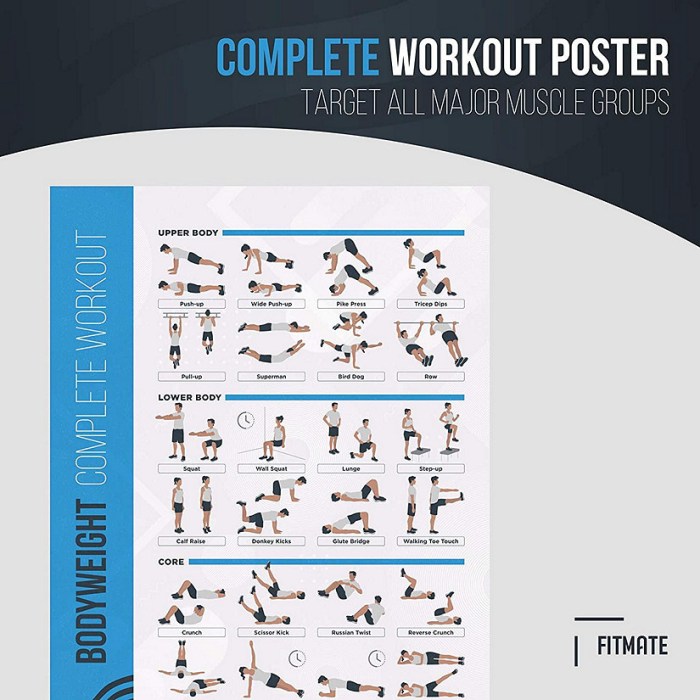
Regular exercise ideas for group activities: Boosting wellness through physical fitness, healthy eating, and preventive care

Regular exercise ideas for group activities

Mental Wellness: Regular Exercise Ideas For Group Activities

Regular exercise is not only beneficial for physical health but also plays a crucial role in maintaining mental wellness, especially when done in a group setting. The connection between physical activity and mental health has been well-documented, highlighting the positive impact of exercise on reducing stress, anxiety, and depression.

Positive Impact of Regular Exercise on Mental Health

  • Exercise releases endorphins, also known as “feel-good” hormones, which can help improve mood and reduce feelings of sadness or anxiety.
  • Participating in group workouts can enhance social connections and provide a sense of belonging, reducing feelings of isolation and loneliness.
  • Regular physical activity has been linked to improved cognitive function, including better focus, memory, and overall mental clarity.
  • Exercise can act as a healthy coping mechanism for stress, providing a way to release tension and unwind after a long day.

Physical Fitness

Regular exercise in a group setting not only promotes mental wellness but also plays a crucial role in improving physical fitness. Engaging in group exercise activities can help individuals stay motivated, accountable, and committed to their fitness goals.

Examples of Group Exercises for Physical Fitness

  • 1. Group Cardio Workouts: Activities like group running, cycling, or dance aerobics can improve cardiovascular endurance and overall stamina.
  • 2. Strength Training Circuits: Incorporating exercises like squats, lunges, and push-ups in a circuit format can enhance muscle strength and tone.
  • 3. Team Sports: Playing sports such as basketball, soccer, or volleyball can boost agility, coordination, and teamwork skills while providing a fun way to stay active.

Improving Cardiovascular Health through Group Exercise, Regular exercise ideas for group activities

Regular participation in group exercise sessions can significantly benefit cardiovascular health. Cardiovascular exercises like running, cycling, or high-intensity interval training (HIIT) performed in a group setting can help:

  • – Lower blood pressure
  • – Improve circulation
  • – Enhance heart function
  • – Increase lung capacity

Healthy Eating

Regular exercise ideas for group activities – Healthy eating habits play a crucial role in conjunction with regular group exercise. Fueling your body with the right nutrients can enhance your performance during workouts, aid in muscle recovery, and support overall well-being.

Pre and Post-Workout Snacks

It’s essential to choose snacks that provide energy and promote muscle repair before and after group exercise sessions. Consider options like:

  • A banana with a tablespoon of almond butter for a pre-workout boost.
  • Greek yogurt with berries or a protein smoothie for post-workout recovery.
  • A handful of nuts and a piece of fruit for a quick and balanced snack option.

Benefits of a Balanced Diet

Maintaining a balanced diet while participating in group fitness activities offers numerous benefits, such as:

  • Improved energy levels to power through workouts.
  • Enhanced muscle recovery and growth from adequate protein intake.
  • Support for overall health and immune function with a variety of nutrients.
  • Weight management and body composition improvements for long-term fitness goals.

Preventive Care

Regular group exercise plays a crucial role in preventive care by helping individuals reduce their risk of developing various health conditions. Incorporating preventive care strategies in group exercise programs is essential for promoting overall well-being and longevity. Let’s delve into how exercise can effectively prevent chronic diseases through group workouts.

Preventing Chronic Diseases through Group Workouts

Regular group exercise sessions can significantly lower the risk of developing chronic diseases such as heart disease, diabetes, and certain types of cancer. Here are some key ways in which group workouts contribute to preventive care:

  • Improved Cardiovascular Health: Group exercises like aerobics, cycling, or dancing can enhance heart function, lower blood pressure, and improve circulation, reducing the risk of heart disease.
  • Weight Management: Engaging in group workouts helps individuals maintain a healthy weight, which is essential for preventing obesity-related conditions like diabetes.
  • Enhanced Mental Health: Group exercise promotes mental well-being, reduces stress levels, and boosts mood, which can lower the risk of mental health disorders.
  • Stronger Immune System: Regular physical activity in a group setting can strengthen the immune system, making individuals less susceptible to infections and illnesses.
  • Social Support: Group workouts foster a sense of community, accountability, and motivation, which are crucial for long-term adherence to an exercise routine and overall health.

Balanced Diet

Maintaining a balanced diet is crucial for enhancing the effectiveness of group exercise activities. A well-rounded diet provides the necessary nutrients to fuel your body during workouts, aids in muscle recovery, and supports overall health and well-being.

Tips for Maintaining a Balanced Diet During Group Workouts

  • Aim for a variety of foods: Include a mix of fruits, vegetables, whole grains, lean proteins, and healthy fats in your meals to ensure you’re getting a wide range of nutrients.
  • Stay hydrated: Drink plenty of water before, during, and after exercise to stay hydrated and support optimal performance.
  • Plan your meals: Prepare nutritious meals and snacks in advance to avoid unhealthy food choices when you’re pressed for time.
  • Listen to your body: Pay attention to hunger and fullness cues to eat when you’re hungry and stop when you’re satisfied.
  • Avoid processed foods: Limit the consumption of processed foods high in added sugars, salt, and unhealthy fats that can negatively impact your fitness goals.

Nutritious Meals to Support an Active Lifestyle

Meal Ingredients
Quinoa Salad Quinoa, mixed greens, cherry tomatoes, cucumbers, bell peppers, feta cheese, olive oil, lemon juice
Grilled Chicken with Roasted Vegetables Grilled chicken breast, sweet potatoes, broccoli, carrots, olive oil, garlic, herbs
Salmon with Asparagus and Brown Rice Grilled salmon fillet, asparagus spears, brown rice, lemon, olive oil, herbs

Regular Exercise

Regular exercise plays a crucial role in maintaining overall health and wellness, especially when done as part of group activities. Not only does it improve physical fitness, but it also promotes mental well-being, boosts energy levels, and reduces the risk of chronic diseases.

Benefits of Regular Exercise in Group Activities

  • Enhances social connections and support among participants, leading to a sense of community and motivation.
  • Increases accountability and commitment to sticking to a consistent exercise routine.
  • Provides a fun and engaging way to stay active, making exercise more enjoyable and sustainable.

Types of Exercises for Group Settings

  • Aerobics classes: High-energy workouts that improve cardiovascular health and coordination.
  • Yoga sessions: Focus on flexibility, strength, and relaxation, suitable for all fitness levels.
  • Team sports: Encourage teamwork, communication, and competitiveness while getting a full-body workout.

Setting Achievable Fitness Goals in Group Exercise Programs

  • Start with realistic goals that are specific, measurable, attainable, relevant, and time-bound (SMART).
  • Track progress and celebrate milestones together as a group to stay motivated and engaged.
  • Adjust goals periodically based on individual progress and group dynamics to ensure continuous improvement.

Holistic Wellness

Regular exercise ideas for group activities
Regular group exercise is a key component of holistic wellness, as it addresses the physical, mental, and emotional aspects of well-being. By engaging in group physical activities, individuals can experience a comprehensive approach to wellness that goes beyond just physical fitness.

Strategies for Holistic Wellness in Group Exercise Routines

  • Encourage open communication and support among group members to foster emotional well-being.
  • Incorporate mindfulness and relaxation techniques into exercise sessions to promote mental wellness.
  • Offer a variety of activities to cater to different preferences and abilities, ensuring holistic engagement.
  • Focus on building strong social connections within the group to enhance overall well-being.

Interconnectedness of Wellness Dimensions in Group Physical Activities

Group exercise allows individuals to experience the interconnectedness of physical, mental, and emotional wellness dimensions through:

  • Improved mood and reduced stress levels from physical activity positively impacting mental well-being.
  • Enhanced social interactions during group exercises contributing to emotional well-being and a sense of belonging.
  • Physical fitness gains leading to increased self-esteem and overall well-being.
  • Overall, group exercise promotes a balanced approach to holistic wellness by addressing multiple dimensions simultaneously.

Chronic Diseases

Regular exercise in group settings plays a crucial role in preventing and managing chronic diseases. By engaging in group exercise, individuals with chronic conditions can experience numerous benefits that contribute to their overall well-being.

Benefits of Group Exercise for Chronic Diseases

  • Improved cardiovascular health: Group exercises like aerobics or cycling can help individuals with chronic heart conditions strengthen their heart muscles and improve circulation.
  • Enhanced flexibility and mobility: Yoga or tai chi in a group setting can aid individuals with arthritis or other joint-related issues in improving flexibility and range of motion.
  • Increased social support: Group exercise provides a supportive environment where individuals with chronic diseases can connect with others facing similar challenges, reducing feelings of isolation and boosting mental health.
  • Consistent motivation: Being part of a group encourages accountability and motivation to stick to regular exercise routines, which is essential for managing chronic diseases effectively.

Immunity Boosters

Regular exercise in group activities not only benefits physical fitness but also plays a crucial role in boosting immunity and overall health. When individuals engage in group exercises, they not only benefit from the physical activity but also from the social interaction and support, which can have a positive impact on their immune system.

Specific Exercises for Immune System Enhancement

  • Cardiovascular exercises such as running, cycling, or aerobics can help improve circulation and strengthen the heart, which in turn supports the immune system.
  • Strength training exercises like weightlifting or resistance bands can build muscle mass and increase metabolism, contributing to overall health and immunity.
  • Yoga and Pilates focus on flexibility, balance, and mindfulness, reducing stress levels and promoting a healthy immune response.
  • Interval training, combining bursts of high-intensity exercise with periods of rest, can boost metabolism and improve immune function.

Answers to Common Questions

How can group exercise improve mental wellness?

Group exercise fosters a sense of community, reduces stress, and boosts mood through physical activity, leading to improved mental well-being.

What are some examples of preventive care strategies in group exercise programs?

Preventive care in group exercise can include proper warm-ups, cooldowns, hydration, and injury prevention techniques to ensure safe and effective workouts.

How does a balanced diet complement regular group exercise?

A balanced diet provides essential nutrients for energy and recovery, enhancing the benefits of group exercise by supporting overall health and fitness goals.

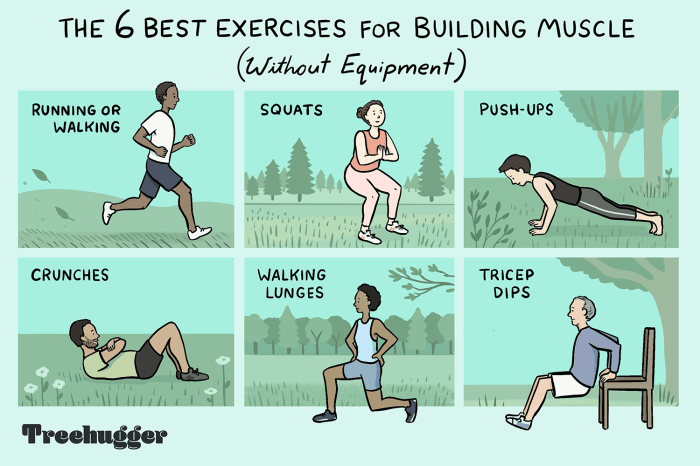
Regular exercise strategies for building muscle – Optimize your workout routine for muscle growth

Regular exercise strategies for building muscle

Mental Wellness

Regular exercise for building muscle is not just about physical strength; it also plays a crucial role in mental well-being. A positive mindset can significantly enhance the effectiveness of muscle-building exercises. It is essential to focus on mental wellness in conjunction with physical fitness for optimal results.

Strategies for Maintaining Mental Wellness

  • Practice mindfulness and meditation to reduce stress levels and improve focus during workouts.
  • Engage in activities you enjoy outside of the gym to promote overall mental well-being.
  • Set realistic goals and celebrate small achievements to boost motivation and confidence.
  • Ensure you get an adequate amount of sleep to support recovery and cognitive function.

Enhancing Muscle-Building Exercises with a Positive Mindset

  • Visualize success and focus on the muscle groups you are targeting during each exercise to improve mind-muscle connection.
  • Avoid negative self-talk and instead, use positive affirmations to stay motivated and driven.
  • Surround yourself with a supportive community or workout partner to encourage positive energy and accountability.
  • Practice gratitude and reflect on the progress you have made to maintain a positive outlook on your fitness journey.

Physical Fitness

Regular exercise plays a crucial role in improving physical fitness, which in turn contributes to muscle development. Engaging in a combination of strength training and cardiovascular exercises can help individuals achieve optimal physical fitness levels.

Exercises for Muscle Growth

Strength training exercises such as squats, deadlifts, bench presses, and pull-ups are examples of exercises that specifically target muscle growth. These compound movements work multiple muscle groups simultaneously, promoting muscle hypertrophy and strength gains.

Role of Cardiovascular Fitness

Cardiovascular fitness is essential in supporting muscle-building efforts by improving overall endurance and stamina. Engaging in activities like running, cycling, or swimming not only enhances cardiovascular health but also aids in recovery and performance during strength training sessions. Maintaining a balance between cardiovascular and strength training is crucial for achieving optimal physical fitness and muscle development.

Healthy Eating

Regular exercise strategies for building muscle – Eating a nutritious diet plays a crucial role in supporting muscle-building efforts. Proper nutrition provides the essential nutrients needed for muscle growth, repair, and recovery.

Balanced Diet Plan for Muscle Growth

A balanced diet plan that complements regular exercise for muscle growth should include a combination of macronutrients and micronutrients. Here is a sample diet plan:

  • Proteins: Lean sources such as chicken, turkey, fish, eggs, and plant-based protein like tofu or legumes.
  • Carbohydrates: Whole grains, fruits, vegetables, and legumes for energy and glycogen replenishment.
  • Healthy Fats: Nuts, seeds, avocado, and olive oil for hormone production and overall health.
  • Fiber: Found in fruits, vegetables, whole grains, and legumes for digestion and nutrient absorption.
  • Hydration: Water and electrolyte-rich beverages to support muscle function and recovery.

Importance of Macronutrients and Micronutrients

Macronutrients, such as proteins, carbohydrates, and fats, are essential for muscle recovery and development. Proteins help repair and build muscle tissues, carbohydrates provide energy for workouts, and healthy fats support hormone production.

Micronutrients, including vitamins and minerals, play a crucial role in muscle function and overall health. For example, vitamin D is important for muscle strength, while minerals like magnesium and potassium aid in muscle contraction and recovery.

Preventive Care

Regular exercise routines aimed at building muscle can be intense and demanding on the body. It is essential to incorporate preventive care strategies to avoid injuries, overtraining, and burnout along the way.

Role of Warm-up and Cool-down Exercises

Warm-up exercises help prepare the body for the upcoming workout by increasing blood flow to the muscles and improving flexibility. This can help prevent muscle strains and injuries during the main workout. On the other hand, cool-down exercises help the body gradually return to its resting state, reducing muscle soreness and stiffness post-workout.

Tips for Avoiding Overtraining and Burnout

  • Avoid excessive training volume: Gradually increase the intensity and duration of your workouts to prevent overtraining.
  • Listen to your body: Pay attention to signs of fatigue, pain, or lack of progress. Rest when needed to allow for muscle recovery.
  • Incorporate rest days: Rest days are crucial for muscle repair and growth. Make sure to schedule adequate rest days in your workout routine.
  • Diversify your workouts: Include a variety of exercises to prevent mental burnout and keep your workouts engaging and challenging.
  • Stay hydrated and nourished: Proper hydration and nutrition are essential for muscle recovery and overall well-being. Make sure to fuel your body with adequate nutrients to support muscle growth.

Balanced Diet

Regular exercise strategies for building muscle
A balanced diet plays a crucial role in supporting muscle growth and recovery. It provides the necessary nutrients to fuel your workouts and repair muscle tissue post-exercise.

Nutrient Breakdown

  • Protein: Essential for muscle repair and growth. Include lean sources like chicken, fish, tofu, and legumes.
  • Carbohydrates: Provide energy for workouts. Opt for complex carbs like whole grains, fruits, and vegetables.
  • Healthy Fats: Support hormone production and overall health. Include sources like avocado, nuts, and olive oil.
  • Vitamins and Minerals: Important for overall health and muscle function. Eat a variety of fruits and vegetables to ensure you’re getting a wide range of nutrients.

Importance of Hydration

Hydration is key for muscle recovery and growth. Water helps transport nutrients to your cells and remove waste products, aiding in muscle repair. Aim to drink at least 8-10 glasses of water per day, and more if you’re active or in hot weather.

Meal Timing Strategies

  • Pre-Workout: Consume a balanced meal 2-3 hours before your workout to provide energy. Include carbs and protein for sustained fuel.
  • Post-Workout: Have a protein-rich snack or meal within 30 minutes of finishing your workout to kickstart muscle recovery. A combination of protein and carbs is ideal for replenishing glycogen stores and promoting muscle repair.
  • Bedtime Snack: Consider a protein-rich snack before bed to support overnight muscle repair and growth.

Regular Exercise

Regular exercise is crucial for building muscle and overall physical fitness. Consistency in a workout routine is key to seeing progress and achieving your muscle-building goals. Here we will discuss the types of exercises that are most effective for building muscle, the significance of consistency in a regular exercise routine, and tips for progressively overloading muscles to stimulate growth.

Types of Exercises for Building Muscle

  • Resistance Training: Incorporating exercises such as weightlifting, bodyweight exercises, and resistance band workouts can help to build muscle mass.
  • Compound Movements: Exercises like squats, deadlifts, bench press, and pull-ups target multiple muscle groups at once, leading to efficient muscle growth.
  • Isolation Exercises: Targeting specific muscle groups with exercises like bicep curls, tricep extensions, and leg extensions can help to sculpt and define muscles.

Significance of Consistency in Regular Exercise

Consistency in your workout routine is essential for muscle development because it allows for progressive overload. By consistently challenging your muscles with resistance training, you create micro-tears in the muscle fibers that repair and grow stronger over time.

Tips for Progressively Overloading Muscles

  • Gradually Increase Weight: To continue stimulating muscle growth, gradually increase the weight you lift during resistance training exercises.
  • Adjust Reps and Sets: Changing the number of repetitions and sets in your workouts can help to keep your muscles adapting and growing.
  • Focus on Form: Proper form is essential for effectively targeting the muscles you want to grow and avoiding injury during exercise.

Mental Health: Regular Exercise Strategies For Building Muscle

Regular exercise not only benefits physical fitness but also plays a crucial role in maintaining mental health. The state of our mind can greatly impact our workout performance and muscle-building progress. Here, we will explore the connection between mental health and fitness, as well as strategies to enhance both aspects.

Benefits of Mindfulness Practices

Mindfulness practices, such as meditation and deep breathing exercises, can significantly enhance workout performance. By calming the mind and reducing stress levels, mindfulness helps individuals focus better during exercise, leading to improved muscle engagement and overall performance. Incorporating mindfulness techniques into your fitness routine can also increase body awareness and promote better mind-body connection.

  • Practice deep breathing exercises before and after workouts to reduce stress and improve focus.
  • Engage in meditation sessions to calm the mind and enhance mental clarity during exercise.
  • Use mindfulness techniques to stay present and fully engaged in each workout session, maximizing the benefits of your efforts.

Strategies for Managing Stress and Anxiety

Stress and anxiety can hinder muscle-building efforts by causing muscle tension and reducing workout efficiency. Implementing stress management strategies can help alleviate these mental roadblocks and support your fitness goals.

  • Regularly practice relaxation techniques, such as yoga or progressive muscle relaxation, to reduce stress levels and improve recovery.
  • Engage in activities that promote mental well-being, such as journaling, spending time in nature, or connecting with loved ones.
  • Seek professional help if stress and anxiety become overwhelming, as mental health support is crucial for overall well-being and fitness success.

Holistic Wellness

A holistic approach to wellness involves considering the interconnectedness of physical, mental, and emotional well-being to optimize muscle-building results. By addressing all aspects of health, individuals can achieve better overall outcomes in their fitness journey.

Yoga for Muscle Growth

Yoga is a holistic practice that can complement a muscle-building regimen by improving flexibility, balance, and strength. Certain yoga poses target specific muscle groups, aiding in muscle recovery and growth. Additionally, the focus on breath control and mindfulness in yoga can help reduce stress levels, which can in turn enhance muscle-building potential.

Meditation for Mind-Muscle Connection

Meditation is another holistic practice that can benefit muscle growth by enhancing the mind-muscle connection. By practicing mindfulness and visualization techniques, individuals can better engage and activate specific muscle groups during workouts, leading to more effective muscle development. Moreover, meditation can help reduce cortisol levels, a stress hormone that can hinder muscle growth.

Chronic Diseases

Regular exercise plays a crucial role in preventing and managing chronic diseases, while also supporting muscle growth. It is essential to understand how physical activity can positively impact individuals with chronic conditions.

Benefits of Regular Exercise for Chronic Diseases

  • Regular exercise can help improve cardiovascular health, lower blood pressure, and reduce the risk of heart disease.
  • Physical activity can also enhance insulin sensitivity, making it beneficial for individuals with diabetes to manage their condition effectively.
  • Exercise has been shown to alleviate symptoms of chronic pain conditions, such as arthritis, by strengthening muscles and improving flexibility.

Consulting Healthcare Providers Before Starting an Exercise Routine, Regular exercise strategies for building muscle

  • It is crucial for individuals with chronic diseases to consult their healthcare provider before embarking on an exercise routine to ensure it is safe and appropriate for their condition.
  • Healthcare professionals can provide personalized recommendations and guidance on the type and intensity of exercise that would be most beneficial for managing the specific chronic disease.
  • Regular check-ins with a healthcare provider can help monitor progress, adjust the exercise plan as needed, and address any concerns or complications that may arise.

Success Stories of Muscle Growth in Individuals with Chronic Diseases

  • Alex, who has rheumatoid arthritis, improved his muscle mass and joint function through a tailored exercise program recommended by his physiotherapist.
  • Sarah, living with multiple sclerosis, found that regular strength training not only helped her build muscle but also boosted her overall energy levels and quality of life.
  • John, a diabetes patient, managed to control his blood sugar levels effectively by incorporating regular aerobic exercise into his daily routine.

Immunity Boosters

Regular exercise strategies for building muscle
Regular exercise plays a crucial role in strengthening the immune system, which is essential for overall health and muscle-building efforts. By engaging in physical activity, the body increases the production of antibodies and white blood cells, helping to combat harmful pathogens and reduce the risk of infections.

Relationship Between Immunity, Exercise, and Muscle Recovery

Regular exercise not only boosts immunity but also aids in muscle recovery. When we work out, our muscles undergo stress and minor damage, which triggers the body’s repair and growth processes. A strong immune system supports this recovery by reducing inflammation and promoting healing, allowing muscles to adapt and grow stronger over time.

  • Exercise-induced stress: Physical activity stimulates the release of endorphins, which can reduce stress hormones and enhance immune function.
  • Improved circulation: Regular exercise increases blood flow, allowing immune cells to move freely throughout the body and detect and eliminate pathogens more effectively.
  • Enhanced lymphatic system: Exercise helps lymphatic fluid circulate, carrying immune cells to different parts of the body and removing toxins and waste products.

Incorporating Immune-Boosting Foods into Muscle-Building Diet

In addition to exercise, incorporating immune-boosting foods or supplements into a muscle-building diet can further support overall health and immunity. Foods rich in vitamins, minerals, antioxidants, and probiotics can help strengthen the immune system and optimize muscle recovery.

  • Colorful fruits and vegetables: Berries, citrus fruits, leafy greens, and bell peppers are packed with vitamin C and antioxidants that support immune function.
  • Protein sources: Lean meats, fish, eggs, and legumes provide essential amino acids for muscle repair and immune cell production.
  • Healthy fats: Nuts, seeds, avocados, and olive oil contain omega-3 fatty acids and vitamin E, which have anti-inflammatory properties and support immune health.
  • Probiotic-rich foods: Yogurt, kefir, sauerkraut, and kimchi contain beneficial bacteria that promote gut health and strengthen the immune system.

FAQ Compilation

How important is mental wellness in muscle building?

Mental wellness plays a crucial role in muscle building as it helps maintain motivation, focus, and overall well-being during the workout journey.

What are some examples of exercises that target muscle growth?

Exercises like squats, deadlifts, bench presses, and pull-ups are excellent for targeting various muscle groups for growth.

How can I prevent overtraining while focusing on muscle growth?

To avoid overtraining, it’s essential to listen to your body, prioritize rest, vary your workouts, and ensure proper nutrition and recovery.

How to create a regular exercise routine

How to create a regular exercise routine

Mental Wellness

Regular exercise is not just about physical health; it plays a crucial role in promoting mental wellness as well. Taking care of your mental health is essential in maintaining a consistent exercise routine.

Exercise has been shown to have a significant impact on mental health by reducing symptoms of anxiety and depression, improving mood, and enhancing overall cognitive function. When you prioritize your mental well-being, you are more likely to stay motivated and committed to your exercise routine.

Incorporating Mindfulness Practices, How to create a regular exercise routine

  • Start each workout with a few minutes of deep breathing or meditation to center your mind and focus on the present moment.
  • Practice mindfulness during your exercises by paying attention to your body’s movements, sensations, and breathing patterns.
  • Engage in activities like yoga or tai chi that combine physical movement with mindfulness and relaxation techniques.
  • Take short breaks during your workout to check in with your thoughts and emotions, allowing yourself to release any stress or tension.

Physical Fitness

Regular exercise is crucial for maintaining physical fitness and overall health. A well-rounded exercise routine should include components such as cardio, strength training, and flexibility exercises to ensure a balanced approach to fitness.

Cardiovascular Workouts

Cardio exercises, also known as aerobic exercises, are essential for improving heart health, increasing endurance, and burning calories. Examples of cardio workouts include running, cycling, swimming, and dancing. These activities help strengthen the heart and lungs, improving overall cardiovascular health.

Strength Training

Strength training involves exercises that target specific muscle groups to build strength and muscle mass. Examples of strength training workouts include weightlifting, bodyweight exercises, and resistance band workouts. Strength training not only helps increase muscle strength but also boosts metabolism and improves bone density.

Flexibility Exercises

Flexibility exercises focus on improving the range of motion in joints and muscles, enhancing overall flexibility and reducing the risk of injuries. Activities such as yoga, Pilates, and stretching routines help improve flexibility, balance, and posture. Incorporating flexibility exercises into your routine can help prevent muscle stiffness and improve overall mobility.

Healthy Eating

How to create a regular exercise routine – Proper nutrition plays a crucial role in supporting an effective exercise regimen. Eating a balanced diet ensures that your body has the necessary nutrients to fuel your workouts, aid in muscle recovery, and improve overall performance.

Meal Planning

Meal planning is key to maintaining a healthy diet that complements your exercise routine. By preparing your meals in advance, you can ensure you have nutritious options readily available, making it easier to stick to your fitness goals.

  • Include a variety of fruits, vegetables, whole grains, lean proteins, and healthy fats in your meals.
  • Aim for balanced meals that provide a mix of carbohydrates, protein, and fats to support energy levels and muscle recovery.
  • Avoid processed foods high in added sugars, unhealthy fats, and excessive sodium.

Pre-Workout and Post-Workout Nutrition

What you eat before and after your workout can significantly impact your performance and recovery. Proper nutrition can help you maximize the benefits of exercise, whether it’s fueling your workout or aiding in muscle repair.

  • Before a workout, focus on consuming complex carbohydrates and lean proteins for sustained energy.
  • After a workout, prioritize a combination of protein and carbohydrates to support muscle recovery and replenish glycogen stores.
  • Stay hydrated before, during, and after your workout to optimize performance and aid in recovery.

Hydration

Staying properly hydrated is essential for overall health and physical performance. Dehydration can hinder your exercise performance, reduce endurance, and impair recovery.

  • Drink an adequate amount of water throughout the day, especially before, during, and after your workouts.
  • Monitor your fluid intake based on your activity level, environment, and individual needs.
  • Consider electrolyte-rich beverages or foods to replenish lost minerals during intense or prolonged exercise.

Preventive Care

Regular exercise is a key component of a healthy lifestyle, but preventive care goes beyond just physical activity. Preventive care plays a crucial role in maintaining overall health and well-being by focusing on early detection and prevention of health issues before they escalate. By prioritizing preventive care, individuals can take proactive steps to safeguard their health and reduce the risk of developing chronic conditions.

Regular Check-Ups and Screenings

Regular check-ups and screenings are essential in preventing health issues by detecting potential problems early on. By scheduling routine visits with healthcare providers, individuals can monitor their health status and address any concerns promptly. Screenings for conditions such as high blood pressure, cholesterol levels, and cancer can help identify risk factors and enable early intervention, leading to better health outcomes. It is important to follow recommended screening guidelines based on age, gender, and family history to ensure comprehensive preventive care.

  • Attend annual physical exams to assess overall health and discuss any symptoms or concerns with a healthcare professional.
  • Follow screening recommendations for conditions such as diabetes, cardiovascular disease, and certain cancers to detect issues early.
  • Maintain a record of personal and family medical history to provide healthcare providers with relevant information for preventive care.

Injury Prevention and Recovery Strategies

Incorporating injury prevention strategies into an exercise routine is crucial for maintaining continuity and avoiding setbacks. By taking proactive measures to prevent injuries and promote recovery, individuals can stay active and consistent in their fitness regimen. Strategies such as proper warm-up and cool-down routines, adequate rest and recovery periods, and listening to the body’s signals can help prevent injuries and enhance overall performance.

  • Start each exercise session with a dynamic warm-up to prepare the body for activity and reduce the risk of injury.
  • Include strength training and flexibility exercises to improve muscle strength and joint mobility, reducing the likelihood of strains and sprains.
  • Listen to the body’s signals and adjust intensity or duration of workouts accordingly to prevent overtraining and minimize the risk of injury.

Balanced Diet: How To Create A Regular Exercise Routine

A balanced diet is essential for overall health and well-being, especially when combined with a regular exercise routine. It involves consuming a variety of foods that provide the necessary nutrients to support optimal body function and physical activity.

Nutrient-Dense Foods for Active Lifestyle

Eating a diet rich in nutrient-dense foods is crucial for individuals leading an active lifestyle. These foods provide the necessary energy and nutrients to fuel workouts and aid in muscle recovery. Some examples of nutrient-dense foods include:

  • Lean proteins such as chicken, fish, tofu, and legumes
  • Whole grains like quinoa, brown rice, and oats
  • Fruits and vegetables that are rich in vitamins, minerals, and antioxidants
  • Healthy fats from sources like avocados, nuts, and olive oil
  • Dairy or dairy alternatives for calcium and vitamin D

Diet, Energy Levels, and Exercise Performance

The relationship between diet, energy levels, and exercise performance is closely intertwined. A balanced diet ensures that the body receives the necessary nutrients and calories to sustain physical activity and maintain energy levels. Carbohydrates are particularly important for providing quick energy during workouts, while proteins aid in muscle repair and recovery. Adequate hydration is also essential for optimal performance. By fueling the body with the right nutrients, individuals can enhance their exercise performance and achieve their fitness goals more effectively.

Regular Exercise

Regular exercise is essential for maintaining overall health and well-being. Establishing a consistent exercise routine comes with a multitude of benefits, both physical and mental. Not only does it help improve cardiovascular health, build strength, and enhance flexibility, but it also plays a crucial role in boosting mood, reducing stress, and promoting better sleep.

Setting Realistic Fitness Goals

Before starting any exercise routine, it’s important to set realistic fitness goals that align with your current fitness level and lifestyle. Whether your goal is to lose weight, build muscle, or improve endurance, make sure it is specific, measurable, attainable, relevant, and time-bound (SMART).

  • Start with small, achievable goals and gradually increase the intensity and duration of your workouts.
  • Track your progress by keeping a workout journal or using fitness apps to monitor your performance and stay accountable.
  • Celebrate your accomplishments along the way to stay motivated and inspired to continue pushing towards your fitness goals.

Overcoming Obstacles and Staying Motivated

While starting an exercise routine is important, staying consistent can be challenging. Here are some strategies to help you overcome obstacles and stay motivated to exercise regularly:

  • Find an exercise routine that you enjoy and look forward to, whether it’s running, yoga, dancing, or weightlifting.
  • Set a schedule and make exercise a priority by blocking off dedicated time in your daily routine.
  • Join group fitness classes or find a workout buddy to keep you accountable and motivated.
  • Reward yourself for reaching milestones and sticking to your exercise routine, whether it’s treating yourself to a massage or buying new workout gear.

Holistic Wellness

When we talk about holistic wellness, we are referring to the interconnectedness of physical, mental, and emotional well-being. These aspects of health are not separate entities but are closely linked and influence each other.

Integration of Wellness Practices

Integrating various wellness practices can greatly enhance the effectiveness of an exercise routine. For example, combining physical exercise with meditation or mindfulness can not only improve physical fitness but also promote mental clarity and emotional balance.

  • Engage in activities that promote both physical and mental well-being, such as yoga or tai chi.
  • Practice mindfulness or meditation to reduce stress and improve focus.
  • Prioritize sleep and relaxation to support overall health and recovery.

Creating a Holistic Approach to Health

To create a holistic approach to health that includes exercise, nutrition, and self-care, it is important to focus on overall well-being rather than just individual aspects. Here are some tips to help you achieve holistic wellness:

  1. Follow a balanced diet that provides essential nutrients for physical and mental health.
  2. Stay active with regular exercise that includes a mix of cardio, strength training, and flexibility exercises.
  3. Practice self-care activities that promote relaxation and stress management, such as journaling, spending time in nature, or taking a warm bath.

Chronic Diseases

Regular exercise plays a crucial role in preventing and managing chronic diseases. By incorporating physical activity into your routine, you can reduce the risk of developing conditions such as heart disease, diabetes, and hypertension. Additionally, exercise can help individuals already living with chronic diseases to better manage their symptoms and improve their overall quality of life.

Benefits of Exercise for Chronic Diseases

Regular exercise has been shown to have numerous benefits for individuals with chronic diseases. Some specific advantages include:

  • Improving cardiovascular health and reducing the risk of heart disease.
  • Helping to control blood sugar levels in individuals with diabetes.
  • Reducing blood pressure and improving overall heart health.
  • Managing symptoms of chronic pain conditions, such as arthritis.
  • Boosting mood and reducing symptoms of depression and anxiety.

Recommended Exercises for Chronic Conditions

When designing an exercise routine for individuals with chronic diseases, it is essential to consider their specific condition and limitations. Some recommended exercises include:

  • Low-impact aerobic exercises, such as walking, swimming, or cycling, for individuals with arthritis.
  • Strength training exercises to improve muscle mass and bone density in individuals with osteoporosis.
  • Yoga or tai chi for individuals with chronic pain conditions to improve flexibility and reduce stress.
  • Interval training for individuals with diabetes to help regulate blood sugar levels.

Improving Quality of Life with Exercise

Regular physical activity not only helps in managing chronic diseases but also plays a significant role in improving the quality of life for those living with these conditions. Exercise can:

  • Enhance overall physical function and mobility.
  • Boost energy levels and reduce fatigue.
  • Promote better sleep patterns and overall mental well-being.
  • Provide a sense of accomplishment and empowerment in managing chronic conditions.

Immunity Boosters

How to create a regular exercise routine
Regular exercise plays a crucial role in strengthening the immune system, which helps the body defend against infections and illnesses. By incorporating immune-boosting habits into your exercise routine, you can enhance your overall health and well-being.

Types of Exercise and Immune Function

Regular moderate-intensity exercise, such as brisk walking, cycling, or swimming, has been shown to have a positive impact on immune function. These activities can help increase the circulation of white blood cells, antibodies, and other immune cells in the body, making it more efficient at fighting off pathogens.

On the other hand, intense or prolonged exercise, such as marathon running or high-intensity interval training, may temporarily suppress the immune system. It is important to balance intense workouts with adequate rest and recovery to avoid compromising immune function.

Tips for Boosting Immunity through Exercise

  • Aim for at least 150 minutes of moderate-intensity exercise per week to support immune function.
  • Incorporate strength training exercises to build muscle mass, which can also contribute to a healthy immune system.
  • Practice relaxation techniques, such as yoga or meditation, to reduce stress levels, as chronic stress can weaken the immune response.
  • Stay hydrated before, during, and after exercise to support the body’s immune functions.
  • Get enough sleep to allow for proper immune system recovery and function.

Questions Often Asked

How can I stay motivated to exercise regularly?

Setting achievable goals, tracking progress, and overcoming obstacles are key strategies to stay motivated in your exercise routine.

What role does hydration play in physical performance?

Hydration is crucial for maintaining energy levels and optimizing physical performance during workouts.

Can exercise help prevent chronic diseases?

Regular exercise plays a significant role in preventing and managing chronic diseases by improving overall health and quality of life.