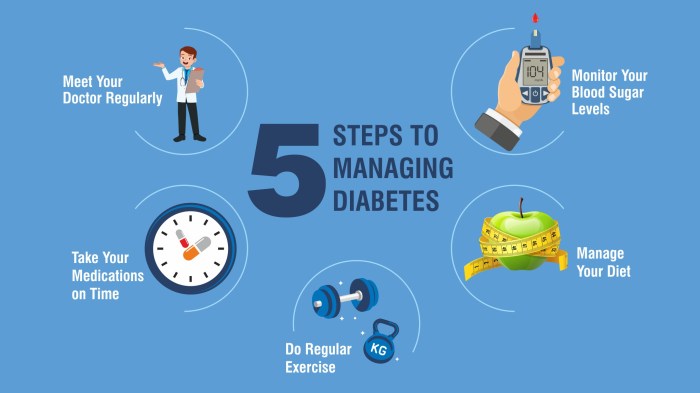
Effective management strategies for chronic diseases like diabetes are crucial for maintaining a healthy life. Diabetes, a condition characterized by elevated blood sugar levels, requires a multifaceted approach that encompasses lifestyle modifications, medication adherence, and emotional well-being.
Understanding the nature of chronic diseases and their long-term impact is essential. Diabetes, for example, can lead to complications such as heart disease, stroke, kidney failure, and nerve damage. Managing these conditions effectively involves making significant lifestyle changes, including diet, exercise, and stress management, as well as adhering to medication schedules and working closely with healthcare professionals.
This article explores key strategies for managing chronic diseases like diabetes, empowering individuals to take control of their health and well-being.
Understanding Chronic Diseases
Chronic diseases are long-term conditions that typically develop gradually and last for a significant period, often for a person’s lifetime. These conditions can significantly impact a person’s health, well-being, and overall quality of life.
The Nature of Chronic Diseases
Chronic diseases are characterized by their long-term duration and the ongoing need for management. Unlike acute illnesses, which typically resolve quickly, chronic diseases require ongoing care, lifestyle modifications, and sometimes medication to manage their symptoms and prevent complications.
Challenges of Managing Chronic Diseases
Managing chronic diseases presents various challenges for individuals and healthcare systems. These challenges include:
Lifestyle Changes
Many chronic diseases require significant lifestyle modifications to manage their symptoms and prevent complications. These changes can be difficult to implement and maintain, especially in the long term. For example, individuals with diabetes may need to make significant changes to their diet, exercise habits, and overall lifestyle to manage their blood sugar levels.
Medication Adherence
Medication adherence is crucial for managing chronic diseases effectively. However, taking medication regularly can be challenging, especially if it involves multiple medications, side effects, or complex dosage schedules. Non-adherence to medication can lead to uncontrolled disease progression, increased risk of complications, and potentially, higher healthcare costs.
Emotional Well-being
Living with a chronic disease can significantly impact a person’s emotional well-being. The ongoing nature of the condition, the need for constant management, and the potential for complications can lead to feelings of stress, anxiety, depression, and fear. It is essential to address the emotional well-being of individuals with chronic diseases to improve their quality of life and promote overall health.
Examples of Common Chronic Diseases
There are many common chronic diseases, each with its own set of symptoms, management strategies, and potential complications. Some of the most prevalent chronic diseases include:
Diabetes
Diabetes is a metabolic disorder characterized by high blood sugar levels. There are two main types of diabetes: type 1 and type 2. Type 1 diabetes is an autoimmune disease in which the body’s immune system attacks and destroys insulin-producing cells in the pancreas.
Type 2 diabetes is a condition in which the body either does not produce enough insulin or cannot use insulin effectively.
Heart Disease
Heart disease is a broad term that encompasses a range of conditions affecting the heart, including coronary artery disease, heart failure, and arrhythmias. These conditions can lead to chest pain, shortness of breath, fatigue, and other symptoms.
Stroke
A stroke occurs when a blood clot blocks an artery in the brain, depriving brain tissue of oxygen and causing damage. Stroke can lead to a range of neurological impairments, including paralysis, speech difficulties, and memory problems.
Cancer
Cancer is a group of diseases characterized by uncontrolled cell growth. There are many different types of cancer, each with its own causes, symptoms, and treatment options.
Arthritis
Arthritis is a condition that causes inflammation and pain in the joints. There are many different types of arthritis, including osteoarthritis, rheumatoid arthritis, and gout.
Chronic Obstructive Pulmonary Disease (COPD)
COPD is a lung disease that causes airflow obstruction and breathing difficulties. COPD is often caused by smoking but can also be caused by other factors, such as air pollution.
Potential Complications of Chronic Diseases
Chronic diseases can lead to a range of complications, depending on the specific condition and its severity. Some common complications include:
Heart Disease
Chronic diseases such as diabetes and high blood pressure can increase the risk of heart disease.
Stroke
Diabetes, high blood pressure, and high cholesterol can increase the risk of stroke.
Kidney Disease
Diabetes can damage the kidneys, leading to kidney failure.
Nerve Damage
Diabetes can damage nerves, leading to numbness, tingling, and pain in the hands and feet.
Eye Damage
Diabetes can damage the blood vessels in the eyes, leading to vision loss.
Amputations
Diabetes can damage the blood vessels in the legs and feet, leading to poor circulation and an increased risk of amputation.
Depression
Chronic diseases can lead to depression and anxiety.
Financial Burden
Chronic diseases can place a significant financial burden on individuals and families.
Importance of Lifestyle Modifications: Effective Management Strategies For Chronic Diseases Like Diabetes
Lifestyle modifications play a crucial role in managing chronic diseases like diabetes. By making positive changes to their daily routines, individuals can significantly improve their health outcomes and quality of life.
Lifestyle Changes for Diabetes Management
Lifestyle changes are essential for managing diabetes effectively. These changes aim to regulate blood sugar levels, prevent complications, and promote overall well-being. The following table Artikels key lifestyle changes for diabetes management:
| Category | Lifestyle Change | Explanation |
|---|---|---|
| Diet | Consume a balanced diet rich in fruits, vegetables, whole grains, and lean protein. | A balanced diet provides essential nutrients and helps regulate blood sugar levels. |
| Exercise | Engage in at least 150 minutes of moderate-intensity aerobic activity or 75 minutes of vigorous-intensity aerobic activity per week. | Regular physical activity helps improve insulin sensitivity, lowers blood sugar levels, and promotes weight management. |
| Stress Management | Practice stress-reducing techniques such as yoga, meditation, or deep breathing exercises. | Stress can elevate blood sugar levels, so managing stress is crucial for diabetes management. |
| Sleep Hygiene | Aim for 7-8 hours of quality sleep each night. | Adequate sleep helps regulate hormones that control blood sugar levels. |
Sample Meal Plan for Diabetes
A balanced and portion-controlled meal plan is essential for diabetes management. The following is a sample meal plan for a person with diabetes, focusing on balanced nutrition and portion control: Breakfast (300 calories)* 1 cup oatmeal with 1/4 cup berries and 1/2 cup low-fat milk
1/2 cup egg whites with 1 slice whole-wheat toast
Lunch (400 calories)* 1 cup salad with grilled chicken or fish, 1/2 cup brown rice, and a light dressing
1 medium apple
Dinner (500 calories)* 4 oz grilled salmon with 1 cup steamed vegetables and 1/2 cup quinoa
1/2 cup fruit salad
Snacks (100 calories each)* 1/2 cup yogurt with 1/4 cup berries
1/4 cup trail mix with nuts and seeds
It is important to note that this is just a sample meal plan and individual needs may vary. Consulting with a registered dietitian or certified diabetes educator is recommended for personalized meal planning.
Role of Physical Activity
Regular exercise is an essential component of managing chronic diseases, playing a crucial role in improving overall health and well-being. Physical activity offers numerous benefits for individuals with chronic conditions, including improved blood sugar control, weight management, and cardiovascular health.
Types of Physical Activities
Different types of physical activities can be suitable for individuals with chronic diseases, depending on their limitations and fitness levels. It’s important to consult with a healthcare professional before starting any new exercise program to ensure it’s safe and appropriate.
- Aerobic exerciseinvolves continuous movement that raises the heart rate and breathing, improving cardiovascular health. Examples include brisk walking, swimming, cycling, and dancing.
- Strength traininghelps build muscle mass and improve bone density, which is particularly beneficial for individuals with diabetes and osteoporosis. Examples include weightlifting, resistance bands, and bodyweight exercises.
- Flexibility exercisesenhance range of motion and reduce the risk of injuries. Examples include stretching, yoga, and Pilates.
Moderate-Intensity Exercises
Moderate-intensity exercises are recommended for most individuals with chronic diseases. These activities should be challenging enough to increase heart rate and breathing, but not so strenuous that they cause discomfort or shortness of breath. Examples of moderate-intensity exercises that can be incorporated into daily routines include:
- Brisk walking: Aim for at least 30 minutes most days of the week.
- Cycling: Choose a flat route or use an electric bike to make it easier.
- Swimming: Swimming is a low-impact exercise that is easy on the joints.
- Water aerobics: This is a great option for individuals with joint pain or limited mobility.
- Dancing: Dancing is a fun and engaging way to get exercise.
Nutritional Strategies
Managing chronic diseases like diabetes effectively involves making significant changes to your diet. This includes understanding the principles of healthy eating, controlling carbohydrate intake, and making smart choices about the foods you consume.
Importance of Controlling Carbohydrate Intake
Carbohydrates are the body’s primary source of energy, but for people with diabetes, managing carbohydrate intake is crucial. When you eat carbohydrates, your body breaks them down into glucose, which enters your bloodstream. Insulin, a hormone produced by the pancreas, helps regulate blood sugar levels by allowing glucose to enter cells for energy.
However, in individuals with diabetes, either the pancreas doesn’t produce enough insulin or the body doesn’t respond properly to insulin, leading to high blood sugar levels. By controlling carbohydrate intake, you can help prevent blood sugar spikes and maintain better blood sugar control.
This involves choosing carbohydrates wisely and being mindful of portion sizes.
Choosing Nutrient-Rich Foods, Effective management strategies for chronic diseases like diabetes
Instead of focusing solely on limiting carbohydrates, it’s important to prioritize nutrient-rich foods that provide essential vitamins, minerals, and fiber. These foods contribute to overall health and well-being, supporting the body’s ability to manage blood sugar levels.
Foods to Include and Avoid in a Diabetes-Friendly Diet
Foods to Include
- Non-Starchy Vegetables:These are low in carbohydrates and high in fiber, which helps slow down the absorption of sugar into the bloodstream. Examples include broccoli, spinach, carrots, and Brussels sprouts. Aim for at least two servings of non-starchy vegetables per day.
- Lean Protein:Protein helps regulate blood sugar levels by slowing down the digestion of carbohydrates. Choose lean protein sources like chicken, fish, beans, lentils, and tofu.
- Whole Grains:Whole grains are a good source of fiber and nutrients. Choose whole-grain bread, pasta, and cereals over refined grains.
- Healthy Fats:Unsaturated fats, found in olive oil, avocados, nuts, and seeds, can help lower cholesterol and improve heart health. Incorporate these fats into your diet in moderation.
- Fruits:Fruits are a good source of vitamins, minerals, and fiber. Choose fruits with a lower glycemic index (GI), such as berries, apples, and pears.
Foods to Avoid or Limit
- Sugary Drinks:Soft drinks, juices, and sweetened beverages are high in sugar and can quickly raise blood sugar levels. Limit or avoid these drinks altogether.
- Processed Foods:Processed foods are often high in added sugars, unhealthy fats, and sodium. Choose whole, unprocessed foods whenever possible.
- Refined Grains:White bread, white rice, and other refined grains are low in fiber and can cause rapid spikes in blood sugar levels. Opt for whole-grain alternatives.
- Saturated and Trans Fats:These unhealthy fats, found in red meat, butter, and fried foods, can increase cholesterol levels and contribute to heart disease. Limit your intake of these fats.
Portion Sizes and Food Preparation Methods
Portion control is essential for managing blood sugar levels. Use smaller plates and bowls to help with portioning. Cooking methods can also impact the nutritional content of foods. Grilling, baking, and steaming are healthier options than frying or deep-frying.
Medication Management
Medication plays a crucial role in managing chronic diseases like diabetes, helping to control blood sugar levels and prevent complications. Understanding the different types of medications available, their potential side effects, and how to take them safely is essential for effective disease management.
Types of Medications for Diabetes
Different types of medications are used to manage diabetes, depending on the individual’s specific needs and the type of diabetes they have.
- Insulin: This is a hormone naturally produced by the pancreas that helps the body use glucose for energy. People with type 1 diabetes and some with type 2 diabetes need to take insulin to regulate their blood sugar levels.
Insulin is typically administered through injections or an insulin pump.
- Oral Medications: These medications are taken by mouth and work in different ways to help the body use insulin more effectively or to reduce the production of glucose in the liver. Common examples include metformin, sulfonylureas, and DPP-4 inhibitors.
- Other Medications: Some other medications, like GLP-1 receptor agonists and SGLT2 inhibitors, are also used to manage diabetes. These medications work by stimulating insulin production, slowing down glucose absorption, or increasing glucose excretion in the urine.
Importance of Adherence to Medication Schedules
Adhering to medication schedules is crucial for effectively managing chronic diseases like diabetes. Consistent medication use helps maintain stable blood sugar levels, reducing the risk of complications.
- Regular Blood Sugar Monitoring: Regularly checking blood sugar levels helps individuals understand how their medications are working and adjust dosages as needed.
- Communication with Healthcare Professionals: It is essential to communicate with healthcare professionals about any challenges in adhering to medication schedules or any side effects experienced.
Managing Potential Side Effects of Medications
While medications are vital for managing chronic diseases, they can sometimes cause side effects.
- Common Side Effects: Some common side effects include nausea, vomiting, diarrhea, weight gain, and low blood sugar.
- Managing Side Effects: It’s important to communicate any side effects to your healthcare provider, who can help manage them or adjust your medication regimen.
- Safety and Effectiveness: Taking medications as prescribed and following your healthcare provider’s instructions are crucial for ensuring safe and effective use.
Preventive Care and Regular Checkups
Regular checkups and preventive screenings are essential for managing chronic diseases like diabetes effectively. Early detection and intervention can significantly improve outcomes and reduce the risk of complications.
Importance of Monitoring Blood Sugar Levels, Blood Pressure, and Other Relevant Health Indicators
Regular monitoring of blood sugar levels, blood pressure, and other relevant health indicators is crucial for managing chronic diseases effectively. This helps healthcare providers identify potential issues early on and adjust treatment plans accordingly.
- Blood Sugar Levels:Regular blood sugar monitoring helps individuals with diabetes maintain optimal blood sugar control. This can be done through home blood glucose monitoring or continuous glucose monitoring (CGM).
- Blood Pressure:Regular blood pressure checks are essential for individuals with diabetes, as high blood pressure is a common complication. It helps identify hypertension early and allows for appropriate management strategies.
- Other Health Indicators:Depending on the specific chronic disease, other health indicators may need to be monitored regularly. These can include cholesterol levels, kidney function, and eye health.
Common Risk Factors for Chronic Diseases and Strategies for Reducing Those Risks
Several risk factors can contribute to the development of chronic diseases. Identifying and managing these risk factors is crucial for prevention.
- Family History:A family history of chronic diseases increases the risk of developing them.
- Age:The risk of developing chronic diseases increases with age.
- Obesity:Maintaining a healthy weight is essential for preventing chronic diseases.
- Physical Inactivity:Regular physical activity helps reduce the risk of chronic diseases.
- Smoking:Smoking is a major risk factor for many chronic diseases.
- Unhealthy Diet:A diet high in processed foods, saturated fats, and sugar can increase the risk of chronic diseases.
- Excessive Alcohol Consumption:Excessive alcohol consumption can increase the risk of chronic diseases.
Strategies for reducing risk factors include:
- Maintaining a Healthy Weight:Aim for a healthy weight through a balanced diet and regular physical activity.
- Regular Physical Activity:Engage in at least 150 minutes of moderate-intensity aerobic activity or 75 minutes of vigorous-intensity aerobic activity per week.
- Quit Smoking:Quitting smoking is one of the best things you can do for your health.
- Healthy Diet:Choose a diet rich in fruits, vegetables, whole grains, and lean protein. Limit processed foods, saturated fats, and added sugars.
- Limit Alcohol Consumption:Limit alcohol consumption to no more than one drink per day for women and two drinks per day for men.
Mental Health and Well-being
Living with a chronic disease can significantly impact mental health, often leading to stress, anxiety, and depression. The constant need to manage the condition, adjust lifestyle, and cope with potential complications can take a toll on emotional well-being. It’s crucial to recognize the mental health challenges associated with chronic disease management and implement strategies for promoting emotional well-being.
Managing Stress and Promoting Emotional Well-being
Stress is a common experience for individuals with chronic diseases. It can arise from managing symptoms, adjusting to lifestyle changes, navigating healthcare appointments, and dealing with the uncertainty of the condition. Effective stress management techniques are essential for maintaining mental well-being.Here are some strategies for managing stress:
- Regular Exercise:Physical activity releases endorphins, which have mood-boosting effects and can help reduce stress levels. Aim for at least 30 minutes of moderate-intensity exercise most days of the week.
- Mindfulness and Meditation:Mindfulness practices involve focusing on the present moment and accepting thoughts and feelings without judgment. Meditation can help calm the mind and reduce stress.
- Deep Breathing Exercises:Deep breathing techniques can help slow down the heart rate, lower blood pressure, and promote relaxation. Practice deep, slow breaths throughout the day, especially when feeling stressed.
- Social Support:Connecting with loved ones, friends, or support groups can provide emotional support and reduce feelings of isolation. Sharing experiences and receiving encouragement from others can be incredibly beneficial.
- Time Management:Effective time management can help reduce stress by creating a sense of control and organization. Prioritize tasks, break down large projects into smaller steps, and avoid overcommitting.
- Relaxation Techniques:Engage in activities that you find relaxing, such as listening to music, reading, spending time in nature, or taking a warm bath.
Seeking Professional Support
For individuals struggling with mental health challenges related to chronic disease management, seeking professional support is crucial. A therapist or counselor can provide evidence-based interventions, such as cognitive-behavioral therapy (CBT), to address negative thoughts and behaviors, improve coping skills, and enhance emotional well-being.
- Cognitive-Behavioral Therapy (CBT):CBT is a type of therapy that focuses on identifying and changing negative thought patterns and behaviors. It helps individuals develop healthier coping mechanisms for managing stress, anxiety, and depression.
- Support Groups:Joining a support group for individuals with chronic diseases can provide a sense of community and shared understanding. Connecting with others who are going through similar experiences can offer valuable support and coping strategies.
- Medication:In some cases, medication may be recommended to manage mental health conditions. A psychiatrist or other mental health professional can assess the need for medication and provide appropriate treatment.
Holistic Wellness Approach
Taking a holistic approach to chronic disease management means addressing the whole person – their physical, mental, emotional, and spiritual well-being. This approach recognizes that these aspects are interconnected and influence each other, and therefore all need to be considered for optimal health outcomes.
Complementary and Alternative Therapies
Complementary and alternative therapies (CAM) can be valuable tools in supporting overall well-being and complementing conventional medical treatments. They are often used to manage symptoms, improve quality of life, and promote a sense of empowerment in managing chronic conditions.
- Yoga: Yoga combines physical postures, breathing exercises, and meditation, promoting flexibility, strength, balance, and stress reduction. It can be particularly helpful in managing conditions like diabetes, heart disease, and arthritis by improving blood sugar control, reducing blood pressure, and easing joint pain.
- Meditation: Meditation involves focusing on the present moment and calming the mind, reducing stress, anxiety, and depression. It can be beneficial for managing chronic pain, improving sleep quality, and enhancing emotional well-being.
- Acupuncture: Acupuncture involves inserting thin needles into specific points on the body, believed to stimulate energy flow and promote healing. It can be used to manage pain, nausea, and other symptoms associated with chronic conditions.
Mind-Body Practices and Stress Reduction
Incorporating mind-body practices and stress reduction techniques into daily routines is crucial for managing chronic diseases. Stress can exacerbate symptoms and negatively impact overall health.
- Mindfulness: Mindfulness involves paying attention to the present moment without judgment. It can be practiced through meditation, deep breathing exercises, and mindful movement, helping to reduce stress, improve focus, and increase self-awareness.
- Progressive Muscle Relaxation: This technique involves tensing and relaxing different muscle groups in the body, promoting relaxation and reducing muscle tension. It can be helpful for managing stress, anxiety, and chronic pain.
- Cognitive Behavioral Therapy (CBT): CBT focuses on identifying and changing negative thought patterns and behaviors that contribute to stress and anxiety. It can be an effective tool for managing chronic conditions by improving coping skills and promoting positive changes in lifestyle.
Building a Supportive Network
Living with a chronic disease can be challenging, and having a strong support system can make a significant difference in managing the condition and improving overall well-being. A supportive network can provide emotional, practical, and informational assistance, helping individuals navigate the complexities of their disease and maintain a positive outlook.
Resources and Support Groups
A wide range of resources and support groups are available for individuals with chronic diseases and their families. These resources can provide valuable information, connect individuals with others who understand their experiences, and offer practical assistance in managing daily life.
- Online Support Groups:Online forums, social media groups, and websites dedicated to specific chronic diseases offer a platform for individuals to connect with others facing similar challenges. These platforms allow for sharing experiences, exchanging tips, and finding emotional support from people who understand what they are going through.
- Local Support Groups:Many communities offer in-person support groups for individuals with specific chronic diseases. These groups provide a space for individuals to meet, share their experiences, and learn from others. They often host educational workshops, social events, and advocacy initiatives.
- National Organizations:National organizations dedicated to specific chronic diseases offer a wealth of resources, including educational materials, support groups, advocacy initiatives, and research funding. These organizations can connect individuals with local resources and provide access to expert information.
- Healthcare Providers:Healthcare providers can play a crucial role in connecting individuals with support resources. They can recommend local support groups, provide information about national organizations, and offer referrals to specialists who can address specific needs.
Closure
Managing chronic diseases like diabetes requires a holistic approach that encompasses lifestyle modifications, medication adherence, mental health support, and a strong support network. By embracing these strategies, individuals can improve their quality of life, prevent complications, and live healthier, more fulfilling lives.
Remember, you are not alone in this journey. Healthcare professionals, support groups, and loved ones are there to help you navigate the challenges and celebrate your successes.
FAQ Corner
What are the most common complications of diabetes?
Common complications of diabetes include heart disease, stroke, kidney failure, nerve damage, and eye problems.
How can I find a support group for diabetes?
You can find support groups through your local diabetes association, healthcare provider, or online resources.
Is it possible to reverse diabetes?
While diabetes cannot be completely reversed, lifestyle changes and medication can help manage blood sugar levels and potentially achieve remission.