Obesity and Chronic Diseases: A Complex Connection

The connection between obesity and chronic diseases like heart disease

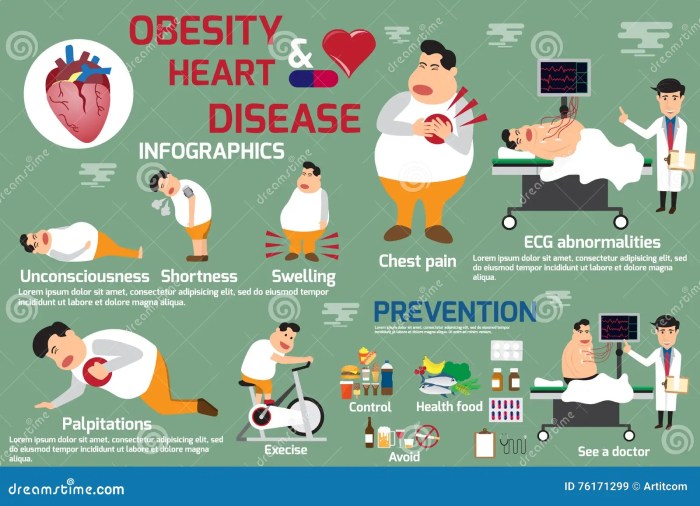
The connection between obesity and chronic diseases like heart disease is a pressing health concern worldwide. Obesity, characterized by excessive body fat, is a significant risk factor for a range of chronic conditions, including heart disease, type 2 diabetes, stroke, and certain cancers.

This complex relationship stems from the physiological changes that occur in the body due to excess weight, leading to inflammation, insulin resistance, and hormonal imbalances. These disruptions, in turn, increase the susceptibility to developing chronic diseases.

Understanding this connection is crucial for individuals, healthcare professionals, and policymakers alike. By recognizing the link between obesity and chronic diseases, we can implement effective prevention strategies, promote healthy lifestyles, and improve overall health outcomes.

The Prevalence of Obesity and Chronic Diseases

Obesity is a significant global health concern, and its prevalence is alarmingly increasing. This rise in obesity is directly linked to an increase in chronic diseases, placing a heavy burden on healthcare systems worldwide.

The Global Prevalence of Obesity

Obesity is a complex issue with multifaceted causes. It is characterized by an excessive accumulation of body fat, leading to various health complications. The World Health Organization (WHO) defines obesity as a body mass index (BMI) of 30 or higher.

The global prevalence of obesity has been steadily rising in recent decades. In 2016, over 1.9 billion adults aged 18 years and older were overweight, and over 650 million were obese. This translates to 39% of adults globally being overweight and 13% being obese.

“Obesity is a major risk factor for noncommunicable diseases such as heart disease, stroke, type 2 diabetes, and certain types of cancer.”

World Health Organization

The Impact of Obesity on Healthcare Systems

The rise in obesity has a significant impact on healthcare systems worldwide. Obese individuals are more likely to develop chronic diseases, requiring more frequent medical attention, hospitalizations, and medications. This increased healthcare utilization leads to higher healthcare costs, placing a strain on already stretched healthcare resources.

The economic burden of obesity is substantial. The WHO estimates that the global economic cost of obesity-related diseases was US$ 2.0 trillion in 2010. This figure is projected to rise significantly in the coming years.

Examples of Countries with High Obesity Rates

Several countries have high obesity rates, accompanied by a high prevalence of chronic diseases. For instance:

  • The United States:The US has one of the highest obesity rates in the world, with over 40% of adults being obese. This high obesity rate is associated with a high prevalence of chronic diseases such as heart disease, stroke, type 2 diabetes, and certain types of cancer.

  • Mexico:Mexico has experienced a rapid rise in obesity rates in recent years. Over 70% of adults in Mexico are overweight or obese, leading to a high prevalence of chronic diseases. This has placed a significant burden on the Mexican healthcare system.

  • China:China has witnessed a rapid increase in obesity rates in recent decades, particularly in urban areas. The rise in obesity has been linked to changes in diet and lifestyle, with more people adopting Westernized diets and sedentary lifestyles.

Mechanisms Linking Obesity to Chronic Diseases: The Connection Between Obesity And Chronic Diseases Like Heart Disease

The connection between obesity and chronic diseases like heart disease

Obesity, a state of excessive body fat accumulation, is a major public health concern worldwide. It is not merely an aesthetic issue but a significant risk factor for a range of chronic diseases. This section delves into the intricate mechanisms that link obesity to chronic diseases, highlighting the pivotal roles of inflammation, insulin resistance, and hormonal imbalances.

Inflammation

Chronic low-grade inflammation, a persistent state of immune activation, is a hallmark of obesity. Excess body fat, particularly visceral fat surrounding internal organs, triggers the release of pro-inflammatory cytokines, such as tumor necrosis factor-alpha (TNF-α) and interleukin-6 (IL-6). These cytokines contribute to systemic inflammation, which can damage tissues and organs, ultimately increasing the risk of chronic diseases.

Inflammation is a complex biological process involving the immune system’s response to injury or infection. While acute inflammation is a necessary and beneficial response, chronic inflammation, which persists over long periods, can have detrimental effects on the body.

Insulin Resistance

Insulin resistance, a condition where cells fail to respond properly to insulin, is another critical link between obesity and chronic diseases. Excess body fat impairs insulin signaling, leading to elevated blood sugar levels. This can eventually progress to type 2 diabetes, a chronic condition characterized by hyperglycemia.

Insulin resistance also contributes to the development of other chronic diseases, such as cardiovascular disease and non-alcoholic fatty liver disease.

Hormonal Imbalances, The connection between obesity and chronic diseases like heart disease

Obesity disrupts the delicate balance of various hormones, further contributing to chronic disease development. Excess adipose tissue produces hormones like leptin and adiponectin, which regulate appetite and energy expenditure. However, in obesity, leptin resistance occurs, where the body becomes less sensitive to its appetite-suppressing effects.

This can lead to excessive food intake and weight gain. Moreover, obesity is associated with reduced adiponectin levels, a hormone that plays a protective role against insulin resistance and inflammation.

Leptin is a hormone produced by fat cells that acts on the hypothalamus in the brain to regulate appetite and energy expenditure. When leptin levels are high, it signals to the brain that the body has enough energy stores, suppressing appetite. Conversely, when leptin levels are low, it signals the brain that the body needs more energy, increasing appetite.

Excess Body Fat and Disrupted Bodily Systems

Excess body fat can disrupt various bodily systems, increasing the risk of chronic diseases. For instance, the increased workload on the heart due to obesity can lead to hypertension and heart disease. Obesity also puts stress on joints, increasing the risk of osteoarthritis.

Furthermore, the accumulation of fat in the liver can lead to non-alcoholic fatty liver disease, which can progress to cirrhosis and liver failure.

Holistic Wellness and Chronic Disease Prevention

The concept of holistic wellness emphasizes the interconnectedness of physical, mental, and emotional well-being. It recognizes that these aspects are not isolated but rather influence and impact each other, contributing to overall health and well-being. This approach focuses on promoting balance and harmony within these dimensions, aiming to prevent chronic diseases and enhance overall health.

The Interconnectedness of Physical, Mental, and Emotional Well-being

A holistic perspective emphasizes the interconnected nature of physical, mental, and emotional well-being. This interconnectedness means that changes in one area can influence the others. For instance, chronic stress can lead to physical health problems like high blood pressure and weakened immune systems.

Conversely, regular exercise can boost mood and improve mental clarity.

Holistic Approaches to Health and Wellness

Holistic approaches to health and wellness emphasize a multi-dimensional perspective, incorporating various practices and strategies to promote overall well-being. These approaches aim to address the underlying causes of health issues rather than solely focusing on symptoms. Examples of holistic approaches include:

  • Mindfulness and Meditation:These practices help reduce stress, improve focus, and enhance emotional regulation. Regular meditation has been shown to lower blood pressure, improve sleep quality, and reduce inflammation.
  • Yoga and Tai Chi:These mind-body practices combine physical movement with breathwork and mindfulness, promoting flexibility, balance, and stress reduction. They can also improve cardiovascular health and reduce the risk of falls.
  • Nutrition:A balanced and nutritious diet is essential for overall health. Consuming a variety of fruits, vegetables, whole grains, and lean protein can provide the necessary nutrients for optimal functioning.
  • Sleep:Adequate sleep is crucial for physical and mental health. Getting enough sleep allows the body to repair and rejuvenate, improving immune function, mood, and cognitive performance.
  • Social Connection:Strong social connections are vital for well-being. Spending time with loved ones, engaging in social activities, and maintaining meaningful relationships can provide support, reduce stress, and enhance overall happiness.

Last Word

The impact of obesity on chronic diseases is undeniable. By adopting a holistic approach to health and wellness, individuals can take proactive steps to prevent obesity and mitigate their risk of developing these debilitating conditions. This includes maintaining a healthy weight through balanced nutrition and regular physical activity, managing stress effectively, and seeking early detection and preventive care.

Through collective efforts, we can work towards a future where obesity-related chronic diseases are less prevalent, leading to healthier lives for all.

Essential FAQs

What are some common lifestyle changes that can help prevent obesity?

Adopting a balanced diet rich in fruits, vegetables, and whole grains, engaging in regular physical activity, and managing stress levels are key lifestyle modifications that can help prevent obesity.

Is there a specific type of exercise that is most effective for weight loss?

A combination of aerobic exercise (like brisk walking, jogging, or swimming) and strength training is recommended for optimal weight loss and overall health.

Can obesity be reversed?

While losing weight can be challenging, it is possible to reverse obesity through sustained lifestyle changes and medical guidance. Weight loss can lead to significant improvements in health outcomes and reduce the risk of chronic diseases.

Are there any medications that can help with weight loss?

Yes, there are medications available that can aid in weight loss, but they are typically prescribed in conjunction with lifestyle changes and under the supervision of a healthcare professional.


Role of nutrition in managing chronic diseases: A Key to Health

Role of nutrition in managing chronic diseases

Role of Nutrition in Managing Chronic Diseases

Nutrition plays a crucial role in managing chronic diseases by influencing various aspects of our health. The connection between nutrition and chronic diseases is evident, as poor dietary choices can exacerbate symptoms and lead to the progression of certain conditions.

Examples of Chronic Diseases Managed Through Nutrition

  • Diabetes: Proper management of carbohydrate intake and monitoring blood sugar levels can help control diabetes.
  • Heart Disease: A diet low in saturated fats and high in fruits, vegetables, and whole grains can reduce the risk of heart disease.
  • Hypertension: Limiting sodium intake and consuming foods rich in potassium can help manage hypertension.

Impact of a Balanced Diet on Preventing and Managing Chronic Conditions

A balanced diet, rich in nutrients such as vitamins, minerals, antioxidants, and fiber, can help prevent the onset of chronic diseases and manage existing conditions. By providing the body with essential nutrients, a balanced diet supports overall health and strengthens the immune system, reducing the risk of complications associated with chronic diseases.

Specific Nutrients for Managing Symptoms of Chronic Diseases

  • Omega-3 Fatty Acids: Found in fatty fish, flaxseeds, and walnuts, omega-3 fatty acids have anti-inflammatory properties that can help reduce inflammation in conditions like arthritis.
  • Vitamin D: Essential for bone health, vitamin D can also play a role in managing symptoms of autoimmune diseases like multiple sclerosis.
  • Fiber: Found in fruits, vegetables, and whole grains, fiber can aid in digestion and help regulate blood sugar levels in conditions like diabetes.

Mental Wellness

Role of nutrition in managing chronic diseases
Proper nutrition plays a crucial role in maintaining mental well-being. The food we eat can significantly impact our mood, cognitive function, and overall mental health.

Nutrition and Mental Health

A balanced diet rich in nutrients like vitamins, minerals, and antioxidants is essential for supporting brain function and mental well-being. Certain foods have been found to have a positive impact on mental health due to their nutrient content.

  • Fatty Fish: Fish like salmon, mackerel, and sardines are high in omega-3 fatty acids, which are important for brain health and can help reduce symptoms of depression and anxiety.
  • Leafy Greens: Vegetables like spinach, kale, and broccoli are rich in vitamins and minerals that support cognitive function and may help reduce the risk of mental health disorders.
  • Nuts and Seeds: Almonds, walnuts, chia seeds, and flaxseeds are good sources of healthy fats, vitamins, and minerals that can benefit brain health and improve mood.

Omega-3 Fatty Acids and Mental Well-Being

Omega-3 fatty acids are essential fats that play a key role in brain function and mental health. These fats are found in high amounts in fatty fish, flaxseeds, chia seeds, and walnuts. Research suggests that omega-3 fatty acids may help reduce symptoms of depression, anxiety, and other mental health conditions by supporting neurotransmitter function and reducing inflammation in the brain.

Physical Fitness

Proper nutrition is essential for achieving and maintaining physical fitness. The food we consume provides the energy and nutrients needed to support our physical activities and overall health.

Role of Nutrition in Physical Fitness

Nutrition plays a crucial role in physical fitness by providing the necessary fuel for exercise and supporting muscle growth and recovery. A well-balanced diet consisting of carbohydrates, proteins, fats, vitamins, and minerals is essential for optimal performance.

  • Carbohydrates: Carbohydrates are the body’s primary source of energy, especially during high-intensity exercise. Including complex carbohydrates like whole grains, fruits, and vegetables in your diet can help sustain energy levels during workouts.
  • Proteins: Proteins are important for muscle repair and growth. Foods rich in lean protein such as chicken, fish, tofu, and legumes can help maintain muscle mass and support recovery after exercise.
  • Fats: Healthy fats are necessary for overall health and can provide sustained energy during endurance activities. Incorporating sources of unsaturated fats like nuts, seeds, and avocado can benefit physical performance.
  • Vitamins and Minerals: Essential vitamins and minerals play a key role in various bodily functions, including metabolism and muscle function. Consuming a variety of fruits, vegetables, and whole grains can help meet these nutrient needs.

Hydration and Nutrition for Physical Fitness

Hydration is closely linked to nutrition when it comes to physical fitness. Proper hydration is essential for regulating body temperature, transporting nutrients, and maintaining performance during exercise. It is important to drink an adequate amount of water before, during, and after physical activity to prevent dehydration and optimize performance.

Remember, fueling your body with the right nutrients and staying properly hydrated are key components of achieving and sustaining physical fitness.

Healthy Eating

Maintaining a healthy diet is crucial for overall well-being and managing chronic diseases. A balanced and nutritious diet can provide essential nutrients to support the body’s functions and help prevent various health conditions.

Components of a Healthy Diet

  • Include a variety of fruits and vegetables to ensure intake of essential vitamins, minerals, and antioxidants.
  • Incorporate whole grains like brown rice, quinoa, and whole wheat bread for fiber, energy, and nutrients.
  • Choose lean protein sources such as poultry, fish, beans, and nuts to support muscle growth and repair.
  • Incorporate healthy fats like avocados, olive oil, and nuts for heart health and brain function.
  • Avoid processed foods high in added sugars, salt, and unhealthy fats to reduce the risk of chronic diseases.

Benefits of Whole Foods

Whole foods, which are minimally processed and close to their natural state, offer numerous benefits:

  • Higher nutrient content compared to processed foods, providing essential vitamins, minerals, and antioxidants.
  • Fiber content in whole foods supports digestion, promotes satiety, and helps regulate blood sugar levels.
  • Lower risk of chronic diseases such as heart disease, diabetes, and certain cancers due to the absence of harmful additives.
  • Improved overall health and well-being, including better energy levels, mood, and cognitive function.

Tips for Maintaining a Balanced Diet

  • Plan your meals ahead of time to ensure a variety of nutrients and prevent impulsive unhealthy choices.
  • Practice portion control to avoid overeating and maintain a healthy weight.
  • Stay hydrated by drinking an adequate amount of water throughout the day.
  • List down your weekly grocery items and stick to your list to avoid unnecessary purchases.

Meal Planning for Healthy Eating, Role of nutrition in managing chronic diseases

Meal planning can help you make healthier choices and save time and money. Consider the following tips:

  • Choose recipes that include a balance of protein, carbohydrates, and fats for a well-rounded meal.
  • Prepare meals in advance and portion them out to avoid relying on convenience foods or takeout.
  • Include a variety of colors in your meals by incorporating different fruits and vegetables for a wide range of nutrients.
  • Experiment with new ingredients and recipes to keep your meals exciting and prevent boredom with your diet.

Preventive Care

Proper nutrition plays a crucial role in preventive care against chronic diseases. By making healthy food choices and maintaining a balanced diet, individuals can significantly reduce their risk of developing various health conditions.

Role of Antioxidants

Antioxidants are essential compounds that help protect the body against illnesses by neutralizing harmful free radicals. These free radicals can cause oxidative stress, leading to cell damage and increasing the risk of chronic diseases such as cancer and heart disease. Consuming foods rich in antioxidants can help combat these effects and support overall health.

  • Berries: Blueberries, strawberries, and raspberries are excellent sources of antioxidants such as vitamin C and flavonoids.
  • Leafy Greens: Spinach, kale, and Swiss chard are packed with antioxidants like vitamins A, C, and K.
  • Nuts and Seeds: Almonds, walnuts, and chia seeds contain antioxidants like vitamin E and selenium.

Immunity-Boosting Foods

A strong immune system is vital for preventing infections and diseases. Certain foods can help boost immunity and support preventive care by providing essential nutrients and vitamins that enhance immune function.

  • Citrus Fruits: Oranges, lemons, and grapefruits are rich in vitamin C, which is known to strengthen the immune system.
  • Garlic: Garlic contains allicin, a compound with immune-boosting properties that can help fight off infections.
  • Yogurt: Probiotics found in yogurt support gut health, which is closely linked to immune function.

Impact of Dietary Habits

Maintaining healthy dietary habits can play a significant role in preventing the onset of certain conditions such as obesity, diabetes, and cardiovascular diseases. By avoiding processed foods high in sugar, salt, and unhealthy fats, individuals can lower their risk of developing these chronic conditions.

Balanced Diet

A balanced diet refers to consuming the right amount of nutrients that your body needs to function properly. This includes a mix of carbohydrates, proteins, fats, vitamins, and minerals in the right proportions.

Importance of Consuming a Variety of Nutrients

Consuming a variety of nutrients is crucial for maintaining overall health and well-being. Each nutrient plays a unique role in the body, and deficiencies can lead to various health problems. For example, vitamin C is essential for a healthy immune system, while calcium is crucial for strong bones and teeth. By including a variety of nutrients in your diet, you can ensure that your body gets everything it needs to function optimally.

  • Include a colorful array of fruits and vegetables in your meals to get a wide range of vitamins and minerals.
  • Incorporate lean proteins such as chicken, fish, and legumes to meet your protein requirements.
  • Choose whole grains like brown rice, quinoa, and whole-wheat bread for fiber and essential nutrients.
  • Don’t forget healthy fats like avocados, nuts, and olive oil to support brain health and hormone production.

Remember, a balanced diet is not about restricting yourself, but rather about making informed choices that benefit your overall health.

Impact of a Balanced Diet on Health and Well-being

Consuming a balanced diet has numerous benefits for your health and well-being. It can help prevent chronic diseases such as heart disease, diabetes, and obesity. Additionally, a balanced diet can improve your energy levels, mood, and cognitive function. By fueling your body with the right nutrients, you can enhance your quality of life and reduce the risk of developing health issues in the future.

Regular Exercise

Regular exercise is a crucial component of a healthy lifestyle, and when combined with proper nutrition, it can optimize overall health and well-being. Nutrition plays a key role in supporting physical activity by providing the necessary fuel and nutrients for the body to perform at its best.

Role of Nutrition in Exercise

Proper nutrition is essential to complement regular exercise routines as it provides the energy needed to sustain physical activity and enhances performance. Before engaging in any workout, it is important to fuel the body with the right nutrients to ensure optimal performance and prevent fatigue.

  • Carbohydrates: Consuming complex carbohydrates like whole grains, fruits, and vegetables before a workout can provide a sustained source of energy.
  • Proteins: Including lean proteins such as chicken, fish, or legumes can help build and repair muscles during exercise.
  • Hydration: Staying hydrated by drinking water before and during exercise is crucial for maintaining performance and preventing dehydration.

Pre- and Post-Workout Nutrition

Pre-workout nutrition helps prepare the body for physical activity by providing the necessary energy and nutrients. Post-workout nutrition is equally important as it helps replenish glycogen stores, repair muscle tissue, and enhance recovery.

  • Pre-Workout: Consuming a balanced meal or snack with carbohydrates and proteins 1-2 hours before exercise can help optimize performance.
  • Post-Workout: Refueling with a combination of carbohydrates and proteins within 30 minutes to 1 hour after exercise can aid in muscle recovery and replenish energy stores.

Foods for Different Types of Exercises

The type of exercise can influence the nutritional needs of the body. Different activities may require specific nutrients to support performance and recovery.

  • Endurance Exercise: Consuming foods rich in carbohydrates like oatmeal, bananas, and whole grain bread can provide sustained energy for endurance activities.
  • Strength Training: Including protein-rich foods such as Greek yogurt, eggs, and lean meats can support muscle growth and repair after strength training workouts.
  • Flexibility and Balance: Hydration is key for exercises focused on flexibility and balance, along with incorporating nutrient-dense foods like nuts, seeds, and leafy greens for overall health.

Importance of Nutrient Replenishment

Replenishing nutrients post-exercise is essential for recovery, muscle repair, and overall well-being. Consuming a combination of carbohydrates, proteins, and fluids after a workout can help the body recover faster and prepare for the next physical activity.

Regular exercise, combined with proper nutrition, is a powerful duo that can improve physical fitness, mental wellness, and overall health. By understanding the role of nutrition in supporting exercise routines, individuals can optimize their performance and achieve their health goals more effectively.

Mental Health

Proper nutrition plays a crucial role in maintaining good mental health. The food we eat can directly impact our mood, cognition, and overall mental well-being. In this section, we will explore the connection between nutrition and mental health disorders, the role of specific nutrients in supporting mental health conditions, dietary patterns that promote mental well-being, and the fascinating gut-brain connection.

Nutrition and Mental Health Disorders

Research has shown that certain nutrients can have a significant impact on mental health disorders such as depression, anxiety, and schizophrenia. For example, omega-3 fatty acids found in fish oil have been linked to reduced symptoms of depression and improved brain function. Similarly, vitamin D deficiency has been associated with an increased risk of mood disorders.

Specific Nutrients for Mental Health

– Omega-3 fatty acids: Found in fatty fish, flaxseeds, and walnuts, these essential fats are crucial for brain health and can help alleviate symptoms of depression.
– Magnesium: Found in nuts, seeds, and leafy greens, magnesium plays a role in neurotransmitter function and can help reduce anxiety.
– Vitamin B12: Found in animal products, vitamin B12 is important for mood regulation and can help prevent mood disorders.

Dietary Patterns for Mental Well-being

Adopting a Mediterranean diet rich in fruits, vegetables, whole grains, nuts, and healthy fats has been associated with a lower risk of depression and anxiety. This diet provides essential nutrients and antioxidants that support brain health and promote overall well-being.

Gut-Brain Connection

The gut-brain connection refers to the bidirectional communication between the gut and the brain, highlighting the impact of gut health on mental health. A healthy gut microbiome is essential for the production of neurotransmitters like serotonin, which plays a key role in regulating mood and behavior. Consuming probiotic-rich foods like yogurt and fermented vegetables can support gut health and positively influence mental well-being.

Holistic Wellness

Role of nutrition in managing chronic diseases
Nutrition plays a crucial role in achieving holistic wellness by addressing the interconnectedness of physical, mental, and emotional well-being through diet. A holistic approach to nutrition considers not only the nutritional content of food but also how it impacts all aspects of health and wellness.

Benefits of Holistic Nutrition

  • Supports overall well-being: Consuming a variety of nutrient-dense foods can help maintain a healthy weight, boost energy levels, and improve mood.
  • Enhances mental clarity: Certain nutrients, such as omega-3 fatty acids and antioxidants, have been linked to improved cognitive function and reduced risk of mental health disorders.
  • Promotes emotional balance: Balanced meals can stabilize blood sugar levels, which in turn can help regulate mood and reduce stress levels.

Tips for Adopting a Holistic Approach

  • Eat whole foods: Focus on consuming whole, unprocessed foods like fruits, vegetables, whole grains, and lean proteins to maximize nutrient intake.
  • Stay hydrated: Drinking an adequate amount of water is essential for digestion, nutrient absorption, and overall well-being.
  • Practice mindful eating: Pay attention to hunger and fullness cues, savoring each bite, and eating without distractions to foster a healthy relationship with food.

Examples of Holistic Practices

  • Meal planning: Preparing balanced meals ahead of time ensures that you have nutritious options readily available, reducing the likelihood of unhealthy choices.
  • Mind-body exercises: Engaging in activities like yoga or tai chi can promote relaxation, reduce stress, and enhance overall well-being.
  • Herbal remedies: Incorporating herbs and spices known for their medicinal properties, such as turmeric or ginger, can provide additional health benefits.

Immunity Boosters

Role of nutrition in managing chronic diseases – Proper nutrition plays a crucial role in boosting the immune system and improving overall health. By incorporating certain vitamins, minerals, and antioxidants into your diet, you can strengthen your body’s defense mechanisms and ward off illnesses.

Role of Vitamins and Minerals

Vitamins and minerals are essential for supporting a healthy immune system. Vitamin C, for example, is known for its immune-boosting properties and can be found in citrus fruits, strawberries, and bell peppers. Zinc is another important mineral that helps regulate immune function and can be obtained from foods like lean meat, poultry, and legumes.

Immune-Boosting Foods

  • Citrus fruits: Oranges, grapefruits, and lemons are rich in vitamin C.
  • Leafy greens: Spinach, kale, and Swiss chard provide vitamins and antioxidants.
  • Yogurt: Probiotics in yogurt can help support gut health, which is linked to immune function.
  • Garlic: Contains compounds that have been shown to boost the immune system.

Importance of a Well-Rounded Diet

Consuming a variety of nutrient-rich foods is essential for maintaining a strong immune system. A well-rounded diet that includes fruits, vegetables, whole grains, lean proteins, and healthy fats can provide the necessary nutrients to support immune function and overall wellness.

FAQ Section

How does nutrition affect chronic diseases?

Nutrition plays a vital role in managing chronic diseases by providing essential nutrients that support the body’s functions and help in reducing symptoms and complications.

Can chronic diseases be completely cured through nutrition?

While nutrition can significantly improve the management of chronic diseases, complete cure may not always be possible. However, a healthy diet can play a crucial role in enhancing overall health and quality of life.

What are some common dietary choices that can help in managing chronic conditions?

Including more fruits, vegetables, whole grains, lean proteins, and healthy fats in your diet can aid in managing chronic diseases by providing essential nutrients and supporting overall health.

How can nutrition help in preventing chronic diseases?

Nutrition can act as a preventive measure against chronic diseases by boosting immunity, reducing inflammation, and providing antioxidants that protect the body from illnesses.

How to recognize signs of mental health issues: Understanding the Importance and Impact

How to recognize signs of mental health issues

Recognizing Signs of Mental Health Issues

How to recognize signs of mental health issues
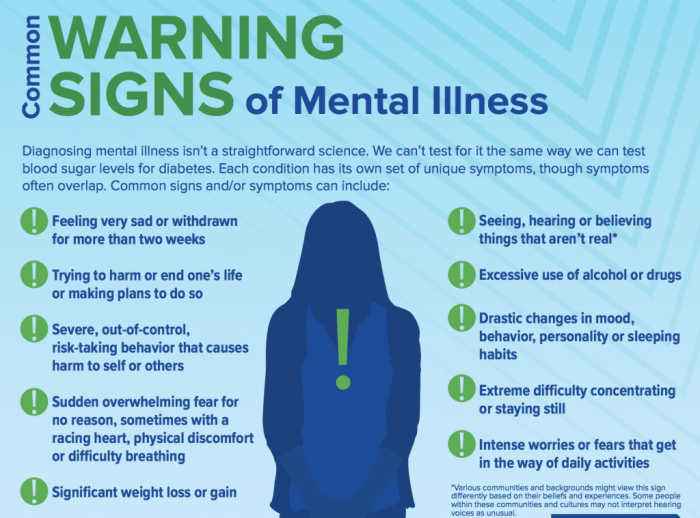
Recognizing signs of mental health issues is crucial in order to provide timely support and intervention for those in need. It is important to be aware of common signs and behaviors that may indicate underlying mental health problems.

Common Signs of Mental Health Issues

  • Changes in mood or behavior that are extreme or persistent.
  • Withdrawal from social activities and relationships.
  • Difficulty concentrating or making decisions.
  • Changes in sleeping or eating patterns.
  • Feelings of hopelessness, worthlessness, or guilt.

Examples of Behaviors Indicating Mental Health Problems

  • Increased irritability or anger without apparent cause.
  • Engaging in risky behaviors or self-harm.
  • Experiencing unexplained physical ailments, such as headaches or stomachaches.
  • Intense fear or worry that disrupts daily activities.

Differentiating Between Normal Mood Changes and Potential Mental Health Issues

  • Normal mood changes are usually temporary and triggered by specific events, while mental health issues are persistent and interfere with daily functioning.
  • It is important to pay attention to the duration and intensity of symptoms, as well as how they impact the individual’s life.
  • Seeking professional help and support can aid in accurately identifying and addressing mental health concerns.

Mental Wellness

Maintaining mental wellness is crucial for overall health and well-being. It involves taking care of your emotional, psychological, and social well-being to cope with the stresses of daily life, work effectively, and realize your full potential.

Strategies for Promoting Mental Wellness

  • Practice self-care routines: Engage in activities that bring you joy and relaxation, such as exercise, meditation, or hobbies.
  • Build strong social connections: Stay connected with family and friends, seek support when needed, and nurture positive relationships.
  • Manage stress effectively: Develop healthy coping mechanisms, set boundaries, and prioritize tasks to reduce stress levels.
  • Seek professional help: Don’t hesitate to reach out to mental health professionals for guidance and support when facing challenges.

Impact of Mental Wellness on Physical Health

Maintaining good mental health not only benefits your emotional well-being but also has a positive impact on your physical health. Research has shown that individuals with better mental wellness are more likely to engage in healthy behaviors, such as regular exercise, balanced diet, and adequate sleep. This, in turn, lowers the risk of various physical health conditions like heart disease, obesity, and diabetes. Additionally, mental wellness contributes to a stronger immune system, faster recovery from illnesses, and overall longevity.

Physical Fitness

Regular physical activity plays a crucial role in maintaining good mental health. The connection between physical fitness and mental well-being is well-established, as exercise has been shown to release endorphins, which are chemicals in the brain that act as natural painkillers and mood elevators.

Examples of Physical Exercises for Mental Well-Being

  • Cardiovascular exercises like running, cycling, or swimming can help reduce symptoms of anxiety and depression.
  • Yoga and Pilates are excellent for improving mindfulness and reducing stress levels.
  • Strength training exercises can boost self-esteem and improve overall mood.
  • Dancing or other forms of aerobic exercise can enhance cognitive function and memory.

Regular Physical Activity in Managing Stress and Anxiety

Regular physical activity can be an effective way to manage stress and anxiety. Exercise helps to reduce the levels of cortisol, the stress hormone, in the body, leading to a decrease in feelings of tension and anxiety. Additionally, engaging in physical activity promotes better sleep, which is essential for mental well-being. By incorporating a consistent exercise routine into your daily life, you can significantly improve your mental health and overall quality of life.

Healthy Eating

Eating a balanced diet is not only important for physical health but also plays a crucial role in supporting good mental health. The food we consume can significantly impact our mood, energy levels, and overall well-being.

Nutrition and Mental Health

Nutrition and mental health are closely linked, as certain nutrients play a key role in brain function and neurotransmitter production. For example, omega-3 fatty acids found in fish, nuts, and seeds are essential for brain health and can help reduce symptoms of depression and anxiety. Additionally, foods rich in antioxidants, such as fruits and vegetables, can protect the brain from oxidative stress and inflammation, which are linked to mental health disorders.

Foods for Good Mental Health, How to recognize signs of mental health issues

  • Eat plenty of fruits and vegetables to provide essential vitamins, minerals, and antioxidants for brain health.
  • Incorporate whole grains like brown rice, quinoa, and oats for sustained energy levels and stable mood.
  • Include lean proteins such as poultry, fish, beans, and legumes to support neurotransmitter function and mood regulation.
  • Opt for healthy fats like avocados, olive oil, and nuts to nourish the brain and reduce inflammation.
  • Stay hydrated by drinking enough water throughout the day to maintain cognitive function and mood stability.

Role of a Balanced Diet

A balanced diet that includes a variety of nutrient-dense foods is essential for promoting overall well-being. By providing the necessary nutrients for brain function and mental health, a balanced diet can help reduce the risk of developing mood disorders, improve cognitive function, and enhance emotional well-being. Making healthy food choices is a valuable investment in both physical and mental health.

Preventive Care

How to recognize signs of mental health issues – Preventive care plays a crucial role in maintaining good mental health by identifying and addressing potential issues before they escalate. By taking proactive steps, individuals can better manage their mental well-being and overall quality of life.

Examples of Preventive Measures

  • Regular exercise: Engaging in physical activities like walking, jogging, or yoga can help reduce stress and improve mood.
  • Maintaining a healthy diet: Eating nutritious foods rich in vitamins and minerals can support brain function and emotional well-being.
  • Practicing mindfulness and relaxation techniques: Techniques such as meditation, deep breathing, and journaling can help manage anxiety and promote mental clarity.
  • Seeking social support: Building strong relationships with friends and family members can provide a sense of belonging and emotional support during challenging times.

Importance of Early Intervention

Early intervention is key in preventing the escalation of mental health problems. By recognizing early warning signs and seeking help from mental health professionals, individuals can address issues before they become more severe. This can lead to better treatment outcomes and improved overall mental well-being.

Holistic Wellness

Holistic wellness is an approach that considers the whole person – mind, body, and spirit – in the quest for optimal health and wellness. It emphasizes the importance of balance and harmony among all aspects of an individual’s life to achieve overall well-being, including mental health.

Holistic Approaches to Improving Mental Well-being

  • Practicing mindfulness and meditation to reduce stress and promote mental clarity.
  • Incorporating regular physical activity into daily routines to boost mood and reduce symptoms of anxiety and depression.
  • Eating a balanced diet rich in nutrients to support brain function and overall mental health.
  • Engaging in creative activities like art, music, or writing to express emotions and promote self-discovery.
  • Connecting with nature through outdoor activities to improve mood and reduce feelings of isolation.

Benefits of Integrating Holistic Practices into Daily Routines

  • Improves overall well-being by addressing mental, physical, and emotional needs simultaneously.
  • Promotes a sense of balance and harmony in life, leading to reduced stress and improved mental clarity.
  • Enhances self-awareness and personal growth through practices like mindfulness and self-reflection.
  • Strengthens the mind-body connection, leading to better resilience in facing life’s challenges.
  • Supports long-term mental health stability by adopting sustainable lifestyle habits that prioritize holistic wellness.

Chronic Diseases

Chronic diseases can have a significant impact on mental health, creating a complex relationship between physical and emotional well-being. When dealing with chronic conditions, individuals may experience increased stress, anxiety, and depression, which can further exacerbate their physical symptoms.

Examples of Impact on Mental Well-being

  • Chronic pain from conditions like arthritis or fibromyalgia can lead to feelings of helplessness and frustration, impacting mood and overall mental health.
  • Managing a chronic illness such as diabetes or heart disease may require strict lifestyle changes, leading to feelings of isolation or anxiety.
  • Long-term conditions like cancer can cause emotional distress, fear of recurrence, and changes in self-image, affecting mental well-being.

Strategies for Managing Mental Health with Chronic Conditions

  • Seeking professional help from therapists or counselors who understand the challenges of living with a chronic illness can provide valuable support.
  • Engaging in stress-reducing activities such as mindfulness meditation, yoga, or deep breathing exercises can help manage anxiety and improve mental well-being.
  • Building a strong support network of friends, family, or support groups can offer emotional support and encouragement during difficult times.
  • Practicing self-care through healthy eating, regular exercise, and sufficient sleep can contribute to overall well-being and better mental health outcomes.

Immunity Boosters: How To Recognize Signs Of Mental Health Issues

Having a strong immune system is not only important for physical health but also plays a significant role in mental well-being. The connection between immunity and mental health is intertwined, as a healthy immune system can help regulate inflammation in the body, which has been linked to mental health conditions such as depression and anxiety.

Immunity Boosters for Mental Well-being

  • Eat a balanced diet rich in fruits, vegetables, lean proteins, and whole grains to support overall immunity and mental health.
  • Include foods high in antioxidants like berries, nuts, and leafy greens to help reduce inflammation in the body and promote brain health.
  • Get regular exercise to boost circulation and immune function, which can positively impact mood and cognitive function.
  • Stay hydrated by drinking plenty of water throughout the day to support the body’s natural defense mechanisms and cognitive function.
  • Practice stress-reducing activities such as yoga, meditation, or deep breathing exercises to lower cortisol levels and enhance immune response.

Question Bank

What are some common signs of mental health issues?

Common signs include changes in mood, behavior, and thought patterns, as well as withdrawal from social activities.

How can I differentiate between normal mood changes and potential mental health issues?

It’s important to look for persistent patterns of behavior that significantly impact daily functioning. Consulting with a mental health professional can provide clarity.

Why is preventive care important in maintaining mental health?

Preventive measures can help identify issues early on, making it easier to address and prevent the escalation of mental health problems.

What is holistic wellness and how does it impact mental health?

Holistic wellness focuses on the integration of mind, body, and spirit, promoting overall well-being that can positively affect mental health.

How does immunity relate to mental health?

A strong immune system can support better mental health by reducing stress and promoting overall well-being.