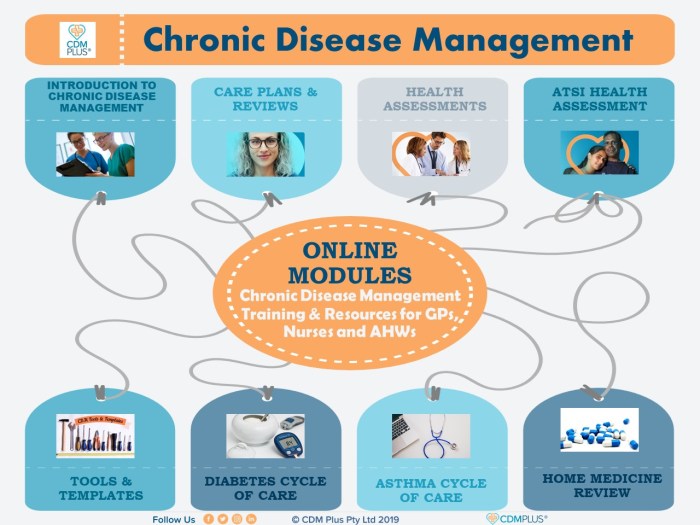
Chronic Disease Management Programs and Resources
Chronic disease management programs play a crucial role in healthcare by providing comprehensive care and support to individuals dealing with long-term health conditions. These programs aim to improve the quality of life for patients, reduce healthcare costs, and prevent complications associated with chronic diseases.
Importance of Chronic Disease Management Programs
Chronic disease management programs offer structured care plans that help patients manage their conditions effectively. They provide education, counseling, and monitoring to ensure that patients adhere to treatment plans and make healthy lifestyle choices. By promoting self-management and regular follow-ups, these programs help prevent disease progression and reduce hospitalizations.
- Regular monitoring of vital signs and symptoms
- Dietary and exercise recommendations
- Mental health support and counseling
- Medication management and adherence
Role of Technology in Enhancing Chronic Disease Management Programs
Technology plays a vital role in improving the efficiency and effectiveness of chronic disease management programs. From telemedicine and remote monitoring devices to health apps and wearable gadgets, technology enables healthcare providers to track patient data in real-time, communicate with patients more effectively, and provide timely interventions.
- Telemedicine for virtual consultations and follow-ups
- Remote monitoring devices for tracking patient progress
- Health apps for medication reminders and health tracking
- Wearable gadgets for continuous monitoring of vital signs
Mental Wellness
The connection between mental wellness and chronic disease management is crucial as mental health plays a significant role in overall well-being. Managing chronic conditions can often lead to stress, anxiety, and depression, impacting both physical and mental health.
Strategies for Improving Mental Wellness
- Practice mindfulness and meditation to reduce stress levels and promote relaxation.
- Engage in regular physical activity to boost mood and reduce symptoms of depression.
- Seek support from friends, family, or a therapist to address emotional challenges and develop coping mechanisms.
- Ensure an adequate amount of sleep to improve mental clarity and emotional resilience.
Impact of Stress on Chronic Conditions and Ways to Address It
Stress can exacerbate symptoms of chronic diseases such as heart disease, diabetes, and autoimmune disorders. It can lead to inflammation, weakened immune function, and poor disease management. To address stress in the context of chronic conditions:
- Implement stress-reducing techniques like deep breathing exercises or progressive muscle relaxation.
- Establish a healthy work-life balance to prevent burnout and overwhelming stress levels.
- Participate in activities that bring joy and relaxation, such as hobbies, spending time in nature, or listening to music.
Physical Fitness
Regular exercise plays a crucial role in managing chronic diseases by improving overall health and quality of life. It helps in controlling weight, reducing the risk of heart disease, and improving blood circulation.
Benefits of Physical Fitness in Disease Management
- Strengthens muscles and improves flexibility, reducing the risk of falls and injuries.
- Boosts mood and mental well-being through the release of endorphins, reducing stress and anxiety.
- Improves cardiovascular health by lowering blood pressure and cholesterol levels.
Fitness Programs for Individuals with Chronic Conditions
-
Cardiac Rehabilitation Programs:
Tailored for individuals with heart conditions to improve heart health through supervised exercise and education.
-
Arthritis Exercise Programs:
Focus on low-impact activities to reduce joint pain and stiffness while increasing mobility.
-
Pulmonary Rehabilitation Programs:
Help individuals with lung conditions improve breathing and endurance through exercise and breathing techniques.
Contribution of Physical Fitness to Overall Well-Being
- Enhances immune function, reducing the risk of infections and illnesses.
- Increases energy levels and stamina, promoting independence and productivity in daily activities.
- Improves sleep quality, aiding in better rest and recovery for the body.
Healthy Eating
Chronic disease management programs and resources – Proper nutrition plays a crucial role in managing chronic diseases and maintaining overall health. A balanced diet can help individuals with chronic conditions better manage their symptoms and improve their quality of life.
Tips for Creating a Balanced Diet
- Aim for variety in your diet by including fruits, vegetables, whole grains, lean proteins, and healthy fats.
- Avoid processed foods, sugary drinks, and excessive salt intake.
- Stay hydrated by drinking an adequate amount of water throughout the day.
- Monitor portion sizes to ensure you are not overeating.
Importance of Meal Planning and Healthy Eating Habits
Meal planning can help individuals with chronic diseases stay on track with their dietary goals and ensure they are getting the nutrients they need. Establishing healthy eating habits, such as mindful eating and avoiding emotional eating, can also contribute to better management of chronic conditions.
Preventive Care
Preventive care plays a crucial role in managing chronic diseases by focusing on measures aimed at preventing the onset of complications associated with these conditions.
Importance of Preventive Measures
- Regular physical activity: Engaging in regular exercise can help improve overall health and reduce the risk of complications from chronic diseases such as heart disease and diabetes.
- Healthy diet: Consuming a balanced diet rich in fruits, vegetables, whole grains, and lean proteins can help control blood sugar levels and manage conditions like hypertension.
- Smoking cessation: Quitting smoking can significantly reduce the risk of developing complications from chronic respiratory conditions like COPD.
Role of Regular Screenings and Check-ups
Regular screenings and check-ups are essential components of preventive care for chronic diseases as they help in early detection of any changes or abnormalities in the body. These screenings can include blood tests, imaging studies, and physical examinations to monitor the progression of the disease and adjust treatment plans accordingly.
Balanced Diet
Maintaining a balanced diet is crucial for individuals with chronic diseases as it plays a significant role in managing their condition and overall health. A balanced diet consists of a variety of nutrients in appropriate proportions to support optimal functioning of the body and combat the effects of the disease.
Components of a Balanced Diet
- Proteins: Essential for tissue repair and immune function. Sources include lean meats, poultry, fish, eggs, dairy, legumes, and nuts.
- Carbohydrates: Provide energy and fiber for digestion. Opt for whole grains, fruits, vegetables, and legumes.
- Fats: Important for hormone production and absorption of fat-soluble vitamins. Include healthy fats from avocados, nuts, seeds, and olive oil.
- Vitamins and Minerals: Support various bodily functions. Consume a variety of fruits, vegetables, whole grains, and lean proteins to get a range of nutrients.
- Water: Hydration is key for overall health. Drink an adequate amount of water throughout the day.
Meal Ideas and Recipes
Promoting a balanced diet can be achieved through meal planning and preparation. Here are some meal ideas and recipes that can support disease management:
- Grilled salmon with quinoa and roasted vegetables
- Vegetable stir-fry with tofu and brown rice
- Greek yogurt parfait with fresh fruits and nuts
- Chicken and vegetable kebabs with whole wheat pita
Impact of Dietary Choices
“You are what you eat.”
The food choices we make have a direct impact on our health and well-being, especially for individuals with chronic diseases. A balanced diet can help manage symptoms, improve energy levels, and enhance overall quality of life. On the other hand, poor dietary choices can exacerbate symptoms, lead to complications, and hinder disease management efforts.
Regular Exercise: Chronic Disease Management Programs And Resources
Regular exercise plays a crucial role in managing chronic diseases by improving overall health and well-being. It can help reduce symptoms, prevent complications, and enhance quality of life for individuals with chronic conditions.
Examples of Exercises for Different Chronic Conditions
- For individuals with cardiovascular diseases, low-impact exercises like walking, swimming, or cycling can help improve heart health without putting too much strain on the heart.
- For those with diabetes, a combination of aerobic exercises (such as brisk walking) and strength training can help manage blood sugar levels and improve insulin sensitivity.
- Individuals with arthritis can benefit from activities like tai chi, yoga, or water aerobics, which can help improve flexibility, strength, and joint function.
- For individuals with respiratory conditions like asthma, breathing exercises, and activities that focus on improving lung capacity, such as swimming or gentle yoga, can be beneficial.
Benefits of Regular Physical Activity for Chronic Disease Management
Regular physical activity can significantly improve the quality of life for individuals managing chronic diseases. It helps in:
- Managing weight and reducing the risk of obesity-related complications.
- Improving cardiovascular health and reducing the risk of heart disease and stroke.
- Enhancing mood and reducing symptoms of anxiety and depression.
- Increasing energy levels and improving overall physical function.
- Strengthening muscles and joints, reducing the risk of falls and injuries.
Mental Health
Mental health plays a crucial role in the management of chronic diseases, as it directly impacts a person’s overall well-being and quality of life. Dealing with the emotional challenges of living with a chronic condition can be overwhelming, but there are coping mechanisms that can help individuals navigate through these difficulties.
Coping Mechanisms for Emotional Impact, Chronic disease management programs and resources
- Seeking support from friends, family, or a therapist to talk about feelings and emotions related to the chronic condition.
- Engaging in relaxation techniques such as deep breathing, meditation, or yoga to reduce stress and anxiety.
- Practicing mindfulness and staying present in the moment to manage negative thoughts and emotions.
- Participating in support groups or online communities to connect with others facing similar challenges and share experiences.
Importance of Mental Health Support
Having access to mental health support is essential for individuals managing chronic diseases as it can significantly impact their overall wellness and disease management. It helps in reducing stress, anxiety, and depression, which are common emotional responses to living with a chronic condition. By addressing mental health needs, individuals can improve their coping mechanisms, adherence to treatment plans, and overall quality of life.
Holistic Wellness
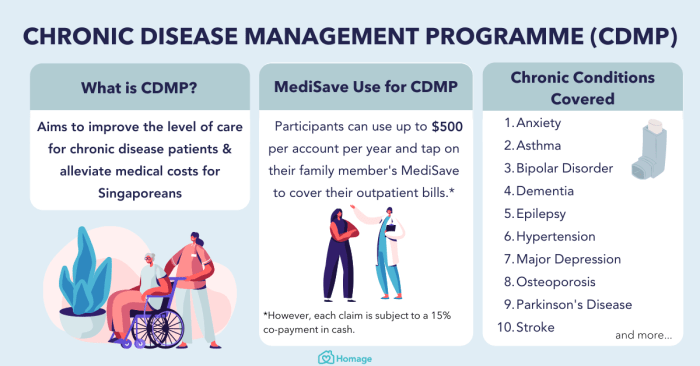
Holistic wellness is a comprehensive approach to health that considers the individual as a whole, incorporating physical, mental, emotional, and spiritual well-being. In the context of chronic disease management, holistic wellness focuses on addressing all aspects of a person’s health to improve overall quality of life and better manage chronic conditions.
Holistic Approaches for Disease Management
Holistic approaches for managing chronic diseases involve integrating physical, mental, and emotional well-being strategies to address the root causes of the condition and promote overall health. Some holistic approaches include:
- Incorporating mindfulness practices such as meditation and yoga to reduce stress and improve mental well-being.
- Engaging in regular physical activity to improve physical health and overall fitness levels.
- Adopting a balanced and nutritious diet to support the body’s immune system and overall health.
- Prioritizing preventive care measures such as regular health screenings and check-ups to monitor the progression of chronic conditions.
Benefits of Adopting a Holistic Wellness Approach
By adopting a holistic wellness approach in managing chronic conditions, individuals can experience several benefits, including:
- Improved overall quality of life by addressing all aspects of health and well-being.
- Better management of chronic conditions by targeting both the symptoms and underlying causes.
- Enhanced emotional well-being and stress management, leading to a more positive outlook on life.
- Increased resilience and coping mechanisms to deal with the challenges of living with a chronic disease.
Immunity Boosters
Maintaining a strong immune system is crucial in managing chronic diseases as it helps the body fight off infections and reduce inflammation, which can worsen existing conditions.
Nutrition
- Eating a diet rich in fruits, vegetables, whole grains, and lean proteins can provide essential vitamins and minerals that support immune function.
- Include foods high in antioxidants like berries, nuts, and seeds to help reduce oxidative stress and boost immunity.
- Probiotics found in yogurt, kefir, and fermented foods can promote a healthy gut microbiome, which plays a key role in immune response.
Lifestyle
- Getting an adequate amount of sleep each night is crucial for immune function and overall health.
- Regular exercise can help improve circulation and immune cell activity, reducing the risk of chronic diseases.
- Managing stress through techniques like meditation, yoga, or deep breathing can lower inflammation and support immune function.
Supplements
- Vitamin C and zinc supplements can help boost immune function and reduce the duration of illnesses.
- Elderberry extract has been shown to have antiviral properties and may help prevent respiratory infections.
- Echinacea supplements may enhance immune response and reduce the severity of cold symptoms.
Role in Chronic Disease Management
Maintaining a strong immune system is essential for individuals with chronic conditions as it can help prevent complications and improve overall outcomes. By incorporating immunity boosters through nutrition, lifestyle changes, and supplements, individuals can better manage their chronic diseases and enhance their quality of life.
Quick FAQs
How do chronic disease management programs impact healthcare?
Chronic disease management programs improve healthcare outcomes by providing resources and strategies tailored to individuals with long-term conditions.
What role does technology play in enhancing chronic disease management programs?
Technology enhances chronic disease management programs by offering tools for monitoring, tracking, and communicating health information effectively.
How can mental wellness influence chronic disease management?
Mental wellness plays a key role in managing chronic diseases as it affects overall well-being and can impact treatment adherence and outcomes.
Why is preventive care important in the context of chronic diseases?
Preventive care helps reduce the risk of complications from chronic conditions by focusing on early detection and intervention strategies.
What are some examples of immunity boosters for managing chronic diseases?
Immunity boosters can include foods rich in vitamins and antioxidants, regular exercise, stress management techniques, and appropriate supplements.