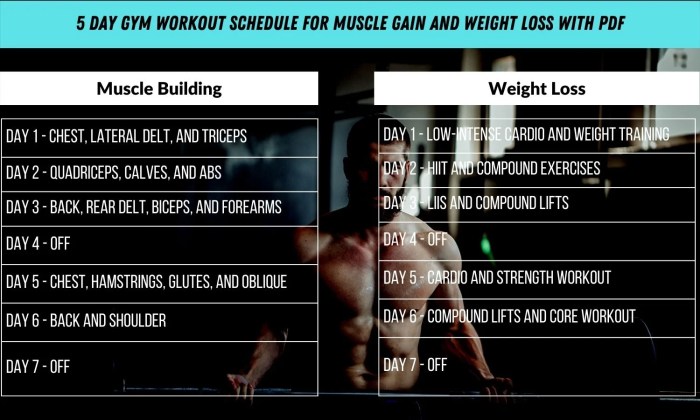
Top physical fitness routines for weight loss are essential for achieving a healthy lifestyle and achieving weight loss goals. It’s a journey that requires dedication, consistency, and a combination of different fitness approaches.
This guide will explore various physical fitness routines, including high-intensity interval training (HIIT), strength training, cardiovascular exercise, and flexibility and mobility exercises. We’ll also delve into the importance of nutrition and healthy eating habits, as well as the role of mental health and holistic wellness in achieving sustainable weight loss.
Introduction
Physical fitness plays a crucial role in weight loss and overall health. Engaging in regular exercise not only helps shed pounds but also improves cardiovascular health, strengthens muscles and bones, and boosts mood. Weight loss, beyond the aesthetic benefits, brings significant health advantages.
It can lower the risk of chronic diseases such as heart disease, type 2 diabetes, and certain types of cancer.
Prevalence and Health Risks of Obesity
Obesity is a global health concern, with rates steadily rising in many countries. According to the World Health Organization (WHO), over 39% of adults aged 18 years and older were overweight in 2016, and 13% were obese. The health risks associated with obesity are substantial and include:
- Increased risk of heart disease, stroke, and high blood pressure.
- Higher likelihood of developing type 2 diabetes.
- Increased risk of certain types of cancer, including colon, breast, and endometrial cancer.
- Increased risk of osteoarthritis and other musculoskeletal problems.
- Sleep apnea and other respiratory problems.
- Mental health issues such as depression and anxiety.
High-Intensity Interval Training (HIIT)
HIIT is a popular form of exercise that involves short bursts of intense activity followed by brief periods of rest or low-intensity activity. This method is highly effective for weight loss and overall fitness improvement.
Principles of HIIT
HIIT workouts typically involve alternating between high-intensity periods, where you exert maximum effort, and low-intensity recovery periods. These intervals can vary in duration, but they typically range from 20 seconds to several minutes. The key principle is to push your body to its limits during the high-intensity phases, followed by brief recovery periods to allow your body to partially recover before the next intense interval.
Effectiveness of HIIT for Weight Loss
HIIT is highly effective for weight loss because it burns a significant number of calories in a short amount of time. Studies have shown that HIIT can burn more calories than traditional steady-state cardio exercises, even when performed for a shorter duration.
This is due to the afterburn effect, where your body continues to burn calories at an elevated rate even after your workout is complete.
Examples of HIIT Workouts
Here are some examples of HIIT workouts that you can do at home or at the gym:
Home HIIT Workout
- Warm-up:5 minutes of light cardio, such as jogging in place or jumping jacks.
- Round 1:
- 30 seconds of high-intensity exercise, such as burpees, jumping jacks, or mountain climbers.
- 30 seconds of rest or low-intensity exercise, such as walking or jogging in place.
- Repeat 8-10 times.
- Round 2:
- 30 seconds of high-intensity exercise, such as squats, push-ups, or lunges.
- 30 seconds of rest or low-intensity exercise, such as walking or jogging in place.
- Repeat 8-10 times.
- Cool-down:5 minutes of stretching.
Gym HIIT Workout
- Warm-up:5 minutes of light cardio, such as jogging on a treadmill or cycling.
- Round 1:
- 30 seconds of high-intensity exercise, such as sprinting on a treadmill, cycling at high intensity, or rowing.
- 30 seconds of rest or low-intensity exercise, such as walking on a treadmill or cycling at a moderate pace.
- Repeat 8-10 times.
- Round 2:
- 30 seconds of high-intensity exercise, such as lifting heavy weights or doing plyometric exercises.
- 30 seconds of rest or low-intensity exercise, such as walking or jogging in place.
- Repeat 8-10 times.
- Cool-down:5 minutes of stretching.
Benefits of HIIT
HIIT offers numerous benefits, including:
- Increased calorie burn:HIIT workouts can burn significantly more calories than traditional steady-state cardio exercises, even when performed for a shorter duration.
- Improved cardiovascular health:HIIT can improve your heart health by strengthening your heart muscle and improving blood flow.
- Enhanced fat burning:HIIT can help you burn fat more effectively than other types of exercise.
- Increased muscle mass:HIIT can help you build muscle mass, which can boost your metabolism and help you burn more calories at rest.
- Time-efficient:HIIT workouts are typically shorter than traditional cardio workouts, making them a great option for people with busy schedules.
Important Considerations
- Proper warm-up and cool-down:Always warm up before starting a HIIT workout and cool down afterward to prevent injuries.
- Listen to your body:Don’t push yourself too hard, especially when you’re first starting out. Gradually increase the intensity and duration of your workouts as you get fitter.
- Proper form:Maintaining proper form is crucial to prevent injuries. If you’re unsure about the correct form, consult with a personal trainer or fitness professional.
- Consistency:The key to success with HIIT is consistency. Aim for at least 2-3 HIIT workouts per week.
Strength Training
Strength training is an essential component of any weight loss program, as it helps you build muscle and burn calories. Muscle is metabolically active, meaning it burns more calories at rest than fat. This means that the more muscle you have, the more calories you’ll burn throughout the day, even when you’re not working out.
Strength Training Exercises
Strength training exercises can be performed using your own body weight, resistance bands, or weights. Here are some examples of strength training exercises that can be done with bodyweight or weights:
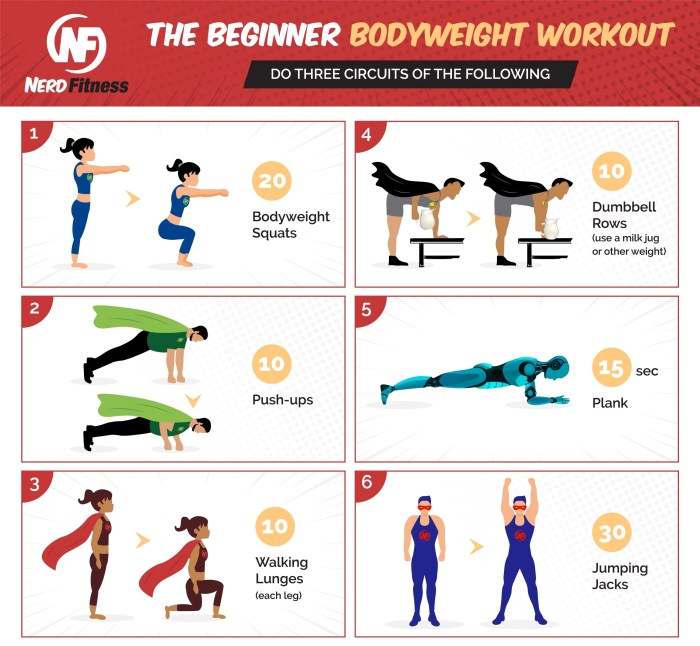
- Squats: Squats are a compound exercise that works your quads, hamstrings, glutes, and core. To perform a squat, stand with your feet shoulder-width apart, and lower your hips as if you’re sitting down in a chair. Keep your back straight and your core engaged.
- Push-ups: Push-ups are a great exercise for working your chest, shoulders, and triceps. To perform a push-up, start in a plank position with your hands shoulder-width apart. Lower your chest towards the floor, keeping your body in a straight line.
Push yourself back up to the starting position.
- Lunges: Lunges are a great exercise for working your quads, hamstrings, and glutes. To perform a lunge, step forward with one leg and lower your body until both knees are bent at a 90-degree angle. Push off with your front foot to return to the starting position.
- Plank: The plank is an isometric exercise that works your core, shoulders, and back. To perform a plank, start in a push-up position with your forearms on the floor. Keep your body in a straight line from your head to your heels.
Hold this position for as long as you can.
- Rows: Rows are a great exercise for working your back and biceps. To perform a row, stand with your feet shoulder-width apart and hold a dumbbell in each hand. Bend at the waist, keeping your back straight. Pull the dumbbells up towards your chest, keeping your elbows close to your body.
Lower the dumbbells back to the starting position.
Benefits of Strength Training
Strength training has many benefits for weight loss and overall health. Here are some of the benefits of strength training:
- Increased metabolism: Strength training helps build muscle, which increases your metabolism. This means you’ll burn more calories at rest.
- Improved body composition: Strength training helps you lose fat and gain muscle. This improves your body composition and makes you look and feel better.
- Increased bone density: Strength training helps increase bone density, which can reduce your risk of osteoporosis.
- Improved blood sugar control: Strength training can help improve blood sugar control, which is important for people with diabetes.
- Reduced risk of injury: Strength training can help reduce your risk of injury by strengthening your muscles and improving your balance.
Cardiovascular Exercise
Cardiovascular exercise, also known as aerobic exercise, is crucial for weight loss and overall health. It involves activities that elevate your heart rate and improve your cardiovascular system’s efficiency. Engaging in regular cardiovascular exercise burns calories, strengthens your heart, and improves your body’s ability to use oxygen.
Benefits of Cardiovascular Exercise
Cardiovascular exercise offers a multitude of benefits, including:
- Weight loss:Cardiovascular exercise burns calories, which can help you lose weight and maintain a healthy weight.
- Improved heart health:Regular cardiovascular exercise strengthens your heart muscle, improves blood flow, and lowers blood pressure. This reduces your risk of heart disease, stroke, and other cardiovascular problems.
- Reduced risk of chronic diseases:Cardiovascular exercise helps control blood sugar levels, reducing the risk of type 2 diabetes. It also lowers cholesterol levels, which can reduce your risk of heart disease. Additionally, it can help prevent certain types of cancer.
- Increased energy levels:Cardiovascular exercise improves your body’s ability to use oxygen, which can increase your energy levels and reduce fatigue.
- Improved mood and mental health:Cardiovascular exercise releases endorphins, which have mood-boosting effects. It can also reduce stress, anxiety, and depression.
- Better sleep:Regular cardiovascular exercise can improve your sleep quality.
Types of Cardiovascular Exercise
There are many different types of cardiovascular exercise, each with its own benefits and challenges. Some popular examples include:
- Running:Running is a high-impact exercise that burns a significant number of calories. It can be done outdoors or on a treadmill.
- Swimming:Swimming is a low-impact exercise that is gentle on your joints. It is an excellent choice for people with injuries or arthritis.
- Cycling:Cycling is a moderate-impact exercise that can be done indoors or outdoors. It is a great way to get some fresh air and enjoy the scenery.
- Dancing:Dancing is a fun and engaging form of cardiovascular exercise. It can be done at home, in a studio, or at a club.
- Jumping rope:Jumping rope is a high-intensity exercise that is great for improving cardiovascular fitness and coordination.
- Hiking:Hiking is a great way to get some exercise while enjoying the outdoors. It is a moderate-impact exercise that can be done at different levels of intensity.
How to Incorporate Cardiovascular Exercise into Your Routine
To incorporate cardiovascular exercise into your routine, it is essential to choose activities you enjoy and that fit your fitness level. Start gradually and increase the intensity and duration of your workouts over time. Aim for at least 30 minutes of moderate-intensity cardiovascular exercise most days of the week.
Flexibility and Mobility
Flexibility and mobility are crucial aspects of overall fitness, especially when it comes to weight loss. They play a vital role in injury prevention, enhancing movement efficiency, and supporting a healthy body composition.
The Importance of Flexibility and Mobility
Flexibility refers to the range of motion in your joints, while mobility encompasses the ability to move your joints through that full range of motion efficiently and without pain. Both are essential for weight loss because they contribute to:
- Improved Posture:Good posture is essential for maintaining a healthy spine and reducing the risk of back pain. Flexibility and mobility help you achieve and maintain proper posture by strengthening the muscles that support your spine.
- Enhanced Movement Efficiency:When your muscles are flexible and your joints are mobile, your body moves more efficiently, burning more calories and improving your performance during workouts.
- Reduced Risk of Injuries:Limited flexibility and mobility can increase your risk of injuries, especially during exercise. Stretching and mobility exercises help prevent injuries by improving muscle flexibility and joint range of motion.
Stretching Exercises for Flexibility
Stretching is an essential part of any fitness routine, particularly when aiming for weight loss. Regular stretching can improve your flexibility and mobility, making it easier to perform daily activities and exercise safely. Here are some examples of effective stretching exercises:
- Hamstring Stretch:Sit on the floor with your legs extended. Reach towards your toes, holding the stretch for 30 seconds.
- Quadriceps Stretch:Stand upright and grab your foot with one hand, pulling your heel towards your buttock. Hold for 30 seconds.
- Calf Stretch:Place one foot slightly behind the other, keeping your heels on the ground. Lean forward, feeling the stretch in your calf. Hold for 30 seconds.
- Chest Stretch:Interlock your fingers behind your back and lift your arms as high as possible. Hold for 30 seconds.
- Shoulder Stretch:Reach one arm across your body and use the other hand to gently pull it towards your chest. Hold for 30 seconds.
Yoga Poses for Mobility
Yoga is an excellent way to improve flexibility and mobility, incorporating poses that gently stretch and strengthen your muscles. Some effective yoga poses for mobility include:
- Cat-Cow Pose:This pose helps improve spinal mobility and flexibility. Start on your hands and knees, then round your spine like a cat while inhaling. As you exhale, arch your back like a cow.
- Downward-Facing Dog:This pose stretches the hamstrings, calves, and spine. Start on your hands and knees, then lift your hips up and back, forming an inverted V-shape.
- Warrior II Pose:This pose strengthens the legs and improves hip flexibility. Stand with your feet apart, then turn your right foot 90 degrees to the right and your left foot slightly inward. Bend your right knee and reach your arms out to the sides.
Benefits of Flexibility and Mobility
Beyond their role in weight loss and injury prevention, flexibility and mobility offer a range of benefits, including:
- Improved Posture:Flexible muscles and mobile joints contribute to better posture, reducing the risk of back pain and improving overall appearance.
- Reduced Muscle Soreness:Stretching after exercise helps reduce muscle soreness and improve recovery time.
- Increased Range of Motion:Enhanced flexibility and mobility allow you to move your body more freely and comfortably, making everyday activities easier.
Nutrition and Weight Loss
Nutrition plays a pivotal role in weight loss and overall health. While exercise is crucial, a balanced diet is equally important for achieving sustainable weight management and improving overall well-being.
Creating a Healthy Meal Plan, Top physical fitness routines for weight loss
Creating a healthy meal plan involves making conscious choices about the foods you consume. It is crucial to prioritize nutrient-dense foods that provide essential vitamins, minerals, and fiber while minimizing processed foods, sugary drinks, and unhealthy fats.
- Focus on Fruits and Vegetables:Aim to fill half your plate with fruits and vegetables at each meal. These foods are naturally low in calories and rich in vitamins, minerals, and fiber, which contribute to satiety and support overall health.
- Choose Whole Grains:Opt for whole grains like brown rice, quinoa, and whole-wheat bread over refined grains. Whole grains provide more fiber, which helps regulate digestion and promotes a feeling of fullness.
- Include Lean Protein:Incorporate lean protein sources such as fish, poultry, beans, lentils, and tofu into your meals. Protein helps build and repair tissues, keeps you feeling full, and supports muscle growth.
- Limit Processed Foods:Processed foods are often high in calories, unhealthy fats, sugar, and sodium. Reducing your intake of these foods can significantly contribute to weight loss.
- Stay Hydrated:Drinking plenty of water throughout the day is essential for overall health and can help you feel full, reducing the urge to overeat.
Managing Portion Sizes
Managing portion sizes is an important aspect of healthy eating. It involves being mindful of the amount of food you consume to avoid overeating.
- Use Smaller Plates:Using smaller plates can help you visually perceive smaller portions, making you feel satisfied with less food.
- Read Food Labels:Pay attention to serving sizes listed on food labels to ensure you are consuming the recommended amount.
- Listen to Your Body:Pay attention to your body’s hunger and fullness cues. Eat when you are truly hungry and stop when you feel comfortably full.
Importance of Consistency and Motivation: Top Physical Fitness Routines For Weight Loss
Consistency and motivation are the cornerstones of successful weight loss. It’s not about drastic changes or short-term bursts of effort; it’s about building sustainable habits that lead to long-term results.
Staying Motivated and Overcoming Challenges
Maintaining motivation can be challenging, especially when faced with setbacks or plateaus. Here are some strategies to keep you on track:
- Set Realistic Goals:Avoid setting unrealistic targets that can lead to disappointment and discouragement. Instead, focus on small, achievable milestones that build momentum and confidence.
- Find an Accountability Partner:Having someone to share your journey with can provide support, encouragement, and motivation. It can also help you stay accountable to your goals.
- Celebrate Successes:Acknowledge your achievements, no matter how small they may seem. This reinforces positive behavior and helps you stay motivated.
- Don’t Be Afraid to Adjust:If you find yourself struggling, don’t be afraid to adjust your plan. This could involve modifying your exercise routine, changing your diet, or finding new ways to stay motivated.
Benefits of Setting Realistic Goals and Tracking Progress
Setting realistic goals and tracking your progress are essential for staying motivated and achieving success.
- Goal Setting:Realistic goals provide a clear direction and help you stay focused on your objectives. They also offer a sense of accomplishment when achieved, further fueling your motivation.
- Progress Tracking:Tracking your progress allows you to see the positive changes you’re making and provides a visual representation of your commitment. It can also help you identify areas where you may need to make adjustments.
Physical Fitness and Overall Health
Physical fitness is not just about achieving a sculpted physique or setting personal records. It’s a cornerstone of overall health and well-being, influencing various aspects of our lives, from mental clarity to disease prevention. Regular physical activity plays a vital role in enhancing our health and quality of life.
Mental Health Benefits of Exercise
Engaging in regular exercise has a profound impact on our mental well-being. Physical activity triggers the release of endorphins, which have mood-boosting effects, reducing stress, anxiety, and depression. Studies have shown that exercise can be as effective as medication in treating mild to moderate depression.
Furthermore, exercise can improve cognitive function, enhance self-esteem, and boost overall mood.
Sleep Quality and Exercise
Regular physical activity can significantly improve sleep quality. Exercise helps regulate our circadian rhythm, the natural sleep-wake cycle, promoting better sleep patterns. However, it’s crucial to avoid strenuous exercise close to bedtime, as it can make falling asleep difficult.
Engaging in moderate exercise earlier in the day can help you fall asleep faster and enjoy deeper, more restful sleep.
Stress Management Through Exercise
Physical activity is a powerful stress management tool. When we exercise, our bodies release endorphins, which have mood-boosting and pain-relieving effects. Exercise also helps us to focus on the present moment, reducing rumination on stressful thoughts. Engaging in regular physical activity can help us develop coping mechanisms for managing stress and improving our overall mental resilience.
Physical Activity and Chronic Disease Prevention
Regular physical activity is a potent weapon against chronic diseases. Studies have shown that exercise can significantly reduce the risk of developing heart disease, stroke, type 2 diabetes, and certain types of cancer. Exercise helps lower blood pressure, improves cholesterol levels, and enhances insulin sensitivity, all of which contribute to reducing the risk of these conditions.
Healthy Eating Habits
A balanced and nutritious diet is crucial for achieving sustainable weight loss and overall health. It provides the essential nutrients your body needs to function properly, supports your metabolism, and helps you feel energized and satisfied throughout the day.
Food Groups and Their Benefits
A healthy diet encompasses a variety of food groups, each offering unique benefits. Understanding these groups and incorporating them into your meals can help you create a balanced and nourishing eating plan.
| Food Group | Examples | Benefits | Tips for Incorporation |
|---|---|---|---|
| Fruits | Apples, bananas, berries, oranges, grapefruits | Rich in vitamins, minerals, antioxidants, and fiber. They provide essential nutrients and support overall health. | Eat a variety of fruits daily, including fresh, frozen, and dried options. Consider adding fruits to smoothies, salads, or yogurt. |
| Vegetables | Broccoli, spinach, carrots, peppers, tomatoes | Packed with vitamins, minerals, antioxidants, and fiber. They promote satiety, support digestion, and protect against chronic diseases. | Aim for a variety of vegetables in different colors. Include them in meals, snacks, and salads. Try steaming, roasting, or grilling for different flavors and textures. |
| Whole Grains | Brown rice, quinoa, oats, whole-wheat bread, barley | Provide complex carbohydrates, fiber, and essential nutrients. They promote satiety, regulate blood sugar levels, and support heart health. | Choose whole grains over refined grains. Incorporate them into breakfast, lunch, and dinner. Look for products with “100% whole grain” on the label. |
| Lean Protein | Chicken, fish, beans, lentils, tofu, eggs | Essential for building and repairing tissues, maintaining muscle mass, and promoting satiety. They provide essential amino acids and support overall health. | Choose lean protein sources over fatty options. Include protein in every meal and snack. Experiment with different cooking methods to enhance flavor and variety. |
| Healthy Fats | Avocado, olive oil, nuts, seeds, fatty fish | Provide essential fatty acids, support heart health, and contribute to satiety. They help absorb certain vitamins and minerals. | Choose healthy fats in moderation. Include them in salads, dips, and snacks. Opt for olive oil for cooking and dressings. |
| Dairy | Milk, yogurt, cheese | Provide calcium, vitamin D, and protein. They support bone health, muscle function, and overall well-being. | Choose low-fat or fat-free dairy options. Include dairy in breakfast, snacks, or as a part of meals. |
Preventive Care
Preventive care is crucial for maintaining good health and preventing serious health problems. It involves taking proactive steps to identify and address potential health issues before they become severe. By engaging in regular medical checkups and screenings, you can detect health conditions early on, when they are often easier to treat and manage.
Benefits of Preventive Care
Preventive care offers numerous benefits, including:
- Early Detection and Treatment:Regular checkups and screenings allow healthcare providers to identify health issues at an early stage, when they are often more treatable and less likely to cause significant complications. This can significantly improve health outcomes and increase the chances of a successful recovery.
- Reduced Risk of Complications:By addressing health concerns early, preventive care can reduce the risk of developing serious complications. For instance, early detection of high blood pressure can help prevent heart disease and stroke.
- Improved Quality of Life:Preventive care helps individuals maintain their overall well-being, allowing them to live healthier and more fulfilling lives. By addressing health concerns proactively, individuals can minimize the impact of chronic conditions on their daily activities and quality of life.
- Lower Healthcare Costs:Preventive care can often lead to lower healthcare costs in the long run. Early detection and treatment of health conditions can prevent the need for more expensive and invasive treatments later on.
Types of Preventive Care Services
There are various types of preventive care services available, including:
- Vaccinations:Vaccinations are a crucial component of preventive care, protecting individuals from serious infectious diseases. Regular vaccinations can significantly reduce the risk of contracting diseases such as measles, mumps, rubella, and influenza.
- Blood Pressure Checks:Regular blood pressure checks are essential for identifying and managing high blood pressure, a major risk factor for heart disease and stroke. Early detection and treatment can help prevent serious health complications.
- Cancer Screenings:Cancer screenings are designed to detect cancer at an early stage, when it is often more treatable. Common cancer screenings include mammograms for breast cancer, colonoscopies for colorectal cancer, and Pap tests for cervical cancer.
- Dental Checkups:Regular dental checkups and cleanings are crucial for maintaining oral health and preventing tooth decay and gum disease. Good oral health is linked to overall health and well-being.
Importance of Regular Medical Checkups
Regular medical checkups are essential for maintaining good health and detecting potential health issues early on. These checkups involve a comprehensive assessment of an individual’s overall health, including a physical exam, blood tests, and other necessary screenings.
- Personalized Assessment:Medical checkups allow healthcare providers to assess an individual’s health status and identify any potential concerns based on their specific medical history, lifestyle, and family history.
- Early Detection of Health Conditions:Regular checkups can help detect health conditions early on, when they are often easier to treat and manage. This can significantly improve health outcomes and increase the chances of a successful recovery.
- Monitoring Existing Conditions:For individuals with existing health conditions, regular checkups are crucial for monitoring the condition’s progression and ensuring effective management. This can help prevent complications and maintain overall health.
The Role of Preventive Care in Managing Health Conditions
Preventive care plays a vital role in managing health conditions by promoting early detection, reducing the risk of complications, and improving overall health outcomes.
- Early Intervention:By detecting health conditions early, preventive care allows for timely intervention, which can significantly improve the chances of successful treatment and reduce the risk of complications. For instance, early detection of diabetes can help prevent long-term complications such as kidney disease and nerve damage.
- Risk Factor Management:Preventive care helps identify and manage risk factors associated with various health conditions. For example, regular blood pressure checks can help identify and manage high blood pressure, a major risk factor for heart disease and stroke.
- Lifestyle Modifications:Preventive care often involves recommending lifestyle modifications, such as healthy eating, regular exercise, and smoking cessation, to reduce the risk of developing chronic conditions and improve overall health.
Balanced Diet
A balanced diet is crucial for weight loss and overall health. It provides your body with the necessary nutrients to function optimally and supports a healthy metabolism.
Sample Meal Plan
A balanced diet includes a variety of foods from all food groups, ensuring you get the essential vitamins, minerals, and fiber. Here is a sample meal plan for a day:
- Breakfast:Oatmeal with berries and nuts, a glass of milk
- Lunch:Grilled chicken salad with mixed greens, vegetables, and a light vinaigrette
- Dinner:Baked salmon with roasted vegetables and brown rice
- Snacks:Fruits, yogurt, nuts, or seeds
Macronutrient Breakdown
Macronutrients are essential nutrients that provide energy. The sample meal plan provides a balanced intake of macronutrients:
- Protein:Protein is essential for building and repairing tissues, and it helps you feel full. The meal plan includes protein sources like chicken, salmon, and nuts.
- Carbohydrates:Carbohydrates are the body’s primary source of energy. The meal plan includes complex carbohydrates like oatmeal, brown rice, and vegetables, which provide sustained energy.
- Fats:Healthy fats are important for hormone production and cell function. The meal plan includes healthy fats from nuts, seeds, and olive oil.
Importance of Hydration
Water is essential for many bodily functions, including regulating temperature, transporting nutrients, and removing waste products. It plays a vital role in weight loss by helping you feel full, boosting your metabolism, and preventing dehydration.
Drinking enough water can help you feel fuller for longer, reducing the urge to overeat. It can also help boost your metabolism, leading to more calories burned throughout the day.
Regular Exercise
Regular exercise is crucial for weight loss and overall health. It burns calories, builds muscle, improves cardiovascular health, and boosts mood.
Sample Weekly Exercise Routine
A well-rounded exercise routine includes a mix of cardiovascular, strength training, and flexibility exercises. Here’s a sample weekly plan:
- Monday:Cardiovascular exercise (e.g., brisk walking, jogging, swimming) for 30-45 minutes.
- Tuesday:Strength training (e.g., bodyweight exercises, weightlifting) focusing on upper body for 30-45 minutes.
- Wednesday:Rest or light activity (e.g., yoga, stretching).
- Thursday:Cardiovascular exercise (e.g., cycling, dancing) for 30-45 minutes.
- Friday:Strength training (e.g., bodyweight exercises, weightlifting) focusing on lower body for 30-45 minutes.
- Saturday:Flexibility and mobility exercises (e.g., yoga, Pilates) for 30-45 minutes.
- Sunday:Rest or active recovery (e.g., walking, gentle stretching).
Importance of Listening to Your Body
It’s important to listen to your body and adjust the routine as needed. If you’re feeling pain or fatigue, take a break or modify the exercise.
Mental Health
The connection between physical fitness and mental health is undeniable. Engaging in regular exercise can have a profound impact on your mood, stress levels, and overall well-being.
Benefits of Exercise for Mental Health
Exercise can be a powerful tool for improving mental health. Here’s how it works:
- Reduces Stress:Physical activity releases endorphins, which have mood-boosting effects and help reduce stress hormones like cortisol. This can lead to a sense of calm and relaxation.
- Improves Mood:Exercise has been shown to alleviate symptoms of depression and anxiety. It increases the production of serotonin and dopamine, neurotransmitters associated with happiness and well-being.
- Boosts Self-Esteem:Achieving fitness goals, whether it’s running a 5K or lifting heavier weights, can boost self-confidence and self-esteem. This can have a positive impact on your overall mental health.
Incorporating Mindfulness and Relaxation Techniques
Mindfulness and relaxation techniques can enhance the benefits of exercise for mental health. Here are some tips:
- Practice Deep Breathing:During your workout, take breaks to focus on deep, slow breaths. This can help calm your mind and reduce anxiety.
- Engage in Mindful Movement:Pay attention to your body’s sensations during exercise. Notice the feeling of your muscles working and the rhythm of your breath.
- Listen to Calming Music:Create a playlist of soothing music to listen to during your workouts. This can help you relax and focus on the present moment.
- Practice Yoga or Tai Chi:These practices combine physical movement with mindfulness, promoting relaxation and stress reduction.
Holistic Wellness
Holistic wellness encompasses a comprehensive approach to health and well-being, recognizing the interconnectedness of physical, mental, emotional, and spiritual aspects. It emphasizes that true health extends beyond the absence of disease and involves a harmonious balance among these dimensions.
Practices Promoting Holistic Wellness
Promoting holistic wellness involves engaging in practices that nourish all aspects of your being.
- Meditation: Meditation is a practice that involves focusing the mind on a single point, such as your breath, a mantra, or an image. It helps to calm the mind, reduce stress, and promote relaxation. Studies have shown that meditation can have a positive impact on mental health, reducing anxiety, depression, and insomnia.
- Yoga: Yoga is a physical, mental, and spiritual practice that originated in ancient India. It involves a series of postures, breathing techniques, and meditation. Yoga helps to improve flexibility, strength, balance, and coordination, while also promoting relaxation and stress reduction.
- Spending Time in Nature: Spending time in nature has been shown to have numerous benefits for both physical and mental health. It can reduce stress, improve mood, and boost creativity. Engaging in activities like hiking, gardening, or simply sitting in a park can help you connect with the natural world and promote a sense of well-being.
Chronic Diseases
Chronic diseases are long-term conditions that can significantly impact your quality of life. They often develop gradually and can be managed but not cured. Leading a healthy lifestyle, including regular physical activity and a balanced diet, plays a crucial role in preventing and managing these conditions.
The Link Between Physical Inactivity and Chronic Diseases
Physical inactivity is a major risk factor for several chronic diseases, including heart disease, stroke, type 2 diabetes, and some types of cancer. When you are physically inactive, your body does not get the benefits of regular exercise, such as improved cardiovascular health, better blood sugar control, and stronger muscles and bones.
This lack of activity can lead to:
- Increased risk of heart disease:Physical inactivity can contribute to high blood pressure, high cholesterol, and obesity, all of which increase the risk of heart disease.
- Higher risk of type 2 diabetes:Physical inactivity can make your body less sensitive to insulin, which is a hormone that helps regulate blood sugar levels. This can lead to type 2 diabetes.
- Increased risk of some cancers:Studies have shown that physical inactivity is linked to an increased risk of certain cancers, such as colon, breast, and endometrial cancer.
- Weight gain:When you are inactive, you burn fewer calories, which can lead to weight gain. Excess weight increases your risk of many chronic diseases.
Benefits of a Healthy Lifestyle in Managing Chronic Diseases
Even if you have already been diagnosed with a chronic disease, adopting a healthy lifestyle can help you manage your condition and improve your quality of life. A healthy lifestyle includes:
- Regular physical activity:Exercise can help control blood sugar levels, improve blood pressure, and reduce the risk of heart disease and stroke. It can also help manage weight and improve mood.
- Healthy diet:Eating a balanced diet rich in fruits, vegetables, and whole grains can help control blood sugar levels, lower cholesterol, and reduce the risk of heart disease and stroke. It can also help manage weight and reduce the risk of some cancers.
- Weight management:If you are overweight or obese, losing even a small amount of weight can have a significant impact on your health. It can help lower blood pressure, improve blood sugar control, and reduce the risk of heart disease, stroke, and some types of cancer.
- Stress management:Stress can contribute to chronic diseases. Finding healthy ways to manage stress, such as exercise, yoga, or meditation, can help reduce your risk.
- Regular medical checkups:Getting regular medical checkups can help detect chronic diseases early, when they are often easier to manage.
Immunity Boosters
A strong immune system is crucial for protecting your body against infections and diseases. Physical fitness plays a vital role in strengthening your immune system and boosting your overall health.
The Relationship Between Physical Fitness and Immunity
Regular physical activity can significantly enhance your immune system’s ability to fight off infections. Exercise helps to improve blood circulation, which allows immune cells to move throughout the body more efficiently. It also stimulates the production of white blood cells, which are essential for fighting off infections.
Nutrition and Sleep’s Impact on Immunity
A balanced diet rich in fruits, vegetables, and whole grains provides your body with the essential nutrients it needs to maintain a strong immune system. These nutrients include vitamins, minerals, and antioxidants, which play crucial roles in immune function. Getting enough sleep is also essential for a healthy immune system.
During sleep, your body produces proteins called cytokines, which help regulate inflammation and fight off infections.
Foods and Activities that Support a Healthy Immune System
- Fruits and Vegetables:Include a variety of colorful fruits and vegetables in your diet, such as berries, citrus fruits, leafy greens, and broccoli. These foods are rich in vitamins, minerals, and antioxidants that support immune function.
- Whole Grains:Opt for whole grains like brown rice, quinoa, and oats, which provide fiber and other nutrients that contribute to a healthy immune system.
- Lean Protein:Include lean protein sources in your diet, such as chicken, fish, beans, and tofu. Protein is essential for building and repairing tissues, including immune cells.
- Healthy Fats:Incorporate healthy fats like those found in avocados, nuts, and olive oil into your diet. These fats help regulate inflammation and support immune function.
- Regular Exercise:Engage in at least 30 minutes of moderate-intensity exercise most days of the week. This can include brisk walking, jogging, swimming, cycling, or dancing.
- Adequate Sleep:Aim for 7-8 hours of quality sleep each night. This allows your body to repair and restore itself, including your immune system.
- Stress Management:Chronic stress can weaken your immune system. Find healthy ways to manage stress, such as yoga, meditation, or spending time in nature.
Summary
Incorporating a balanced diet, engaging in regular exercise, and prioritizing mental and physical well-being are key to achieving weight loss goals and improving overall health. By understanding the principles of effective fitness routines, you can create a personalized plan that aligns with your individual needs and preferences.
Remember, consistency is key, and with dedication and a positive mindset, you can achieve lasting results.
Questions and Answers
What are the best exercises for burning fat?
Exercises that elevate your heart rate and engage multiple muscle groups, such as HIIT, running, swimming, and cycling, are effective for burning fat.
How often should I exercise for weight loss?
Aim for at least 150 minutes of moderate-intensity exercise or 75 minutes of vigorous-intensity exercise per week, spread across multiple days.
Is it necessary to join a gym to achieve weight loss?
No, you can achieve weight loss effectively through home workouts, bodyweight exercises, and outdoor activities.
How can I stay motivated with my fitness routine?
Set realistic goals, find a workout buddy, listen to your favorite music, and reward yourself for progress to stay motivated.