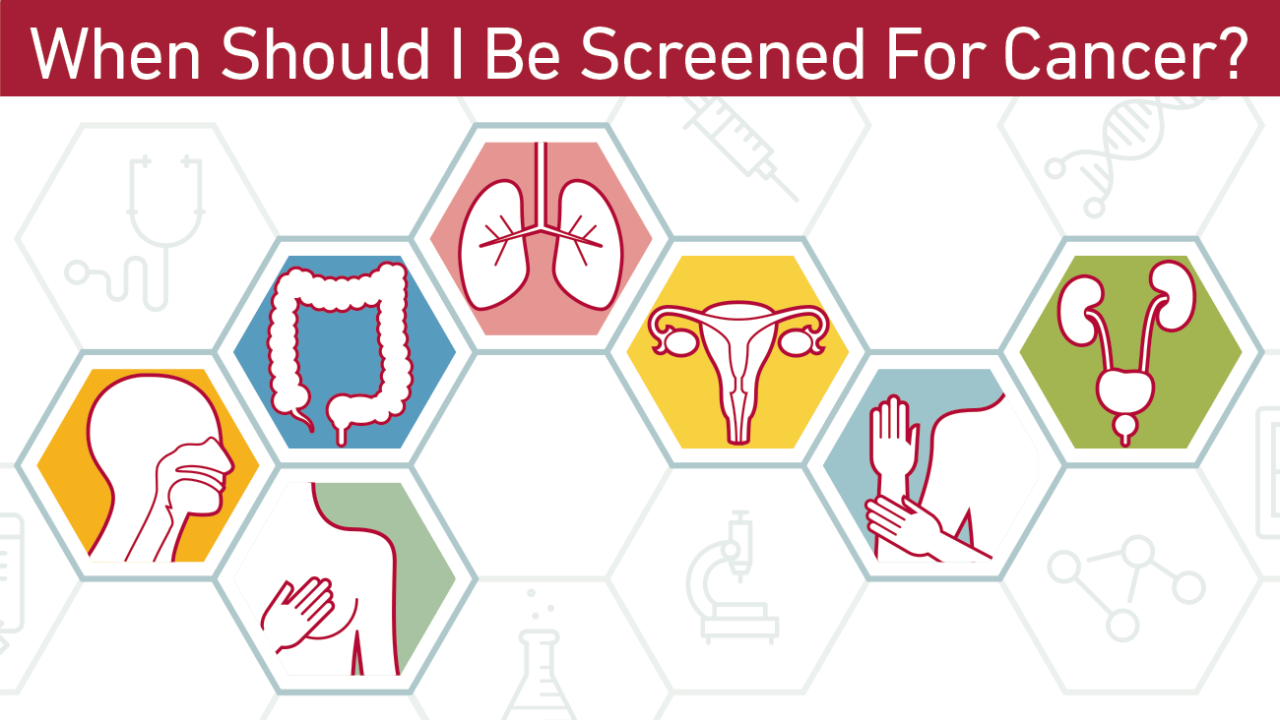
Importance of Preventive Care Screenings for Cancer
Regular preventive care screenings for cancer play a crucial role in early detection, which can significantly improve treatment outcomes and reduce mortality rates. By detecting cancer at an early stage, individuals have a higher chance of successful treatment and recovery.
Impact of Early Detection
Regular screenings can detect cancer before symptoms appear, allowing for prompt intervention and treatment. This early detection often leads to less aggressive treatment options, better prognosis, and improved chances of survival. For example, breast cancer detected early through mammograms has a 5-year survival rate of over 90%.
Statistics on Mortality Rates
According to the American Cancer Society, regular screenings have been shown to reduce mortality rates for breast, colorectal, and cervical cancers. For instance, routine Pap smears have helped decrease cervical cancer deaths by more than 50% over the past 30 years.
Common Cancer Screenings
- For individuals aged 50 and older, regular colonoscopies are recommended to screen for colorectal cancer.
- Women between 40 and 75 years old are advised to have mammograms every 1-2 years to detect breast cancer early.
- Prostate cancer screenings, such as PSA tests, are recommended for men aged 50 and older, or earlier for those at higher risk.
Mental Wellness
Importance of preventive care screenings for cancer – When it comes to preventive care for cancer, mental wellness plays a crucial role in ensuring overall well-being. The connection between mental health and preventive care is undeniable, as a positive mindset and emotional stability can significantly impact the body’s ability to fight off diseases.
Stress Management Techniques
Implementing stress management techniques can complement preventive care strategies by reducing anxiety levels and promoting a sense of calmness. Techniques such as deep breathing exercises, meditation, and yoga can help individuals cope with the emotional challenges that may arise during cancer screenings.
Benefits of Mindfulness Practices
- Mindfulness practices, such as mindfulness meditation, have been shown to reduce stress, improve emotional regulation, and enhance overall mental well-being.
- Engaging in mindfulness practices during cancer screenings can help individuals stay present, manage their emotions effectively, and maintain a positive outlook throughout the process.
- By incorporating mindfulness into their routine, individuals can cultivate resilience and cope better with the uncertainties that come with preventive care screenings.
Role of Mental Health Professionals
Mental health professionals play a critical role in supporting individuals undergoing preventive cancer screenings. They can provide emotional support, guidance, and coping strategies to help individuals navigate the emotional challenges that may arise during the screening process.
Physical Fitness
Regular exercise and maintaining physical fitness play a crucial role in enhancing the effectiveness of preventive care screenings for cancer. By incorporating physical activities into your routine, you can reduce the risk factors associated with various types of cancer and promote overall well-being.
Relationship between Exercise and Cancer Risk Reduction
Regular exercise has been linked to a lower risk of developing certain types of cancer, including breast, colon, and lung cancer. Physical activity helps in maintaining a healthy weight, boosting the immune system, and reducing inflammation in the body, all of which contribute to lowering the chances of cancer development.
- Engaging in aerobic exercises like brisk walking, running, or swimming can improve cardiovascular health and promote better circulation, which is beneficial in reducing cancer risk.
- Strength training exercises help in building muscle mass and increasing metabolism, which can aid in weight management and reducing obesity-related cancer risks.
- Flexibility exercises such as yoga or Pilates can improve overall mobility and reduce stress levels, which are important factors in cancer prevention.
Incorporating Physical Fitness into Preventive Care Plans
It is recommended to aim for at least 150 minutes of moderate-intensity aerobic exercise or 75 minutes of vigorous-intensity exercise per week, along with two or more days of strength training exercises targeting major muscle groups. By setting realistic fitness goals and creating a diverse exercise routine, individuals can improve their overall health and reduce the likelihood of developing cancer.
Healthy Eating: Importance Of Preventive Care Screenings For Cancer
To maintain overall health and well-being, a balanced diet plays a crucial role in conjunction with preventive care for cancer. Proper nutrition not only supports the body’s immune system but also has a significant impact on preventing the development of cancer.
Cancer-Fighting Foods and Benefits
Incorporating cancer-fighting foods into your daily diet can provide numerous benefits in reducing the risk of cancer. Some examples include:
- Cruciferous vegetables such as broccoli, cauliflower, and Brussels sprouts contain compounds that help prevent cancer.
- Berries like blueberries, strawberries, and raspberries are rich in antioxidants that protect cells from damage.
- Fatty fish such as salmon, mackerel, and sardines are high in omega-3 fatty acids, which have anti-inflammatory properties.
- Green tea is known for its high antioxidant content and potential cancer-fighting properties.
Creating a Healthy Eating Plan
To support your preventive care efforts against cancer, consider the following tips for creating a healthy eating plan:
- Include a variety of fruits, vegetables, whole grains, and lean proteins in your meals.
- Avoid processed foods high in sugar, salt, and unhealthy fats.
- Stay hydrated by drinking an adequate amount of water throughout the day.
- Limit alcohol consumption and avoid smoking to further reduce cancer risk.
Preventive Care
Preventive care plays a crucial role in cancer prevention by focusing on early detection and intervention before the disease progresses. It includes regular health check-ups and screenings to identify any potential health issues before they become more serious.
Regular Health Check-ups and Screenings
Regular health check-ups and screenings are essential components of preventive care. These screenings help in detecting cancer at an early stage when it is more treatable. For example, mammograms for breast cancer and colonoscopies for colorectal cancer are recommended screenings that can lead to early detection and improved outcomes.
Early Detection and Treatment
Preventive care measures contribute significantly to the early detection and treatment of cancer. By identifying cancer in its initial stages, medical interventions can be more effective, leading to better survival rates and quality of life for patients. Regular screenings can help catch cancer before symptoms develop, allowing for timely treatment and potentially saving lives.
Cost-Effectiveness of Preventive Care
Preventive care is not only beneficial for health outcomes but also cost-effective in the long run. Early detection through screenings can help avoid expensive cancer treatments that may be required at later stages of the disease. Investing in preventive care measures can lead to savings in healthcare costs and improved overall well-being for individuals.
Balanced Diet
Eating a balanced diet plays a crucial role in cancer prevention and overall health. A balanced diet consists of a variety of nutrients that support the body’s functions and help boost immunity.
Components of a Balanced Diet for Cancer Prevention
- Include a variety of fruits and vegetables rich in vitamins, minerals, and antioxidants.
- Incorporate whole grains like brown rice, quinoa, and whole wheat for fiber and essential nutrients.
- Include lean proteins such as poultry, fish, beans, and nuts for muscle health and repair.
- Incorporate healthy fats from sources like avocados, olive oil, and nuts for heart health.
- Adequate hydration is also essential for overall health and proper body functioning.
How a Balanced Diet Supports Overall Health and Immunity
A balanced diet provides the necessary nutrients to support the immune system, reducing the risk of infections and diseases. Nutrient-rich foods help maintain a healthy weight, support organ function, and promote overall well-being.
Tips on Meal Planning and Portion Control
- Plan meals ahead of time to ensure a variety of nutrients are included in your diet.
- Use smaller plates to control portion sizes and avoid overeating.
- List down your grocery items and stick to your shopping list to avoid impulse buys.
- Practice mindful eating by savoring each bite and listening to your body’s hunger cues.
Examples of Food Groups Essential for a Balanced Diet
| Food Group | Examples |
|---|---|
| Fruits and Vegetables | Spinach, berries, broccoli, carrots |
| Whole Grains | Quinoa, brown rice, whole wheat bread |
| Lean Proteins | Chicken, fish, tofu, lentils |
| Healthy Fats | Avocado, olive oil, nuts, seeds |
Regular Exercise
Regular exercise plays a crucial role in reducing the risk of cancer and promoting overall health and well-being. By incorporating physical activity into your daily routine, you can significantly lower the chances of developing various types of cancer.
Benefits of Regular Exercise in Reducing Cancer Risk
- Regular exercise helps to maintain a healthy weight, reducing the risk of obesity, which is a known risk factor for many types of cancer.
- Physical activity boosts the immune system, making it more effective in fighting off cancer cells.
- Exercise can help regulate hormone levels in the body, reducing the risk of hormone-related cancers such as breast and prostate cancer.
Recommended Frequency and Intensity of Exercise for Cancer Prevention
- The American Cancer Society recommends at least 150 minutes of moderate-intensity exercise or 75 minutes of vigorous-intensity exercise per week for cancer prevention.
- It is important to vary the intensity of exercise to challenge the body and reap maximum benefits.
- Strength training exercises should also be included at least twice a week to improve muscle strength and overall fitness.
Examples of Exercise Routines for Daily Preventive Care
- Brisk walking or jogging for cardiovascular health.
- Yoga or Pilates for flexibility and stress relief.
- Interval training or HIIT workouts for a combination of cardio and strength training.
Tips for Staying Motivated to Maintain a Consistent Exercise Routine
- Set specific and achievable fitness goals to track your progress and stay motivated.
- Find a workout buddy or join group fitness classes to stay accountable and make exercise more enjoyable.
- Mix up your routine to prevent boredom and keep things interesting.
- Reward yourself for reaching milestones to reinforce positive behavior and maintain motivation.
Mental Health
Maintaining good mental health is crucial for overall well-being and can also play a significant role in cancer prevention efforts. Mental health disorders can impact preventive care behaviors, making individuals less likely to engage in screenings or follow recommended healthcare guidelines.
Impact of Mental Health on Preventive Care
Mental health disorders such as anxiety, depression, and stress can lead to a lack of motivation or interest in taking care of one’s health. This can result in neglecting preventive care screenings for cancer and other illnesses, ultimately increasing the risk of late-stage diagnoses.
Strategies for Improving Mental Health
- Practice stress-reducing techniques such as mindfulness meditation or yoga.
- Stay physically active as exercise can help improve mood and reduce symptoms of anxiety and depression.
- Seek professional help from therapists, counselors, or support groups to address underlying mental health issues.
- Ensure an adequate amount of sleep each night as lack of sleep can negatively impact mental well-being.
Resources for Managing Mental Health during Preventive Care
It’s important to prioritize your mental health during preventive care screenings for cancer. Here are some resources to help you manage your mental well-being:
- National Alliance on Mental Illness (NAMI) Helpline: 1-800-950-NAMI (6264)
- Online therapy platforms such as BetterHelp or Talkspace for convenient access to mental health professionals.
- Local support groups for individuals dealing with mental health challenges.
- Speak to your primary care physician for referrals to mental health specialists if needed.
Holistic Wellness
Holistic wellness encompasses the idea of treating the whole person, including the mind, body, and spirit, to achieve optimal health and well-being. When it comes to preventive care for cancer, holistic approaches play a vital role in promoting overall wellness and reducing the risk of developing cancer.
Complementary Holistic Approaches
- Engaging in mindfulness practices such as meditation and yoga can help reduce stress levels, which in turn can lower inflammation and improve immune function, potentially reducing the risk of cancer.
- Acupuncture and massage therapy can help improve circulation and promote relaxation, contributing to overall well-being during cancer screenings.
- Following a balanced diet rich in fruits, vegetables, whole grains, and lean proteins can provide essential nutrients that support the body’s natural defense mechanisms against cancer.
Integration into Preventive Care Plan
- Collaborating with healthcare providers who embrace holistic approaches can ensure a comprehensive preventive care plan that addresses not only physical health but also mental and emotional well-being.
- Incorporating regular exercise, adequate sleep, and stress management techniques into daily routines can further enhance the effectiveness of cancer screenings and preventive care measures.
Chronic Diseases
Chronic diseases are long-term conditions that typically progress slowly over time and may require ongoing medical attention. These diseases can significantly impact an individual’s overall health and well-being, increasing the risk of developing other serious health complications, including cancer.
Link between Chronic Diseases and Cancer Risk
Chronic diseases such as diabetes, cardiovascular disease, and chronic obstructive pulmonary disease (COPD) can contribute to an increased risk of developing cancer. For example, individuals with diabetes have a higher likelihood of developing certain types of cancer, such as pancreatic, liver, colorectal, and breast cancer. Similarly, conditions like obesity and hypertension associated with chronic diseases can also elevate the risk of cancer.
Preventive Care Strategies for Managing Chronic Conditions and Reducing Cancer Susceptibility
Implementing preventive care strategies is crucial in managing chronic conditions and reducing the risk of cancer. This includes maintaining a healthy lifestyle through regular exercise, balanced diet, and avoiding tobacco and excessive alcohol consumption. Proper management of chronic diseases through medication adherence, routine check-ups, and monitoring can also help lower the risk of cancer development.
Early Detection of Chronic Diseases through Screenings for Cancer Prevention
Regular screenings for chronic diseases, such as blood pressure checks, cholesterol screenings, and blood glucose tests, can aid in the early detection and management of these conditions. By identifying potential health issues early on, individuals can take proactive steps to prevent complications, including cancer. Screening tests for cancer, such as mammograms, colonoscopies, and Pap smears, can also help in detecting cancer at an early and more treatable stage.
Examples of Chronic Diseases Increasing Cancer Risk
Examples of chronic diseases that may heighten the risk of developing cancer include:
– Diabetes: Increases the risk of pancreatic, liver, colorectal, and breast cancer.
– Obesity: Linked to an increased risk of developing cancers such as breast, colorectal, and prostate cancer.
– Cardiovascular Disease: Associated with a higher likelihood of developing cancers like lung and kidney cancer.
– Chronic Obstructive Pulmonary Disease (COPD): Raises the risk of lung cancer due to long-term damage to the lungs from smoking and other factors.
Immunity Boosters
Immunity boosters play a crucial role in cancer prevention by enhancing the body’s ability to defend against cancer cells. A strong immune system is essential for overall health and can significantly reduce the risk of developing cancer.
Natural Immunity-Boosting Foods
- Eat a variety of colorful fruits and vegetables rich in vitamins, minerals, and antioxidants.
- Incorporate garlic, ginger, turmeric, and green tea into your diet for their immune-boosting properties.
- Include probiotic-rich foods like yogurt and kefir to promote gut health, which is linked to a strong immune system.
Immunity-Boosting Supplements, Importance of preventive care screenings for cancer
- Consider taking vitamin C, vitamin D, zinc, and echinacea supplements to support immune function.
- Consult with a healthcare provider before starting any new supplements to ensure they are safe and effective for you.
Lifestyle Habits for Immune Health
- Get regular exercise to boost circulation and immune function.
- Adequate sleep is crucial for a healthy immune system, aim for 7-9 hours of quality sleep each night.
- Manage stress through relaxation techniques like meditation, yoga, or deep breathing exercises.
Incorporating Immunity Boosters into Your Routine
Start by making small changes to your diet and lifestyle to include more immunity-boosting foods, supplements, and habits. Focus on building a strong foundation for your immune system to protect against cancer and other illnesses.
Question Bank
How often should I undergo preventive care screenings for cancer?
It is recommended to follow the screening guidelines based on your age, risk factors, and family history. Consult with your healthcare provider for personalized recommendations.
Are preventive care screenings for cancer covered by insurance?
Many insurance plans cover preventive care services, including cancer screenings. Check with your insurance provider to understand your coverage.
What are some common signs that indicate the need for preventive care screenings?
Symptoms such as unexplained weight loss, persistent fatigue, changes in bowel habits, or unusual lumps should prompt you to schedule a screening with your healthcare provider.
Can preventive care screenings detect all types of cancer?
While screenings are effective for detecting certain types of cancer, they may not identify every form. It is essential to discuss your risk factors and screening options with a healthcare professional.
How can I prepare for a preventive care screening for cancer?
Follow any preparation instructions provided by your healthcare provider, such as fasting before a blood test or avoiding certain medications. Be sure to communicate any concerns or questions you may have beforehand.