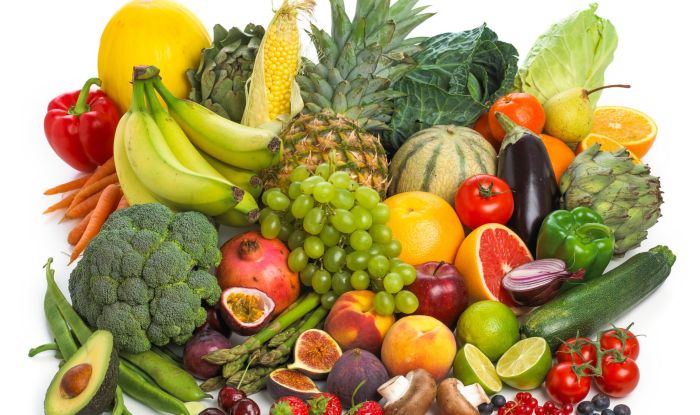
How to Incorporate Fruits and Vegetables in a Balanced Diet

How to incorporate fruits and vegetables in a balanced diet

How to incorporate fruits and vegetables in a balanced diet is a question many of us grapple with. It’s not just about eating healthy; it’s about feeling energized, boosting your immune system, and potentially lowering your risk of chronic diseases.

The key is to make these nutrient-rich foods a regular part of your meals and snacks, and it’s easier than you might think.

This guide will walk you through the process, offering tips on how to seamlessly integrate fruits and vegetables into your daily routine. We’ll explore strategies for overcoming common challenges, including time constraints and budget limitations. You’ll discover creative ways to incorporate these essential foods into your breakfast, lunch, and dinner, along with healthy snack options that satisfy your cravings.

The Importance of Fruits and Vegetables

How to incorporate fruits and vegetables in a balanced diet

Fruits and vegetables are essential components of a balanced diet. They are packed with nutrients that are vital for maintaining good health and preventing chronic diseases. Incorporating a variety of fruits and vegetables into your daily meals is crucial for overall well-being.

Nutritional Value of Fruits and Vegetables

Fruits and vegetables are rich sources of essential vitamins, minerals, antioxidants, and fiber. They provide a wide range of nutrients that our bodies need to function properly.

  • Vitamins:Fruits and vegetables are excellent sources of vitamins, including vitamin C, vitamin A, folate, and vitamin K. These vitamins play crucial roles in immune function, vision, cell growth and development, and blood clotting.
  • Minerals:Fruits and vegetables are also rich in minerals such as potassium, magnesium, calcium, and iron. These minerals are essential for maintaining healthy bones, regulating blood pressure, and supporting muscle function.
  • Antioxidants:Fruits and vegetables contain antioxidants, which protect our cells from damage caused by free radicals. Free radicals can contribute to aging and chronic diseases. Antioxidants help neutralize these harmful molecules.
  • Fiber:Fruits and vegetables are good sources of dietary fiber, which is essential for digestive health. Fiber helps regulate bowel movements, lowers cholesterol levels, and promotes feelings of fullness.

Health Benefits of Fruits and Vegetables

Consuming a diet rich in fruits and vegetables has numerous health benefits, including:

  • Reduced risk of chronic diseases:Studies have shown that a diet high in fruits and vegetables is associated with a lower risk of developing chronic diseases such as heart disease, stroke, type 2 diabetes, and some types of cancer.
  • Improved heart health:Fruits and vegetables are low in saturated fat and cholesterol, and they are rich in potassium, which helps regulate blood pressure. These factors contribute to improved heart health.
  • Weight management:Fruits and vegetables are naturally low in calories and high in fiber, which helps promote feelings of fullness and can aid in weight management.
  • Enhanced immune function:The vitamins and antioxidants in fruits and vegetables support a healthy immune system, helping the body fight off infections and diseases.
  • Improved digestion:The fiber in fruits and vegetables promotes regular bowel movements and helps prevent constipation.
  • Improved skin health:Some fruits and vegetables contain antioxidants that can protect the skin from damage caused by the sun and pollution.

Prevention and Management of Chronic Diseases

Fruits and vegetables play a vital role in preventing and managing chronic diseases.

  • Heart disease:A diet rich in fruits and vegetables can help lower blood pressure, reduce cholesterol levels, and improve blood flow, all of which contribute to a healthy heart.
  • Stroke:Fruits and vegetables contain antioxidants that can protect blood vessels from damage, reducing the risk of stroke.
  • Type 2 diabetes:Fruits and vegetables are low in calories and high in fiber, which can help regulate blood sugar levels and prevent the development of type 2 diabetes.
  • Cancer:Some studies have shown that a diet high in fruits and vegetables may reduce the risk of certain types of cancer, such as colorectal, breast, and lung cancer.

Incorporating Fruits and Vegetables into Meals: How To Incorporate Fruits And Vegetables In A Balanced Diet

Fruits and vegetables are essential for a healthy diet. They are packed with vitamins, minerals, and fiber, which are all crucial for maintaining good health. To make sure you are getting enough fruits and vegetables, it is important to incorporate them into every meal.

Incorporating Fruits and Vegetables into Breakfast

Start your day with a healthy and delicious breakfast that includes fruits and vegetables. There are many creative ways to do this.

  • Add sliced bananas, strawberries, or blueberries to your oatmeal or yogurt.
  • Make a smoothie with spinach, kale, or other leafy greens, along with your favorite fruits.
  • Try an omelet or frittata with chopped bell peppers, onions, and mushrooms.
  • Enjoy a whole-wheat toast with avocado and a sprinkle of red pepper flakes.

Incorporating Fruits and Vegetables into Lunch

Lunch is a great opportunity to get a good dose of fruits and vegetables.

  • Pack a salad with a variety of leafy greens, colorful vegetables, and a light dressing.
  • Make a sandwich on whole-wheat bread with sliced tomatoes, cucumbers, and sprouts.
  • Enjoy a bowl of lentil soup with a side of whole-wheat bread and a fruit salad.
  • Prepare a wrap with hummus, roasted vegetables, and your favorite greens.

Incorporating Fruits and Vegetables into Dinner

Dinner is a great time to experiment with different fruits and vegetables.

  • Roast a whole chicken with root vegetables like carrots, potatoes, and onions.
  • Prepare a stir-fry with a variety of vegetables, tofu, or chicken.
  • Make a vegetarian chili with beans, corn, and other vegetables.
  • Enjoy a pasta dish with a tomato-based sauce and plenty of fresh herbs.

Sample Weekly Meal Plan

Here is a sample weekly meal plan that includes a variety of fruits and vegetables:

Day Breakfast Lunch Dinner
Monday Oatmeal with blueberries and sliced bananas Tuna salad sandwich on whole-wheat bread with lettuce and tomato Chicken stir-fry with broccoli, carrots, and bell peppers
Tuesday Spinach and berry smoothie Lentil soup with whole-wheat bread and a fruit salad Vegetarian chili with beans, corn, and other vegetables
Wednesday Omelet with bell peppers, onions, and mushrooms Salad with leafy greens, tomatoes, cucumbers, and a light dressing Salmon with roasted asparagus and sweet potatoes
Thursday Whole-wheat toast with avocado and red pepper flakes Hummus wrap with roasted vegetables and greens Pasta with tomato sauce and fresh herbs
Friday Yogurt with sliced strawberries and a sprinkle of granola Chicken Caesar salad with romaine lettuce, parmesan cheese, and croutons Pizza with vegetables and a whole-wheat crust
Saturday Fruit salad with yogurt and granola Leftover pizza Grilled chicken with a side of steamed broccoli and quinoa
Sunday Pancakes with fresh berries and a drizzle of maple syrup Leftover chicken with quinoa and broccoli Soup and salad

Easy and Creative Recipes

Here are some easy and creative recipes that feature fruits and vegetables as key ingredients:

  • Fruit Salsa: Combine chopped mango, pineapple, and strawberries with lime juice and a touch of chili powder for a refreshing and flavorful salsa.
  • Vegetable Fritters: Grate zucchini, carrots, and sweet potatoes, then combine with flour, eggs, and spices to make delicious and healthy fritters.
  • Rainbow Veggie Skewers: Thread colorful vegetables like bell peppers, zucchini, cherry tomatoes, and onions onto skewers for a visually appealing and nutritious side dish.
  • Fruit and Yogurt Parfaits: Layer yogurt, granola, and your favorite fruits in a glass for a quick and easy breakfast or snack.
  • Roasted Vegetable Soup: Roast a variety of vegetables like carrots, onions, celery, and potatoes, then blend them into a creamy and flavorful soup.

Making Healthy Choices

Choosing the right fruits and vegetables can make a significant difference in your overall health and well-being. While all fruits and vegetables are beneficial, some stand out for their unique nutritional profiles. Understanding the nutritional differences between various fruits and vegetables empowers you to make informed choices for a balanced diet.

Comparing Nutritional Profiles, How to incorporate fruits and vegetables in a balanced diet

Different fruits and vegetables offer a wide range of vitamins, minerals, and antioxidants. Understanding these variations allows you to create a diverse and balanced diet.

  • Vitamin C:Citrus fruits like oranges, grapefruits, and lemons are excellent sources of vitamin C, a powerful antioxidant that supports immune function and collagen production. Berries, such as strawberries, blueberries, and raspberries, are also rich in vitamin C, contributing to overall health and well-being.

  • Potassium:Bananas, avocados, and sweet potatoes are rich in potassium, an essential mineral that helps regulate blood pressure and supports muscle function. Leafy green vegetables, such as spinach and kale, also provide a significant amount of potassium.
  • Fiber:Fruits and vegetables are excellent sources of dietary fiber, which promotes digestive health, helps regulate blood sugar levels, and contributes to feelings of fullness. Apples, pears, broccoli, and Brussels sprouts are particularly high in fiber.
  • Antioxidants:Many fruits and vegetables contain antioxidants, which protect cells from damage caused by free radicals. Berries, especially blueberries and strawberries, are known for their high antioxidant content, along with leafy green vegetables like spinach and kale.

Choosing Fresh, Seasonal Produce

Fresh, seasonal produce offers the most nutritional value and flavor.

  • Peak Nutrition:When fruits and vegetables are in season, they are at their peak of freshness and nutritional value. This means they have the highest concentration of vitamins, minerals, and antioxidants.
  • Flavor Enhancement:Seasonal produce tastes better because it is grown in its natural environment and harvested at its peak ripeness.
  • Environmental Sustainability:Buying local, seasonal produce reduces transportation distances and carbon footprint, promoting sustainable practices.

Frozen and Canned Fruits and Vegetables

Frozen and canned fruits and vegetables offer convenient and accessible options for incorporating these nutrients into your diet.

  • Convenience:Frozen and canned fruits and vegetables are readily available, offering a convenient option for busy individuals or when fresh produce is not in season.
  • Nutritional Value:While some nutrients may be lost during processing, frozen and canned fruits and vegetables still retain significant nutritional value, particularly vitamins and minerals.
  • Drawbacks:Frozen and canned fruits and vegetables may contain added sugars, salt, or preservatives. It’s important to read labels carefully and choose options with minimal added ingredients.

Overcoming Barriers

It’s understandable that incorporating more fruits and vegetables into your diet can feel challenging. Time constraints, budget limitations, and lack of variety are common hurdles. However, with some practical strategies, you can overcome these obstacles and make healthy eating a sustainable habit.

Addressing Time Constraints

Time is a precious resource, and fitting in grocery shopping, meal prep, and cooking can seem daunting. However, there are ways to streamline the process:

  • Plan Ahead:Dedicate a few minutes each week to plan your meals and create a grocery list. This will help you avoid impulsive purchases and ensure you have the ingredients you need.
  • Batch Cook:Prepare large batches of fruits and vegetables that can be used in various dishes throughout the week. For example, roast a pan of vegetables or chop a large batch of fruits for smoothies.
  • Make it Easy:Keep pre-washed and pre-cut fruits and vegetables readily available in your fridge. This can be a time-saver when you’re short on time.

Managing Budget Limitations

While fresh produce can be expensive, there are cost-effective ways to enjoy fruits and vegetables:

  • Seasonal Choices:Buy fruits and vegetables that are in season. They are typically cheaper and more flavorful.
  • Frozen Options:Frozen fruits and vegetables are often more affordable and have a longer shelf life. They are just as nutritious as fresh options.
  • Shop Smart:Look for sales and discounts at your local grocery store. Consider buying in bulk if you have the space to store them.

Expanding Variety

Sticking to the same fruits and vegetables can lead to boredom and make it harder to maintain a healthy diet. Here are some tips for adding variety:

  • Explore New Produce:Visit farmers’ markets or specialty grocery stores to discover new fruits and vegetables. Try incorporating them into your favorite recipes or experimenting with new dishes.
  • Get Creative:There are countless ways to prepare fruits and vegetables. Try grilling, roasting, sautéing, or adding them to smoothies, salads, or stir-fries.
  • Seek Inspiration:Look for healthy recipes online or in cookbooks. Many websites and resources offer delicious and creative ways to incorporate fruits and vegetables into your meals.

Gradually Increasing Fruit and Vegetable Consumption

Making significant dietary changes overnight can be overwhelming. Here’s a step-by-step guide to gradually increase your fruit and vegetable intake:

  1. Start Small:Begin by adding one extra serving of fruits or vegetables to your daily diet. For example, have a piece of fruit for breakfast or add a cup of vegetables to your lunch.
  2. Focus on Variety:Aim to consume a variety of colors and types of fruits and vegetables. Each color group offers unique nutrients and antioxidants.
  3. Track Your Progress:Keep a food diary or use a tracking app to monitor your fruit and vegetable intake. This can help you identify areas for improvement and celebrate your progress.
  4. Make It a Habit:Once you’ve established a pattern of incorporating more fruits and vegetables, make it a permanent part of your lifestyle.

Beyond the Plate
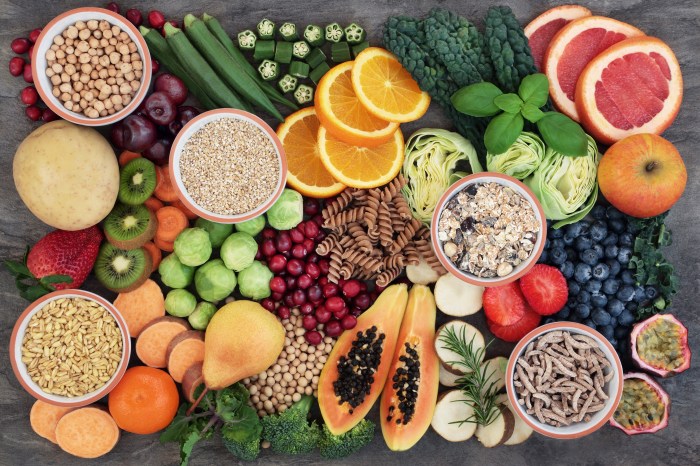
How to incorporate fruits and vegetables in a balanced diet

Fruits and vegetables are not just for meals; they can be incorporated into snacks and desserts too. They also play a vital role in maintaining overall health and well-being.

Incorporating Fruits and Vegetables into Snacks and Desserts

Fruits and vegetables can be enjoyed as healthy snacks or incorporated into desserts. This can be done in various ways:

  • Fruit Salad:Combine different fruits like berries, melon, and citrus fruits for a refreshing and nutritious snack.
  • Vegetable Sticks:Cut vegetables like carrots, celery, and cucumbers into sticks and serve with hummus or guacamole.
  • Smoothies:Blend fruits and vegetables with yogurt, milk, or water for a quick and easy snack or meal replacement.
  • Fruit-Based Desserts:Use fruits like apples, pears, or bananas as a base for baked desserts like pies, crisps, or muffins.
  • Vegetable-Based Desserts:Incorporate vegetables like zucchini, carrots, or beets into cakes, brownies, or cookies for added nutrients and flavor.

Preparing and Storing Fruits and Vegetables

Proper preparation and storage are essential for maintaining the freshness and nutritional value of fruits and vegetables.

  • Washing:Wash fruits and vegetables thoroughly under running water before consuming or preparing them.
  • Storing:Store fruits and vegetables in the refrigerator or a cool, dry place. Some fruits, like bananas, ripen better at room temperature.
  • Freezing:Freeze fruits and vegetables to preserve them for longer periods. Blanching vegetables before freezing helps retain their texture and nutrients.

Physical Activity and Lifestyle Factors

Physical activity is crucial for maintaining overall health and well-being.

  • Regular Exercise:Aim for at least 150 minutes of moderate-intensity aerobic activity or 75 minutes of vigorous-intensity aerobic activity per week.
  • Strength Training:Include strength training exercises at least twice a week to build muscle mass and improve bone density.
  • Sleep:Aim for 7-8 hours of quality sleep per night. Sleep is essential for physical and mental recovery.
  • Stress Management:Practice stress management techniques like yoga, meditation, or deep breathing exercises.

Related Concepts

A balanced diet, rich in fruits and vegetables, is not just about fueling your body; it’s a foundation for overall well-being, encompassing physical fitness, disease prevention, and mental health.

Physical Fitness and Balanced Diet

A balanced diet provides the necessary nutrients to support physical activity. Fruits and vegetables are packed with vitamins, minerals, and fiber, which contribute to energy production, muscle recovery, and overall physical performance. For example, iron from leafy greens is essential for red blood cell production, which carries oxygen to muscles.

Disease Prevention and Balanced Diet

A diet abundant in fruits and vegetables is a cornerstone of disease prevention. These foods are rich in antioxidants, which combat free radicals that damage cells and contribute to chronic diseases. For instance, studies have shown that a diet high in fruits and vegetables is linked to a lower risk of heart disease, stroke, type 2 diabetes, and certain cancers.

Preventive Care and Regular Checkups

While a balanced diet is crucial, it’s equally important to engage in preventive care. Regular checkups with healthcare professionals help detect health issues early, allowing for timely intervention and improving treatment outcomes. For instance, routine blood tests can monitor cholesterol levels, indicating the risk of heart disease, while mammograms can detect breast cancer in its early stages.

Mental Health and Balanced Diet

The connection between diet and mental health is increasingly recognized. Fruits and vegetables contain nutrients that support brain function and mood regulation. For instance, omega-3 fatty acids found in fatty fish, walnuts, and flaxseeds are known to improve cognitive function and reduce the risk of depression.

Final Wrap-Up

By incorporating fruits and vegetables into your diet, you’re taking a proactive step towards a healthier, more vibrant life. Remember, it’s not about perfection but about progress. Start with small changes and gradually increase your intake. Experiment with new recipes, explore seasonal produce, and most importantly, enjoy the delicious and nourishing benefits of a balanced diet.

Detailed FAQs

What are some easy ways to add fruits and vegetables to my breakfast?

Start your day with a smoothie packed with fruits and leafy greens. You can also add sliced fruit to your oatmeal or yogurt, or enjoy a breakfast bowl with chopped vegetables and a poached egg.

How can I make vegetables more appealing to my kids?

Get creative with presentation! Cut vegetables into fun shapes, serve them with dips like hummus or guacamole, or incorporate them into dishes like pasta or pizza.

Is it better to eat fresh, frozen, or canned fruits and vegetables?

Fresh produce is ideal, but frozen and canned options can be just as nutritious. Choose low-sodium canned options and opt for frozen fruits and vegetables without added sugars.

What are some tips for making healthy snack choices?

Keep a bowl of fresh fruit on hand, pack vegetable sticks with hummus, or enjoy a handful of nuts and seeds. These snacks provide essential nutrients and keep you feeling satisfied between meals.

Role of nutrition in managing chronic diseases: A Key to Health

Role of nutrition in managing chronic diseases

Role of Nutrition in Managing Chronic Diseases

Nutrition plays a crucial role in managing chronic diseases by influencing various aspects of our health. The connection between nutrition and chronic diseases is evident, as poor dietary choices can exacerbate symptoms and lead to the progression of certain conditions.

Examples of Chronic Diseases Managed Through Nutrition

  • Diabetes: Proper management of carbohydrate intake and monitoring blood sugar levels can help control diabetes.
  • Heart Disease: A diet low in saturated fats and high in fruits, vegetables, and whole grains can reduce the risk of heart disease.
  • Hypertension: Limiting sodium intake and consuming foods rich in potassium can help manage hypertension.

Impact of a Balanced Diet on Preventing and Managing Chronic Conditions

A balanced diet, rich in nutrients such as vitamins, minerals, antioxidants, and fiber, can help prevent the onset of chronic diseases and manage existing conditions. By providing the body with essential nutrients, a balanced diet supports overall health and strengthens the immune system, reducing the risk of complications associated with chronic diseases.

Specific Nutrients for Managing Symptoms of Chronic Diseases

  • Omega-3 Fatty Acids: Found in fatty fish, flaxseeds, and walnuts, omega-3 fatty acids have anti-inflammatory properties that can help reduce inflammation in conditions like arthritis.
  • Vitamin D: Essential for bone health, vitamin D can also play a role in managing symptoms of autoimmune diseases like multiple sclerosis.
  • Fiber: Found in fruits, vegetables, and whole grains, fiber can aid in digestion and help regulate blood sugar levels in conditions like diabetes.

Mental Wellness

Role of nutrition in managing chronic diseases
Proper nutrition plays a crucial role in maintaining mental well-being. The food we eat can significantly impact our mood, cognitive function, and overall mental health.

Nutrition and Mental Health

A balanced diet rich in nutrients like vitamins, minerals, and antioxidants is essential for supporting brain function and mental well-being. Certain foods have been found to have a positive impact on mental health due to their nutrient content.

  • Fatty Fish: Fish like salmon, mackerel, and sardines are high in omega-3 fatty acids, which are important for brain health and can help reduce symptoms of depression and anxiety.
  • Leafy Greens: Vegetables like spinach, kale, and broccoli are rich in vitamins and minerals that support cognitive function and may help reduce the risk of mental health disorders.
  • Nuts and Seeds: Almonds, walnuts, chia seeds, and flaxseeds are good sources of healthy fats, vitamins, and minerals that can benefit brain health and improve mood.

Omega-3 Fatty Acids and Mental Well-Being

Omega-3 fatty acids are essential fats that play a key role in brain function and mental health. These fats are found in high amounts in fatty fish, flaxseeds, chia seeds, and walnuts. Research suggests that omega-3 fatty acids may help reduce symptoms of depression, anxiety, and other mental health conditions by supporting neurotransmitter function and reducing inflammation in the brain.

Physical Fitness

Proper nutrition is essential for achieving and maintaining physical fitness. The food we consume provides the energy and nutrients needed to support our physical activities and overall health.

Role of Nutrition in Physical Fitness

Nutrition plays a crucial role in physical fitness by providing the necessary fuel for exercise and supporting muscle growth and recovery. A well-balanced diet consisting of carbohydrates, proteins, fats, vitamins, and minerals is essential for optimal performance.

  • Carbohydrates: Carbohydrates are the body’s primary source of energy, especially during high-intensity exercise. Including complex carbohydrates like whole grains, fruits, and vegetables in your diet can help sustain energy levels during workouts.
  • Proteins: Proteins are important for muscle repair and growth. Foods rich in lean protein such as chicken, fish, tofu, and legumes can help maintain muscle mass and support recovery after exercise.
  • Fats: Healthy fats are necessary for overall health and can provide sustained energy during endurance activities. Incorporating sources of unsaturated fats like nuts, seeds, and avocado can benefit physical performance.
  • Vitamins and Minerals: Essential vitamins and minerals play a key role in various bodily functions, including metabolism and muscle function. Consuming a variety of fruits, vegetables, and whole grains can help meet these nutrient needs.

Hydration and Nutrition for Physical Fitness

Hydration is closely linked to nutrition when it comes to physical fitness. Proper hydration is essential for regulating body temperature, transporting nutrients, and maintaining performance during exercise. It is important to drink an adequate amount of water before, during, and after physical activity to prevent dehydration and optimize performance.

Remember, fueling your body with the right nutrients and staying properly hydrated are key components of achieving and sustaining physical fitness.

Healthy Eating

Maintaining a healthy diet is crucial for overall well-being and managing chronic diseases. A balanced and nutritious diet can provide essential nutrients to support the body’s functions and help prevent various health conditions.

Components of a Healthy Diet

  • Include a variety of fruits and vegetables to ensure intake of essential vitamins, minerals, and antioxidants.
  • Incorporate whole grains like brown rice, quinoa, and whole wheat bread for fiber, energy, and nutrients.
  • Choose lean protein sources such as poultry, fish, beans, and nuts to support muscle growth and repair.
  • Incorporate healthy fats like avocados, olive oil, and nuts for heart health and brain function.
  • Avoid processed foods high in added sugars, salt, and unhealthy fats to reduce the risk of chronic diseases.

Benefits of Whole Foods

Whole foods, which are minimally processed and close to their natural state, offer numerous benefits:

  • Higher nutrient content compared to processed foods, providing essential vitamins, minerals, and antioxidants.
  • Fiber content in whole foods supports digestion, promotes satiety, and helps regulate blood sugar levels.
  • Lower risk of chronic diseases such as heart disease, diabetes, and certain cancers due to the absence of harmful additives.
  • Improved overall health and well-being, including better energy levels, mood, and cognitive function.

Tips for Maintaining a Balanced Diet

  • Plan your meals ahead of time to ensure a variety of nutrients and prevent impulsive unhealthy choices.
  • Practice portion control to avoid overeating and maintain a healthy weight.
  • Stay hydrated by drinking an adequate amount of water throughout the day.
  • List down your weekly grocery items and stick to your list to avoid unnecessary purchases.

Meal Planning for Healthy Eating, Role of nutrition in managing chronic diseases

Meal planning can help you make healthier choices and save time and money. Consider the following tips:

  • Choose recipes that include a balance of protein, carbohydrates, and fats for a well-rounded meal.
  • Prepare meals in advance and portion them out to avoid relying on convenience foods or takeout.
  • Include a variety of colors in your meals by incorporating different fruits and vegetables for a wide range of nutrients.
  • Experiment with new ingredients and recipes to keep your meals exciting and prevent boredom with your diet.

Preventive Care

Proper nutrition plays a crucial role in preventive care against chronic diseases. By making healthy food choices and maintaining a balanced diet, individuals can significantly reduce their risk of developing various health conditions.

Role of Antioxidants

Antioxidants are essential compounds that help protect the body against illnesses by neutralizing harmful free radicals. These free radicals can cause oxidative stress, leading to cell damage and increasing the risk of chronic diseases such as cancer and heart disease. Consuming foods rich in antioxidants can help combat these effects and support overall health.

  • Berries: Blueberries, strawberries, and raspberries are excellent sources of antioxidants such as vitamin C and flavonoids.
  • Leafy Greens: Spinach, kale, and Swiss chard are packed with antioxidants like vitamins A, C, and K.
  • Nuts and Seeds: Almonds, walnuts, and chia seeds contain antioxidants like vitamin E and selenium.

Immunity-Boosting Foods

A strong immune system is vital for preventing infections and diseases. Certain foods can help boost immunity and support preventive care by providing essential nutrients and vitamins that enhance immune function.

  • Citrus Fruits: Oranges, lemons, and grapefruits are rich in vitamin C, which is known to strengthen the immune system.
  • Garlic: Garlic contains allicin, a compound with immune-boosting properties that can help fight off infections.
  • Yogurt: Probiotics found in yogurt support gut health, which is closely linked to immune function.

Impact of Dietary Habits

Maintaining healthy dietary habits can play a significant role in preventing the onset of certain conditions such as obesity, diabetes, and cardiovascular diseases. By avoiding processed foods high in sugar, salt, and unhealthy fats, individuals can lower their risk of developing these chronic conditions.

Balanced Diet

A balanced diet refers to consuming the right amount of nutrients that your body needs to function properly. This includes a mix of carbohydrates, proteins, fats, vitamins, and minerals in the right proportions.

Importance of Consuming a Variety of Nutrients

Consuming a variety of nutrients is crucial for maintaining overall health and well-being. Each nutrient plays a unique role in the body, and deficiencies can lead to various health problems. For example, vitamin C is essential for a healthy immune system, while calcium is crucial for strong bones and teeth. By including a variety of nutrients in your diet, you can ensure that your body gets everything it needs to function optimally.

  • Include a colorful array of fruits and vegetables in your meals to get a wide range of vitamins and minerals.
  • Incorporate lean proteins such as chicken, fish, and legumes to meet your protein requirements.
  • Choose whole grains like brown rice, quinoa, and whole-wheat bread for fiber and essential nutrients.
  • Don’t forget healthy fats like avocados, nuts, and olive oil to support brain health and hormone production.

Remember, a balanced diet is not about restricting yourself, but rather about making informed choices that benefit your overall health.

Impact of a Balanced Diet on Health and Well-being

Consuming a balanced diet has numerous benefits for your health and well-being. It can help prevent chronic diseases such as heart disease, diabetes, and obesity. Additionally, a balanced diet can improve your energy levels, mood, and cognitive function. By fueling your body with the right nutrients, you can enhance your quality of life and reduce the risk of developing health issues in the future.

Regular Exercise

Regular exercise is a crucial component of a healthy lifestyle, and when combined with proper nutrition, it can optimize overall health and well-being. Nutrition plays a key role in supporting physical activity by providing the necessary fuel and nutrients for the body to perform at its best.

Role of Nutrition in Exercise

Proper nutrition is essential to complement regular exercise routines as it provides the energy needed to sustain physical activity and enhances performance. Before engaging in any workout, it is important to fuel the body with the right nutrients to ensure optimal performance and prevent fatigue.

  • Carbohydrates: Consuming complex carbohydrates like whole grains, fruits, and vegetables before a workout can provide a sustained source of energy.
  • Proteins: Including lean proteins such as chicken, fish, or legumes can help build and repair muscles during exercise.
  • Hydration: Staying hydrated by drinking water before and during exercise is crucial for maintaining performance and preventing dehydration.

Pre- and Post-Workout Nutrition

Pre-workout nutrition helps prepare the body for physical activity by providing the necessary energy and nutrients. Post-workout nutrition is equally important as it helps replenish glycogen stores, repair muscle tissue, and enhance recovery.

  • Pre-Workout: Consuming a balanced meal or snack with carbohydrates and proteins 1-2 hours before exercise can help optimize performance.
  • Post-Workout: Refueling with a combination of carbohydrates and proteins within 30 minutes to 1 hour after exercise can aid in muscle recovery and replenish energy stores.

Foods for Different Types of Exercises

The type of exercise can influence the nutritional needs of the body. Different activities may require specific nutrients to support performance and recovery.

  • Endurance Exercise: Consuming foods rich in carbohydrates like oatmeal, bananas, and whole grain bread can provide sustained energy for endurance activities.
  • Strength Training: Including protein-rich foods such as Greek yogurt, eggs, and lean meats can support muscle growth and repair after strength training workouts.
  • Flexibility and Balance: Hydration is key for exercises focused on flexibility and balance, along with incorporating nutrient-dense foods like nuts, seeds, and leafy greens for overall health.

Importance of Nutrient Replenishment

Replenishing nutrients post-exercise is essential for recovery, muscle repair, and overall well-being. Consuming a combination of carbohydrates, proteins, and fluids after a workout can help the body recover faster and prepare for the next physical activity.

Regular exercise, combined with proper nutrition, is a powerful duo that can improve physical fitness, mental wellness, and overall health. By understanding the role of nutrition in supporting exercise routines, individuals can optimize their performance and achieve their health goals more effectively.

Mental Health

Proper nutrition plays a crucial role in maintaining good mental health. The food we eat can directly impact our mood, cognition, and overall mental well-being. In this section, we will explore the connection between nutrition and mental health disorders, the role of specific nutrients in supporting mental health conditions, dietary patterns that promote mental well-being, and the fascinating gut-brain connection.

Nutrition and Mental Health Disorders

Research has shown that certain nutrients can have a significant impact on mental health disorders such as depression, anxiety, and schizophrenia. For example, omega-3 fatty acids found in fish oil have been linked to reduced symptoms of depression and improved brain function. Similarly, vitamin D deficiency has been associated with an increased risk of mood disorders.

Specific Nutrients for Mental Health

– Omega-3 fatty acids: Found in fatty fish, flaxseeds, and walnuts, these essential fats are crucial for brain health and can help alleviate symptoms of depression.
– Magnesium: Found in nuts, seeds, and leafy greens, magnesium plays a role in neurotransmitter function and can help reduce anxiety.
– Vitamin B12: Found in animal products, vitamin B12 is important for mood regulation and can help prevent mood disorders.

Dietary Patterns for Mental Well-being

Adopting a Mediterranean diet rich in fruits, vegetables, whole grains, nuts, and healthy fats has been associated with a lower risk of depression and anxiety. This diet provides essential nutrients and antioxidants that support brain health and promote overall well-being.

Gut-Brain Connection

The gut-brain connection refers to the bidirectional communication between the gut and the brain, highlighting the impact of gut health on mental health. A healthy gut microbiome is essential for the production of neurotransmitters like serotonin, which plays a key role in regulating mood and behavior. Consuming probiotic-rich foods like yogurt and fermented vegetables can support gut health and positively influence mental well-being.

Holistic Wellness

Role of nutrition in managing chronic diseases
Nutrition plays a crucial role in achieving holistic wellness by addressing the interconnectedness of physical, mental, and emotional well-being through diet. A holistic approach to nutrition considers not only the nutritional content of food but also how it impacts all aspects of health and wellness.

Benefits of Holistic Nutrition

  • Supports overall well-being: Consuming a variety of nutrient-dense foods can help maintain a healthy weight, boost energy levels, and improve mood.
  • Enhances mental clarity: Certain nutrients, such as omega-3 fatty acids and antioxidants, have been linked to improved cognitive function and reduced risk of mental health disorders.
  • Promotes emotional balance: Balanced meals can stabilize blood sugar levels, which in turn can help regulate mood and reduce stress levels.

Tips for Adopting a Holistic Approach

  • Eat whole foods: Focus on consuming whole, unprocessed foods like fruits, vegetables, whole grains, and lean proteins to maximize nutrient intake.
  • Stay hydrated: Drinking an adequate amount of water is essential for digestion, nutrient absorption, and overall well-being.
  • Practice mindful eating: Pay attention to hunger and fullness cues, savoring each bite, and eating without distractions to foster a healthy relationship with food.

Examples of Holistic Practices

  • Meal planning: Preparing balanced meals ahead of time ensures that you have nutritious options readily available, reducing the likelihood of unhealthy choices.
  • Mind-body exercises: Engaging in activities like yoga or tai chi can promote relaxation, reduce stress, and enhance overall well-being.
  • Herbal remedies: Incorporating herbs and spices known for their medicinal properties, such as turmeric or ginger, can provide additional health benefits.

Immunity Boosters

Role of nutrition in managing chronic diseases – Proper nutrition plays a crucial role in boosting the immune system and improving overall health. By incorporating certain vitamins, minerals, and antioxidants into your diet, you can strengthen your body’s defense mechanisms and ward off illnesses.

Role of Vitamins and Minerals

Vitamins and minerals are essential for supporting a healthy immune system. Vitamin C, for example, is known for its immune-boosting properties and can be found in citrus fruits, strawberries, and bell peppers. Zinc is another important mineral that helps regulate immune function and can be obtained from foods like lean meat, poultry, and legumes.

Immune-Boosting Foods

  • Citrus fruits: Oranges, grapefruits, and lemons are rich in vitamin C.
  • Leafy greens: Spinach, kale, and Swiss chard provide vitamins and antioxidants.
  • Yogurt: Probiotics in yogurt can help support gut health, which is linked to immune function.
  • Garlic: Contains compounds that have been shown to boost the immune system.

Importance of a Well-Rounded Diet

Consuming a variety of nutrient-rich foods is essential for maintaining a strong immune system. A well-rounded diet that includes fruits, vegetables, whole grains, lean proteins, and healthy fats can provide the necessary nutrients to support immune function and overall wellness.

FAQ Section

How does nutrition affect chronic diseases?

Nutrition plays a vital role in managing chronic diseases by providing essential nutrients that support the body’s functions and help in reducing symptoms and complications.

Can chronic diseases be completely cured through nutrition?

While nutrition can significantly improve the management of chronic diseases, complete cure may not always be possible. However, a healthy diet can play a crucial role in enhancing overall health and quality of life.

What are some common dietary choices that can help in managing chronic conditions?

Including more fruits, vegetables, whole grains, lean proteins, and healthy fats in your diet can aid in managing chronic diseases by providing essential nutrients and supporting overall health.

How can nutrition help in preventing chronic diseases?

Nutrition can act as a preventive measure against chronic diseases by boosting immunity, reducing inflammation, and providing antioxidants that protect the body from illnesses.