Mental Wellness
Maintaining good mental wellness is crucial for overall health as it directly impacts our physical fitness and nutrition choices. Our mental health affects our motivation, energy levels, and ability to make healthy decisions, making it vital to prioritize mental wellness alongside diet and exercise.
Importance of Mental Wellness
- Improved Mood: A positive mindset can lead to increased motivation and productivity in workouts and healthier food choices.
- Stress Management: Effective stress coping mechanisms can prevent emotional eating and promote better digestion and nutrient absorption.
- Enhanced Focus: Mental clarity can help in setting and achieving fitness goals, as well as maintaining a balanced diet.
Strategies for Improving Mental Wellness
- Regular Exercise: Physical activity releases endorphins that can improve mood and reduce feelings of anxiety and depression.
- Mindfulness Practices: Engaging in meditation, deep breathing exercises, or yoga can help in managing stress and promoting mental clarity.
- Adequate Sleep: Getting enough rest is essential for cognitive function, mood regulation, and overall mental well-being.
- Seeking Support: Talking to a therapist, counselor, or trusted individual can provide valuable insights and guidance for addressing mental health concerns.
Physical Fitness
Regular exercise is crucial for maintaining overall health and well-being. It not only helps in managing weight but also reduces the risk of chronic diseases like heart disease, diabetes, and certain types of cancer. Exercise also improves mood, boosts energy levels, and promotes better sleep.
Types of Physical Activities
- Cardiovascular Exercise: Activities like running, cycling, swimming, and dancing that elevate the heart rate and improve cardiovascular health.
- Strength Training: Lifting weights or using resistance bands to build muscle strength and maintain bone density.
- Flexibility and Balance Exercises: Yoga, Pilates, and tai chi help enhance flexibility, balance, and coordination.
Creating a Personalized Fitness Plan
How to balance nutrition and physical fitness – When creating a fitness plan that aligns with your nutritional goals, consider your current fitness level, preferences, and time availability. Here are some steps to help you get started:
- Set Specific Goals: Define what you want to achieve, whether it’s weight loss, muscle gain, or improved endurance.
- Choose Activities You Enjoy: Select exercises that you find enjoyable to increase adherence and consistency.
- Schedule Regular Workouts: Plan your exercise sessions like appointments to make them a priority in your routine.
- Include Variety: Incorporate different types of exercises to target various muscle groups and prevent boredom.
- Monitor Progress: Keep track of your workouts, nutrition, and progress to make adjustments as needed and stay motivated.
Healthy Eating
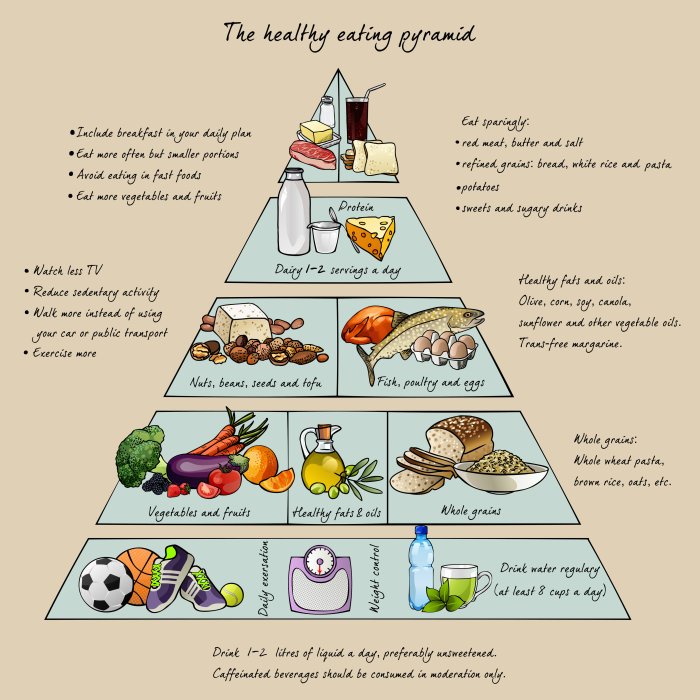
Eating a balanced diet is essential for maintaining overall health and supporting physical fitness. A healthy diet consists of a variety of nutrient-dense foods that provide the necessary vitamins, minerals, and energy to fuel the body.
Components of a Healthy Diet, How to balance nutrition and physical fitness
- Proteins: Essential for muscle repair and growth. Sources include lean meats, poultry, fish, eggs, dairy, legumes, nuts, and seeds.
- Carbohydrates: Serve as the body’s primary source of energy. Opt for whole grains, fruits, vegetables, and legumes for sustained energy levels.
- Fats: Important for hormone production and absorption of fat-soluble vitamins. Choose healthy fats like avocados, nuts, seeds, and olive oil.
- Vitamins and Minerals: Support various bodily functions and overall health. Include a variety of fruits, vegetables, whole grains, and dairy products in your diet.
- Water: Stay hydrated to support digestion, nutrient absorption, and overall bodily functions.
Nutrient-Dense Foods for Performance and Well-being
- Salmon: Rich in omega-3 fatty acids for heart health and reducing inflammation.
- Quinoa: High in protein, fiber, and essential nutrients for sustained energy.
- Leafy Greens: Packed with vitamins, minerals, and antioxidants for overall health.
- Greek Yogurt: Good source of protein and probiotics for gut health.
- Berries: Loaded with antioxidants and fiber for immune support and digestion.
Importance of Portion Control and Mindful Eating
- Portion Control: Helps prevent overeating and allows for better management of calorie intake.
- Mindful Eating: Involves being present while eating, listening to hunger cues, and savoring each bite to avoid mindless eating.
- Eating Slowly: Gives the body time to recognize fullness signals, preventing overeating.
- Awareness of Food Choices: Pay attention to the types of foods consumed and opt for nutrient-dense options to support overall health.
Preventive Care
Preventive care plays a crucial role in maintaining a healthy lifestyle by focusing on early detection and prevention of potential health issues.
Importance of Regular Check-ups and Screenings
Regular check-ups and screenings are essential for early detection of health problems, allowing for timely intervention and treatment. They help in identifying risk factors and monitoring overall health status.
- Make sure to schedule annual check-ups with your primary care physician to assess your overall health and well-being.
- Discuss with your doctor about recommended screenings based on your age, gender, and family history to detect any potential health concerns early on.
- Don’t skip routine screenings such as blood pressure, cholesterol, diabetes, and cancer screenings as they can help in preventing serious health conditions.
Incorporating Preventive Care into Daily Routines
It is important to integrate preventive care measures into your daily routine to prioritize your health and well-being.
- Stay active and engage in regular exercise to maintain a healthy weight and reduce the risk of chronic diseases.
- Eat a balanced diet rich in fruits, vegetables, whole grains, and lean proteins to support overall health and immunity.
- Avoid smoking, limit alcohol consumption, and practice stress-reducing activities such as yoga or meditation to promote mental wellness.
- Get an adequate amount of sleep each night to allow your body to rest and recharge for optimal functioning.
Balanced Diet
Eating a balanced diet is crucial for maintaining overall well-being as it provides the necessary nutrients for the body to function optimally. A balanced diet includes a variety of foods in appropriate portions to meet the body’s nutritional needs.
What Constitutes a Balanced Diet
A balanced diet consists of a combination of macronutrients (carbohydrates, proteins, and fats) and micronutrients (vitamins and minerals). Carbohydrates provide energy, proteins are essential for muscle repair and growth, and fats are important for hormone production and cell function. Micronutrients like vitamins and minerals play a vital role in various bodily functions such as immune system support and bone health.
Meal Planning Tips
- Include a variety of fruits, vegetables, whole grains, lean proteins, and healthy fats in your meals.
- Plan your meals ahead of time to ensure you have nutritious options available.
- Aim for balanced meals with a mix of carbohydrates, proteins, and fats.
- Stay hydrated by drinking an adequate amount of water throughout the day.
Role of Macronutrients and Micronutrients
- Macronutrients provide energy and play a crucial role in maintaining bodily functions.
- Micronutrients are essential for various physiological processes and overall health.
- Consuming a variety of foods ensures that you get a good balance of both macronutrients and micronutrients.
Regular Exercise
Regular exercise is crucial for maintaining overall health and well-being. It offers a wide range of benefits, including improved cardiovascular health, increased strength, enhanced flexibility, and better mental clarity. By incorporating regular exercise into your daily routine, you can boost your immune system, reduce the risk of chronic diseases, and enhance your mood and energy levels.
Types of Exercises
- Cardiovascular Exercises: Activities like running, cycling, swimming, and dancing help improve heart health, increase endurance, and burn calories.
- Strength Training: Weightlifting, bodyweight exercises, and resistance bands help build muscle mass, increase metabolism, and improve bone density.
- Flexibility Exercises: Yoga, Pilates, and stretching routines enhance flexibility, reduce the risk of injuries, and promote relaxation.
Consistency and Progression
Regular exercise is most effective when done consistently and progressively. It is important to create a workout schedule that fits your lifestyle and stick to it. Gradually increase the intensity, duration, or frequency of your workouts to continue challenging your body and seeing improvements. Whether you prefer high-intensity interval training, strength training, or yoga, staying consistent and progressively overloading your muscles will help you achieve your fitness goals and maintain a healthy lifestyle.
Holistic Wellness
Holistic wellness is an approach to health that considers the interconnectedness of the mind, body, and spirit. It emphasizes the importance of achieving balance in all aspects of life to promote overall well-being. This approach recognizes that physical health, mental well-being, and spiritual fulfillment are all essential components of a healthy lifestyle.
Complementing Nutrition and Physical Fitness
Holistic practices can complement nutrition and physical fitness by providing a more comprehensive approach to health and wellness. For example, practices such as yoga and meditation can help reduce stress levels, improve mental clarity, and enhance overall emotional well-being. This, in turn, can positively impact dietary choices and motivation to engage in physical activity.
- Yoga: Yoga combines physical postures, breathing exercises, and meditation to promote flexibility, strength, and relaxation. It can help improve physical fitness while also reducing stress and promoting mental clarity.
- Meditation: Meditation practices focus on calming the mind, reducing stress, and improving focus and concentration. Regular meditation can complement nutrition and physical fitness by enhancing overall mental well-being.
- Acupuncture: Acupuncture is a traditional Chinese medicine practice that involves the insertion of thin needles into specific points on the body to promote healing and balance. It can help alleviate pain, reduce stress, and improve overall energy levels.
Activities Promoting Overall Well-being
Holistic wellness activities are varied and can be tailored to individual preferences and needs. These activities focus on promoting overall well-being by addressing the interconnectedness of mind, body, and spirit.
- Forest Bathing: Spending time in nature, known as forest bathing, can help reduce stress levels, boost mood, and improve overall mental well-being. It provides an opportunity to disconnect from everyday stressors and connect with the natural world.
- Art Therapy: Engaging in creative activities such as painting, drawing, or sculpting can help express emotions, reduce stress, and promote self-discovery. Art therapy can be a therapeutic outlet for exploring feelings and experiences.
- Energy Healing: Practices such as Reiki or crystal healing focus on balancing the body’s energy centers to promote physical, emotional, and spiritual healing. Energy healing can help restore balance and promote overall well-being.
Chronic Diseases

Nutrition and physical fitness play a crucial role in preventing and managing chronic diseases. By making healthy lifestyle choices, individuals can significantly reduce the risk of developing chronic conditions and improve their overall well-being.
Prevention and Management
Proper nutrition and regular physical activity can help prevent chronic diseases such as heart disease, diabetes, and certain types of cancer. A balanced diet rich in fruits, vegetables, whole grains, and lean proteins provides essential nutrients that support overall health. Regular exercise helps maintain a healthy weight, reduce inflammation, and improve cardiovascular health, all of which contribute to preventing chronic conditions.
Taking care of your body through nutrition and exercise is like investing in your long-term health and well-being.
Lifestyle Choices
Lifestyle choices such as smoking, excessive alcohol consumption, poor diet, and lack of physical activity can increase the risk of developing chronic diseases. By adopting healthier habits, such as quitting smoking, limiting alcohol intake, and engaging in regular exercise, individuals can lower their risk factors and improve their quality of life.
Tips for Individuals with Chronic Diseases
1. Consult with a healthcare provider or registered dietitian to create a personalized nutrition and exercise plan.
2. Focus on nutrient-dense foods to support overall health and manage chronic conditions effectively.
3. Incorporate regular physical activity into your daily routine, aiming for at least 150 minutes of moderate-intensity exercise per week.
4. Stay consistent with your treatment plan, medications, and follow-up appointments to effectively manage your chronic disease.
5. Seek support from healthcare professionals, family, and friends to stay motivated and on track with your health goals.
Immunity Boosters: How To Balance Nutrition And Physical Fitness
Boosting the immune system is crucial for overall health and well-being. By incorporating certain foods and lifestyle habits, you can strengthen your body’s defenses against illnesses and diseases.
Foods that Boost Immunity
- Eat a variety of fruits and vegetables rich in vitamins and antioxidants, such as citrus fruits, berries, spinach, and bell peppers.
- Include probiotic-rich foods like yogurt, kefir, and kimchi to support gut health, which is closely linked to immune function.
- Consume foods high in zinc, such as lean meats, nuts, seeds, and legumes, to help your immune system function properly.
- Add garlic, ginger, turmeric, and other herbs and spices known for their immune-boosting properties to your meals.
Lifestyle Habits for a Stronger Immune System
- Get regular exercise to improve circulation and promote overall health, which can enhance immune function.
- Practice stress-reducing techniques like yoga, meditation, and deep breathing to lower inflammation and support immune health.
- Get an adequate amount of quality sleep each night, as lack of sleep can weaken the immune system.
- Stay hydrated by drinking plenty of water throughout the day to help flush out toxins and support immune function.
Incorporating Immunity-Boosting Practices into Your Routine
- Plan your meals ahead of time to ensure you include immune-boosting foods in your diet.
- Make time for physical activity each day, whether it’s a workout at the gym, a walk in nature, or a home yoga session.
- Create a bedtime routine that promotes relaxation and good sleep hygiene to support your immune system.
- Avoid smoking, excessive alcohol consumption, and processed foods, as these can weaken the immune system.
FAQs
How can mental wellness impact physical fitness and nutrition choices?
Mental wellness plays a crucial role in influencing physical fitness and nutrition choices as it affects motivation, mood, and decision-making abilities.
What are some strategies for improving mental wellness alongside a balanced diet and exercise routine?
Practices such as mindfulness, stress management techniques, and seeking professional help can enhance mental wellness in conjunction with a balanced diet and exercise.
How do macronutrients and micronutrients contribute to maintaining a balanced diet?
Macronutrients like carbohydrates, proteins, and fats provide energy and essential building blocks, while micronutrients such as vitamins and minerals support various physiological functions necessary for overall health.