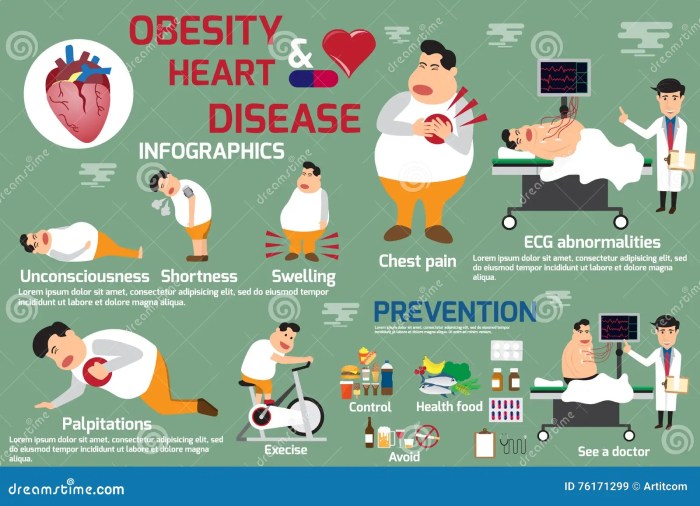
The connection between obesity and chronic diseases like heart disease is a pressing health concern worldwide. Obesity, characterized by excessive body fat, is a significant risk factor for a range of chronic conditions, including heart disease, type 2 diabetes, stroke, and certain cancers.
This complex relationship stems from the physiological changes that occur in the body due to excess weight, leading to inflammation, insulin resistance, and hormonal imbalances. These disruptions, in turn, increase the susceptibility to developing chronic diseases.
Understanding this connection is crucial for individuals, healthcare professionals, and policymakers alike. By recognizing the link between obesity and chronic diseases, we can implement effective prevention strategies, promote healthy lifestyles, and improve overall health outcomes.
The Prevalence of Obesity and Chronic Diseases
Obesity is a significant global health concern, and its prevalence is alarmingly increasing. This rise in obesity is directly linked to an increase in chronic diseases, placing a heavy burden on healthcare systems worldwide.
The Global Prevalence of Obesity
Obesity is a complex issue with multifaceted causes. It is characterized by an excessive accumulation of body fat, leading to various health complications. The World Health Organization (WHO) defines obesity as a body mass index (BMI) of 30 or higher.
The global prevalence of obesity has been steadily rising in recent decades. In 2016, over 1.9 billion adults aged 18 years and older were overweight, and over 650 million were obese. This translates to 39% of adults globally being overweight and 13% being obese.
“Obesity is a major risk factor for noncommunicable diseases such as heart disease, stroke, type 2 diabetes, and certain types of cancer.”
World Health Organization
The Impact of Obesity on Healthcare Systems
The rise in obesity has a significant impact on healthcare systems worldwide. Obese individuals are more likely to develop chronic diseases, requiring more frequent medical attention, hospitalizations, and medications. This increased healthcare utilization leads to higher healthcare costs, placing a strain on already stretched healthcare resources.
The economic burden of obesity is substantial. The WHO estimates that the global economic cost of obesity-related diseases was US$ 2.0 trillion in 2010. This figure is projected to rise significantly in the coming years.
Examples of Countries with High Obesity Rates
Several countries have high obesity rates, accompanied by a high prevalence of chronic diseases. For instance:
- The United States:The US has one of the highest obesity rates in the world, with over 40% of adults being obese. This high obesity rate is associated with a high prevalence of chronic diseases such as heart disease, stroke, type 2 diabetes, and certain types of cancer.
- Mexico:Mexico has experienced a rapid rise in obesity rates in recent years. Over 70% of adults in Mexico are overweight or obese, leading to a high prevalence of chronic diseases. This has placed a significant burden on the Mexican healthcare system.
- China:China has witnessed a rapid increase in obesity rates in recent decades, particularly in urban areas. The rise in obesity has been linked to changes in diet and lifestyle, with more people adopting Westernized diets and sedentary lifestyles.
Mechanisms Linking Obesity to Chronic Diseases: The Connection Between Obesity And Chronic Diseases Like Heart Disease
Obesity, a state of excessive body fat accumulation, is a major public health concern worldwide. It is not merely an aesthetic issue but a significant risk factor for a range of chronic diseases. This section delves into the intricate mechanisms that link obesity to chronic diseases, highlighting the pivotal roles of inflammation, insulin resistance, and hormonal imbalances.
Inflammation
Chronic low-grade inflammation, a persistent state of immune activation, is a hallmark of obesity. Excess body fat, particularly visceral fat surrounding internal organs, triggers the release of pro-inflammatory cytokines, such as tumor necrosis factor-alpha (TNF-α) and interleukin-6 (IL-6). These cytokines contribute to systemic inflammation, which can damage tissues and organs, ultimately increasing the risk of chronic diseases.
Inflammation is a complex biological process involving the immune system’s response to injury or infection. While acute inflammation is a necessary and beneficial response, chronic inflammation, which persists over long periods, can have detrimental effects on the body.
Insulin Resistance
Insulin resistance, a condition where cells fail to respond properly to insulin, is another critical link between obesity and chronic diseases. Excess body fat impairs insulin signaling, leading to elevated blood sugar levels. This can eventually progress to type 2 diabetes, a chronic condition characterized by hyperglycemia.
Insulin resistance also contributes to the development of other chronic diseases, such as cardiovascular disease and non-alcoholic fatty liver disease.
Hormonal Imbalances, The connection between obesity and chronic diseases like heart disease
Obesity disrupts the delicate balance of various hormones, further contributing to chronic disease development. Excess adipose tissue produces hormones like leptin and adiponectin, which regulate appetite and energy expenditure. However, in obesity, leptin resistance occurs, where the body becomes less sensitive to its appetite-suppressing effects.
This can lead to excessive food intake and weight gain. Moreover, obesity is associated with reduced adiponectin levels, a hormone that plays a protective role against insulin resistance and inflammation.
Leptin is a hormone produced by fat cells that acts on the hypothalamus in the brain to regulate appetite and energy expenditure. When leptin levels are high, it signals to the brain that the body has enough energy stores, suppressing appetite. Conversely, when leptin levels are low, it signals the brain that the body needs more energy, increasing appetite.
Excess Body Fat and Disrupted Bodily Systems
Excess body fat can disrupt various bodily systems, increasing the risk of chronic diseases. For instance, the increased workload on the heart due to obesity can lead to hypertension and heart disease. Obesity also puts stress on joints, increasing the risk of osteoarthritis.
Furthermore, the accumulation of fat in the liver can lead to non-alcoholic fatty liver disease, which can progress to cirrhosis and liver failure.
Holistic Wellness and Chronic Disease Prevention
The concept of holistic wellness emphasizes the interconnectedness of physical, mental, and emotional well-being. It recognizes that these aspects are not isolated but rather influence and impact each other, contributing to overall health and well-being. This approach focuses on promoting balance and harmony within these dimensions, aiming to prevent chronic diseases and enhance overall health.
The Interconnectedness of Physical, Mental, and Emotional Well-being
A holistic perspective emphasizes the interconnected nature of physical, mental, and emotional well-being. This interconnectedness means that changes in one area can influence the others. For instance, chronic stress can lead to physical health problems like high blood pressure and weakened immune systems.
Conversely, regular exercise can boost mood and improve mental clarity.
Holistic Approaches to Health and Wellness
Holistic approaches to health and wellness emphasize a multi-dimensional perspective, incorporating various practices and strategies to promote overall well-being. These approaches aim to address the underlying causes of health issues rather than solely focusing on symptoms. Examples of holistic approaches include:
- Mindfulness and Meditation:These practices help reduce stress, improve focus, and enhance emotional regulation. Regular meditation has been shown to lower blood pressure, improve sleep quality, and reduce inflammation.
- Yoga and Tai Chi:These mind-body practices combine physical movement with breathwork and mindfulness, promoting flexibility, balance, and stress reduction. They can also improve cardiovascular health and reduce the risk of falls.
- Nutrition:A balanced and nutritious diet is essential for overall health. Consuming a variety of fruits, vegetables, whole grains, and lean protein can provide the necessary nutrients for optimal functioning.
- Sleep:Adequate sleep is crucial for physical and mental health. Getting enough sleep allows the body to repair and rejuvenate, improving immune function, mood, and cognitive performance.
- Social Connection:Strong social connections are vital for well-being. Spending time with loved ones, engaging in social activities, and maintaining meaningful relationships can provide support, reduce stress, and enhance overall happiness.
Last Word
The impact of obesity on chronic diseases is undeniable. By adopting a holistic approach to health and wellness, individuals can take proactive steps to prevent obesity and mitigate their risk of developing these debilitating conditions. This includes maintaining a healthy weight through balanced nutrition and regular physical activity, managing stress effectively, and seeking early detection and preventive care.
Through collective efforts, we can work towards a future where obesity-related chronic diseases are less prevalent, leading to healthier lives for all.
Essential FAQs
What are some common lifestyle changes that can help prevent obesity?
Adopting a balanced diet rich in fruits, vegetables, and whole grains, engaging in regular physical activity, and managing stress levels are key lifestyle modifications that can help prevent obesity.
Is there a specific type of exercise that is most effective for weight loss?
A combination of aerobic exercise (like brisk walking, jogging, or swimming) and strength training is recommended for optimal weight loss and overall health.
Can obesity be reversed?
While losing weight can be challenging, it is possible to reverse obesity through sustained lifestyle changes and medical guidance. Weight loss can lead to significant improvements in health outcomes and reduce the risk of chronic diseases.
Are there any medications that can help with weight loss?
Yes, there are medications available that can aid in weight loss, but they are typically prescribed in conjunction with lifestyle changes and under the supervision of a healthcare professional.